The word Kosher originates from Hebrew and literally means “fit” or “proper,” but within Jewish dietary law (Halacha), it has a precise legal meaning that governs what foods are permitted and how they must be prepared, processed, and consumed. These rules are derived from the Bible, explained in the Talmud, and codified in rabbinical interpretations, making kosher observance one of the oldest and most detailed dietary systems in the world. In modern food production, certification has become indispensable because even products that appear inherently kosher, such as grains, snacks, or beverages, can become non-compliant due to hidden additives, processing aids, or contamination from shared equipment with non-kosher products. For example, bakery emulsifiers may contain animal fat derivatives, and oils may be refined on machinery also used for tallow, thereby making the final product non-kosher. Kosher Certification addresses these complexities by providing independent rabbinical verification that all ingredients, sub-ingredients, equipment, and production methods meet strict Kashrus standards. Beyond religious compliance, certification plays a vital role in international trade. For businesses, particularly exporters, a kosher logo is more than a symbol it is a legal and commercial gateway to some of the most lucrative markets. Countries such as the United States, Israel, and members of the European Union have significant consumer demand for kosher products, and many importers require certification as a condition of procurement. Without it, access to these markets is restricted, regardless of product quality. Thus, Kosher Certification functions as both a compliance mechanism and a strategic business asset, helping companies build credibility, win consumer trust, and expand their global reach.
Prohibited Foods
Under Jewish dietary law (Kashrus), certain foods are expressly forbidden. This includes pork, shellfish, reptiles, most insects, and predatory birds such as eagles and owls. Even for species that are technically permissible, such as cows, goats, sheep, or chickens, consumption is only allowed if the animals are slaughtered through the prescribed ritual method known as Shechita. This ritual slaughter is performed by a trained individual (Shochet) and involves a swift, humane cut to the throat, ensuring both the religious requirements and animal welfare standards are met. Failure to comply with this process renders the meat non-kosher, regardless of the animal’s species. From a compliance perspective, manufacturers must ensure that every source of meat or poultry used in their products originates from animals that are both permitted by Kashrus law and processed through recognized kosher slaughterhouses.
Separation Rules
A cornerstone of Kashrus law is the strict separation of meat and dairy. This principle extends beyond consumption to every stage of production, storage, and packaging. Products containing meat derivatives cannot be mixed with dairy ingredients, and utensils or machinery used for one category may not be used for the other unless they undergo a special ritual cleansing process known as kosherization. Kosherization often involves exposing equipment to boiling water or direct flame to purge non-kosher residue. For businesses, this creates a legal obligation to maintain separate production lines or schedule dedicated kosher runs under rabbinical supervision. Any breach of this separation invalidates the kosher status of the entire production batch and can lead to withdrawal of certification.
Supervision Requirement
Kosher Certification is legally enforceable only under continuous rabbinical oversight. Supervising rabbis, often referred to as Mashgichim, monitor the sourcing of raw materials, manufacturing processes, and storage methods to confirm compliance with Halacha. Their role is not merely ceremonial but regulatory in nature ensuring that both direct ingredients and secondary additives (such as emulsifiers, flavorings, or colorants) are kosher-certified. Rabbinical authorities also conduct surprise inspections and audits to verify ongoing compliance. If a facility is found to deviate from kosher standards, the supervising body has the authority to suspend or revoke certification. For businesses, this requirement translates into a contractual obligation: once certified, operations must remain under the jurisdiction of the appointed rabbinical authority for the validity of the kosher symbol to be maintained.
Food & Beverages
The largest category requiring Kosher Certification is food and beverages. This includes dairy products, meat and poultry items, bakery products, beverages (both alcoholic and non-alcoholic), edible oils, snacks, and all forms of packaged foods. Each item must be evaluated not only for its primary ingredients but also for secondary additives such as flavoring agents, preservatives, stabilizers, and colorants, which may have animal or non-kosher origins. For instance, bakery products using emulsifiers or shortening must prove that these ingredients are derived from kosher-certified sources. Similarly, beverages containing grape derivatives (like wine or juice) require stringent rabbinical supervision throughout production. From a compliance standpoint, businesses in this sector must maintain full ingredient traceability and keep detailed documentation, as any contamination or non-compliant additive can render an entire batch non-kosher.
Pharmaceuticals & Nutraceuticals
Kosher Certification extends beyond food into pharmaceuticals and nutraceuticals. Capsules, dietary supplements, and vitamins often use gelatin as a binding or coating agent. Since gelatin is frequently sourced from animal bones or skin, it is only acceptable if derived from kosher-certified animals processed under strict supervision. Additionally, excipients such as magnesium stearate, glycerin, and flavor coatings must be verified for kosher compliance. For nutraceutical companies exporting to kosher-sensitive markets, certification is not just a religious formality but a commercial necessity, as many buyers demand assurance that health products align with kosher dietary law. Manufacturers must therefore disclose all inactive ingredients, production methods, and facility practices to avoid certification rejection.
Cosmetics & Chemicals
Kosher Certification also applies to certain cosmetics, personal care items, and chemicals when they are either ingested, come in contact with food, or form part of the food production chain. Common items requiring certification include glycerin, emulsifiers, stabilizers, and lubricants, many of which can be sourced from non-kosher animal fat. Even products not directly consumed, such as food-grade cleaning agents or packaging lubricants, can affect the kosher status of foods if used in manufacturing. As a result, certification agencies carefully review the origin and processing of these inputs. For companies, this means stricter vendor selection, ingredient declarations, and compliance with documentation requirements to demonstrate that all chemical derivatives meet kosher standards.
Agriculture
Kosher laws apply not only to processed foods but also to raw agricultural products. Fruits, vegetables, spices, pulses, and grains must be thoroughly inspected for the presence of insects, since all insects are strictly non-kosher. Visual inspection, washing, and in some cases advanced screening methods are required to ensure compliance. For example, leafy vegetables such as spinach and herbs like coriander must undergo intensive cleaning before being certified. Spices and pulses also require careful screening, as small insects can be hidden in bulk shipments. For exporters, failure to perform these inspections can lead to shipment rejection at foreign ports. Thus, agricultural producers and suppliers seeking certification must adopt robust cleaning and inspection protocols, often under rabbinical supervision, to validate that their produce qualifies as kosher.
Application Filing
The first step toward Kosher Certification is a formal application filing. At this stage, the manufacturer is legally required to disclose all product formulations, raw material origins, and production processes to the certification body. This includes detailed lists of every ingredient, additive, and processing aid used in manufacturing, along with their respective suppliers. Supporting documents such as ingredient specification sheets, flow charts of the production process, and cleaning procedures must be submitted for review. The disclosure requirement ensures full transparency, as even a single non-kosher additive or cross-contaminated raw material can disqualify the product. Legally, this step functions as a contractual declaration by the applicant that all details provided are accurate and subject to inspection. Misrepresentation at this stage may result in denial of certification or later revocation if discovered.
Rabbinic Coordinator
Once the application is accepted, the certification body appoints a Rabbinic Coordinator (RC). This RC acts as the applicant’s primary point of contact throughout the certification process. Their role is both administrative and regulatory. The RC examines ingredient documentation, verifies supplier certifications, and provides guidance on making production compliant with Kashrus law. The coordinator also liaises between the business and the supervising rabbis who will eventually inspect the facility. Legally, the RC’s oversight ensures accountability, as all communications and decisions are documented, forming part of the compliance record. For the applicant, the RC provides a clear channel for clarifications and helps avoid errors that could delay or jeopardize certification.
Audit & Kosherization
Following preliminary review, a facility audit is scheduled. During this inspection, rabbinical supervisors (Mashgichim) examine the production site to ensure compliance with Kashrus standards. They check ingredient storage, production lines, segregation of meat and dairy, and cleaning protocols. If the facility uses equipment shared with non-kosher production, it must undergo a ritual cleansing process known as Kosherization. This may involve purging equipment with boiling water, direct flame, or other halachically prescribed methods to remove any non-kosher residue. From a legal standpoint, the audit creates an enforceable record of compliance. Failure to pass the audit requires corrective actions and re-inspection. Until all issues are resolved, the facility cannot be certified.
Issuance of Certificate
Once all compliance checks are satisfied, the certification body issues a Hechsher, which is the kosher logo that can be displayed on the product packaging. The Hechsher signifies that both the ingredients and the manufacturing processes meet strict Kashrus requirements under rabbinical supervision. This certification is valid for one year and must be renewed annually through updated audits and documentation. Importantly, the certificate is product-specific and facility-specific, meaning it cannot be transferred to another product line or location without approval. Legally, the use of the kosher logo without valid certification amounts to misrepresentation and may invite penalties under consumer protection laws and trade regulations. For businesses, issuance of the certificate not only ensures market access but also provides a legal shield against claims of mislabeling in export markets.
Regular Inspections
Kosher Certification is not a one-time approval but an ongoing compliance obligation. Once a facility is certified, rabbinical supervisors (Mashgichim) are authorized to conduct both routine and unannounced inspections. These visits may occur several times a year depending on the nature of the products, the complexity of production processes, and the risk of non-compliance. During inspections, supervisors verify ingredient storage, ensure that meat and dairy production lines remain segregated, and review cleaning logs for kosherization procedures. Surprise visits are particularly important because they prevent facilities from preparing only for scheduled audits. From a legal perspective, these inspections create a compliance record that demonstrates continuous adherence to Kashrus law. Any irregularity found during an inspection may lead to temporary suspension of certification until corrective measures are implemented.
Ingredient Verification
A fundamental aspect of ongoing supervision is the verification of ingredients and raw materials. Every input used in production including additives, preservatives, emulsifiers, colorants, and flavoring agents must itself carry a valid kosher certificate issued by an authorized body. This requirement extends beyond direct ingredients to secondary inputs such as lubricants or processing aids that may come into contact with food. Suppliers are legally obligated to provide up-to-date certificates, and manufacturers must maintain proper documentation to prove kosher compliance at every stage. If an uncertified or expired ingredient is discovered in the supply chain, the product may lose its kosher status immediately. For businesses, this underscores the importance of strong vendor management and meticulous record-keeping, as a single uncertified raw material can invalidate an entire batch of production.
Legal Accountability
The improper or misleading use of a kosher logo carries significant legal consequences. If a manufacturer continues to display a kosher symbol after its certification has expired, been revoked, or otherwise does not apply, this may amount to consumer fraud under consumer protection laws. Internationally, importing countries may also reject shipments, impose fines, or blacklist suppliers for misrepresentation. Beyond financial penalties, such misconduct severely damages brand reputation and erodes consumer trust, which can take years to rebuild. In some jurisdictions, rabbinical authorities may pursue legal action to protect the integrity of the kosher certification system. Therefore, businesses must treat kosher certification not as a marketing tool alone but as a legally binding compliance standard, ensuring that the symbol is only used while a valid certificate is in force.
Global Market Entry
One of the primary advantages of Kosher Certification is access to international markets where kosher compliance is either mandatory or strongly preferred. Countries such as the United States, Israel, and several European nations have large Jewish populations, and kosher-certified products enjoy greater acceptance in these regions. Importers, retailers, and distributors often require kosher certification as a condition for procurement contracts. For Indian exporters, failure to secure certification can mean exclusion from these markets, regardless of product quality. In legal terms, Kosher Certification serves as a non-tariff barrier: without it, certain goods cannot lawfully enter kosher-sensitive markets. Obtaining certification therefore acts as both a legal compliance step and a strategic trade advantage.
Brand Reputation
Displaying a kosher logo on product packaging goes beyond religious observance it signals a higher standard of quality, purity, and reliability. The process of securing certification involves strict inspections, ingredient verification, and facility audits, which reassure consumers that the product has passed rigorous checks. For businesses, this builds credibility not only among Jewish consumers but also among broader audiences who equate kosher products with enhanced safety and hygiene. In compliance terms, the kosher symbol functions as a third-party quality assurance mark, similar to ISO or organic certification, strengthening a company’s standing in both domestic and global markets.
Wider Consumer Base
Kosher Certification has an impact far beyond the Jewish community. Many vegetarians, vegans, and even Muslim consumers trust kosher-certified products because of overlapping dietary standards with Halal compliance. For example, kosher slaughter requirements for animals align closely with Halal principles, making such products acceptable to both communities in many cases. Similarly, consumers who avoid dairy or animal derivatives often prefer parev (neutral) kosher foods. This overlap broadens the potential consumer base and allows businesses to serve multiple dietary markets with one certification. From a legal standpoint, this diversification reduces dependency on a single consumer group and provides greater resilience in international trade.
Premium Pricing
Kosher-certified products often command higher retail prices compared to non-certified goods. This is due to the added assurance of religious compliance, stricter quality standards, and the limited number of certified suppliers relative to global demand. For exporters, certification creates an opportunity to position their products in premium retail segments, thereby improving profit margins. In commercial law, certification adds tangible value to the product’s intellectual property, allowing companies to justify higher pricing. While obtaining certification requires investment, the long-term economic return often outweighs initial costs, as certified products achieve stronger brand loyalty and repeat sales in international markets.
Cost Factors
The cost of obtaining Kosher Certification is not uniform and depends on several variables. First, the complexity of the product plays a major role items with multiple ingredients or additives require more in-depth verification, thereby increasing certification costs. Second, the number of SKUs (Stock Keeping Units) submitted for certification impacts pricing, since each product must be individually reviewed and approved. Third, the level of supervision required whether periodic, frequent, or continuous affects costs, as some products, particularly meat, dairy, or grape-based items, require stricter rabbinical oversight. Finally, the number of manufacturing facilities or production lines included in the certification adds to the cost, since each site requires separate inspection and approval. Businesses must therefore carefully evaluate these factors when budgeting for certification, as costs reflect the resources needed to ensure compliance.
Fee Structure
In India, the fee structure for Kosher Certification generally starts from USD 1000, making it relatively accessible even for small and medium enterprises (SMEs). However, costs scale up based on product range, number of facilities, and international recognition required. For companies producing large volumes or catering to export markets like the United States, additional costs may apply due to the need for more frequent audits or alignment with globally recognized symbols such as OU, OK, or KCS. While some businesses may view this as an added expense, certification fees should be understood as a compliance investment, securing market access and consumer trust. Importantly, certification agencies often provide cost estimates upfront, enabling manufacturers to plan financially and legally before committing to the process.
Validity & Renewal
Kosher Certification is not permanent it is typically valid for one year from the date of issuance. To maintain validity, businesses must undergo renewal through re-inspection and documentation review. Renewal ensures that no changes in suppliers, formulations, or processes have compromised kosher status. Rabbinical authorities may require updated certificates for all ingredients and conduct fresh audits of the facility before extending the certification. Failure to renew on time may render products non-compliant, exposing businesses to liability for misrepresentation if they continue using the kosher logo. From a legal perspective, renewal safeguards both consumers and businesses by confirming that compliance is continuous and up to date, rather than a one-time occurrence.
Meat & Poultry
For meat and poultry to be kosher, they must originate from species expressly permitted by Kashrus law. Permitted animals include cows, goats, sheep, and certain birds such as chicken, turkey, and duck. Prohibited species include pigs, camels, horses, and predatory birds. Beyond species, the method of slaughter is critical. The process, known as Shechita, requires a trained kosher slaughterer (Shochet) to make a swift and humane incision to the throat with a special knife. Following slaughter, blood must be completely removed through salting or roasting, as consumption of blood is strictly forbidden under Jewish law. From a compliance perspective, manufacturers must demonstrate that all meat and poultry products have been sourced from kosher-certified facilities and handled under rabbinical supervision. Any deviation whether in species, method, or handling renders the product non-kosher and can result in revocation of certification.
Dairy
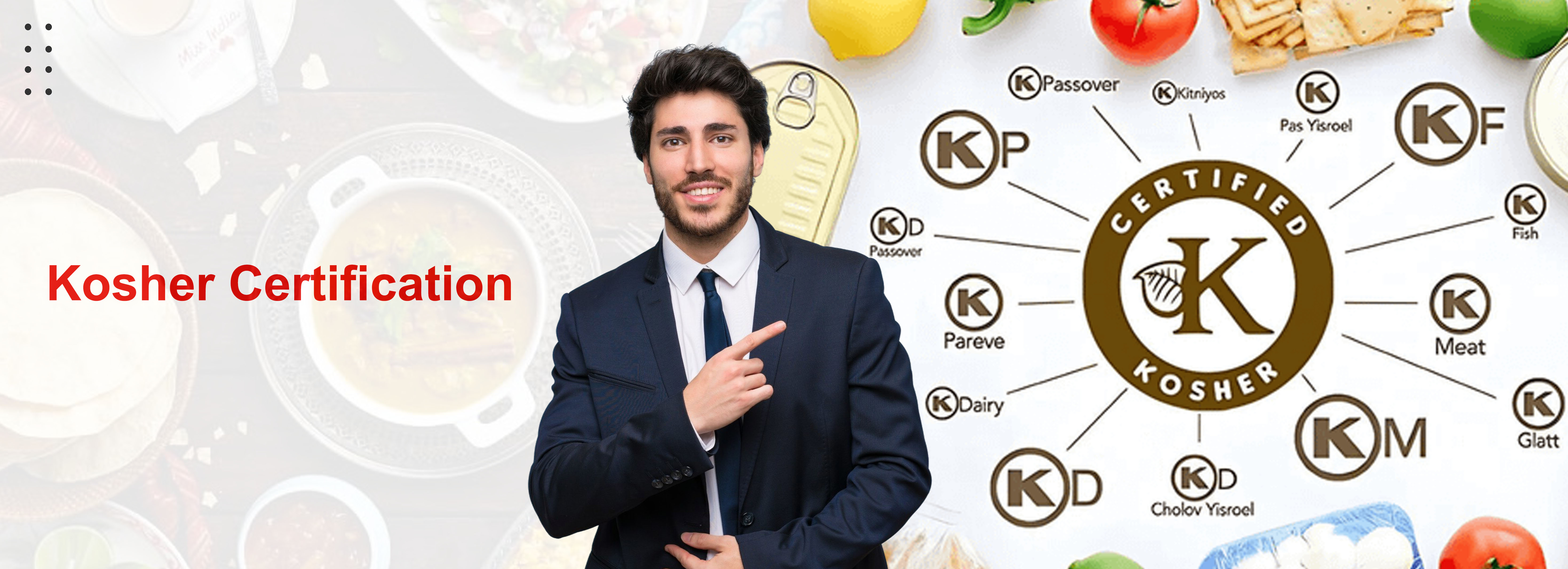
Milk and dairy products are kosher only if they come from animals that are themselves kosher, such as cows, goats, and sheep. However, an additional layer of compliance applies: Cholov Yisroel, which refers to milk production under continuous Jewish supervision. This ensures that the milk has not been adulterated with milk from non-kosher animals. In countries like the United States or EU, where government regulation guarantees the source of milk, some authorities accept Cholov Stam (regular milk) as kosher. Nevertheless, stricter communities demand Cholov Yisroel, requiring rabbinical oversight from milking until packaging. Cheese presents unique challenges because rennet, a common coagulant, often comes from animal sources; therefore, cheese production typically requires full-time supervision. For certification, businesses must disclose the exact sources of milk and enzymes, with rabbinical authorities verifying compliance.
Parev (Neutral Foods)
Parev refers to foods that are neither meat nor dairy, such as fruits, vegetables, grains, fish, and eggs. While parev foods seem straightforward, strict compliance is still required. They must remain uncontaminated by meat or dairy during processing, storage, or packaging. For example, a vegetable soup cooked in a pot previously used for meat without kosherization would lose its parev status. Likewise, parev foods processed on equipment shared with dairy at high temperatures are not kosher unless the machinery has been ritually cleansed. For businesses, parev certification is often easier to achieve but still requires documented segregation and supervision to ensure no cross-contact occurs. Parev foods are highly valuable in the market, as they can be consumed with either meat or dairy meals, increasing their consumer reach.
Fish & Eggs
Fish can only be certified as kosher if they have both fins and easily removable scales. Common kosher fish include salmon, tuna, herring, and sole. Non-kosher fish include shellfish (crabs, lobsters, prawns), catfish, sturgeon, and eels. Fish derivatives such as fish oil or gelatin must also come exclusively from kosher-approved species. Eggs are kosher only if they come from kosher birds and contain no blood spots. Each egg must be inspected before use, and even a trace of blood disqualifies it. For businesses, certification of fish and eggs requires traceability to species and inspection methods, as well as supplier certifications, to ensure absolute compliance.
Passover Certification
In addition to regular kosher standards, a special level of certification applies during the Festival of Passover (Pesach). For eight days, Jewish law prohibits the consumption of Chametz any leavened food made from the five grains: wheat, barley, rye, oats, or spelt. Even trace amounts of chametz render food unfit for Passover. To comply, production facilities must undergo rigorous cleaning and may require dedicated equipment exclusively for Passover production. Furthermore, many Jewish communities refrain from consuming Kitniyot legumes such as rice, corn, soy, and peanuts during Passover, although practices vary by region. For businesses, Passover certification requires submitting a separate application and undergoing a stricter audit process. Products approved for Passover are labeled Kosher for Passover and often fetch premium value in Jewish markets worldwide.
Agencies & Coverage
In India, Kosher Certification is primarily facilitated by agencies such as Kosher Certification Services (KCS) and other affiliated rabbinical authorities. These organizations work under the supervision of trained rabbis who are recognized internationally. With offices in Delhi and operational reach across the country, these agencies provide services to manufacturers located in metro cities as well as smaller industrial hubs. Their coverage extends to a variety of sectors including food processing, pharmaceuticals, nutraceuticals, and agriculture. Importantly, Indian certification agencies often work in partnership with global bodies, ensuring that certificates issued in India carry recognition abroad. For manufacturers, this nationwide network means that facilities located anywhere in India can apply for and maintain kosher certification without needing to engage foreign auditors directly, thereby saving both time and cost.
Export Advantage
Kosher Certification has become a powerful tool for Indian exporters, particularly those dealing in rice, pulses, spices, tea, processed foods, and edible oils. These commodities are in high demand across international markets with large kosher-observant populations, including the United States, Europe, and Israel. Importers in these regions frequently mandate kosher certification as part of their procurement policies. For exporters, having a kosher logo on their products reduces trade barriers, enhances acceptance in supermarkets and wholesale chains, and creates access to premium buyers. From a compliance perspective, certification ensures smooth customs clearance in foreign jurisdictions, where regulators and buyers scrutinize food labeling for religious dietary conformity. In effect, kosher certification acts as a legal passport for Indian food exports to reach more lucrative and regulated markets.
SME Inclusion
One of the standout features of kosher certification in India is its accessibility to small and medium enterprises (SMEs). Agencies such as KCS provide entry-level certification packages starting from USD 1000, making it financially feasible even for smaller businesses. This inclusion is critical because SMEs form the backbone of India’s food and agricultural export sector. By obtaining certification, these smaller players can compete with multinational corporations in international markets, leveraging the kosher logo as a mark of authenticity and quality. Moreover, affordable certification empowers SMEs to build credibility with foreign buyers who might otherwise prefer established brands. Thus, kosher certification functions as both a compliance tool and a market equalizer for Indian businesses at all scales.
Global Recognition
Certificates issued in India are not confined to domestic validity they are internationally recognized across all major export destinations. This is achieved through partnerships with globally respected kosher agencies and rabbis, ensuring that the kosher logo used on Indian products is trusted abroad. For Indian exporters, this recognition eliminates the need to seek dual certification in the destination country, reducing redundancy and cost. Global recognition also enhances legal security for exporters, as certified products are less likely to face rejection, seizure, or relabeling requirements at foreign ports. In practice, this recognition gives Indian companies a competitive edge, allowing them to participate in international tenders, enter premium supermarket shelves, and establish long-term supply contracts with global distributors.
Renewal Obligations
Kosher Certification is not a permanent grant; it must be renewed on an annual basis to remain valid. Renewal is more than a simple administrative formality it requires a complete re-verification of the production process, ingredients, and facility compliance. Businesses are required to submit updated ingredient certificates, disclose any changes in suppliers or formulations, and undergo a fresh audit conducted by rabbinical supervisors. This ensures that new developments in the supply chain or changes in production do not compromise kosher status. Additionally, Kashrus standards may evolve over time, and renewal audits confirm adherence to the most updated interpretations of Jewish dietary law. For businesses, this creates an ongoing compliance responsibility: failure to renew on time not only invalidates the certificate but also exposes them to legal liability if they continue to use the kosher logo after expiration.
Rabbinical Enforcement
Supervising rabbis, often referred to as Mashgichim, have full authority to enforce kosher compliance. Their powers extend to conducting surprise inspections without prior notice, reviewing ingredient logs, checking supplier certifications, and inspecting production facilities at any stage. If they detect a breach such as use of uncertified ingredients, improper cleaning procedures, or contamination between meat and dairy they may immediately suspend or revoke certification. This enforcement mechanism ensures that businesses maintain kosher standards not just during scheduled audits but throughout the year. From a legal compliance standpoint, the rabbinical enforcement system functions like a regulatory authority, and businesses are contractually bound to accept its oversight as long as they use the kosher certification.
Legal Protection for Businesses
For exporters, Kosher Certification provides a significant layer of legal protection. International buyers, distributors, and customs authorities often require kosher compliance as a contractual condition for import and sale. Possessing a valid kosher certificate and displaying the Hechsher (kosher logo) on packaging serves as documentary evidence that the manufacturer has met required religious dietary standards. This proof helps protect businesses against allegations of mislabeling, false advertising, or breach of buyer contracts. In the event of trade disputes, certification records including inspection reports and rabbinical endorsements can be relied upon as compliance evidence, reducing exposure to litigation or financial penalties. In effect, kosher certification strengthens the legal credibility of exporters in global trade.
Consumer Safeguards
Kosher Certification also serves as a consumer protection mechanism, assuring buyers worldwide that products meet the strictest dietary standards. For Jewish consumers, it guarantees compliance with Halacha, while for others, it represents enhanced quality, hygiene, and transparency. By displaying a valid kosher logo, manufacturers provide consumers with a legally recognized assurance of integrity, preventing deception or misrepresentation. This safeguard extends to international trade, where consumer protection laws penalize false claims of religious or dietary compliance. Businesses that maintain valid certification avoid reputational damage, consumer claims, and potential product recalls. In turn, consumers gain confidence in certified brands, strengthening long-term brand loyalty and market presence.

 Compliance Calendar ®