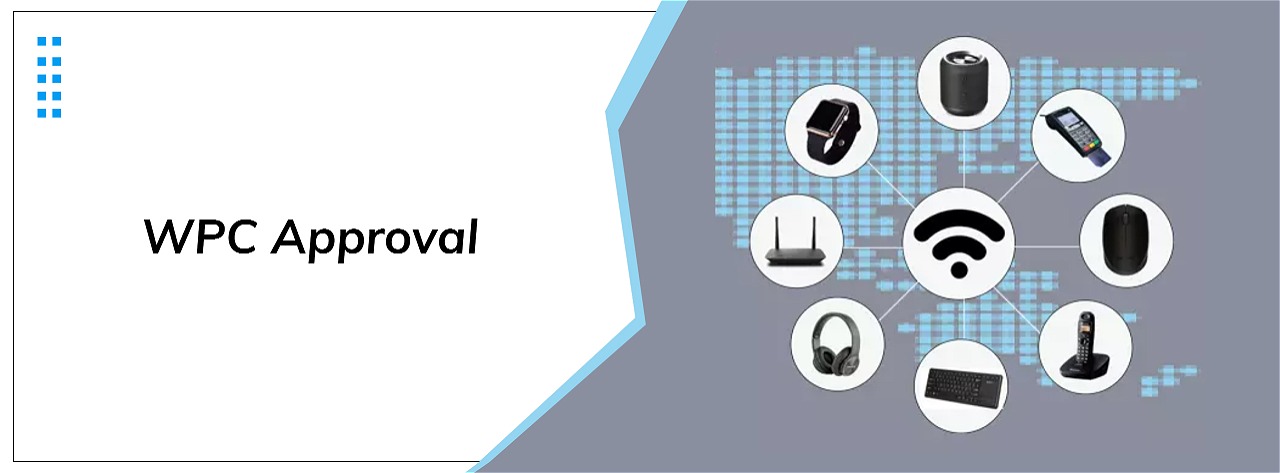
With the fast growth of wireless technology, wireless-enabled products have become a part of daily life and business operations. Devices such as smartphones, Bluetooth earphones, Wi-Fi routers, smartwatches, RFID equipment, wireless speakers, laptops, tablets, IoT devices, smart home appliances, wireless cameras, and industrial RF equipment are now widely used across India. These products operate through radio frequency signals, and if not properly regulated, they may cause interference with other wireless communication systems.
To manage radio frequency spectrum and ensure smooth wireless communication, the Government of India has created a regulatory framework through the Wireless Planning and Coordination Wing, commonly known as WPC. WPC functions under the Department of Telecommunications, Ministry of Communications, and is responsible for regulating wireless equipment and spectrum usage in India.
Any wireless product that operates on radio frequency and is intended to be imported, manufactured, distributed, sold, or used in India may require WPC approval. For wireless products operating in de-licensed frequency bands, the most common approval required is Equipment Type Approval, also known as ETA. This approval is generally called WPC ETA Approval.
Compliance Calendar LLP provides complete assistance for WPC ETA Approval in India. The service is useful for foreign manufacturers, Indian manufacturers, importers, traders, distributors, e-commerce sellers, and brand owners who want to launch wireless products in the Indian market in a legally compliant manner. The uploaded content specifically explains that ETA is generally required for wireless products operating in de-licensed frequency bands and is based on evaluation of RF test reports.
What is WPC?
WPC stands for Wireless Planning and Coordination Wing. It is the national authority responsible for radio frequency spectrum management and wireless communication regulation in India. Since radio frequencies are limited and sensitive, their use must be controlled to avoid interference between different devices and communication networks.
WPC plays an important role in approving wireless equipment, allocating spectrum, granting licences, and ensuring that wireless devices operate within permitted frequency limits. It also regulates products that use technologies such as Bluetooth, Wi-Fi, RFID, Zigbee, NFC and other radio frequency-based systems.
The WPC headquarters is located in New Delhi, and it also has regional offices in different parts of India. These offices support licensing, approval, regulatory examination and coordination-related activities.
Spectrum Management
WPC manages and controls the use of radio frequency spectrum in India. Spectrum is a national resource, and its improper use can create interference in wireless communication. Therefore, WPC ensures that wireless products and services operate only within permitted frequency ranges.
Approval of Wireless Equipment
WPC grants approval for wireless products that operate on radio frequencies. Equipment Type Approval is one of the most important approvals for wireless consumer products and electronic devices operating in de-licensed frequency bands.
Licensing of Wireless Operations
WPC issues different types of wireless licences depending on the nature of activity. These may include import licences, possession licences, experimental licences, network licences and other authorisations.
Prevention of Interference
Wireless devices must operate in a manner that does not disturb other communication systems. WPC ensures that devices comply with prescribed frequency and transmission power requirements.
Regulation of Wireless Communication Systems
WPC regulates wireless communication services and equipment used for commercial, industrial, research, telecom and consumer purposes.
Equipment Type Approval (ETA) is a regulatory approval issued by WPC for wireless products operating in de-licensed frequency bands.
The approval confirms that the wireless equipment complies with the frequency requirements prescribed by Indian regulations and can be legally imported, marketed, or used in India.
Products incorporating wireless technologies such as:
-
Bluetooth
-
Wi-Fi
-
RFID
-
Zigbee
-
NFC
-
Wireless RF Modules
Typically require ETA approval before entering the Indian market.
ETA approval is generally granted based on the evaluation of Radio Frequency (RF) Test Reports issued by accredited laboratories.
Legal Compliance
WPC ETA Approval is required to comply with Indian telecom and wireless regulations. Businesses importing or selling wireless products in India must ensure that such products are approved by the competent authority wherever applicable. Selling or importing wireless products without required approval may lead to customs issues, penalties, seizure of goods or business disruption.
Smooth Customs Clearance
For importers, WPC ETA Approval is important because customs authorities may ask for approval documents before clearing wireless products. If the product contains wireless technology and approval is not available, the shipment may be delayed or held.
Market Access in India
ETA approval allows manufacturers, importers and brand owners to legally introduce wireless products in the Indian market. Without approval, businesses may face difficulty in distribution, e-commerce listing, retail sale and institutional supply.
Spectrum Safety
Wireless products operate through radio signals. If such products use unauthorised frequency bands or exceed transmission limits, they may interfere with other devices and networks. WPC ETA Approval helps ensure that the product operates safely within permitted frequency bands.
Business Credibility
An approved product creates confidence among customers, distributors, retailers and business partners. It shows that the product has passed regulatory scrutiny and can be marketed legally in India.
Reduced Compliance Risk
Obtaining ETA approval reduces the risk of regulatory action, customs delay, product seizure, market restriction and penalties. It helps businesses operate smoothly and lawfully.
WPC ETA approval may be required by:
Any organization involved in importing or manufacturing wireless-enabled devices for the Indian market should evaluate whether WPC approval is applicable to its products.
WPC issues different categories of licences and approvals depending on the nature of wireless activity. Not every business needs the same licence. The requirement depends on whether the applicant is importing wireless equipment, possessing wireless equipment, providing network services, conducting experiments, or selling wireless products.
Equipment Type Approval
Equipment Type Approval is the most common approval required for consumer wireless products operating in de-licensed frequency bands. Products using Bluetooth, Wi-Fi, Zigbee, RFID, NFC and similar wireless technologies generally fall under ETA applicability.
Import Licence
An import licence may be required for importing certain categories of wireless equipment into India. This is especially relevant where the equipment does not fall only under simple ETA approval or where import controls are applicable.
Dealer Possession Licence
Dealer Possession Licence is issued to dealers, traders and distributors who handle wireless equipment. It authorises possession and dealing in specified wireless products as per applicable rules.
Non-Dealer Possession Licence
Non-Dealer Possession Licence applies to entities that possess wireless equipment for their own operational use and are not engaged in trading or selling such equipment.
Network Licence
Network licences are issued to entities providing communication or telecom network services. These are generally required for businesses operating licensed communication networks.
ISP Licence
Businesses that want to provide internet services in India require appropriate authorisation from the Department of Telecommunications. ISP licence is different from ETA approval and applies to internet service providers.
Experimental Licence
An experimental licence may be issued to research institutions, manufacturers, innovators and organisations conducting testing, research, trials or development involving wireless technology.
A wide variety of wireless products may require WPC ETA Approval. The requirement depends on the product’s wireless functionality, operating frequency band and intended use in India.
Common products include:
-
Smartphones and mobile phones
-
Tablets and laptops
-
Smartwatches and fitness bands
-
Bluetooth earphones and headphones
-
Wireless speakers
-
Wi-Fi routers and access points
-
RFID readers and RFID tags
-
Wireless keyboards and mice
-
Smart home devices
-
IoT products
-
Wireless cameras
-
Wireless printers and scanners
-
Medical devices with wireless features
-
Remote control devices
-
Industrial RF equipment
-
Wireless modules
-
NFC-enabled devices
-
Zigbee-based devices
-
Wireless security systems
-
Smart meters and connected devices
Any product containing a radio frequency transmission module should be examined carefully before import, manufacture or sale in India.
Documents Required for WPC ETA Approval
The documentation requirements may vary depending on the product category; however, the following documents are commonly required:
-
Company Incorporation Certificate
-
GST Registration Certificate
-
IEC Certificate (for importers)
-
Authorization Letter
-
Product Technical Specifications
-
Product Datasheet
-
Radio Frequency (RF) Test Report
-
Identity and Address Proof of Authorized Signatory
-
Purchase Order or Import Documents (where applicable)
-
Government Fee Payment Receipt
-
Product Label and Photographs
Additional documentation may be requested by WPC depending on the product category and frequency band involved.
Product Applicability Assessment
The first step in obtaining WPC Approval is determining whether the product requires approval under the Wireless Planning and Coordination Wing regulations. Not all electronic products require WPC Approval; only products containing wireless communication technologies such as Wi-Fi, Bluetooth, RFID, NFC, ZigBee, LoRa, wireless transmitters, or radio communication modules generally fall within its scope. During this stage, the product's technical specifications, operating frequencies, transmission power, and intended use are reviewed to identify the applicable approval category.
A proper applicability assessment helps businesses avoid unnecessary delays and ensures that the correct approval pathway is selected from the beginning. Compliance Calendar LLP assists importers and manufacturers in conducting detailed product assessments to determine whether WPC ETA Approval, WPC License, or any other authorization is required.
Review of Wireless Technology and Frequency Bands
Once applicability is established, the next step involves reviewing the wireless technology used in the product. WPC evaluates whether the device operates on license-exempt frequency bands or licensed frequency bands. Products using Bluetooth, Wi-Fi, RFID, and IoT technologies typically operate within designated frequency ranges and must comply with Indian spectrum regulations.
The technical review focuses on operating frequencies, antenna specifications, transmission power, bandwidth, and communication protocols. This stage is critical because products operating outside approved frequency bands may not qualify for approval and may require redesign or additional licensing.
Preparation of Technical Documentation
Comprehensive documentation is essential for successful WPC Approval. Applicants must prepare technical specifications, RF test reports, product datasheets, user manuals, authorization letters, product photographs, and compliance declarations. These documents provide the WPC authority with detailed information about the product's wireless characteristics and regulatory compliance.
Accurate and complete documentation significantly improves processing efficiency and reduces the likelihood of objections or queries from the authorities. Any inconsistency between documents may result in delays or rejection of the application.
Collection of RF Test Reports
RF Test Reports are among the most important documents required during the approval process. These reports are generally issued by accredited laboratories and contain technical data regarding operating frequency, transmission power, modulation methods, bandwidth, and electromagnetic characteristics.
The reports demonstrate that the wireless product complies with applicable frequency regulations and does not pose interference risks to communication systems. Since WPC relies heavily on these reports for technical evaluation, ensuring their accuracy and validity is crucial for successful approval.
Application Filing with WPC Authority
After preparing the required documentation, the application is filed with the Wireless Planning and Coordination Wing through the prescribed process. The application includes technical information, test reports, company documents, authorization letters, and product details.
Proper filing is essential because incomplete applications may be returned for correction or clarification. Businesses should ensure that all required information is submitted accurately to avoid unnecessary processing delays.
Technical Evaluation by WPC
Once the application is received, WPC conducts a technical evaluation of the product. The authority examines operating frequencies, wireless protocols, RF test reports, antenna configurations, and transmission characteristics. The purpose of this review is to verify that the product complies with Indian frequency regulations and can operate without causing harmful interference.
The evaluation process may vary depending on the complexity of the product and the wireless technology involved. Products that satisfy technical requirements proceed to the next stage of approval.
Clarifications and Query Resolution
During the review process, WPC may raise technical or procedural queries seeking additional information from the applicant. These queries may relate to RF reports, technical specifications, authorization documents, or product functionality.
Timely and accurate responses are important because unresolved queries can delay the approval process. Professional assistance helps applicants respond effectively and minimize processing timelines.
Grant of WPC Approval
Upon successful completion of technical evaluation and resolution of all queries, WPC grants the approval. Depending on the product category, this may take the form of ETA Approval or another applicable authorization.
The approval confirms that the product complies with Indian wireless regulations and can be legally imported, marketed, and distributed within India. It serves as official evidence of regulatory compliance and facilitates market entry.
Customs Clearance After Approval
WPC Approval plays a crucial role during customs clearance. Customs authorities often request proof of approval before allowing wireless products to enter the country. Having valid approval documentation helps prevent shipment detention, delays, and compliance-related complications.
Businesses importing wireless products should maintain proper records of approvals and supporting documents to ensure smooth customs processing.
Post-Approval Compliance Requirements
Obtaining approval is not the end of the compliance journey. Businesses must ensure that products remain consistent with approved specifications and continue to comply with applicable regulations. Any significant changes to wireless functionality, frequency bands, or hardware configuration may require fresh approval.
Maintaining ongoing compliance helps businesses avoid regulatory risks and supports uninterrupted product sales in the Indian market.
Obtaining ETA approval offers several advantages:
-
Smooth customs clearance
-
Legal import and sale of wireless products
-
Compliance with Indian telecom regulations
-
Enhanced market credibility
-
Reduced risk of regulatory penalties
-
Faster market access
-
Improved customer confidence
-
De-Licensed Frequency Bands
Certain radio frequencies are designated as de-licensed frequency bands in India, allowing compliant wireless devices to operate without obtaining individual frequency licences.
However, products operating within these bands may still require Equipment Type Approval from WPC before they can be imported or marketed in India.
Manufacturers must ensure that their products comply with the technical requirements prescribed for the applicable frequency band.
The following specified limit equipment shall be type approved.

 Compliance Calendar ®