


Gold jewellery is one of the most trusted and valuable purchases in India. People buy gold not only for fashion but also for savings, weddings, festivals, gifts, and investment. Because gold has high financial value, buyers want assurance that the jewellery they are purchasing is pure and genuine. This is where hallmarking becomes important.
Hallmarking is the official mark of purity on gold jewellery. It shows that the jewellery has been tested and certified as per standards set by the Bureau of Indian Standards, commonly known as BIS. For gold jewellery sellers, hallmarking is not just a quality mark. It is also a legal and business requirement in many cases. The hallmarking rules for gold jewellery sellers help protect consumers from fraud, wrong purity claims, and low-quality jewellery. These rules also help honest jewellers build trust in the market. A seller who follows BIS hallmarking rules can show customers that the jewellery being sold is tested, certified, and reliable.
What is Gold Hallmarking?
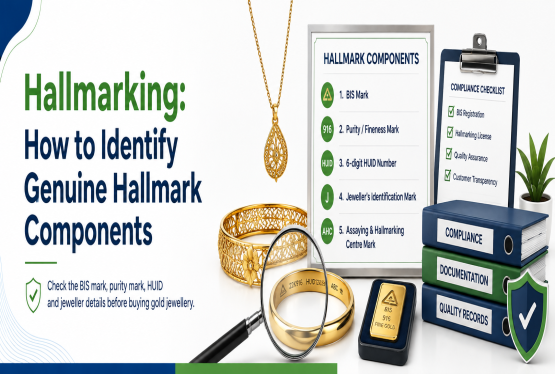
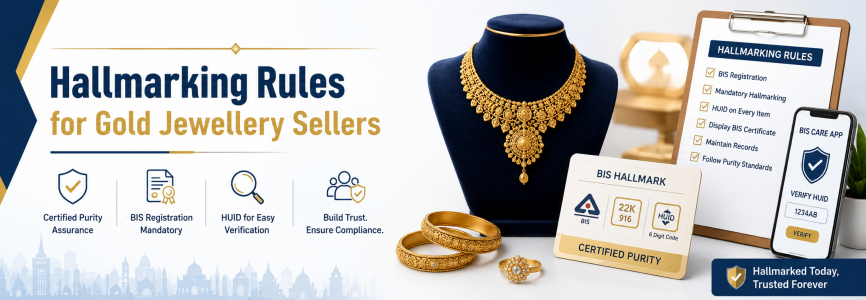
Gold hallmarking is the process of testing and certifying the purity of gold jewellery. When jewellery is hallmarked, it means the gold has been checked at a BIS-recognized Assaying and Hallmarking Centre. A proper hallmark gives important details about the jewellery, such as purity and the unique identification number. At present, hallmarked jewellery includes a 6-digit HUID, which stands for Hallmark Unique Identification. This HUID helps customers verify the jewellery through the BIS Care App. Hallmarking is mainly used to confirm that the gold jewellery sold as 22 carat, 18 carat, 14 carat, or any other permitted purity is actually of that purity. It reduces the chances of cheating and brings transparency between sellers and buyers.
Why Hallmarking Rules Matter for Jewellery Sellers
Hallmarking rules are important because gold jewellery sellers deal with products that involve high trust and high value. A small difference in purity can cause major financial loss to the buyer. For this reason, the government has made hallmarking mandatory in notified districts for specified gold jewellery and artefacts. For sellers, hallmarking rules help in many ways. They improve customer confidence, reduce disputes, and create a better market reputation. A registered jeweller can legally sell hallmarked jewellery and provide proper assurance to buyers. If sellers ignore hallmarking rules, they may face legal problems, penalties, customer complaints, and loss of business credibility. Therefore, jewellers must understand the rules before selling gold jewellery.
BIS Registration for Gold Jewellery Sellers
Any jeweller who wants to sell hallmarked gold jewellery must obtain BIS registration. The registration is done through the BIS online portal. As per BIS, jeweller registration for selling hallmarked gold and silver jewellery or artefacts can be applied for online, and the certificate is granted instantly without document upload or fee payment. The certificate remains valid for lifetime. This registration allows the jeweller to sell hallmarked jewellery legally. It is important to note that BIS registration for jewellers is different from recognition of an Assaying and Hallmarking Centre. A jeweller sells hallmarked jewellery, while a hallmarking centre tests and marks the jewellery. A jeweller should not use the BIS hallmark on their own. The jewellery must be sent to a BIS-recognized hallmarking centre for testing and hallmarking.
Mandatory Hallmarking Rule
Mandatory hallmarking means that gold jewellery sellers in notified areas must sell only hallmarked jewellery of permitted purity. The rule has been introduced in phases across different districts in India. This rule applies mainly to gold jewellery and gold artefacts. It does not mean that every old gold item owned by a customer becomes invalid. Consumers can still sell their old hallmarked or un-hallmarked jewellery to jewellers. BIS FAQs clarify that consumers can sell old jewellery to jewellers even after hallmarking becomes mandatory. For sellers, the important point is that once hallmarking is mandatory in their district and category, they should not sell covered gold jewellery without proper hallmarking.
HUID Rule for Gold Jewellery
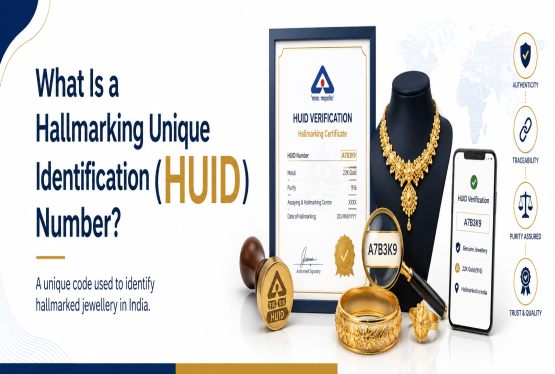
HUID means Hallmark Unique Identification. It is a 6-digit alphanumeric code marked on each hallmarked gold jewellery item. HUID gives a unique identity to the jewellery article. The purpose of HUID is to make hallmarking more transparent. It helps in tracking and verification. Customers can check the HUID through the BIS Care App to confirm whether the jewellery is properly hallmarked. For sellers, HUID has become very important because customers are now more aware. Many buyers ask for HUID before purchasing gold jewellery. A seller should ensure that every hallmarked item has a proper and clear HUID.
Display Rules for Jewellers
BIS has also specified display-related requirements for registered jewellers. A registered jeweller should display the BIS logo with the wording “Hallmarked jewellery available for sale” outside the sales outlet. The BIS registration certificate should also be displayed at the jewellery shop. The jeweller should keep a magnifying glass of at least 10X magnification to show the hallmark to customers. The relation between caratage and fineness should also be displayed at the shop. These display rules are important because they help customers understand purity and verify the hallmark before buying. They also show that the jeweller is registered and follows BIS norms.
Purity Standards in Gold Jewellery
Gold jewellery is usually sold in different purities. The common purities include 22K, 18K, and 14K. The purity is shown with fineness numbers. For example, 22K gold is shown as 916, which means 91.6% gold purity. Jewellers must ensure that the purity mentioned on the jewellery matches the actual purity. Wrong purity claims can create legal and customer disputes. Hallmarking helps avoid such issues because the jewellery is tested before being marked. Sellers should also explain purity clearly to customers. Many buyers do not know the difference between 22K, 18K, and 14K. Clear communication builds trust and reduces confusion.
Exemption for Small Jewellers
BIS FAQs state that jewellers with annual turnover up to rupees forty lakh per annum are exempted from mandatory hallmarking. However, if such jewellers want to sell hallmarked jewellery, they need BIS registration. This exemption gives relief to small jewellers, but it does not mean they can misuse hallmarking or make false purity claims. If a jeweller sells hallmarked jewellery, the jewellery must be properly hallmarked through recognized channels. Even small jewellers should consider BIS registration if customers demand hallmarked jewellery. In today’s market, hallmarking is becoming a trust factor for both small and large sellers.
Selling Old Gold Jewellery
Many customers bring old gold jewellery to jewellers for sale, exchange, or remaking. Hallmarking rules do not stop consumers from selling old gold jewellery. A customer can sell old hallmarked or un-hallmarked jewellery to a jeweller. However, if the jeweller wants to resell that jewellery as a covered gold article in a mandatory hallmarking district, it should be properly hallmarked before sale. This protects the next buyer and keeps the seller compliant. Jewellers should also maintain proper purchase and sale records for old gold transactions. This helps in business accounting, tax records, and customer transparency.
Role of Assaying and Hallmarking Centres
Assaying and Hallmarking Centres are recognized by BIS for testing and hallmarking jewellery. Jewellers send their jewellery articles to these centres for testing. After testing, the hallmark and HUID are applied if the article meets the required purity. A jeweller should use only BIS-recognized hallmarking centres. Using unauthorized centres or fake hallmarking can lead to legal action. Recent enforcement actions reported in the media show that BIS takes action against illegal hallmarking and misuse of hallmark symbols. Therefore, sellers should never take shortcuts. Fake hallmarking can harm customers and damage the jeweller’s reputation.
Records and Invoice Requirements
Gold jewellery sellers should maintain proper records of hallmarked jewellery. The invoice should clearly mention details such as item description, purity, weight, price, making charges, taxes, and other relevant information. A proper invoice protects both the customer and the seller. If there is any issue in future, the invoice becomes an important document. It also helps customers verify what they purchased. Sellers should avoid vague billing practices. For example, writing only “gold jewellery” without purity or weight details may create confusion. Clear billing is a good business practice and supports compliance.
Customer Verification Through BIS Care App
The BIS Care App allows users to verify hallmarked jewellery using the HUID number. BIS states that the app has a “Verify HUID” feature to check the authenticity of hallmarked jewellery. Jewellers should guide customers on how to verify the HUID. This creates confidence at the time of purchase. Instead of seeing verification as a challenge, sellers should treat it as a trust-building step. When a customer verifies the HUID and finds the correct details, it improves the seller’s credibility. It also reduces doubts about purity and authenticity.
Penalty for Non-Compliance
If a gold jewellery seller violates hallmarking rules, uses fake hallmarking, sells non-hallmarked jewellery where hallmarking is mandatory, or misuses the BIS mark, legal action may be taken under applicable BIS provisions. Penalties can include fines, seizure of goods, cancellation of registration, and prosecution in serious cases. Apart from legal action, non-compliance can also damage the brand image of the seller. In the jewellery business, trust is everything. Once customer trust is lost, it becomes difficult to rebuild. That is why sellers should follow hallmarking rules carefully.
Benefits of Hallmarking for Sellers
Hallmarking is not only a legal requirement. It is also a business advantage. Customers prefer buying jewellery from sellers who provide proper hallmarking and transparent billing. A BIS-registered jeweller can attract more serious buyers. Hallmarked jewellery also helps reduce disputes related to purity. It gives sellers a professional image and makes the business more reliable. In a competitive market, hallmarking helps jewellery sellers stand out. It shows that the seller values quality, honesty, and customer protection.
Common Mistakes Sellers Should Avoid
Gold jewellery sellers should avoid selling covered jewellery without hallmarking in mandatory districts. They should not use fake hallmark marks or unauthorized hallmarking centres. They should also avoid hiding purity details from customers. Another common mistake is not displaying the BIS registration certificate or purity chart at the shop. Sellers should also make sure that staff members understand basic hallmarking rules so they can answer customer questions properly.
Conclusion
Hallmarking rules for gold jewellery sellers are made to protect customers and improve trust in the jewellery market. For sellers, these rules should not be seen only as a legal burden. They are also a way to build credibility and long-term customer relationships. Every jeweller dealing in hallmarked gold jewellery should obtain BIS registration, sell properly hallmarked items, ensure HUID marking, maintain proper invoices, and guide customers about verification. Following these steps helps sellers avoid penalties and improve business reputation. As buyers become more aware, hallmarking will continue to play a major role in gold jewellery sales. Sellers who follow BIS hallmarking rules properly will be better placed to grow in a transparent and trusted market.
FAQs
Q1. What is hallmarking in gold jewellery?
Ans. Hallmarking is the official certification of gold purity by BIS through recognized testing and hallmarking centres.
Q2. Is BIS registration mandatory for gold jewellery sellers?
Ans. Yes, jewellers who want to sell hallmarked gold jewellery must obtain BIS registration.
Q3. What is HUID in gold jewellery?
Ans. HUID means Hallmark Unique Identification. It is a 6-digit code marked on hallmarked jewellery for verification.
Q4. Can jewellers sell non-hallmarked gold jewellery?
Ans. In mandatory hallmarking districts and covered categories, sellers should sell only properly hallmarked jewellery.
Q5. Can customers sell old un-hallmarked jewellery?
Ans. Yes, customers can sell old hallmarked or un-hallmarked jewellery to jewellers.
Q6. Are small jewellers exempt from mandatory hallmarking?
Ans. Jewellers with annual turnover up to rupees forty lakh are exempted from mandatory hallmarking, as per BIS FAQs.
Q7. How can customers verify hallmarked jewellery?
Ans. Customers can verify the HUID number through the BIS Care App.
Q8. Can jewellers hallmark jewellery by themselves?
Ans. No, jewellery must be tested and hallmarked through a BIS-recognized Assaying and Hallmarking Centre.
Q9. What should jewellers display at their shop?
Ans. Jewellers should display the BIS registration certificate, BIS logo signage, and purity-related information.
Q10. Why is hallmarking important for sellers?
Ans. Hallmarking builds customer trust, reduces purity disputes, and helps sellers comply with BIS rules.