


India is one of the important producers and exporters of tobacco and tobacco products, and businesses operating in this sector are subject to a specific statutory registration system. A person intending to export tobacco, export tobacco products, deal in tobacco, pack tobacco or undertake specified activities relating to Virginia tobacco cannot simply start operations on the strength of GST or an Importer Exporter Code. Registration with the Tobacco Board may also be compulsory depending upon the activity undertaken.
The principal law governing this requirement is the Tobacco Board Act, 1975, supported by the Tobacco Board Rules, 1976 and regulations and directions issued by the Board. For exporters, there is also an important distinction between annual registration as an exporter with the Tobacco Board and obtaining a Registration-Cum-Membership Certificate (RCMC) for foreign-trade purposes. These are connected compliances, but they should not be treated as the same certificate.
What Is Tobacco Board Registration?
Tobacco Board Registration is the statutory registration granted by the Tobacco Board to persons carrying on specified activities in the tobacco sector. Depending on the business activity, registration may be required as an exporter of unmanufactured tobacco, exporter of tobacco products, dealer, packer, processor or manufacturer of Virginia tobacco, while commercial grading and other specified activities are separately regulated.
For exporters, the requirement is particularly clear. Section 12 of the Tobacco Board Act, 1975 provides that no person shall export tobacco or tobacco products, or function as a packer, auctioneer or dealer in tobacco, unless the person is registered with the Board in accordance with the rules made under the Act. This makes Tobacco Board registration a substantive statutory requirement rather than merely an optional industry membership.
Tobacco Board Registration and RCMC Are Different
One of the most common areas of confusion is the use of the expression "Tobacco Board Registration" interchangeably with RCMC. A business exporting tobacco must first identify the registration required under the Tobacco Board Act and Rules. Exporters registered under the relevant Tobacco Board category may then obtain an RCMC for export-related purposes.
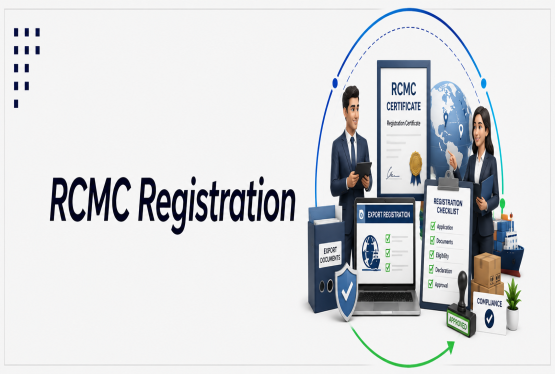
RCMC stands for Registration-Cum-Membership Certificate. DGFT describes it as a certificate validating an exporter dealing with products falling under an organisation authorised by the Government of India. The current DGFT system generally provides RCMC validity for five financial years, unless otherwise specified by the relevant authority.
Therefore, annual Tobacco Board trader registration and the RCMC should be understood separately. The Tobacco Board registration relates to the legal permission to operate in the relevant tobacco business category, while RCMC is connected with the exporter's registration with the recognised Commodity Board for foreign-trade purposes.
Laws Governing Tobacco Board Registration
The main legislation is the Tobacco Board Act, 1975, enacted to provide for development of the tobacco industry under the control of the Union Government. Section 4 establishes the Tobacco Board, while Section 8 sets out its functions relating to development, marketing, export promotion, market monitoring and regulation of the tobacco sector. The Board's responsibilities include developing foreign markets and regulating aspects of Virginia tobacco marketing and export.
The procedural requirements are primarily contained in the Tobacco Board Rules, 1976, framed under Section 32 of the Act. These Rules prescribe registration procedures, applications, fees, renewal, registers, statutory returns, scrutiny, cancellation and other compliance requirements.
Important Sections of the Tobacco Board Act, 1975
Section 8 – Functions of the Tobacco Board
Section 8 places a duty on the Board to promote development of the tobacco industry under Central Government control. Among other matters, the Board may monitor domestic and international markets, develop overseas markets, regulate aspects of Virginia tobacco marketing and export, provide information to growers, dealers and exporters and undertake measures for development of the sector.
This section is important because compliance requirements and registration conditions imposed by the Board are closely connected with its statutory functions. Current registration criteria also require applicants to comply with directions and stipulations issued by the Board for carrying out activities covered by Section 8.
Section 10 – Registration of Virginia Tobacco Growers
Section 10 provides that a person cannot grow Virginia tobacco except under and in accordance with a certificate of registration obtained from the Tobacco Board. The Board considers factors such as demand for Virginia tobacco, suitability of land and other prescribed considerations while deciding registration.
This provision is different from exporter registration. A person registered as a grower should not assume that the grower certificate automatically authorises export activity; the registration relevant to the actual business activity must also be examined.
Section 10A – Nursery Growers
Section 10A deals with persons growing Virginia tobacco seedlings for commercial purposes. Such persons must register as nursery growers, although seedlings grown by a registered grower for that grower's own use are specifically distinguished under the provision.
Section 11 – Registration of Curers
Under Section 11, a person undertaking the curing of Virginia tobacco must be registered as a curer in accordance with the applicable Rules. The Tobacco Board Rules prescribe a separate procedure for curer registration and renewal.
Section 11A – Processors and Manufacturers
Section 11A provides that no person shall process Virginia tobacco or manufacture products from it unless registered with the Tobacco Board as a processor or manufacturer, as applicable. Therefore, businesses involved in manufacturing should not assume that exporter registration alone covers manufacturing activity.
Section 11B – Grading Work and Barns
Section 11B requires a licence for carrying out specified commercial grading work relating to Virginia tobacco and for construction and operation of a barn. Businesses performing these specialised activities should therefore examine licensing requirements separately from ordinary exporter or dealer registration.
Section 12 – Exporters, Packers, Auctioneers and Dealers
Section 12 is the most important provision for businesses exporting tobacco. It expressly prohibits a person from exporting tobacco or tobacco products or functioning as a packer, auctioneer or dealer unless registered with the Tobacco Board in accordance with the Rules.
Section 13A – Purchase of Virginia Tobacco
Section 13A regulates purchases by registered dealers and exporters. In areas where the relevant auction provisions apply, registered dealers and exporters cannot purchase Virginia tobacco outside a registered or Board-established auction platform, subject to the statutory exceptions, or otherwise than from specified registered persons.
Section 14 – Applications, Fees and Cancellation
Section 14 provides the statutory basis for prescribing the form, manner, time, fees and particulars for registration applications. It also covers principles and procedures relating to grant and cancellation and the registers and returns to be maintained by regulated entities.
Section 15 – Inspection
The Tobacco Board has inspection powers under Section 15. Authorised officers or other specified persons may inspect land or premises for the purpose of verifying particulars furnished in applications or statutory returns.
Rule 35 of the Tobacco Board Rules, 1976
Rule 35 specifically deals with registration as an exporter, packer, auctioneer or dealer. Under the Rules, registration is renewed every year, and unless renewed, it ceases to remain effective after expiry of the year for which it was granted. Applications are prescribed in Form 13, and the certificate of registration is issued in Form 14.
The Rules contemplate applications for fresh registration before 1 November of the year preceding the calendar year for which registration is sought and renewal applications before 30 November of the preceding year. The Board's current 2026 notification follows these statutory timelines for the relevant trader categories.
Who Should Apply for Tobacco Board Registration?
Registration requirements depend upon the exact nature of the applicant's activities. For the 2026 registration cycle, the Tobacco Board separately identifies dealers in tobacco, exporters of tobacco, exporters of tobacco products, processors of Virginia tobacco, manufacturers of Virginia tobacco, packers of tobacco and commercial graders of Virginia tobacco.
An exporter handling raw or unmanufactured tobacco should generally select the Exporter of Tobacco/Unmanufactured Tobacco category, whereas a business exporting manufactured tobacco products should apply under the Exporter of Tobacco Products category. Correct classification is important because the fee, documents, turnover information and continuing returns can differ between categories.
Documents Required for Tobacco Board Registration
For the 2026 registration cycle, applicants applying under the exporter category are required to upload the prescribed self-certified documents through the Tobacco Board's online registration system. The documents help establish the applicant's legal identity, business constitution, export credentials, banking details and authority to undertake tobacco-related activities. The exact requirements may vary depending on whether the applicant is an exporter of unmanufactured tobacco, exporter of tobacco products or another registered category.
The commonly required documents include:
-
Bank Certificate: A current bank certificate in the format prescribed by the Tobacco Board must be submitted to verify the applicant's banking details.
-
Declaration Form: The applicant is required to submit the prescribed declaration confirming the correctness of the information and documents provided with the application.
-
Letter of Undertaking: A Letter of Undertaking on the applicant company's or firm's letterhead must be uploaded in the prescribed manner.
-
PAN Card: A self-certified copy of the PAN of the applicant entity or proprietor is required as proof of tax identity.
-
IEC Certificate: Exporters must provide a valid Importer Exporter Code issued by the Directorate General of Foreign Trade (DGFT).
-
GST Registration Certificate: A copy of the GST Registration Certificate should be submitted to establish the applicant's registered business details.
-
Business Constitution Documents: Depending on the type of entity, documents such as the Partnership Deed, Certificate of Incorporation, Memorandum of Association and Articles of Association may be required.
-
Udyam/MSME Certificate: Where the applicant is registered as an MSME, a self-certified copy of the valid Udyam Registration Certificate should also be provided.
-
Authorisation Documents: Where the application is filed through an authorised signatory, a Board Resolution, Letter of Authorization or General Power of Attorney may be required depending on the legal constitution of the applicant.
Additional Documents for Exporters of Unmanufactured Tobacco
Exporters dealing in unmanufactured tobacco are also required to provide details of their godowns, warehouses, branches and other tobacco-handling premises. These particulars help the Tobacco Board verify the locations from which tobacco is stored and handled.
The following details may be required for each premises:
-
Complete address of the godown, warehouse or handling point.
-
Contact details relating to the premises.
-
Total area of the premises in square feet.
-
Details of whether the premises are owned or leased.
-
Name and particulars of the owner where the premises are rented or leased.
-
A self-attested lease agreement where the premises are taken on lease.
For the 2026 cycle, the prescribed criteria require the relevant lease agreement to be executed on ?100 non-judicial stamp paper where applicable. Applicants should ensure that the information relating to premises, business name, IEC, GST, PAN and legal constitution is consistent across all documents to avoid queries or delays during scrutiny.
How to Get Tobacco Board Registration Online?
Tobacco Board Registration has largely shifted to an electronic filing system. For the 2026 registration cycle, e-filing is mandatory for registration and renewal of the applicable trader categories, and manual applications are not entertained. Existing applicants can use the Tobacco Board's online registration system, while fresh investors or traders may also apply for fresh registration through the National Single Window System (NSWS).
The online registration process generally involves the following steps:
1. Identify the Correct Registration Category
The applicant must first determine the correct category based on the actual tobacco-related activity carried on by the business. Categories may include exporter of unmanufactured tobacco, exporter of tobacco products, dealer, packer, processor, manufacturer or other regulated activities.
A business exporting raw or unmanufactured tobacco should not select the tobacco-products category simply because both activities involve exports. Where a business undertakes more than one regulated activity, the requirement for registration under multiple categories should also be examined.
2. Create an Account on the Online Portal
A new applicant must create login credentials through the prescribed online registration system. For the 2026 cycle, eligible traders can use the “Sign-up” facility available on the Tobacco Board portal to generate their login details. Fresh investors or traders may also access the relevant registration service through the National Single Window System (NSWS). Existing registered applicants can use their available credentials for renewal or other permitted registration-related applications.
3. Fill in the Online Application Form
After login, the applicant must complete the online application by providing accurate business and registration details. The information provided should correspond with the applicant's statutory and business records.
The application generally requires details such as:
- Name and legal constitution of the business.
- Registered and business address.
- PAN details.
- GST Registration details.
- Importer Exporter Code (IEC).
- Bank account and banking information.
- Turnover or export value, wherever applicable.
- Details of directors, partners, proprietor or authorised persons.
- Nature and category of tobacco-related activities.
All details should be consistent across PAN, IEC, GST and constitutional documents to avoid queries during scrutiny.
4. Upload the Required Documents
The applicant must upload the prescribed documents electronically with the application. For exporter registration, the 2026 requirements provide for submission of self-certified copies of the relevant supporting documents. These commonly include the bank certificate, Declaration Form, Letter of Undertaking, PAN, IEC, GST Registration Certificate, constitutional documents and authorisation documents, wherever applicable. Exporters of unmanufactured tobacco may also have to provide details of godowns, warehouses and other tobacco-handling premises.
5. Pay the Registration Fee Online
The applicable Tobacco Board Registration fee must be paid through the prescribed online payment or transfer mechanism. For the 2026 registration process, payment through Demand Draft is not accepted. Applicants should ensure that the payment receipt clearly identifies the applicant or company wherever required. The proof of payment must be uploaded or furnished with the application as prescribed.
6. Submit the Application
Once all details have been entered, supporting documents uploaded and the applicable fee paid, the application can be submitted online. Applicants should carefully review all information before final submission. Particular attention should be given to the applicant's name, constitution, address, IEC, GST details and registration category. Incorrect classification or inconsistent information can result in queries, delays or rejection.
7. Scrutiny by the Tobacco Board
After submission, the application is examined by the competent authority of the Tobacco Board. Rule 36 of the Tobacco Board Rules, 1976 permits scrutiny and inquiry into applications and allows the authority to seek additional information where necessary. The applicant should respond promptly to any clarification or document request raised during scrutiny. Failure to provide the required information may result in refusal or rejection of the registration application.
8. Grant of Registration
If the application and supporting documents are found satisfactory and the applicable requirements are fulfilled, registration may be granted under the relevant category. The applicant can thereafter undertake the regulated activity subject to the conditions of registration and applicable law. For renewal applications, the Tobacco Board may also examine the applicant's previous compliance record, including filing of statutory returns, maintenance of prescribed registers and compliance with directions issued under the Tobacco Board Act and Rules.
9. Maintain Post-Registration Compliance
Obtaining registration is not the end of the compliance process. Registered entities must continue to maintain prescribed records, file applicable statutory returns and comply with the conditions and directions issued by the Tobacco Board. Since Tobacco Board trader registration generally requires annual renewal, applicants should also monitor renewal timelines and ensure that pending returns or other compliance defaults are rectified before applying for renewal.
Tobacco Board Registration Fees for 2026
For an Exporter of Unmanufactured Tobacco, the 2026 registration fee for an application filed within the stipulated period depends on the average annual export value during the preceding three financial years. The fee is ?6,000 where that value exceeds ?50 lakh, ?4,000 where it is above ?10 lakh and up to ?50 lakh, and ?1,000 where it is up to ?10 lakh.
For an Exporter of Tobacco Products, the prescribed fee for a timely 2026 application is ?1,000 without a turnover slab. The fee structure for dealers, packers, processors, manufacturers and commercial graders is separately prescribed according to their respective categories.
For 2026, late fresh applications by exporters of unmanufactured tobacco or tobacco products received from 2 November 2025 to 31 December 2025 carried a fee of ?5,000. Fresh applications received on or after 1 January 2026 carry a fee of ?10,000. For renewals, the ?5,000 late fee applied from 1 December through 31 December 2025, while applications on or after 1 January 2026 carry ?10,000.
There is an important concession for new exporters. The 2026 criteria state that a fresh exporter applying beyond the statutory date may be granted registration without the prescribed late application fee where the exporter applies within 30 days from the date of issue of the IEC by DGFT, subject to the applicable conditions.
Current 2026 Registration Update
For calendar year 2026, fresh and renewal registration opened from 1 October 2025. The notified last date for fresh registration of the relevant trader and manufacturer categories was 1 November 2025, while the last date for renewal was 30 November 2025. Electronic filing is mandatory, and the Board has expressly stated that manual applications will not be accepted.
This means that applicants seeking 2026 registration after the normal deadline should carefully check the late-fee provisions applicable to their category rather than relying on the normal registration fee.
How to Obtain RCMC After Tobacco Board Registration
After registration as an exporter of unmanufactured tobacco or exporter of tobacco products, the exporter can proceed with the RCMC requirement. The Tobacco Board has clarified that persons applying for fresh RCMC, renewal or amendment of an earlier RCMC are required to file through the DGFT e-RCMC portal, a system that has been in use for Tobacco Board RCMC applications since 1 March 2022.
The exporter must maintain an active IEC, select the relevant registering authority and declare the mainstream business and export product details. DGFT's e-RCMC system recognises Commodity Boards such as the Tobacco Board as registering authorities for products falling within their jurisdiction.
According to the Tobacco Board's exporter guidance, an RCMC application that is complete in all respects is normally processed in about five working days. The RCMC is granted for the applicable validity period under the prevailing foreign-trade procedure.
Statutory Returns After Registration
Registration creates continuing compliance obligations. Under Rule 37, exporters and dealers in tobacco are required to maintain the prescribed register in Form 28, while exporters of tobacco products are required to maintain the prescribed register in Form 30. These records must be produced before authorised Tobacco Board officers when required for inspection.
Rule 37 also prescribes monthly returns. Exporters, packers and dealers in tobacco must submit applicable monthly returns in Forms 31 and 32 by the fifteenth day of the succeeding month, while exporters of tobacco products submit the relevant monthly return in Form 18. Additional forms apply where a person is also carrying on packing activity.
A significant current clarification is that exporters holding Tobacco Board RCMC have been exempted from separate quarterly RCMC returns. However, the Board expressly states that the regular monthly statutory returns, including Form 18, Form 34 or Forms 31/32 as applicable, continue to be required.
For the 2026 registration cycle, delayed statutory returns can also affect renewal costs. The criteria for exporters specify a penalty of ?500 per month where returns are filed after the fifteenth but before the end of the succeeding month, and ?1,000 per month where the delay exceeds one month.
Cancellation or Refusal of Registration
Rule 38 provides for cancellation where registration or renewal was obtained by furnishing incorrect information or where the registered person contravenes the Act, Rules, regulations or applicable terms and directions of the Board. Registration cannot, however, be cancelled under this Rule without giving the person concerned a reasonable opportunity of being heard.
Where registration or renewal is refused, Rule 36 requires reasons to be recorded and communicated. A person whose application has been refused may make a representation to the Board for revision within 30 days of receiving the decision, and the Board must provide an opportunity of being heard before passing its order.
Penalties for Operating Without Registration
Operating in a regulated category without valid Tobacco Board registration can have legal consequences. Section 25 of the Tobacco Board Act provides a general penalty for contravention of provisions of the Act, Rules or regulations where another specific punishment is not provided. The punishment may extend to imprisonment for two years, a fine up to ?5,000, or both, along with an additional fine for a continuing contravention after conviction.
Section 23 separately deals with failure to furnish a required return or knowingly furnishing a false return. Section 24 addresses obstruction of authorised officials and failure to produce books or records when required. Section 26 extends liability in appropriate cases to companies and persons responsible for the conduct of their business, subject to the statutory defences contained in that provision.
The Tobacco Board's 2026 notification also expressly cautions that manufacturing or exporting tobacco or tobacco products without valid registration, purchasing or selling FCV tobacco without the applicable registration, or operating as a regulated packer or commercial grader can amount to violation of the Tobacco Board Act and Rules and may invite action.
Other Legal Compliances for Tobacco Exporters
Tobacco Board registration should not be treated as an all-purpose business or export licence. Section 31 of the Tobacco Board Act specifically provides that the Act operates in addition to, and not in derogation of, other laws in force. Accordingly, an exporter may separately need to comply with the Foreign Trade (Development and Regulation) framework, DGFT's Foreign Trade Policy and ITC(HS) export policy, Customs requirements, GST laws and any product-specific rules applicable to the tobacco goods being exported.
Businesses dealing in cigarettes and other tobacco products should also independently examine requirements under the Cigarettes and Other Tobacco Products Act, 2003 (COTPA) and rules governing packaging, labelling, advertising and related activities, wherever applicable. Destination-country import restrictions, health warnings, product standards and documentation should also be checked before accepting an overseas order because Tobacco Board registration does not override the laws of the importing country.
Renewal of Tobacco Board Registration
Unlike RCMC, which generally operates for a multi-year period under the DGFT system, the trader registration governed by Rule 35 is renewed annually. Failure to renew means that the registration ceases to remain effective after the year for which it was granted.
Renewal is not merely a payment exercise. The Board may consider whether statutory returns were filed on time, required registers were maintained and the applicant complied with the Act, Rules, registration conditions and Board directions during the previous period. A business with pending returns should therefore regularise compliance well before filing the renewal application.
Conclusion
Obtaining Tobacco Board Registration online involves more than uploading a few business documents. The legal requirement originates directly from the Tobacco Board Act, 1975, particularly Section 12 for exporters, dealers, packers and auctioneers and Section 11A for processors and manufacturers of Virginia tobacco. The Tobacco Board Rules, 1976 then prescribe the application, renewal, fees, records, returns, scrutiny and cancellation procedure.
For 2026, applications are required to be filed electronically, with the Tobacco Board specifically stating that manual applications will not be entertained. Exporters should first obtain the appropriate annual Tobacco Board registration, keep their IEC, PAN, GST and supporting records consistent, comply with statutory monthly returns and then obtain or maintain their RCMC through the DGFT e-RCMC system.
A business entering the tobacco export sector should therefore determine the correct registration category before beginning operations. Exporter of unmanufactured tobacco, exporter of tobacco products, manufacturer, processor, dealer and packer are legally distinct categories, and choosing the wrong one can create problems with registration, returns and future renewal. Proper classification and timely compliance remain the most practical way to avoid delays and regulatory action.
Frequently Asked Questions (FAQs)
Q1. What is Tobacco Board Registration?
Ans: Tobacco Board Registration is a statutory registration for specified persons engaged in tobacco-related activities in India.
Exporters, dealers, packers, processors, manufacturers and other covered entities may need registration depending on their activity.
The requirement arises under the Tobacco Board Act, 1975 and the Tobacco Board Rules, 1976.
Q2. Is Tobacco Board Registration mandatory for exporters?
Ans: Yes, a person exporting tobacco or tobacco products must obtain the applicable registration from the Tobacco Board.
Section 12 of the Tobacco Board Act restricts export activity without registration in accordance with the prescribed rules.
Operating without valid registration may lead to regulatory action and penalties.
Q3. Can Tobacco Board Registration be applied for online?
Ans: Yes, the Tobacco Board currently provides an online application facility for registration and renewal.
For the 2026 registration cycle, e-filing has been made mandatory for the relevant trader categories.
Applicants must complete the online form, upload prescribed documents and pay the applicable fee electronically.
Q4. What documents are required for Tobacco Board Registration?
Ans: Common documents include PAN, IEC, GST Registration Certificate, bank certificate and business constitution documents.
Applicants may also need a declaration, Letter of Undertaking, authorisation documents and premises-related details depending on the category.
The exact checklist should be verified for the relevant registration year and business activity.
Q5. Is IEC required for Tobacco Board Registration?
Ans: IEC is an important requirement for businesses intending to export tobacco or tobacco products from India.
It is issued by the Directorate General of Foreign Trade and identifies the business for import-export purposes.
Tobacco Board Registration and IEC are separate compliances and one does not replace the other.
Q6. What is the validity of Tobacco Board Registration?
Ans: Registration of exporters, dealers, packers and other applicable categories under Rule 35 is generally granted for the relevant calendar year.
It must be renewed annually to continue carrying on the regulated activity.
Failure to renew can result in the registration ceasing to remain effective after its validity period.
Q7. What is RCMC for tobacco exporters?
Ans: RCMC stands for Registration-Cum-Membership Certificate and is used for recognising exporters under the foreign trade system.
Eligible tobacco exporters can apply for RCMC through the DGFT e-RCMC portal after meeting the applicable Tobacco Board requirements.
RCMC should not be confused with the annual statutory registration issued by the Tobacco Board.
Q8. Can a manufacturer also require Tobacco Board Registration?
Ans: Yes, manufacturers and processors dealing with Virginia tobacco may require separate registration under the Tobacco Board Act.
Section 11A specifically regulates processing of Virginia tobacco and manufacturing products from it.
A business carrying out more than one regulated activity should check whether multiple registration categories apply.
Q9. What happens if Tobacco Board Registration is not renewed?
Ans: A registration that is not renewed may cease to be effective after expiry of the period for which it was granted.
Continuing regulated tobacco activities without valid registration may expose the business to penalties and other action.
Renewal should therefore be completed within the prescribed timeline along with pending return and record compliances.
Q10. Can Tobacco Board Registration be cancelled?
Ans: Yes, registration may be cancelled where it was obtained through incorrect information or where the holder violates applicable legal requirements.
The Tobacco Board Rules provide for cancellation in cases of contravention of the Act, Rules, regulations or registration conditions.
However, the affected person must generally be given a reasonable opportunity of being heard before cancellation.