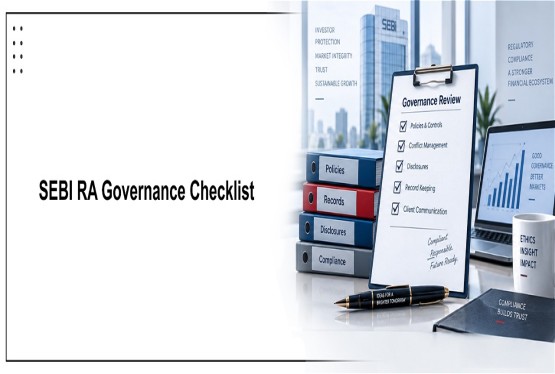



The securities market in India has grown rapidly with the participation of retail investors, traders, startups, fintech platforms and advisory businesses. Due to this growth, the demand for professional market research, stock analysis, investment reports, model portfolios and securities recommendations has also increased. However, providing research services for a fee is a regulated activity. Any person or entity offering paid research services must obtain SEBI Research Analyst Registration, commonly known as SEBI RA Registration.
A Research Analyst prepares or publishes research reports, gives securities-related analysis, provides stock-specific recommendations, suggests buy, sell or hold views, gives price targets or offers model portfolio-based research services. Since such recommendations may influence investor decisions, SEBI regulates this activity to protect investors and promote transparency. SEBI RA Registration is required under the SEBI Research Analysts Regulations, 2014, which prescribe eligibility, qualification, certification, application process, disclosures, audit and ongoing compliance obligations.
Meaning of SEBI Research Analyst Registration
What is SEBI RA Registration?
SEBI RA Registration is a certificate of registration granted to an eligible person or entity to act as a Research Analyst in India. Once registered, the applicant can legally provide research services related to securities, subject to compliance with SEBI regulations and conditions of registration.
Research services may include preparing and distributing research reports, giving recommendations on listed securities, analyzing market trends, providing model portfolios, issuing research calls and offering securities-related analysis to clients or the public. The registration ensures that only qualified, certified and fit persons provide such services.
Why SEBI RA Registration is Important
SEBI RA Registration is important because research recommendations can directly influence investor decisions. If unqualified persons give stock tips or misleading research calls, investors may suffer financial losses. SEBI registration brings accountability, qualification standards, disclosure norms and compliance discipline into the research business.
A registered Research Analyst must follow a prescribed code of conduct, disclose conflicts of interest, maintain records, avoid misleading claims, follow advertisement rules, maintain client consent and comply with audit and reporting obligations. This improves investor protection and builds credibility for the research service provider.
Who Needs SEBI RA Registration?
Individuals Providing Research Services
An individual who wants to provide paid research services in the securities market must apply for SEBI RA Registration. This includes persons giving stock recommendations, research reports, trading ideas, securities analysis or model portfolio services for consideration.
If an individual shares general educational content without any paid research recommendation or securities-specific advice, registration may not be required. However, if the person charges fees for research calls, stock reports or recommendations, registration becomes important.
Companies and LLPs Providing Research Services
A company or LLP engaged in the business of research services must obtain SEBI RA Registration. Many fintech platforms, market research firms, stock research companies, financial content businesses and securities research platforms apply under this category. In the case of a company or LLP, the entity must have qualified and certified individuals, a principal officer, compliance officer, proper infrastructure, internal policies and required net worth or deposit arrangements.
Partnership Firms
Partnership firms may also apply for registration, subject to eligibility conditions. However, if the firm does not have partners meeting the required qualification and certification standards, restructuring into LLP or body corporate may be required depending on applicable norms. The partners involved in research activities must satisfy SEBI’s qualification and certification requirements.
Research Entities
A research entity generally refers to a SEBI-registered intermediary that is also engaged in merchant banking, investment banking, brokerage, underwriting or similar activities and issues research reports in its own name through individuals employed as research analysts. Such entities must ensure that their research analysts are properly qualified and certified and that research activities are separated from conflicting business functions wherever required.
Legal Context for SEBI RA Registration
SEBI Act and RA Regulations
The main legal framework for SEBI RA Registration is the SEBI (Research Analysts) Regulations, 2014. These regulations define who is a Research Analyst, who needs registration, what eligibility conditions apply, how applications are filed, what fees are payable and what compliance obligations continue after registration. The regulations also contain provisions relating to qualification, certification, capital adequacy or deposit, code of conduct, disclosures, conflict of interest, research report standards, public appearance, records, audit, inspections and disciplinary action.
SEBI Guidelines for Research Analysts
SEBI has issued detailed guidelines for Research Analysts to strengthen investor protection and improve compliance standards. These guidelines deal with deposit requirements, client-level segregation, use of Artificial Intelligence tools, model portfolio services, client consent, terms and conditions, website disclosure, fee collection, audit requirements and other operational matters. The guidelines are important because they convert regulatory principles into practical compliance steps. Every applicant and registered RA should understand these requirements before starting operations.
RAASB Context
SEBI has recognised BSE Limited as the Research Analyst Administration and Supervisory Body, commonly known as RAASB. RAASB is responsible for administration and supervision of Research Analysts as per SEBI. This means that Research Analysts may have to comply not only with SEBI regulations but also with processes, circulars, forms, timelines and supervision requirements specified by RAASB. Applicants should carefully follow the registration procedure and post-registration compliance requirements applicable through RAASB.
Eligibility Standards for SEBI RA Registration
Qualification Requirement
The applicant, principal officer and persons associated with research services must meet the prescribed qualification requirement. The qualification generally relates to finance, commerce, economics, business management, capital markets, securities market, financial services or related professional qualifications.
The purpose of the qualification requirement is to ensure that research services are provided by persons who have adequate knowledge of securities markets, financial analysis, investment products and regulatory obligations.
Certification Requirement
Apart from educational qualification, the applicant and relevant persons must hold the required NISM certification or any other certification specified by SEBI. Certification ensures that the person understands research analysis, securities market rules, investor protection, regulatory requirements and ethical standards. Certification must be valid at the time of application and must be renewed before expiry. A registered Research Analyst must ensure that all associated persons continue to meet certification requirements at all times.
Fit and Proper Standards
The applicant, promoters, directors, partners, principal officer and key persons must satisfy fit and proper criteria. This includes integrity, honesty, reputation, financial soundness and absence of serious regulatory or criminal disqualification. SEBI may examine whether the applicant has been involved in fraud, market manipulation, economic offences, regulatory violations or any conduct that makes the applicant unsuitable for registration.
Infrastructure Requirement
The applicant must have adequate infrastructure to provide research services. Infrastructure may include office setup, research tools, data sources, compliance systems, technology systems, record maintenance facility, website, email system, client communication process and internal controls. A Research Analyst is expected to provide research based on proper data, analysis and documented methodology. Therefore, infrastructure is not limited to physical office space; it also includes systems required for professional research and compliance.
Net Worth or Deposit Requirement
The applicant must satisfy the prescribed financial requirement. The financial requirement may include net worth or deposit-based compliance depending on the applicable regulatory. This requirement is important because it shows that the applicant has adequate financial capacity and regulatory seriousness. Applicants should check the latest financial requirement before applying. If a deposit requirement applies, it should be arranged with the prescribed bank and in the prescribed manner before or during the registration process.
Deposit Requirement for Research Analysts
Deposit Based on Number of Clients
Research Analysts may be required to maintain a deposit based on the number of clients served. The deposit amount may vary depending on the client count. As the number of clients increases, the financial compliance requirement may also increase. This structure ensures that larger Research Analysts with more clients maintain higher financial backing. The deposit must be maintained as prescribed and updated when client count changes.
Purpose of Deposit
The deposit requirement is intended to strengthen accountability and investor protection. Since Research Analysts provide services that influence financial decisions, SEBI expects them to maintain regulatory discipline and financial seriousness. The deposit is not a normal business expense. It is a compliance requirement and must be maintained as long as applicable.
Updating Deposit
If the number of clients increases, the Research Analyst may need to update the deposit amount within the prescribed timeline. Failure to maintain the required deposit may lead to compliance issues. Therefore, RAs should maintain a client count tracker and review deposit requirements regularly, especially at the end of every financial year.
Documents Required for SEBI RA Registration
Application Form
The applicant must file the prescribed application form for Research Analyst registration. The form must be filled carefully with details of the applicant, business structure, address, qualification, certification, experience, infrastructure, shareholding, directors, partners, compliance officer and research activity. Incorrect or incomplete information may result in queries or rejection. Therefore, the application form should be reviewed carefully before submission.
Identity and Address Documents
For individual applicants, identity and address proof such as PAN, Aadhaar, passport, voter ID, driving license, bank statement or utility bill may be required. For non-individual applicants, documents of directors, partners, principal officer and authorized signatories are generally required. The information in KYC documents must match the application form and other supporting documents.
Business Registration Documents
For companies, Certificate of Incorporation, Memorandum of Association and Articles of Association are required. For LLPs, Certificate of Incorporation and LLP Agreement are required. For partnership firms, partnership deed and registration proof may be required. The object clause should allow research analysis, securities research, financial research, investment research or related activities. If the object clause does not support the proposed activity, amendment may be required before filing the application.
Qualification and Certification Proof
The applicant must submit educational qualification documents, professional certificates and valid NISM certification or specified certification. These documents prove that the applicant and associated persons meet the required knowledge standards. If a company or LLP applies, qualification and certification proof of the principal officer, research analysts and associated persons involved in research activity must be submitted.
Experience Details
The applicant may be required to provide details of experience in securities market, research, financial analysis, investment products, portfolio analysis or related fields. Experience details should be supported by employment letters, appointment letters, work profile documents or self-declaration, depending on the facts. Experience helps demonstrate the applicant’s ability to provide professional research services.
Net Worth or Deposit Proof
The applicant must submit proof of financial eligibility. This may include net worth certificate, deposit proof, bank confirmation, lien marking details or other documents as required under applicable norms. The certificate or financial proof should be recent and issued by a competent professional where required.
Infrastructure Declaration
The applicant must declare that it has necessary infrastructure to carry out research analyst activities. The declaration may cover office, research database, technology systems, compliance framework, communication tools, website, record maintenance and manpower. This helps the authority assess whether the applicant can provide services professionally.
Fit and Proper Declaration
The applicant, directors, partners, principal officer and key persons must provide fit and proper declarations. These declarations confirm that the persons are not disqualified, have no adverse regulatory record and are suitable to act in a regulated market activity. False declarations may lead to rejection, cancellation or enforcement action.
Compliance Policies and Declarations
The applicant may need to submit policies and declarations relating to conflict of interest, code of conduct, research report process, record maintenance, grievance redressal, client agreement, terms and conditions, fee model, advertisement compliance, AI usage and data confidentiality. These documents show that the applicant understands regulatory duties and is ready for post-registration compliance.
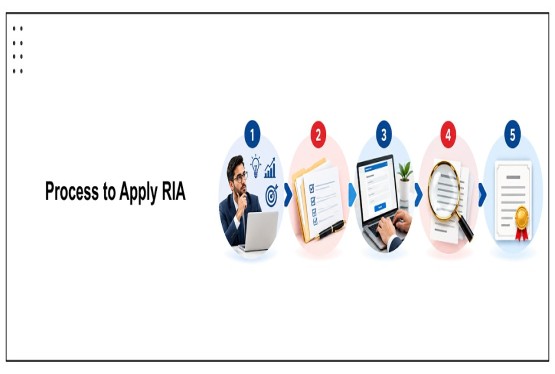
Process to Apply for SEBI RA Registration
Step 1: Check Applicability
The first step is to check whether the proposed activity requires SEBI RA Registration. If the applicant intends to provide paid research services, research reports, securities recommendations, stock analysis or model portfolio services, registration may be required. If the applicant only provides general educational content without any recommendation or paid research service, the requirement may differ. Proper legal assessment should be done before starting business.
Step 2: Choose the Applicant Structure
The applicant must decide whether to apply as an individual, partnership firm, LLP, company or body corporate. The structure affects documentation, compliance requirements, fee, deposit, officer appointment and governance responsibility. For professional and scalable research businesses, LLP or private limited company structure is often preferred. For individual research professionals, individual registration may be suitable.
Step 3: Review Qualification and Certification
Before applying, the applicant must check whether the principal officer, research analyst and associated persons satisfy qualification and certification requirements. If certification is pending, it should be completed before filing the application. Valid certification is essential because the application may not move forward if qualification or certification requirements are not met.
Step 4: Prepare Business Object
The business object clause should support research analyst activity. In the case of a company or LLP, the object clause should include securities research, financial research, investment research, market analysis or related services. If the object clause does not include such activity, amendment should be completed before filing. This avoids objections during scrutiny.
Step 5: Arrange Financial Requirement
The applicant must arrange the prescribed net worth or deposit requirement as applicable. The financial requirement should be supported by proper certificate, bank confirmation or proof. This is an important part of the application because it shows that the applicant has adequate financial capacity and regulatory commitment.
Step 6: Prepare Documents
The applicant should collect all documents, including KYC, business registration documents, qualification proof, certification proof, experience details, net worth or deposit proof, declarations, policies, infrastructure details and authorization documents. All documents should be clear, updated and consistent. Any mismatch may lead to queries.
Step 7: Create Login and File Application
The application is filed through the applicable intermediary registration platform or process specified by the authority. The applicant must create login credentials, fill the prescribed form, upload documents and pay the application fee. The application should be filed carefully because incomplete submissions can delay registration.
Step 8: Scrutiny of Application
After submission, the application is reviewed by the concerned authority. The review may include checking eligibility, documents, certification, financial requirement, fit and proper status, infrastructure, policies, business plan and declarations. If any clarification is required, queries may be issued. The applicant must respond within the prescribed timeline with proper documents and explanations.
Step 9: Payment of Registration Fee
After the application is found satisfactory, the applicant may be asked to pay the registration fee. The registration fee depends on the applicant type, such as individual, partnership firm, LLP or body corporate. After payment, the certificate of registration is granted.
Step 10: Start Operations After Registration
The applicant should start research analyst activities only after obtaining registration. After registration, the RA must comply with applicable regulations, code of conduct, disclosure norms, audit obligations, website requirements, client terms and record maintenance rules. Registration is not the end of compliance. It is the beginning of ongoing regulatory responsibility.
SEBI RA Registration Fees
Application Fee
The applicant must pay an application fee at the time of filing the application. The fee may differ based on whether the applicant is an individual, partnership firm, proxy advisory firm, LLP or body corporate. The application fee is generally non-refundable and is paid for processing the application.
Registration Fee
Once the application is approved, the applicant must pay the registration fee. Registration fee also differs based on applicant category. Only after payment of registration fee is the certificate of registration granted. Applicants should check the latest fee schedule before filing because fees may be revised from time to time.
Other Costs
Apart from statutory fees, the applicant may incur costs for certification exams, documentation, entity incorporation, object amendment, professional assistance, deposit creation, net worth certificate, website setup, compliance policies, audit and post-registration compliance. A proper cost estimate should be prepared before starting the application process.
Important Compliance After SEBI RA Registration
Client Consent and Terms
Research Analysts must disclose terms and conditions of research services to clients and obtain consent. These terms should explain scope of services, fees, risk, limitations, grievance process, conflict disclosure and other important conditions. Consent may be obtained through legally acceptable modes. Proper client consent protects both the RA and client.
Website Requirement
A registered Research Analyst must maintain a functional website with specified details. The website should contain registration details, contact details, grievance redressal information, disclosures, investor charter, terms and conditions and other required information. The website should be updated regularly. Incorrect or outdated website information may create compliance issues.
Research Report Compliance
Research reports must be based on proper analysis, data and methodology. They should include required disclosures, risk factors, conflict of interest statements and assumptions. A Research Analyst should not issue misleading or exaggerated research. Every recommendation should be supported by reasonable basis and records.
Advertisement Code
Research Analysts must follow advertisement and marketing rules. They should not make guaranteed return claims, misleading performance claims or exaggerated statements. Advertisements should be fair, clear and not deceptive. Any promotional material should be reviewed from a compliance perspective before publication.
Record Maintenance
RAs must maintain records of research reports, client communications, disclosures, public appearances, recommendations, complaints, agreements, consent and compliance documents. Records must be maintained for the prescribed period. Record maintenance is important because the regulator or supervisory body may inspect records or ask for information.
Audit Requirement
Registered Research Analysts must comply with audit requirements. Audit helps confirm whether the RA is following applicable regulations, client-level segregation, disclosure norms, record maintenance, fee rules and code of conduct. Any adverse audit finding should be reviewed and corrective action should be taken promptly.
Grievance Redressal
RAs must have a proper grievance redressal mechanism. Client complaints should be recorded, tracked and resolved within the prescribed time. Complaint handling is an important part of investor protection. The RA should display grievance contact details and escalation mechanism on its website.
Recent Updates for Research Analysts
Supervisory Body Context
The supervisory body context has made administration and supervision of Research Analysts more structured. Applicants and registered RAs may need to follow additional processes, circulars, forms and compliance requirements issued under this context. This has made supervision more organized and industry-focused.
Deposit Requirement
Deposit-linked requirements have added a financial compliance responsibility for Research Analysts. RAs must maintain the applicable deposit and update it when the client count changes. This makes client tracking and financial planning important for every Research Analyst.
AI Tool Disclosure
If a Research Analyst uses Artificial Intelligence tools in providing research services, disclosure may be required. The RA remains responsible for the quality, confidentiality, security and accuracy of research services, even if technology tools are used. This is important for fintech research platforms using automated models or AI-based analytics.
Model Portfolio Guidelines
Research Analysts offering model portfolio services must follow applicable guidelines. Model portfolios should be supported by research, proper disclosures, suitable presentation and compliance with specified requirements. The RA must maintain records and ensure that model portfolio communication does not mislead investors.
Client-Level Segregation
RAs must comply with client-level segregation requirements where research and distribution activities exist within the same group or family. This is intended to reduce conflict of interest and protect investors. Proper monitoring and annual certification may be required.
Common Mistakes in SEBI RA Registration
-
Applying Without Certification: Many applicants start the process without completing the required certification. This delays the application. Certification should be completed before filing.
-
Wrong Business Object: For companies and LLPs, if the object clause does not permit research analyst services, the authority may raise a query. Object amendment should be completed before application.
-
Incomplete Documents: Incomplete KYC, missing declarations, outdated net worth certificate, unclear qualification proof or incomplete policies can delay approval. Documents should be reviewed carefully.
-
Weak Compliance: Some applicants focus only on registration and ignore post-registration compliance. The applicant is expected to have systems for disclosures, record maintenance, grievance handling, audit and client consent.
-
Misleading Business Model: Applicants should clearly explain whether they provide research services, advisory services, educational content, distribution services or execution support. Mixing services without proper segregation may create compliance concerns.
Benefits of SEBI RA Registration
-
Legal Permission: SEBI RA Registration gives legal permission to provide research services in the securities market. It protects the applicant from the risk of operating an unregistered research business.
-
Better Credibility: A SEBI-registered Research Analyst enjoys better credibility among clients, investors and market participants. Registration shows that the person or entity meets regulatory standards.
-
Professional Growth: Registration allows the applicant to build a professional research business, publish research reports, serve clients, create model portfolios and expand legally.
-
Investor Trust: Clients are more likely to trust registered Research Analysts because they are regulated and required to follow disclosures, code of conduct and grievance redressal norms.
-
Reduced Legal Risk: Operating without registration may lead to regulatory action. SEBI RA Registration reduces legal risk and supports compliant business operations.
Conclusion
SEBI RA Registration is mandatory for any person, firm, LLP, company or fintech platform that wants to provide paid research services, research reports, securities analysis, stock recommendations or model portfolio services in India. Since research recommendations can directly influence investor decisions, SEBI regulates this activity to ensure transparency, qualification, accountability and investor protection. The registration is governed by the Research Analysts Regulations and related guidelines issued from time to time.
The application process includes checking eligibility, meeting qualification and certification requirements, selecting the right business structure, preparing documents, arranging financial requirements, filing the application, responding to queries and paying registration fees. After registration, the Research Analyst must follow ongoing compliance such as disclosures, client consent, record maintenance, website updates, audit, grievance handling, advertisement rules and code of conduct. A properly prepared application helps reduce delays, avoid regulatory risk and build a credible research business in India.
Frequently Asked Questions (FAQs)
Q1. What is SEBI RA Registration?
Ans. SEBI RA Registration is a certificate granted to eligible persons or entities to act as Research Analysts in India. It allows them to provide paid research reports, stock analysis, securities recommendations and market-related research services legally.
Q2. Is SEBI RA Registration mandatory?
Ans. Yes, SEBI RA Registration is mandatory for any person, firm, LLP or company that provides paid research services, stock recommendations, securities analysis, research reports or model portfolio services to clients or the public.
Q3. Who can apply for SEBI RA Registration?
Ans. Individuals, partnership firms, LLPs, companies and body corporates can apply for SEBI RA Registration. The applicant must satisfy the required qualification, certification, financial, infrastructure and fit-and-proper criteria.
Q4. What qualification is required for SEBI RA Registration?
Ans. The applicant or principal officer should generally have the prescribed qualification in finance, commerce, economics, business management, capital markets, securities market or related professional fields, along with the required certification.
Q5. Is NISM certification required for Research Analyst registration?
Ans. Yes, NISM certification or any other certification specified by SEBI is generally required for the applicant, principal officer and persons associated with research services. The certification must remain valid.
Q6. Can a company or LLP apply for SEBI RA Registration?
Ans. Yes, a company or LLP can apply for SEBI RA Registration if its object clause allows research analyst or securities research activities and it has qualified and certified persons to carry out research services.
Q7. What documents are required for SEBI RA Registration?
Ans. Common documents include application form, PAN, address proof, business registration documents, qualification proof, certification proof, experience details, financial proof, deposit proof, infrastructure declaration, fit and proper declaration and compliance policies.
Q8. Can a SEBI Registered Research Analyst charge fees from clients?
Ans. Yes, a SEBI Registered Research Analyst can charge fees for research services, subject to applicable rules, proper disclosure, client consent, terms and conditions and compliance with fee-related requirements.
Q9. What compliances are required after SEBI RA Registration?
Ans. After registration, a Research Analyst must maintain records, issue proper disclosures, follow the code of conduct, maintain a website, handle grievances, comply with advertisement rules, conduct audit and follow ongoing regulatory requirements.
Q10. What happens if someone gives paid stock recommendations without registration?
Ans. Providing paid stock recommendations or research services without required SEBI RA Registration may attract regulatory action, penalties, business restrictions and reputational risk.