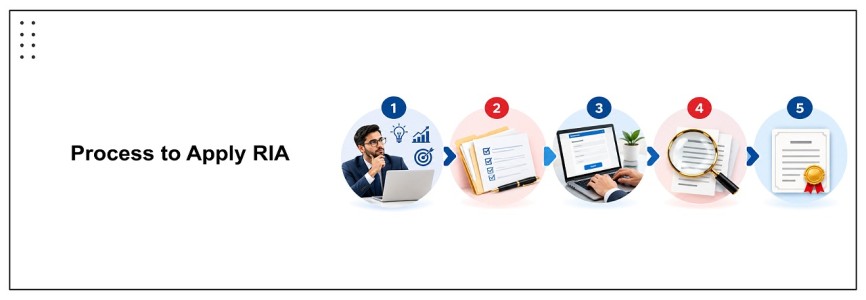



How to Invest in Shares Step by Step. Use the search tool below to find a licensing agency for investment advisers. Douglas's web site also provides links to investment adviser registration checklists, which: Investment adviser registration information Investment adviser data. Investment Adviser (investment advising) is probably one of the most overlooked categories of financial service providers. A Guide to Starting an Investment Advisory Firm in India to get your advisory firm started, you will need to be prepared in terms of experience, credentials, business structure, documents, financial governance of client funds, money laundering rules etc. applicants need to be aware of the process to obtain registration and type of advice to be given post approval.
Investment Adviser registration is regulated by Securities and Exchange Board of India (Investment Advisers) Regulations, 2013 and subsequent amendments, which are regulation notified Investment Adviser Application Process is presently overseen by BSE Limited as the Investment Adviser Administration and Supervisory Body, often called as IAASB, Investment Adviser Application process is carried on by BSE Limited who evaluates the applications and recommends the necessary to SEBI for registration. The first two sections are ordered in the flow of the process and includes the process before filing, as well as the arrangements for compliance on the conclusion.
What Is Investment Adviser Registration?
What is an Investment Adviser? Investment Adviser registration allows a person or organization to be able to perform investment advisory services within a given regulator. An adviser shall adhere to the rules on interests of clients, disclosure, recordkeeping and risk profiling. Advising on investments investment opportunities, such as securities or investment products, or an investment portfolio proposition in the context of the client's individual circumstances. Advisers might recommend a specific investment strategy, having taken into account a client's financial situation, investment time frame and attitude to risk.
Applicants must clarify what specific services they will provide to clients, and how these can be differentiated from research, distribution, education, or portfolio management. There are separate considerations relating to regulation for each of these activities.
Step 1: Identify whether the activity you are proposing needs registering
Business model review the initial stage involves review of your suggested business model. You need to consider if you are looking to offer personalised investment advice for consideration, and if these services fit within the definition of Investment Advisers. The evaluation must include what clients get, the way ideas are offered and also exactly how business makes a profit. The solution may be a type of mentoring or economic education yet still needs to be examined if it provides tailored securities suggestions.
Clients may also need to check whether any specific exemption is available. An exemption should be relied upon by reference to the limits and nature of the particular business activity, not by virtue of the fact that the person has another profession.
Identify the Nature of the Advice
Explain what the service will require: Is it investment advice only?
Allocating investments?
Recommend investments?
Or investment reviews?
Tell us if it is a new or existing service – it will be easier for the FCA to decide whether or not your business is FCA regulated if this is specified.
Examine the Charging Model
Explain how the applicant will be paid for the services. Charges for Advisory services can be taken as consultation charges, membership or subscription, or other arrangements. These arrangements should be evaluated by the business in combination with the type of services provided.
Distinguish Other Financial Activities
A business combining research, distribution or other financial services with advice should consider these activities separately. The application should describe what arrangements there are and how any potential conflicts will be dealt with.
Step 2: Select the Appropriate Business Structure
The most important step for a startup is to choose between a sole proprietorship, partnership firm, LLP or company. Each decision will impact ownership, staffing, documentation, cost and growth. One structure may be suitable if the practice is expected to be run by one adviser working directly in the practice. A partnership or other type of entity structure may be suitable if the practice has more than one professional working in the practice or if the intention is to grow the practice into a large enterprise.
The structure should be appropriate for the contemplated operations. If an entity is created without a disclosure of the advisory personnel and compliance responsibilities, the application may have critical gaps.
Individual or Sole Proprietor
A sole proprietor may make an application on the same basis as an individual, provided that the potential applicant satisfies the same qualification, certification and other registration requirements.
Partnership Firm
Apply for partnership and complete partnership records. The partnership applicant will: ensure the partnership records are organised and supply details of which partner was appointed as principal officer. All of the partners giving investment advice will: meet the relevant qualifications and certification requirements.
Company or LLP
Incorporate Prepare the company's or LLP's incorporation and constitutional documents, ownership information and authorisations. And do the appropriate identification of the eligible personnel conducting advisory activities. Incorporation does not mean you will be eligible to be registered as an Investment Adviser.
Step 3: Verify Educational Eligibility
The eligibility summary is based on old criteria; please make sure you consider yourself against current rules. There has been some easing of the qualification criteria, and the experience requirement has been dropped. The currently offers an entry route based on a graduate degree or equivalent, together with appropriate certification. It also recognises the specified NISM postgraduate programmes, subject to the applicable conditions for these routes.
Qualifications review should be on individual applicant, principal officer and other people connected with investment advice. For partnerships, any partnering adviser on practice run should also be examined.
Review Qualification Documents
Students need to assemble certified copies of degree certificates or other supporting documents. The information on Identification, educational and certification documents should match. Disparities should be verified with the legitimate reasons/records.
Assess Each Relevant Person
An entity should ensure that eligibility is verified for each person who is required by the qualification framework to participate in the activity in question. It should not presume that the eligibility of one director or partner extends to all advisory staff.
Step 4: Obtain the Applicable Certification
Examination Route Those appearing through the examination route would require the appropriate NISM Investment Adviser certification courses such as NISM-Series-X-A: Investment Adviser Level 1 and NISM-Series-X-B: Investment Adviser Level 2. Different initial certification treatments may apply for certain postgraduate programme pathways. It is recommended that applicants confirm the qualification pathway prior to planning for examinations.
Earning a qualification and being registered are two entirely different matters. Qualification alone does not automatically entitle an individual to start an Investment Adviser registered business.
Initial Certification
Applications should fulfil requirements for entry-level certification and have current valid certificates. Testing should be scheduled well enough in advance to prepare for the test, obtain results, and take the test again if necessary.
Certification Renewal
The renewal path applicable to held Valid X-A and X-B Certificate can be considered including NISM-Series-X-C. Those chose renewal Path must be done before expiry so that advisory personnel remains continuously compliant.
Certification for Advisory Personnel
The entity needs to be able to produce a list of people who need certification, certificates they hold, and expiry dates of certificates. This will prevent different levels of cover being missing when people join, change roles, and leave.
Step 5: Designate the Principal Officer and Identify Roles
The non-individual applicant should appoint a principal officer and confirm that the individual satisfies the relevant requirements. The appointment should indicate the individual will genuinely be responsible for the investment advisory business.
The applicant should also define who will be responsible for the advice, reviewing client information, handling of complaints and monitoring the applicant's compliance with regulatory requirements. This should be consistent throughout the application, business plan and internal records.
Principal Officer's Role
Describe the main officer's role in managing the advisory business and its regulatory responsibilities. The role should be documented and readily available for the main officer to reference. The applicant should be able to explain how the individual will be involved in the advice activities.
Advisory Team Responsibilities
You should identify who is giving advice to customers and separates the role from any admin, support or other functions. The proposed operating structure is easier to follow with clear reporting lines.
Compliance Responsibilities
The applicant will need to state who will oversee management of compliance work and who will manage regulator contact. These processes should be realistic for the size and services of the business.
Step 6: Prepare a Detailed Business Plan
Business plan outlines how the applicant plans to run its advice business. It should include a description of the services to be offered, types of clients, how the business will generate income, and the staff, resources and processes to deliver advice.
A business plan should translate the service vision into the resources and controls needed to deliver the service. Waffle about delivering good financial advice is not enough if the reader doesn't understand how clients will be identified and recommendations formulated.
Define the Proposed Services
The applicant should describe the services offered explicitly such as investment planning, asset allocation planning, portfolio review service, on-going consultation or a specific periodical review of the portfolio. It should be specific on what the client will get.
Identify the Target Clients
The proposal should describe the types of client groups to be served and demonstrate how the practice will meet their requirements. Client needs, the complexity of the service and the proposed staffing should be addressed concurrently.
Explain the Fee Model
The plan would want to lay out how the fees would be charged and collected under the regulation. It should also explain how fees would be separated from advisory income and used to address conflicts.
Describe the Advisory Process
The applicant should describe how the customer will be on boarded, and how information will be gathered to form the basis of recommendations. The plan should also outline how advice and the reasoning for it will be recorded.
Explain Infrastructure Arrangements
The company should also consider its office accommodation, communications, secure record keeping and appropriate technology. Infrastructure should be appropriate to the services to be provided and the number of clients expected.
Step 7: Prepare the Required Documents
The following list of documents should be submitted along with the present application form and a copy of the BSE checklist. The records of identity, constitution, ownership, qualifications, certifications, personnel and proposed business should be sorted.
As part of the document creation process, there should be a consistency check. Names, addresses, responsibilities, activities, should match the application and the supporting records.
Documents for Individuals
Prepare to provide PAN, proof of identity, proof of address, educational records and proof of qualification documents. Be prepared to provide employment details, details of other interests and regulatory history.
Documents for Partnerships
The partnership must arrange the deed, details of the business, partner information and authorisation where applicable. Records of qualification and certification to validate the correctness of the principal officer and advisors.
Documents for Companies and LLPs
Details of principal officer and other advisory persons should be gathered along with details of ownership, and incorporation and constitutional documents, authorisation and particulars of directors or partners.
Declarations and Disclosures
Answer the disclosure questions carefully. If a question requires a brief statement as to the circumstance, try to give a short, concise narrative, with relevant details and evidence to hand. Failure to do so can lead to increased questioning, and questioning of the evidence.
Step 8: Arrange the Regulatory Deposit
The investment adviser shall keep the required deposit in accordance with the client-based framework in force. The permitted forms of deposit are presently a scheduled-bank deposit or the eligible liquid or overnight mutual fund units with the required lien in favour of the IAASB.
Additional deposits are not included in the application fee, registration fee, or operating fund. Please follow the instructions of the BSE with regards to the instrument, lien and proof.
Deposit for Up to 150 Clients
Deposit prescribed for the covering of the slab upto 150 clients is 1 lakh. New applicant to follow orders issued for starting and recording of its initial deposit.
Deposit for 151 to 300 Clients
The amount that is to be deposited has also been indicated. The prescribed deposit for 151 to 300 clients will be 2 lakh. An adviser should keep a check on his number of clients, and how the number of clients is growing, and decide at which point an adjustment needs to be made.
Deposit for 301 to 1,000 Clients
Prescribed deposit for 301 to 1000 clients 5 lakh. Growth should be a function of the right operating resources in place and assessment of all other requirements that could be placed on the adviser.
Deposit for 1,001 or More Clients
The deposit for over 1,001 clients is 10 lakh. Entities with a greater number of clients should have proper client records for deposit determination.
Review of the Deposit
The guidance ties deposit review to the highest number of clients on any day in the previous financial year and the adjustment should, in the ordinary course, be made by 30 April in the next financial year. The adviser should keep evidence of the assessment and adjustment made.
Step 9: File the Application Through BSE
The candidate may submit the prescribed application and references to evidence produced through IAASB facility set up by the BSE. Applicants are advised to use current registration route than older ones that refer to former systems.
Review the application as a whole before it is filed. (file as one document set). (Within the practice application-legal structure, personnel, and services, qualifications, and the business plan should provide a harmonious/ cohesive story about the proposed practice).
Complete the Application Fields
5.1.2 Answer each field with a full and accurate response. If an answer is to be supported by documentation, such records should clearly corroborate what has been input.
Upload Supporting Records
Uploaded documents must be clear, neat and adhere to the uploading formats and file sizes stipulated in the application guidelines. The scanning and uploading of files must be accurate, don't submit fuzzy scans or missing pages.
Retain Submission Evidence
Retain the application reference, which may have been previously submitted to a department; retain the documents submitted along with your application and everything you have declared along with your receipts and payments. This will allow you to readily answer any questions or view any revisions.
Step 10: Pay the Applicable Fees
The SEBI fees were different according to the category of applicant. This needs to be distinguished from the BSE Admin fees, the statutory deposit and operational/ professional charges.
Fees for Individuals and Firms
The published SEBI fee schedule of 2,000 for application fee and 3,000 registration fee for individuals and firms for the first five years. Thereafter, 1,000 for next five years.
Fees for Body Corporates and LLPs
The published fee for a body corporate /LLP to apply to be registered with the Social Workers Registration Board is 10,000. The registration fee payable for a first registration for the body corporate/LLP for a first five-year term will be 15,000. The fee payable for subsequent registration will be 5,000.
Additional Charges
Candidates should verify the most recent IAASB administrative fee, payment processes, and how they will pay their taxes. Candidates should also include certification, deposit configuration, technology, and prep fees in the registration budget.
Step 11: Respond to Scrutiny and Clarifications
The BSE Evaluation might ask questions and request for clarification, revised documents or evidence from the applicant. The applicant should be aware of the communication issued by the BSE Evaluation and observe the deadline.
An answer to your demand need to be connected to the details of the demand. Such as an understanding about a concern looking for. To know about a concern, the response needs to be based upon the relevant papers.
Prepare Clear Replies
Just answer the question. If you are asked for an attachment, include the attachment mentioned in the answer when asked. Do not include a canned answer do not contain in the question.
Update Related Documents
If one clarification could change personnel, services, or other substantive part of the proposal, check the other related documents to ensure that all of them match each other. An inconsistency in another part of the proposal might raise more questions.
Maintain a Query Record
Hold on to all the questions, answers and attachments. This way the applicant can trace what questions have been left unanswered and compare subsequent responses.
Step 12: Finalize Approval Process and Register
On the basis of the assessment, IAASB suggests that the qualified applications are submitted to SEBI. The applicant has to comply with the remaining as indicated to him like payment, submission of deposit proof, or further affidavits.
Acceptance, remittance or recommendation is not the certificate of registration. Before doing anything that requires registration, the applicant should verify the validity of the issued certificate and conditions specified on it.
Verify Certificate Particulars
Confirm the registered name, reg number, address, etc of the matter. Any inaccuracy must be corrected at once for it to be shown correctly on client papers and correspondence.
Understand Continuing Validity
Subject to periodic fees and continued compliance, unless suspended or cancelled, the registration in itself remains 'live' for five years. We think it is important to distinguish the five-year fee cycle from an automatic expiry of the certificate.
Step 13: Prepare Client Onboarding Arrangements
Pre-?Application Arrangements Before commencing any services, the adviser should have written arrangements including all agreements, client information documents, risk assessment procedures, suitability assessment procedures and fee structures. Such arrangements should be appropriate to the nature of the services being applied for.
Client Agreement
Information on the nature of services, charges and terms should be provided within the agreement. Client agreement should be signed prior to any charge being applied and investment advice being provided.
Client Information Collection
The adviser should collect enough information to identify the situation and proposed transaction. The amount of information available will impact upon the advisers ability to carry out an appropriate risk assessment and suitability assessment.
Risk Profiling
Risk profiling should take into account the client's circumstances and the client's attitude and capacity to bear risk. It should be a part of the information necessary to compile the advice, rather than a tick-box exercise.
Suitability Assessment
The adviser should be able to relate every recommendation made to the client and his or her goals. It should provide grounds as to why the recommendation made is appropriate and explain the risks involved.
Complaint Handling
It must be obvious to clients how they can complain, how you will record and handle the complaint. It should be simple for clients to identify what steps they need to take if they want to complain.
Step 14: Establish Ongoing Compliance
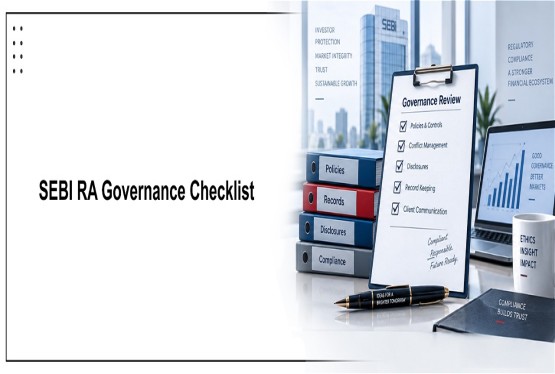
Registration introduces continuous obligations. Such a calendar can encompass deadlines for certification expiration, recurring fees, deposit safeguards, filings, audits and other variations to the business's information.
Recordkeeping
The adviser has to retain customer information, risk profiles, suitability calculations, agreements, the advice and record of why the advice was given. The rules for keeping records are as in the previous guide, with the minimum record keeping period being (at the moment) five years.
Annual Compliance Audit
The adviser will establish the required yearly compliance audit. The results of the audit may be reviewed, as appropriate, and action to be taken should be recorded, with submissions for approval prepared in accordance with the most recent instructions.
Certification Monitoring
Maintain a record of certificates, expiry date of the certificate and renewal date for each person. Plan for renewal before due date.
Monitoring Business Growth
For Individual Adviser:An individual adviser should be watching the client number as well as fees threshold. The specified transition process towards non individual registration will be activated if one exceeds 300 clients or 3 crore per annum fees. These criteria should be kept in mind while planning for growth.
Changes in Business Particulars
Any change of ownership, individuals, operation, or other material information should be considered for reporting or approval. The integrity of internal records and regulators' data.
Common Mistakes During Registration
Issues faced: Ongoing eligibility information not provided; misaligned documents and business plans that fail to specify the service. Candidates mix up certifying and registering; treat the regulatory deposit as a registration fee.
A carefully thought out application will link the structure, people, services and documents. All parts of the application should relate to the same proposed business and relate how it will work.
Conclusion
To apply for registration as an Investment Adviser, you are required to provide information about your structure, professional qualifications, requirements for certification and supporting evidence. How to complete your application You will need to prepare all the sections of your application to reflect the specific activities that your business plans to undertake and ensure they relate to your proposed advisory business as described in your business plan. You must explain what services you plan to provide and to whom.
Registered as the foundation An adviser should be preparing to take ongoing responsibilities post-registration. Tried, tested and documented procedures for collecting and recording client information, risk profiling and documenting prudence and suitability and recommendation make a good basis for a quality ongoing business. Relying on well-written agreements, accurate client records, up-to-date certifications and good ongoing reviews will allow an ongoing model of business to sustain. Using registration as a starting point for a continued compliance system will allow advisers to run a sustainable long-term business that is in consumers' best interests.
Frequently Asked Questions
Q1. Is the regulatory deposit to be included when computing the first-year deposit?
Ans. No. The regulatory deposit is not to be included in the first-year deposit computation, registration fees, application fees and other administrative fees.
Q2. Is it possible for an applicant to commence providing advisory services before the application has been granted?
Ans. Filing an application does not give the right to the applicant to carry out any activity which requires registration.
Q3. How Can an Investment Adviser Registration Application Be Rejected?
Ans. Yes. An application can be refused if the applicant is not eligible for it or the relevant information does not reach the authorities in the satisfactory manner. Good documents, disclosures and clear answers to the enquiries enable the authorities to process the application.
Q4. Do Investment Advisers Have to Evaluate Every Client's Risk Tolerance?
Ans. Yes. The adviser has to be satisfied that the advice given to the client is suitable, in the light of circumstances, such as financial goals, time scale and ability to accept a loss.
Q5. Is an Individual Entitled to Apply for Investment Adviser Registration?
Ans. Yes. A person can be granted a letter of permission subject to he/she satisfies the qualification, certification and other registration requirements as may be applicable.
Q6. Is Company Incorporation Compulsory?
Ans. No. The registration is open to various applicant patterns. Further the suitable pattern can be used as per business plan and any requirement.
Q7. Can You Initiate Delivery of Investment Advice with NISM Certification?
Ans. No. There is a distinction in the certification and regulatory registration. The prescribed activities which needs to be registered are to be started only after the approval.
Q8. Can LLPs only come under the applicable non-individual structure?
Ans. Yes, LLPs can come under the applicable non-individual framework if the necessary conditions are fulfilled.
Q9. Is There a Guaranteed Approval Timeline?
Ans. Grant of same should not be taken as granted within prescribed period. The process depends on completeness of application and examination and clarification if needed.
Q10. Do registered advisers have to comply with all these requirements?
Ans. No. Registered advisers should still adhere to the relevant operational, reporting, certification, recordkeeping and compliance standards.