


Trademarks help businesses protect their brand identity, they make it easy to tell your products or services apart from everyone else's, build lasting customer trust, and prevent confusion in the market. The symbols ™ and ® are commonly used with brand names, logos, or slogans. The ™ symbol shows that the owner claims the mark as their trademark, even though it is not yet officially registered or registration is still in process, offering basic protection through use. The ® symbol, on the other hand, means the trademark has been fully registered with the government, providing strong legal protection. Businesses should use ® only after official registration to avoid penalties, while ™ is safe for unregistered or pending marks. Proper use of these symbols helps companies safeguard their brand, stay out of legal trouble, and grow confidently.
TM (™) Symbol
The ™ symbol stands for “trademark” and shows that the owner is claiming rights to a specific mark. It can be used whether the trademark is unregistered or whether an application for registration has already been submitted but is still pending.
No official registration is needed to place the ™ symbol next to a brand name, logo, or slogan. It acts as a clear public statement that the owner intends to protect the mark, which can discourage others from copying it. In court cases, using ™ helps prove that the business has been using the mark earlier under common law principles. Many companies use it in the early phase of building their brand to establish recognition while they wait for formal registration.
In the case of N.R. Dongre v. Whirlpool Corporation (1996), Whirlpool was a well-known international brand, and Indians already recognized the name from advertisements even though the company was not actively selling washing machines in India then. An Indian business started selling machines using the same “Whirlpool” name to benefit from that reputation. The Supreme Court stopped them, saying people would assume the product came from the real Whirlpool company. The Court explained that brand reputation itself creates rights, even without registration.
The ® Symbol
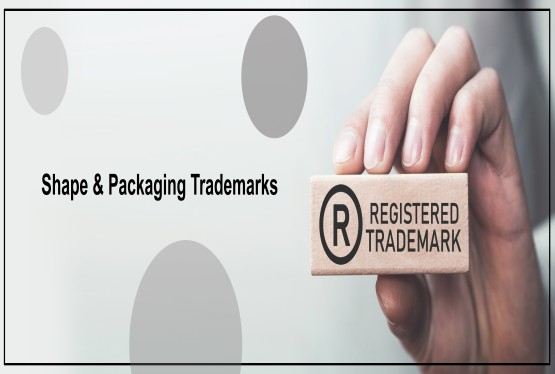
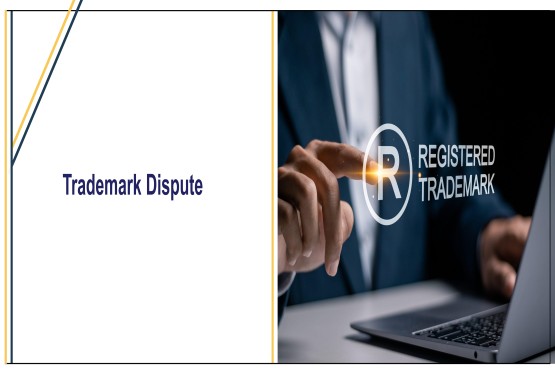
The ® symbol means “Registered Trademark.” It tells everyone that the brand name, logo, or slogan has been officially approved and registered with the Trademark Registry under India’s Trade Marks Act, 1999.
Once a trademark gets this registration, the owner receives clear legal ownership rights over it for the specific products or services listed. This gives the mark a strong presumption that it is valid, so the owner doesn’t have to prove everything from scratch in court.
With ® status, it becomes much easier for the owner to take action against anyone who copies or misuses the mark. They can more readily get court orders to stop the infringement, claim monetary damages, ask for an account of the profits made by the infringer, or even demand that fake goods be handed over or destroyed.
In the case of Cadila Health Care Ltd v. Cadila Pharmaceuticals Ltd (2001), Two medicine companies sold anti-malarial drugs named “Falcigo” and “Falcitab”, which sounded very similar. Doctors or patients could easily confuse them, leading to dangerous health consequences. The Supreme Court ruled that registered trademarks must be protected strictly, especially in medicines, and even small similarity is not allowed. The company with the registered mark got protection without proving actual harm.
Difference between the ™ symbol and ® symbol
TM (™) Symbol
The ™ symbol stands for “Trademark” and is used when a business claims a word, logo, design, slogan, or any mark as their own, even if it isn’t officially registered yet. You can start using ™ as soon as you begin using the mark in your business or after filing an application with the Registrar of Trademarks in India.
It serves as a public notice that you’re asserting your rights and acts as a deterrent to potential infringers or counterfeiters. Businesses often add ™ during the early stages to show they’re treating it as a trademark whether the application is pending or not yet filed.
In India, trademarks are classified into 45 classes (1–34 for goods and 35–45 for services), and ™ can be used freely across any of these classes once you claim or apply for the mark. It provides some basic protection based on prior use under common law, but it’s not as strong as full registration.
R (®) Symbol
The ® symbol (capital R inside a circle) stands for “Registered Trademark” and can only be used after the trademark has been officially approved and registered by the Registrar of Trademarks under the Trade Marks Act, 1999. Once you receive the registration certificate, you gain exclusive statutory rights over the mark for the specified goods or services. This gives stronger legal protection, including a presumption of validity, easier court enforcement against infringers (such as injunctions, damages, or seizure of fake goods), and better defence against unauthorized use. Using ® before actual registration is illegal and can result in penalties. It’s not compulsory to display ®, but when used correctly, it clearly shows the mark is fully protected by law and warns others against copying it.
When to use ™ and ® Symbol in India
When to Use the ™ Symbol in India
Use the ™ symbol as soon as you start using your brand name, logo, slogan, or design in business or right after filing a trademark application. No registration is needed.
It’s perfect for startups, new brands, or while your application is under review, facing objections, or waiting for approval.
Adding ™ tells others you’re claiming rights to the mark and helps discourage infringers. It gives basic protection through use without any legal risk.
When to Use the ® Symbol in India
Use the ® symbol only after the Trademark Registry officially grants registration, issues the certificate, and records the mark in the Register. Apply it only to the exact goods or services covered by that registration.
Do not use ® before approval or for anything outside the registered scope this is illegal and can lead to penalties. Once registered, add ® to packaging, labels, ads, websites, and marketing materials. It clearly shows your brand is legally protected, builds customer trust, and strengthens your brand’s credibility.
Conclusion
The ™ and ® symbols are key tools for protecting your brand in India's busy market. The ™ symbol lets businesses claim their mark early, even if it's not registered yet or the application is still pending. It gives basic protection through use and warns others away, with no legal risk at all. The ® symbol, however, brings much stronger rights, but only after official registration under the Trade Marks Act, 1999. It makes it easier to win in court, proves your ownership, and helps stop infringers effectively. Use ™ freely from the beginning and save ® strictly for after you get the registration certificate to avoid any penalties. When used the right way, these symbols build customer trust, stop confusion, and help your brand grow with confidence.
FAQs
Q1. What's the main difference between the ™ and ® symbols?
Ans. The ™ symbol is like a casual claim: it shows you're saying "this brand is mine," even if it's not officially registered yet. It's great for startups building recognition. On the flip side, ® means your trademark is fully registered with the government, giving you stronger legal muscle to fight off infringers. Basically, ™ is a heads-up, while ® is the real deal with official protection.
Q2. When can I start using the ™ symbol for my brand in India?
Ans. You can slap ™ next to your logo, name, or slogan right away as soon as you start using it in your business or file an application. No need for approval; it's a simple way to tell the world you're claiming ownership and scare off potential imitators. It's especially handy for new brands while waiting for registration.
Q3. When is it okay to use the ® symbol, and what if I use it too soon?
Ans. Only switch to ® after you get the official registration certificate from India's Trademark Registry it's your green light for exclusive rights. Using it earlier is a no-go; it's against the law and could land you in hot water with penalties for misleading people. Once approved, it boosts your brand's cred and makes enforcing rights easier.
Q4. Do I have to use ™ or ® symbols all the time with my trademark?
Ans. No, it's not required your trademark is still yours without them. But adding the right one (™ for claims, ® for registered) is smart because it warns others off and shows you're serious about your brand. Many businesses skip it, but it can make copycats think twice before ripping you off.
Q5. What happens if my trademark registration gets delayed can I still use ™?
Ans. Absolutely, keep using ™ during delays like objections or oppositions; it keeps signalling your claim without any legal hassle. Once registered, most folks upgrade to ® for that extra protection vibe, but sticking with ™ in some spots is fine if it suits your style. It's all about building trust while the process plays out.


_(b)_of_the_Trademark_Act,_1999_(1)_crop10_thumb.jpg)


_crop10_thumb.jpg)


_crop10_thumb.jpg)
_crop10_thumb.jpg)


_crop10_thumb.jpg)


_crop10_thumb.jpg)


_crop10_thumb.jpg)


_crop10_thumb.jpg)


_crop10_thumb.jpg)


_crop10_thumb.jpg)


_crop10_thumb.jpg)


_crop10_thumb.jpg)


_crop10_thumb.jpg)








_crop10_thumb.jpg)




































_crop10_thumb.jpeg)