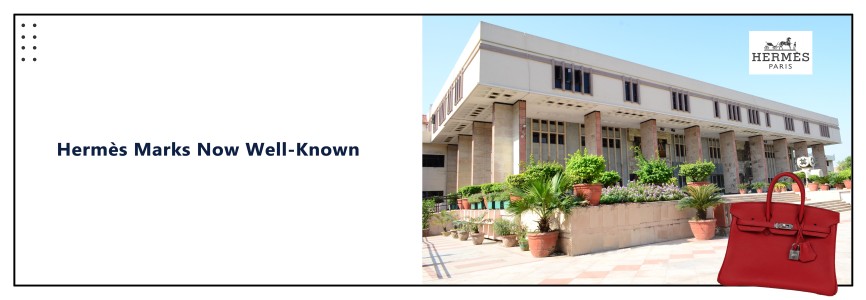



In a landmark judgment strengthening the protection of luxury brands in India, the Delhi High Court has declared the iconic Birkin bag shape and three additional trademarks of Hermès as “well-known trademarks” under the Trade Marks Act, 1999. This decision reinforces India’s growing commitment to safeguarding high-end fashion, luxury goods, and globally recognized brand identities from counterfeiting and misuse.
Background: The Significance of a Well-Known Trademark
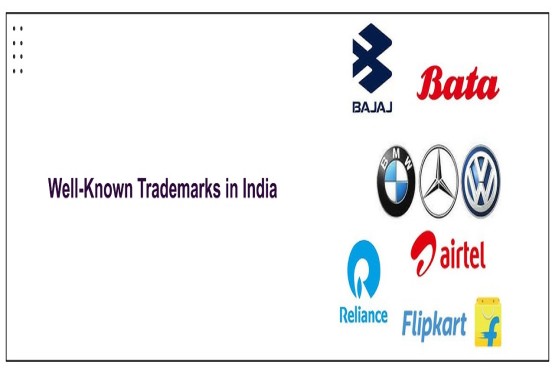
Under Section 2(1)(zg) of the Trade Marks Act, 1999, a well-known trademark is a mark that has gained such a high level of recognition that its use by another party even in unrelated goods or services could mislead the public and dilute the brand’s distinctiveness. Once a mark is declared “well-known,” protection extends across all trademark classes, eliminating the need for multiple Trademark Registrations.
For luxury brands like Hermès, which have invested decades in building prestige and exclusivity, such recognition is crucial to protecting both brand image and commercial value.
The Birkin Bag: A Global Fashion Icon
The Birkin bag, created by Hermès in 1984, is widely considered the most coveted handbag in the world. Known for its signature trapezoid shape, flawless craftsmanship, and extremely limited availability, the Birkin has become a status symbol globally.
Counterfeiting of Birkin bags is rampant across markets including India often involving lookalike bags sold at lower prices that closely imitate the shape, silhouette, and handle design. The declaration of the Birkin bag’s shape as a well-known trademark directly targets such imitation.
The Case Before the Delhi High Court
Hermès initiated a lawsuit seeking to restrain multiple infringing entities from manufacturing, selling, or advertising counterfeit Birkin bags. The company presented substantial evidence of:
-
Global brand reputation
-
Distinctiveness acquired over decades
-
Extensive use of the Birkin mark, shape, and design
-
High recognition among consumers and the fashion industry
-
Instances of counterfeiting and imitation in India
The Court observed that Hermès’ trademarks including the Birkin shape were not only distinctive but had achieved widespread recognition and goodwill among Indian consumers, especially in metro cities with luxury retail segments.
Marks Declared Well-Known
The Court recognized the following trademarks of Hermès as “well-known”:
-
The Birkin Bag Shape
-
The word mark “HERMÈS”
-
The “H” device/logo
-
Additional brand identifiers associated with Birkin bags (as submitted in the pleadings)
This makes Hermès one of the few luxury fashion houses to receive such recognition in India.
Trademark Sections Relevant to the Judgment
To make the article legally robust, here are the key sections of the Trade Marks Act, 1999 that are relevant to this decision:
1. Section 2(1)(m) – Definition of “Mark”: Includes shapes, packaging, and combination of colors—forming the legal basis for recognizing shape trademarks.
2. Section 2(1)(zb) – Definition of “Trademark”: Covers marks capable of distinguishing goods of one trader from another. The Birkin shape satisfies this test.
3. Section 2(1)(zg) – Definition of “Well-Known Trademark”: This section was applied by the Court to confer well-known status to Hermès marks.
4. Section 9(1)(a) & 9(1)(b) – Absolute Grounds for Refusal: Shape marks are usually rejected if they are:
-
Non-distinctive
-
Descriptive
-
Functional
Hermès overcame this by proving the shape is unique, distinctive, and source-identifying.
5. Section 11(6) to 11(9) – Factors for Determining Well-Known Trademarks: The Court relies on these statutory factors, including:
-
Knowledge and recognition of the mark
-
Duration and extent of use
-
Extent of promotion
-
Enforcement record
-
Cross-border reputation
6. Section 29 – Infringement of Registered Trademarks: Covers acts of selling, offering for sale, importing, or advertising goods using identical or deceptively similar marks—including shapes.
7. Section 29(4) – Dilution Protection: Key for luxury brands:
Even if the infringer deals in unrelated goods, using a well-known mark can constitute infringement.
8. Section 14 – Use of Names or Representations of Living Persons: Often invoked to protect personal name marks like “HERMÈS,” though secondary here.
9. Section 135 – Reliefs in Suit for Infringement: The Court can grant:
-
Permanent injunction
-
Damages
-
Accounts of profits
-
Delivery-up and destruction of infringing goods
This empowers Hermès to act strongly against counterfeits.
Court’s Observations and Key Findings
Shape as a Source Identifier
The Court observed that the Birkin bag’s shape itself acts as a trademark, meaning consumers can instantly recognize the brand simply by looking at the bag’s silhouette even if no logo, word mark, or brand name is visible. The unique trapezoid structure, handles, and flap configuration have become so distinctive that they immediately signal “Hermès” to the average consumer. This establishes the shape as a source identifier, which is a fundamental requirement for trademark protection.
High Degree of Public Recognition
Hermès presented strong evidence demonstrating the widespread reputation of the Birkin bag both globally and within India. This included:
-
Consistent international sales and market presence,
-
Extensive coverage in fashion magazines, media, and pop culture,
-
Celebrity endorsements and frequent public appearances,
-
Presence of official Hermès boutiques in India catering to luxury buyers.
Based on this material, the Court concluded that Hermès enjoys significant goodwill and brand recognition in India, especially among luxury consumers, fashion enthusiasts, and high-end buyers.
Protection Against Dilution and Blurring
The Court highlighted that allowing others to use a similar shape or design would weaken Hermès’ brand strength. Such imitation can:
-
Dilute the distinctiveness of the Birkin shape,
-
Confuse consumers regarding authenticity,
-
Provide unfair competitive advantage to copycat sellers, and
-
Undermine the luxury ecosystem by normalizing counterfeits.
By granting well-known status, the Court ensured that Hermès receives broader legal protection to prevent dilution, blurring, or misuse of any kind even by businesses operating in unrelated industries.
Trademark Protection is Not Limited to Logos
The Court reaffirmed that modern trademark law extends beyond traditional marks like names and logos. Non-traditional trademarks including product shapes, textures, color combinations, and signature design elements can also achieve trademark protection if they have become distinctive over time.
The Birkin bag’s shape is an example of such distinctiveness. This ruling strengthens the legal framework for recognizing creative and unique product features as trademarks, provided they clearly indicate the origin of goods.
Relevant Connected Case Laws
Below are landmark Indian and international cases connected to well-known marks, shape marks, luxury brand protection, and secondary meaning, which contextualize the Hermès judgment.
Christian Louboutin SAS v. Abubaker (2017)
Delhi High Court
The Court declared the red sole of Louboutin shoes as a well-known trademark.
Relevance:
-
Recognized a non-traditional trademark (single color)
-
Strengthened luxury brand protection in India
-
Clarified that high reputation in niche luxury market is sufficient
Toblerone Shape Case – Mondelez v. Poundland (UK, 2017)
European decision but widely cited
The triangular Toblerone chocolate shape was recognized as distinctive and enforceable.
Relevance:
-
Supports protection of unique product shapes
-
Often cited in shape trademark disputes globally
Ferrero SpA v. Ruchi International (Ferrero Rocher Case, 2010)
Delhi High Court
Ferrero successfully protected the golden packaging, shape, and overall trade dress of Ferrero Rocher chocolates.
Relevance:
-
Recognized trade dress and shape mark distinctiveness
-
Emphasized secondary meaning acquired through consumer recognition
Coca-Cola Co. v. Venus International (1997)
Delhi High Court
Protected the Coca-Cola contour bottle shape from imitation.
Relevance:
-
Early recognition of shape as a trademark in India
-
Established that shape + trade dress can function as a source identifier
Zippo Manufacturing Co. v. Shree Balaji Manufacturing (2012)
Delhi High Court
Protected the unique shape and configuration of Zippo lighters.
Relevance:
-
Affirmed enforceability of product shape trademarks
Kellogg Co. v. Pravin Kumar (2008)
Bombay High Court
Held that the shape, layout and design of Kellogg’s packaging acquired distinctiveness.
Relevance:
-
Boosts claims for distinctive packaging and shape designs
ITC Limited v. Philip Morris Products SA (2020) – “Modeled after” infringement
Delhi High Court
Recognized that even “adopting an overall impression similar to a famous brand” constitutes infringement.
Relevance:
-
Supports Hermès in preventing lookalike Birkin-shaped bags
Daimler Benz AG v. Hybo Hindustan (1994) – Protection for iconic brands
Delhi High Court
Stopped use of Benz on underwear, stressing that famous marks need stronger protection.
Relevance:
-
Reinforces cross-class protection for well-known marks
-
Applied through Section 29(4) in modern cases
Rolex SA v. Alex Jewellery (2014)
Delhi High Court
Rolex was declared a well-known trademark.
Relevance:
-
Confirms that luxury brands enjoy broader enforcement rights
Apple Inc. v. Rohit Singh (2022)
Delhi High Court
Apple's marks found to be well-known.
Relevance:
-
Demonstrates consistent judicial trend favoring iconic global brands
Impact of the Judgment
Stronger Protection for Luxury Brands
The judgment significantly strengthens the legal shield available to luxury brands operating in India. By recognising the Birkin bag shape as a well-known trademark, the Court has made it clear that even a lookalike product without a logo can amount to infringement. This raises the compliance standard for sellers, manufacturers, and importers, and acts as a strong deterrent against counterfeit or “inspired-by” copies commonly sold in the market.
Boost to Non-Traditional Trademark Claims
Traditionally, trademarks focused on logos, names, and labels. This ruling changes that landscape by validating non-traditional trademarks such as shapes, designs, packaging styles, and unique silhouettes. Brands can now confidently seek protection for their 3D configurations, distinctive product structures, and iconic packaging, knowing that Indian courts are receptive to such claims. This aligns Indian IP protection with global practices followed in the EU, UK, and USA and encourages brands to innovate without fear of imitation.
Wider Enforcement Scope
A well-known trademark enjoys the highest level of protection under Indian law. Under Sections 11(6)–11(9), a brand can enforce its rights even against businesses operating in unrelated industries. The ruling also strengthens enforcement through:
-
Anti-counterfeiting drives,
-
Customs blocking and seizure of infringing goods, and
-
Civil and criminal actions against sellers and manufacturers.
This ensures that Hermès can take swift and effective action against misuse of its marks across physical markets, online platforms, and imports.
Consumer Protection
Consumers often struggle to differentiate between genuine luxury products and high-quality counterfeits. By recognizing the Birkin bag shape and other Hermès marks as well-known, the Court gives consumers a clearer understanding of what constitutes an authentic Hermès product. This reduces deception, prevents consumers from unknowingly buying counterfeit goods, and promotes fair marketplace practices.
Relevance to the Indian Fashion & Luxury Market
India’s luxury segment has grown rapidly in recent years. Brands like Hermès, Louis Vuitton, Chanel, Gucci, and Dior face increasing counterfeiting challenges. The judgment signals to global brands that India is serious about IP protection, making it a more reliable market for expansion.
It also encourages Indian designers and labels to invest in protecting their own distinctive designs and shapes.
Final Word
The Delhi High Court’s recognition of the Birkin bag shape and three Hermès trademarks as well-known marks a milestone in Indian IP jurisprudence. By strengthening the protection of luxury brands and acknowledging non-traditional trademarks, the Court has paved the way for a more mature and internationally aligned trademark enforcement environment. This decision not only benefits global fashion giants but also enhances consumer confidence and promotes a culture of respect for intellectual property in India.
FAQ’s
Q1. What does it mean when a trademark is declared “well-known” in India?
Ans. A “well-known trademark” under Section 2(1)(zg) of the Trade Marks Act, 1999 is a mark that enjoys widespread recognition among a substantial portion of the public. It is protected across all classes, meaning no one can use or register a similar mark—even for unrelated goods or services.
Q2. Why is the Birkin bag shape considered a trademark?
Ans. The Birkin bag’s distinctive trapezoid shape, handles, and design elements act as a source identifier. Consumers instantly recognize the product as belonging to Hermès even without a logo. This distinctiveness allows the shape to function as a trademark under Section 2(1)(m).
Q3. What evidence did Hermès present before the Court?
Ans. Hermès submitted proof of global reputation, decades of use, extensive advertisements, celebrity endorsements, high recognition among luxury consumers, and multiple instances of counterfeiting in India. This established both distinctiveness and secondary meaning.
Q4. How does this judgment benefit luxury brands in India?
Ans. This ruling ensures that luxury houses like Hermès, Chanel, LV, and Gucci can secure protection for their iconic designs, packaging, and product shapes. It also discourages counterfeiters and strengthens enforcement mechanisms.
Q5. Can Indian designers also claim protection for unique shapes or designs?
Ans. Yes. Indian designers can register shape marks, design marks, and trade dress if they meet the distinctiveness requirement. The Hermès decision sets a strong precedent for recognition of non-traditional trademarks in India.
Q6. Are shape marks usually difficult to register?
Ans. Yes. Under Section 9(1)(b), shapes that are functional, common to the trade, or lacking distinctiveness are generally not granted registration. Hermès overcame this by proving strong secondary meaning.
Q7. Does this ruling apply only to handbags?
Ans. No. Since the Hermès marks are now well-known, they are protected across all goods and services—including accessories, apparel, footwear, or even unrelated goods where confusion or dilution may occur.


_(b)_of_the_Trademark_Act,_1999_(1)_crop10_thumb.jpg)


_crop10_thumb.jpg)


_crop10_thumb.jpg)
_crop10_thumb.jpg)


_crop10_thumb.jpg)


_crop10_thumb.jpg)


_crop10_thumb.jpg)


_crop10_thumb.jpg)


_crop10_thumb.jpg)


_crop10_thumb.jpg)


_crop10_thumb.jpg)


_crop10_thumb.jpg)


_crop10_thumb.jpg)









_crop10_thumb.jpg)




































































_crop10_thumb.jpeg)