
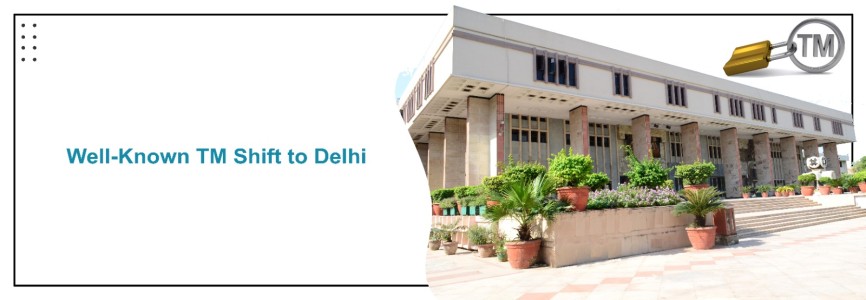



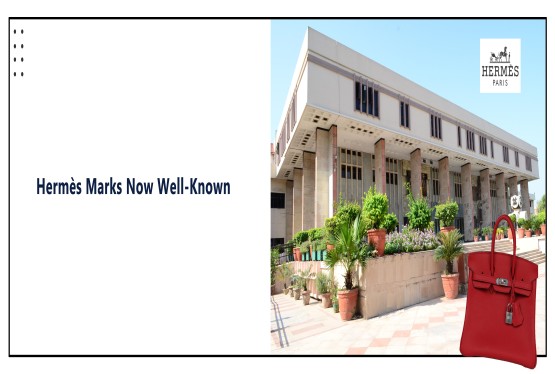
The Office of the Controller General of Patents, Designs and Trade Marks (CGPDTM) recently issued a public notice with important implications for businesses, brand owners, and legal professionals across India. The notice, dated February 24, 2026, announces the relocation of the Well-Known Trade Marks Section to New Delhi. This move follows the earlier shift of the CGPDTM headquarters to the capital in 2025. From now on, all matters related to well-known trademark applications, communications, oppositions, and any other correspondence must be addressed to the new address in Dwarka. This administrative change aims to centralise operations and make them more efficient, especially since many government functions are already based in Delhi.
What the Public Notice Says
It explains that because the CGPDTM headquarters relocated to New Delhi (following a Gazette notification dated February 25, 2025), the dedicated Well-Known Trade Marks Section has also been moved there. Stakeholders, including trademark owners, agents, lawyers, and applicants, are asked to update their records immediately. The new address is:
Trade Marks Registry (Well-Known Section), Office of the Controller General of Patents, Designs & Trade Marks, Boudhik Sampada Bhawan, Plot No. 32, Sector 14, Dwarka, New Delhi – 110078. Any future letters, emails, filings, or representations concerning well-known trademarks should go here, effective right away. Sending things to the old location could cause delays or complications in processing.
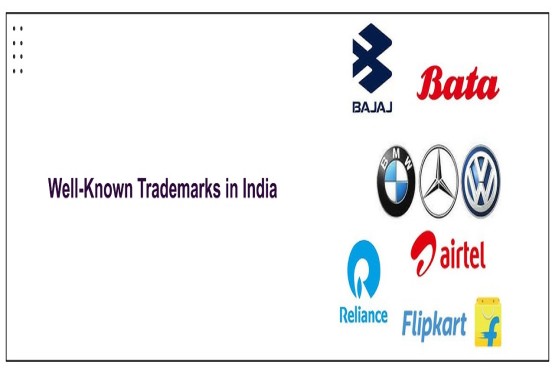
Well-Known Trademarks
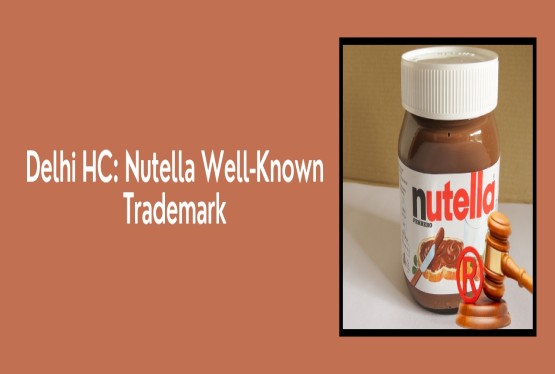
A trademark is a name, logo, slogan, or symbol that identifies a product or service and distinguishes it from others. Think of it as a brand's unique fingerprint. But some trademarks rise to another level; they become so famous and trusted that they deserve extra protection. These are called well-known trademarks.
A well-known trademark is one that a large number of people recognise instantly. If someone tries to use a similar mark even on completely different products or services, customers might assume it's connected to the famous brand. This could confuse people or unfairly benefit from the original brand's hard-earned reputation. The law steps in to prevent that.
The Legal Basis: Key Sections in the Trade Marks Act, 1999
The Trade Marks Act, 1999, is the main law that controls trademarks in India. It brought in special rules for well-known marks to match international standards. The key part is Section 2(1)(zg), which explains what a well-known trademark is.
According to this section, a well-known trademark is a mark that has become so famous among a big part of the relevant public, who buy or use those goods or services, that if someone uses it on other goods or services, people are likely to think there is a business link to the original owner. It does not need to be known by every person in the country; it is enough if it is recognised among the actual buyers or users in that line of business.
The Act also gives rules on how to decide if a mark counts as well-known. Sections 11(6) to 11(10) list the things that the Registrar or courts look at, such as:
-
The level of public recognition.
-
How long and how widely the mark has been used.
-
The amount of promotion and advertising.
-
The success and sales of the products or services.
-
Any earlier court or registry decisions that have recognised it as well-known (once it is declared, this usually continues to apply).
Why Well-Known Status Matters So Much
Regular trademarks get protection mainly within their registered classes (there are 45 classes covering different goods and services). For example, a clothing brand is protected in Class 25, but someone could potentially use a similar name for electronics in Class 9 without much trouble unless it causes confusion.
Well-known trademarks enjoy much broader safeguards. Under Section 11(2), the Registrar can refuse registration of a similar mark in unrelated classes if it might take unfair advantage of or damage the famous mark's reputation. Even stronger protection comes from Section 29(4), which allows owners to sue for infringement when someone uses a similar mark on different goods or services, as long as it harms the distinctive character or takes unfair benefit from the well-known mark.
This prevents "dilution" where infringers weaken a famous brand's uniqueness or prestige. Famous examples in India include Tata, Reliance, Amul, Maggi, or international ones like Coca-Cola, Nike, and Google. Courts have recognized many such marks over the years, often during opposition proceedings or infringement lawsuits.
Owners can seek formal recognition through a request (using Form TM-M and providing evidence), though it often happens naturally in legal disputes. Once declared well-known, the protection sticks and applies nationwide.
Impact of the Relocation and Final Thoughts
This shift to New Delhi is part of a larger effort to streamline India's intellectual property system. With the headquarters now in Boudhik Sampada Bhawan in Dwarka, a modern, well-connected area, coordination between different IP wings (patents, designs, trademarks, etc.) should become easier. Filings are mostly online anyway through the IP India portal, so the physical move mainly affects where hard copies or specific well-known matters are handled.
For small business owners or individuals, this change might not affect daily operations much. But if you're managing a famous brand, opposing a registration, or applying for well-known status, double-check that your documents reach the right place. Missing this update could slow down important processes.
A strong trademark protection especially for well-known ones, encourages innovation and fair competition. Brands invest heavily in building trust and quality, and the law helps protect that investment from misuse. Whether you're a startup dreaming of creating the next big name or an established company safeguarding your legacy, staying aware of these administrative updates keeps everything running smoothly.
This relocation is a small but meaningful step in modernising how India handles its valuable intellectual assets. If your brand has the potential to become well-known someday, focus on consistent quality, genuine customer love, and smart marketing; the law will reward that effort when the time comes.


_(b)_of_the_Trademark_Act,_1999_(1)_crop10_thumb.jpg)


_crop10_thumb.jpg)


_crop10_thumb.jpg)
_crop10_thumb.jpg)


_crop10_thumb.jpg)


_crop10_thumb.jpg)


_crop10_thumb.jpg)


_crop10_thumb.jpg)


_crop10_thumb.jpg)


_crop10_thumb.jpg)


_crop10_thumb.jpg)


_crop10_thumb.jpg)


_crop10_thumb.jpg)









_crop10_thumb.jpg)



























































_crop10_thumb.jpeg)














































_crop10_thumb.jpg)