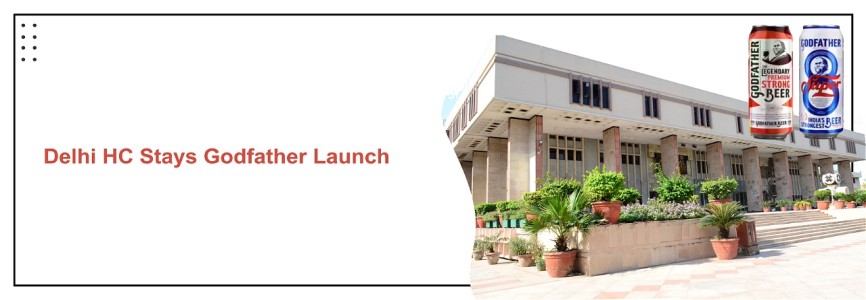



The protection of brand names and trademarks is a very important part of business in India. Companies spend years building their reputation, and a trademark becomes the identity of their product. Recently, the Delhi High Court passed an important order stopping the launch of a whiskey brand called “Glenwalk Godfather,” which was backed by Bollywood actor Sanjay Dutt. This decision came due to a trademark dispute involving the use of the word “Godfather.”
This case highlights how strictly Indian courts protect trademarks and how even celebrities and large companies must follow the law. It also shows how the Trademark Act, 1999 plays a major role in preventing confusion among consumers and protecting the rights of existing trademark owners.
Background of the Case
The dispute arose when a liquor company planned to launch a whiskey brand under the name “Glenwalk Godfather.” The product was associated with Sanjay Dutt, which made it more visible in the market due to his popularity.
However, another company already owned trademark rights over the term “Godfather” in relation to alcoholic beverages. This company objected to the use of the same word in the new whiskey brand, claiming that it would create confusion in the market and damage its brand identity.
The matter was taken to the Delhi High Court, where the court examined whether the use of the term “Godfather” in “Glenwalk Godfather” violated trademark laws.
Delhi High Court’s Decision
The Delhi High Court granted an interim injunction and restrained the launch of the whiskey brand. This means that the company behind “Glenwalk Godfather” cannot sell or promote the product under that name until the case is finally decided.
The court observed that the use of the word “Godfather” could mislead consumers into believing that the product is associated with the existing trademark owner. Since both products belong to the same category (alcoholic beverages), the chances of confusion are very high.
The court also considered the reputation of the existing trademark and the possibility of unfair advantage being taken by the new brand.
Understanding Trademark Law in India
The Trademark Act, 1999 governs the registration, protection, and enforcement of trademarks in India. It ensures that businesses can protect their brand identity and prevents others from copying or misusing it.
In this case, several important sections of the Act are relevant.
Section 2(1)(zb): Definition of Trademark
This section defines what a trademark is. According to the law, a trademark is a mark capable of being represented graphically and capable of distinguishing the goods or services of one person from those of others.
A trademark can include words, names, logos, symbols, or combinations of these.
In the present case, the word “Godfather” is a registered trademark. It helps consumers identify a specific brand of alcoholic beverage. When another company tries to use the same or a similar word, it can create confusion, which the law aims to prevent.
Section 9: Absolute Grounds for Refusal of Registration
Section 9 deals with situations where a trademark cannot be registered at all. For example, if a trademark is not distinctive or is descriptive in nature, it may be refused registration.
Although this section is mainly related to registration, it is relevant here because it highlights the importance of distinctiveness. A unique trademark gets stronger protection under the law.
The term “Godfather,” in the context of liquor, has already acquired distinctiveness due to prior use. This makes it difficult for another company to use the same word for similar products.
Section 11: Relative Grounds for Refusal of Registration
Section 11 is one of the most important provisions in this case. It states that a trademark cannot be registered if it is identical or similar to an earlier trademark and is likely to cause confusion among the public.
The law focuses on:
-
Similarity between marks
-
Similarity of goods or services
-
Likelihood of confusion
In the “Glenwalk Godfather” case, all three conditions are present. The word “Godfather” is identical, the product category (whiskey) is the same, and consumers may believe both products come from the same source.
This is why the court found a strong case for trademark infringement.
Section 27: No Action for Unregistered Trademark (But Passing Off Allowed)
Section 27 states that no legal action can be taken for infringement of an unregistered trademark. However, it also allows an action for “passing off.”
Passing off occurs when one business tries to present its goods as those of another. Even if a trademark is not registered, the owner can still protect it through passing off.
In this case, if the earlier trademark owner had not registered “Godfather,” they could still argue that the new brand is misleading customers and damaging their goodwill.
Section 28: Rights Conferred by Registration
Section 28 gives exclusive rights to the registered trademark owner. This means only the registered owner can use the trademark in relation to the goods or services for which it is registered.
It also gives the right to take legal action against anyone who uses a similar mark without permission.
Here, the owner of the “Godfather” trademark has the legal right to stop others from using the same or confusingly similar name for alcoholic beverages.
Section 29: Infringement of Registered Trademark
Section 29 explains what constitutes trademark infringement. It states that infringement occurs when someone uses a mark that is identical or deceptively similar to a registered trademark in relation to similar goods or services.
It also considers whether such use is likely to cause confusion or association with the original brand.
In the present case:
-
The mark “Godfather” is used by both parties
-
The goods (whiskey/alcohol) are similar
-
There is a high chance of consumer confusion
Therefore, the use of “Glenwalk Godfather” may amount to infringement under Section 29.
Section 30: Limits on Effect of Registered Trademark
Section 30 provides certain exceptions where the use of a trademark is allowed. For example, honest use or descriptive use may not amount to infringement. However, these exceptions do not apply if the use creates confusion or is done to take unfair advantage of another brand’s reputation.
In this case, using “Godfather” as part of a whiskey brand name does not appear to be purely descriptive or honest use. Instead, it may benefit from the reputation of the existing trademark.
Section 134: Jurisdiction of Courts
Section 134 allows the trademark owner to file a case in a district court or High Court having jurisdiction. This is why the case was filed before the Delhi High Court, which has the authority to hear trademark disputes.
Section 135: Relief in Suits for Infringement
Section 135 deals with the remedies available in trademark cases. These include:
-
Injunction (temporary or permanent)
-
Damages or compensation
-
Delivery of infringing goods for destruction
In this case, the court granted an interim injunction, which is a temporary order stopping the use of the disputed trademark until the final decision is made.
Importance of Consumer Protection
Trademark law is not only about protecting businesses but also about protecting consumers. When two similar brand names exist in the market, customers may get confused and buy the wrong product.
In the liquor industry, where brand identity plays a major role, such confusion can affect purchasing decisions significantly.
By restraining the launch of “Glenwalk Godfather,” the court aimed to prevent such confusion and protect consumer interests.
Role of Reputation and Goodwill
A trademark gains value over time through use, marketing, and customer trust. This is known as goodwill.
The existing “Godfather” brand likely has established goodwill in the market. Allowing another company to use the same name could dilute this goodwill and harm the original brand.
Indian courts give strong protection to trademarks with established reputation, especially when the goods involved are similar.
Celebrity Endorsements and Legal Responsibility
The involvement of Sanjay Dutt in the brand does not provide any legal immunity. Celebrities often endorse or invest in products, but they must also ensure that the brand complies with legal requirements.
This case shows that even high-profile individuals must respect trademark laws. Courts focus on legal rights rather than popularity or influence.
Impact on the Alcohol Industry
The alcohol industry in India is highly competitive, and branding plays a crucial role. Companies often choose strong and memorable names to attract customers.
However, this case serves as a warning that companies must conduct proper trademark searches before launching a product. Using an already registered or similar name can lead to legal disputes and financial losses.
Conclusion
The Delhi High Court’s decision to restrain the launch of “Glenwalk Godfather” whiskey is a strong reminder of the importance of trademark protection in India. The case clearly shows how the Trademark Act, 1999 safeguards the rights of trademark owners and prevents unfair competition.
Sections such as 2(1)(zb), 11, 28, and 29 play a crucial role in determining whether a trademark is valid and whether its use amounts to infringement. The court’s intervention at an early stage through an interim injunction also highlights the importance of timely legal action.
Overall, this case reinforces the principle that no one, regardless of their status or popularity, is above the law. Businesses must respect existing trademarks and ensure that their branding does not create confusion in the market.
Trademark law ultimately aims to maintain fairness in trade, protect business reputation, and ensure that consumers can make informed choices without being misled.
FAQs
Q1. What is the “Glenwalk Godfather” case about?
Ans. This case is about a dispute over the use of the trademark “Godfather” for a whiskey brand. The Delhi High Court stopped the launch due to possible trademark infringement.
Q2. Why did the Delhi High Court stop the whiskey launch?
Ans. The court stopped the launch because the name “Godfather” is already a registered trademark for alcoholic beverages, and using the same name could confuse customers.
Q3. What is an interim injunction?
Ans. An interim injunction is a temporary court order that stops a company from doing something (like launching a product) until the final decision of the case.
Q4. Has the final decision been given in this case?
Ans. No, the final decision has not been given yet. The case is still ongoing in court.
Q5. What is the main legal issue in this case?
Ans. The main issue is trademark infringement under the Trademark Act, 1999, especially whether using “Godfather” for whiskey creates confusion in the market.
Q6. What does trademark infringement mean?
Ans. It means using a name, logo, or brand that is identical or similar to an already registered trademark in a way that can confuse consumers.
Q7. Which law is used in this case?
Ans. The case is based on the Trademark Act, 1999, which protects brand names and prevents misuse of registered trademarks.
Q8. Why is the word “Godfather” important here?
Ans. Because it is already associated with an existing whiskey brand and using it again for a similar product can mislead customers.
Q9. Does celebrity involvement affect the court decision?
Ans. No, celebrity involvement (like Sanjay Dutt) does not change legal rules. Courts only consider law and evidence.
Q10. What is the next step in this case?
Ans. The case will continue in court, and the next hearing is expected in April 2026, where further arguments will be heard.


_(b)_of_the_Trademark_Act,_1999_(1)_crop10_thumb.jpg)


_crop10_thumb.jpg)


_crop10_thumb.jpg)
_crop10_thumb.jpg)


_crop10_thumb.jpg)


_crop10_thumb.jpg)


_crop10_thumb.jpg)


_crop10_thumb.jpg)


_crop10_thumb.jpg)


_crop10_thumb.jpg)


_crop10_thumb.jpg)


_crop10_thumb.jpg)


_crop10_thumb.jpg)








_crop10_thumb.jpg)




























































_crop10_thumb.jpeg)

















































_crop10_thumb.jpg)