
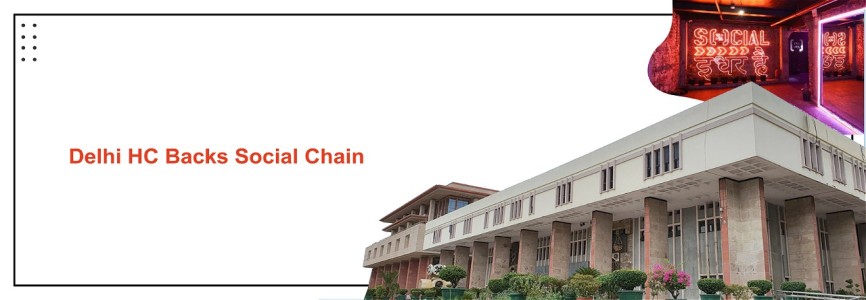



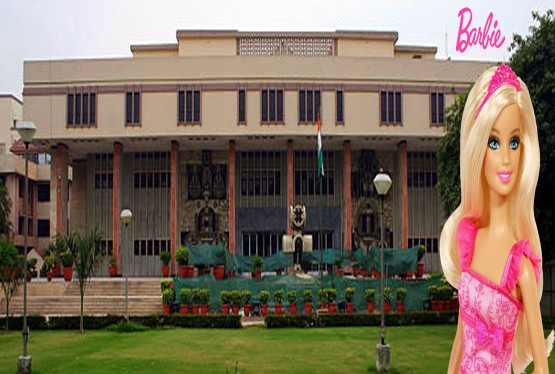
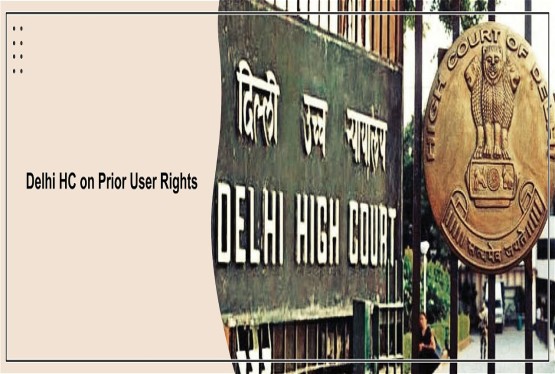
In a recent and decision, the Delhi High Court has reinforced key principles of trademark registration law while ruling in favour of a social chain of pubs. The case highlights how prior use of a trademark, strong market reputation, and the perception of consumers play a decisive role in determining ownership and protection of a brand. Even if two businesses operate in the same industry, the one with established goodwill and earlier use is more likely to receive legal protection. The judgment also sends a clear message that businesses must adopt distinctive and unique brand names rather than choosing marks that resemble existing ones. In sectors like hospitality and lifestyle, where brand identity directly influences customer choice, even minor similarities can lead to confusion and legal disputes. Therefore, this ruling serves as an important reminder for businesses to prioritize originality and proper trademark strategy while building their brand.
Background of the Case
The dispute involved two businesses in the hospitality industry that were using similar or identical brand names for their pub chains. The plaintiff, being an established social chain of pubs, argued that it had been using the mark for a long time and had built strong goodwill, customer recognition, and market reputation. This meant that consumers already associated the brand name with the plaintiff’s services.
On the other hand, the defendant started using a similar mark for its pub business, which created a risk of confusion among customers. People could mistakenly assume that both businesses were connected or operated under the same brand. Due to this confusion and potential damage to its reputation, the plaintiff approached the court seeking an injunction—a legal order to stop the defendant from using the disputed name.
The case was decided under the Trade Marks Act, 1999, where the court examined:
-
Section 9 (whether the mark is distinctive),
-
Section 11 (similarity with existing trademarks), and
-
Section 29 (whether the use amounts to infringement).
Overall, the dispute focused on whether the defendant’s use of a similar mark violated the plaintiff’s established trademark rights and caused confusion in the market.
Key Legal Issues
The Delhi High Court examined several crucial legal questions to determine whether trademark infringement had occurred:
Prior Use vs. Registration
One of the most important issues was whether prior use of a trademark is more valuable than registration. The plaintiff argued that it had been using the mark for a long time before the defendant entered the market. In trademark law, courts often give priority to the party that first used the mark in commerce, as it reflects actual market presence and consumer recognition, even if the mark is not registered.
Likelihood of Confusion
The court closely analyzed whether the similarity between the two marks could confuse an average consumer. If customers are likely to believe that both pub chains are connected, affiliated, or owned by the same entity, it amounts to infringement. This test focuses on:
-
Similarity in name, sound, or appearance
-
Nature of services (both being pubs/hospitality)
-
Target audience and market conditions
Goodwill and Reputation
Another key issue was whether the plaintiff had built sufficient goodwill and reputation in the market. Goodwill refers to the trust and recognition a brand earns over time through consistent use, quality service, and customer loyalty. If a business has strong goodwill, the law protects it from misuse by others, as such misuse can:
-
Damage the brand’s reputation
-
Mislead customers
-
Result in unfair advantage to the defendant
Overall, the court evaluated these factors to decide whether the plaintiff had a stronger legal claim over the trademark and whether the defendant’s actions violated those rights.
Court’s Observations
While deciding the case, the Delhi High Court made several important observations that clarify how trademark disputes are evaluated:
Recognition of Prior Use
The court clearly stated that prior use of a trademark carries significant legal weight, even if the mark is not formally registered. If a business can prove that it has been using a mark consistently over time and has built recognition in the market, it gains strong protection under law. In this case, the plaintiff successfully demonstrated continuous and extensive use, which helped establish its rights over the mark.
Consumer Confusion Matters
The court emphasized that the possibility of consumer confusion is a key factor in trademark disputes. In industries like hospitality, where customers rely heavily on brand names to identify services, even slight similarities can mislead them. If a customer mistakenly associates one business with another due to similar branding, it can harm the original brand’s reputation and business. Therefore, preventing confusion becomes essential.
Importance of Distinctiveness
The judgment highlighted that trademarks must be unique and distinctive to receive protection. A brand name that closely resembles an existing one can weaken the identity of the original brand and create unfair competition. The court made it clear that businesses should avoid adopting similar marks, as doing so can lead to infringement and legal consequences.
Application of Trademark Law
While deciding the case, the Delhi High Court carefully applied key provisions of the Trade Marks Act, 1999 to determine whether the defendant’s actions amounted to infringement.
Section 9 – Distinctiveness of Trademark
This section ensures that only distinctive and unique marks are eligible for registration. The court considered whether the plaintiff’s mark had acquired distinctiveness through continuous use and recognition in the market. Since the plaintiff’s brand was already well-known Trademark among consumers, it satisfied this requirement.
Section 11 – Similarity with Existing Marks
Section 11 prohibits registration of marks that are identical or deceptively similar to earlier trademarks. The court compared the two marks and found that the defendant’s mark closely resembled the plaintiff’s, which could mislead customers. This similarity increased the risk of confusion and supported the plaintiff’s claim.
Section 29 – Trademark Infringement
This section deals with infringement when:
-
A mark is used without authorization
-
The mark is identical or similar
-
Such use creates a likelihood of confusion
The court observed that the defendant’s use of a similar name in the same industry (hospitality/pubs) could make consumers believe that both businesses are connected. This clearly fell within the scope of infringement under Section 29.
Final Judgment
The Delhi High Court ultimately ruled in favour of the plaintiff, i.e., the established social chain of pubs. After examining the facts and legal provisions, the court found that the defendant’s use of a similar trademark was likely to create confusion among consumers and unfairly benefit from the plaintiff’s established reputation.
As a result, the court granted injunctive relief, meaning it legally restrained the defendant from continuing to use the disputed trademark. This step was necessary to prevent further damage to the plaintiff’s brand identity, goodwill, and market position.
The judgment clearly reinforces an important principle in trademark law: businesses that invest time and effort in building a strong brand through continuous use and customer recognition are entitled to protection. It also sends a strong message that copying or adopting similar brand names—especially in the same industry—can lead to strict legal consequences.
Passing Off Protects Goodwill
The Delhi High Court recognized that the plaintiff had built strong goodwill in the market through continuous use of its brand. Goodwill refers to the reputation, customer trust, and brand recognition that a business earns over time. In trademark law, this goodwill is treated as a valuable business asset that must be protected from misuse.
To determine whether passing off had occurred, the court relied on the principles laid down in the landmark case of Reckitt & Colman Ltd. v. Borden Inc., which established the “classic trinity” test:
-
Goodwill: The plaintiff must prove that its brand has gained recognition and trust among the public. This can be shown through long-term use, advertising, sales, and customer association. In this case, the plaintiff successfully demonstrated strong market presence.
-
Misrepresentation: The defendant must have made a representation (intentional or not) that leads consumers to believe that its goods or services are connected with the plaintiff. Here, the use of a similar brand name created confusion among customers.
-
Damage: The plaintiff must show that such misrepresentation is likely to cause harm—such as loss of customers, dilution of brand value, or damage to reputation. Even the possibility of such harm is sufficient for the court to grant relief.
Protection of Well-Known Marks
The Delhi High Court emphasized that well-known or reputed trademarks enjoy broader protection, even if they are used for different or unrelated goods and services. This means that once a brand becomes widely recognized among the public, the law prevents others from using a similar mark—even in a completely different industry—if it can harm the brand’s reputation or take unfair advantage of its goodwill.
To support this principle, courts often rely on the landmark case of Daimler Benz Aktiegesellschaft v. Hybo Hindustan.
Key Principle from the Case
In this case, the defendant used the word “BENZ” (which is globally associated with Mercedes-Benz cars) for selling undergarments. Although the products were entirely different, the court restrained the defendant from using the mark.
Why the Court Intervened
-
“BENZ” was a well-known and highly reputed brand
-
Its use on unrelated goods could dilute its distinctiveness
-
It could create an impression of association or endorsement
-
It amounted to unfair advantage of the brand’s goodwill
Legal Understanding
The Trade Marks Act, 1999 under Section 29(4) provides special protection to well-known trademarks, even when they are used for different or unrelated goods and services. This goes beyond normal infringement rules and aims to protect the reputation and uniqueness of strong brands.
For this provision to apply, the following conditions must be satisfied:
The Mark Has a Reputation in India
The trademark must be widely recognized among the public. This reputation is built through:
-
Long-term use
-
Extensive advertising
-
Strong market presence
A well-known brand enjoys protection because consumers associate it with a particular source and quality.
The Use is Without Due Cause
The defendant must not have any valid or genuine reason to use a similar mark. If a party adopts a mark intentionally or carelessly that resembles a famous brand, it is considered unjustified use. The law discourages such practices, especially when the intention is to benefit from an established brand name.
It Takes Unfair Advantage or Causes Harm
The most important element is whether the use:
-
Takes unfair advantage of the well-known mark’s reputation (free-riding on its popularity), or
-
Damages the brand’s image, either by dilution (weakening uniqueness) or tarnishment (harming reputation)
Even if there is no direct competition between the two businesses, such misuse is still prohibited.
Honest Adoption is Not a Defence
The Delhi High Court reiterated an important principle of trademark law: simply claiming that a mark was adopted honestly or without knowledge of an existing brand is not a valid defence if the mark is deceptively similar. The law focuses on the impact on consumers and the rights of the original brand owner, not just the intention of the defendant.
Even if the defendant argues that the adoption was unintentional or done in good faith, it will not protect them if:
-
The mark is confusingly similar to an existing trademark
-
It creates a likelihood of confusion in the market
-
It affects the goodwill and reputation of the original brand
Relevant Case Law
This principle was clearly established in Midas Hygiene Industries Pvt. Ltd. v. Sudhir Bhatia.
Key Observation from the Case
The Supreme Court held that:
-
In cases of clear trademark infringement, courts should grant injunctions immediately
-
Delay in filing the case does not defeat the rights of the trademark owner
-
Protection of trademark rights is more important than procedural delays
Legal Implication
This means:
-
A defendant cannot escape liability by saying they were unaware of the existing mark
-
Courts prioritize protection of brand identity and consumer clarity
-
Once infringement is established, injunctive relief is almost automatic
Conclusion
The decision of the Delhi High Court makes it clear that trademark protection goes beyond just registration. While registration provides legal rights, the court emphasized that reputation, prior use, and how consumers perceive a brand are equally important in deciding ownership and protection. A business that has built strong goodwill through continuous use can successfully protect its brand, even against later users.
In industries like hospitality, where customers rely heavily on brand names to make choices, even small similarities can lead to confusion and loss of trust. Therefore, businesses must be careful while selecting their brand names and ensure they are unique, distinctive, and legally safe.
This judgment also sets a practical precedent by encouraging businesses to adopt proactive trademark strategies, such as:
-
Conducting proper trademark searches
-
Registering trademarks at an early stage
-
Maintaining proof of prior use
-
Taking timely legal action against infringement
Overall, the ruling highlights that a strong trademark strategy is essential to protect brand identity, avoid legal disputes, and ensure long-term business growth.
Frequently Asked Questions (FAQs)
Q1. What was the key issue in the Delhi High Court pub trademark case?
Ans. The main issue was whether the defendant’s use of a similar trademark for a pub chain created confusion among consumers and infringed the plaintiff’s established brand rights. The court examined prior use, goodwill, and similarity of marks.
Q2. Which law governs trademark disputes in India?
Ans. Trademark disputes in India are governed by the Trade Marks Act, 1999, which provides provisions for registration, protection, and enforcement of trademarks.
Q3. What is the importance of prior use in trademark law?
Ans. Prior use is one of the strongest rights in trademark law. If a business has been using a mark before others, it can claim protection even without registration. This principle was upheld in cases like N.R. Dongre v. Whirlpool Corporation.
Q4. What is meant by “likelihood of confusion”?
Ans. Likelihood of confusion refers to a situation where consumers may mistakenly believe that two similar brands are related or owned by the same entity. Courts assess this based on similarity of marks, nature of business, and target audience.
Q5. Can an unregistered trademark be protected in India?
Ans. Yes, unregistered trademarks are protected under the concept of passing off as per Section 27 of the Trade Marks Act, 1999. Businesses can take legal action if their goodwill is being misused.
Q6. What is trademark infringement under Indian law?
Ans. Trademark infringement occurs when a registered trademark is used without authorization in a manner that causes confusion or damages the brand’s reputation. It is governed by Section 29 of the Trade Marks Act, 1999.
Q7. How does the court determine similarity between trademarks?
Ans. Courts consider various factors such as:
-
Visual similarity
-
Phonetic similarity
-
Nature of goods/services
-
Consumer perception
These principles were elaborated in Cadila Health Care Ltd. v. Cadila Pharmaceuticals Ltd..
Q8. What is passing off in trademark law?
Ans. Passing off is a common law remedy that protects a business’s goodwill from being misrepresented by another party. It requires proof of:
-
Goodwill
-
Misrepresentation
-
Damage
This concept was established in Reckitt & Colman Ltd. v. Borden Inc..
Q9. Can a trademark be protected even for different goods or services?
Ans. Yes, if a trademark has strong reputation or is well-known, it can be protected even for unrelated goods or services. This principle was upheld in Daimler Benz Aktiegesellschaft v. Hybo Hindustan.
Q10. What lessons can businesses learn from this judgment?
Ans. Businesses should:
-
Choose distinctive brand names
-
Conduct proper trademark searches
-
Register trademarks early
-
Avoid copying or imitating existing brands
-
Maintain proof of prior use


_(b)_of_the_Trademark_Act,_1999_(1)_crop10_thumb.jpg)


_crop10_thumb.jpg)


_crop10_thumb.jpg)
_crop10_thumb.jpg)


_crop10_thumb.jpg)


_crop10_thumb.jpg)


_crop10_thumb.jpg)


_crop10_thumb.jpg)


_crop10_thumb.jpg)


_crop10_thumb.jpg)


_crop10_thumb.jpg)


_crop10_thumb.jpg)


_crop10_thumb.jpg)









_crop10_thumb.jpg)








































































_crop10_thumb.jpeg)




























































_crop10_thumb.jpg)