
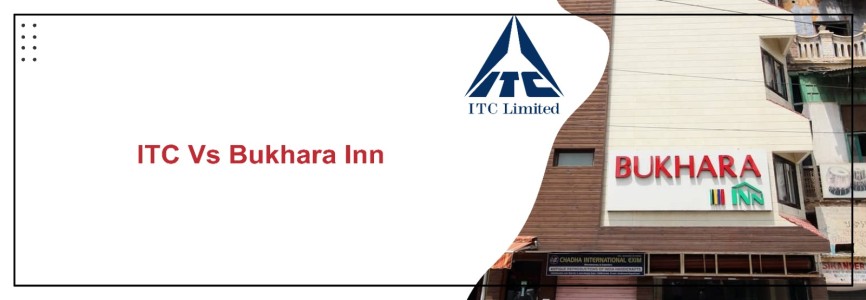



The Delhi High Court recently delivered a significant ruling in a trademark dispute that highlights how strongly India's legal system protects iconic and well-known brands. In the case of ITC Limited & Anr vs. Bukhara Inn (CS(COMM) 1187/2025), decided on November 7, 2025, by Justice Manmeet Pritam Singh Arora, the court granted an ex-parte ad-interim injunction (a temporary restraining order without the other side present) against a small Delhi-based hotel using names like "Bukhara Inn," "Hotel Bukhara," and "Hotel Bukhara Inn." This order stops the hotel from using the name "Bukhara" or anything too similar until further hearings.
This case is a classic example of trademark infringement and passing off in the hospitality sector. ITC, a massive Indian company, fought to protect its "Bukhara" restaurant brand, while the defendant a modest 11-room guest house tried to defend its use by claiming it was based on a personal or family name.
The Iconic Bukhara: A Culinary Legend Built Over Decades
A restaurant that has barely changed its menu in nearly 50 years, yet people from around the world still line up to eat there. That's Bukhara at ITC Maurya in New Delhi. Launched in the late 1970s (around 1977-1978), it specializes in robust North-West Frontier cuisine, tandoori meats, slow-cooked dals, and breads baked in clay ovens.
The restaurant was inspired by the culinary traditions of the rugged frontier regions, with open kitchens where diners can watch chefs at work. No fancy cutlery here, guests tear into their food with their hands, wearing protective aprons. Signature dishes like Dal Bukhara (a creamy black lentil dish simmered for hours), Sikandari Raan (a massive slow-roasted leg of lamb), and naans have become legendary.
What makes Bukhara truly special is its consistency and fame. It has hosted world leaders and celebrities: former U.S. Presidents Bill Clinton (who inspired the "Presidential Platter") and Donald Trump, Russian President Vladimir Putin, former U.S. Secretary of State Hillary Clinton (with a "Hillary Platter" added to the menu), cricketer Sachin Tendulkar, actor Arnold Schwarzenegger, tennis star Roger Federer, and even artist M.F. Husain, who painted his famous horse while dining there.
Bukhara has won awards like "Best Indian Restaurant in the World" and "Best Restaurant in Asia" in the past, and it continues to rank highly in lists like Condé Nast Traveller and Tatler Best 100. In the financial year 2024-25 alone, it generated around ?48.84 crores in revenue a huge figure for one restaurant. ITC has protected the "Bukhara" name with trademark registrations starting from 1985, and in a 2022 case (ITC Limited v. Central Park Estates Pvt. Ltd., CS(COMM) 781/2022), a Delhi High Court bench officially declared it a well-known trademark under Section 2(1)(zg) of the Trade Marks Act, 1999. This status was published in the Trade Marks Journal in October 2024, giving it extra nationwide protection against dilution or confusion.
ITC's hotels business, now run partly through an associate company after a demerger, operates over 140 luxury and premium properties. Bukhara isn't just a restaurant, it's a symbol of India's hospitality excellence.
The Dispute: A Small Hotel Steps into the Spotlight
Bukhara Inn, a small guest house in Delhi (located near Jama Masjid). It appeared on travel sites like Trip Advisor, Yatra, Agoda, and Google under names like Bukhara Inn, Hotel Bukhara, and Hotel Bukhara Inn. Photos showed signage using "Bukhara" prominently. ITC discovered this in late 2024. They sent a cease-and-desist notice on December 31, 2024, asking the hotel to stop using the name, as it violated their trademark rights.
The hotel's owner, reportedly Mr. Syed Usama Shaban Bukhari, replied on January 9, 2025. He admitted his use came after ITC's famous restaurant but refused to stop. He said it was just an 11-room place and claimed protection under Section 35 of the Trade Marks Act (which allows honest use of one's own name). Later replies in April 2025 repeated this, linking the name to the ancient city of Bukhara in Uzbekistan.
ITC responded, pointing out that the family name is "Bukhari," not "Bukhara," and the marks are too similar, likely confusing customers into thinking the hotel is connected to the famous restaurant. When the hotel didn't comply, ITC filed a suit in the Delhi High Court in 2025, seeking to stop the infringement and protect their brand.
What Happened in Court?
The case came up for an interim injunction hearing on November 7, 2025. ITC's senior lawyer, Mr. Arvind K. Nigam, explained the history: decades of exclusive use, massive goodwill, well-known status, and clear copying. He showed documents proving registrations and the prior court declaration. The defendant didn't appear in court (ex-parte), though advance copies were served.
The judge agreed with ITC prima facie (at first glance). Key points:
The Delhi High Court, in its order dated November 7, 2025, strongly favored ITC Limited prima facie after reviewing submissions and evidence. Justice Manmeet Pritam Singh Arora recognized that ITC's "BUKHARA" trademark enjoys an exceptional, unmatched reputation as India's iconic fine-dining restaurant, famous not only in Delhi but nationwide and globally.
The court found the defendant's names, "Bukhara Inn," "Hotel Bukhara," and "Hotel Bukhara Inn" to be near-identical copies, as shown in clear comparison tables, creating high risk of consumer confusion. The defendant's claim under Section 35 of the Trade Marks Act (honest use of one's own name) was rejected outright: their family name is "Bukhari," not "Bukhara," offering no genuine basis for the adoption. The court viewed this as dishonest, especially given ITC's prior well-known status.
This was not innocent or descriptive use and it appeared intended to mislead customers and unfairly ride on ITC's 45+ years of built goodwill through consistent excellence. By potentially offering different or inferior services under a similar name, the defendant risked tarnishing ITC's premium reputation. ITC established a solid case for infringement under Section 29, passing off, and dilution of a well-known mark. The balance of convenience favored ITC, as interim relief was essential to prevent lasting harm.
The court granted an ex-parte ad-interim injunction, restraining the defendant, its owners, agents, and associates from using "BUKHARA" or any deceptively similar mark for hospitality services until the next hearing. Notice was issued, with the defendant's reply due in four weeks. The suit continues, with procedural steps listed for December 16, 2025, and full hearing on April 14, 2026. This interim win protects ITC's legendary brand from unauthorized exploitation.
Why This Case Matters: Lessons in Trademark Protection
This case goes beyond a simple clash between a big company and a small hotel. It highlights how well-known trademark status offers powerful protection even when someone claims it in their personal name.
Under Section 35 of India's Trade Marks Act, people can honestly use their real name without deceiving others. But courts carefully check if the use is genuine and fair. The defendant's family name is "Bukhari," not "Bukhara." The small spelling difference, combined with ITC's huge fame, made the defense very weak. Trademark law stops "free-riding" where someone unfairly benefits from another's hard work to draw customers. Small businesses learn to avoid famous names without proper checks, while big brands like ITC see rewards for years of building quality and trust.
In hospitality, where people book based on reputation, these rulings safeguard consumer trust. When someone searches "Bukhara," they expect ITC's legendary restaurant, not a small inn. The dispute reminds us of similar past cases: "own name" defenses work only if truly honest and non-misleading. The court spotted bad faith here, as the defendant ignored multiple notices to stop. It shows India's courts strongly guard iconic brands from misuse.
Looking Ahead
The temporary injunction is only a short-term measure, the small hotel can still submit its full reply and make its arguments in court later. But the judge's early opinion strongly backs ITC, which often pushes smaller parties to settle these disputes quickly after such an order. This decision helps shield India's famous brands in a world where everything spreads online fast, and names get copied easily. It reminds everyone that a beloved name like "Bukhara" comes from years of hard work, great food, creativity, and building real trust with people.


_(b)_of_the_Trademark_Act,_1999_(1)_crop10_thumb.jpg)


_crop10_thumb.jpg)


_crop10_thumb.jpg)
_crop10_thumb.jpg)


_crop10_thumb.jpg)


_crop10_thumb.jpg)


_crop10_thumb.jpg)


_crop10_thumb.jpg)


_crop10_thumb.jpg)


_crop10_thumb.jpg)


_crop10_thumb.jpg)


_crop10_thumb.jpg)


_crop10_thumb.jpg)











_crop10_thumb.jpg)

















































































_crop10_thumb.jpeg)




























































_crop10_thumb.jpg)