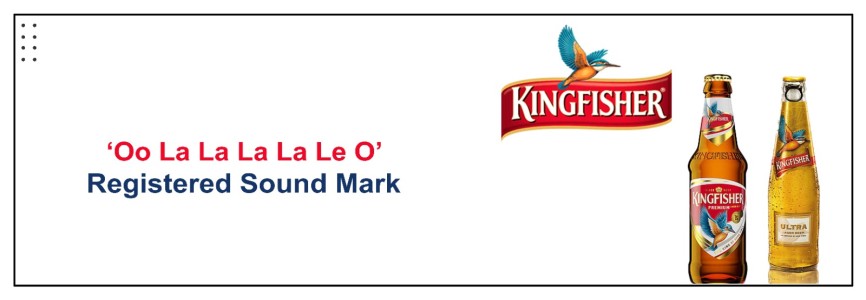



On February 5, 2026, United Breweries Limited (UBL), part of the Heineken group and one of India's leading brewing companies, received the official certificate from the Trade Marks Registry for this iconic sound “Oo la la la la le o” as a protected sound mark. The registration took effect from January 31, 2025, and it grants exclusive rights for ten years, with the possibility of renewal. This makes Kingfisher the first brand in India's alcoholic beverages sector to secure a registered sonic trademark. It's also noteworthy because UBL is the only packaged drinking water manufacturer with such a strong, unmistakable audio association. The jingle, described as an “Instrumental Melody (Sound Mark)” under Trade Mark No. 6834005, has been in consistent use since February 21, 1996. For nearly three decades, it has appeared in advertisements, IPL broadcasts, events, and even those quick breaks during cricket matches, instantly evoking the fun, premium, and lively spirit of Kingfisher beer.
Anyone who has followed cricket or seen Kingfisher ads knows how powerful this tune is. Just hearing those notes triggers memories of celebrations, beaches, good times, and the brand's signature blue-and-red imagery. Now legally protected in Class 32 (covering beers, non-alcoholic beverages, mineral and aerated waters, fruit beverages, juices, syrups, and preparations for making such drinks) and Class 33 (alcoholic beverages excluding beers, plus preparations for making them), the jingle is safeguarded across UBL's core product range. This broad protection prevents competitors from using similar sounds that could confuse consumers or dilute the brand's identity.
What Exactly Is a Sound Mark?
A Sound Mark is a type of trademark that protects a specific sound, tune, jingle, or audio sequence used to identify the source of goods or services. Unlike traditional marks such as logos, words, or symbols that we see, sound marks appeal directly to our hearing. They create an immediate, emotional connection, think of the Intel five-note chime, the MGM lion's roar, or the classic Nokia tune. These sounds become so linked to a brand that consumers recognise it without any visual cue.
In India, sound marks are governed by the Trade Marks Act, 1999, which defines a trademark as any mark capable of graphical representation and distinguishing one trader's goods or services from others. The Act doesn't specifically mention sounds, but the Trade Marks Rules, 2017, made registration practical by setting clear guidelines. Rule 26(5) requires the application to specify it's a sound mark, include a graphical representation (usually musical notation like staff with notes, clefs, tempo, and scale), and submit an MP3 audio file no longer than 30 seconds. The sound must be distinctive, not generic or merely descriptive and often needs proof of acquired distinctiveness through long, exclusive use, where the public associates it exclusively with the brand. For Kingfisher, decades of widespread advertising and consumer recall made this straightforward.
The Filing Process for a Sound Mark
Registering a sound mark follows the standard trademark route, but with extra steps for the audio element. It starts as an individual filing using Form TM-A on the IP India portal (ipindia.gov.in), which is user-friendly for e-filing. Applicants usually begin with a comprehensive trademark search to spot potential conflicts with existing marks.
The Registry examines the application for distinctiveness, proper representation, and similarity issues. If it clears the examination, it's published in the Trade Marks Journal, opening a four-month window for third parties to oppose. Oppositions, if any, involve evidence exchange and hearings. If unopposed or resolved in favour, registration is granted. Kingfisher's case proceeded as a multiclass application under Section 18(2) of the Act, allowing one form to cover multiple classes efficiently.
Fees and Any Subsidies Available
Trademark fees in India are per class and depend on the applicant's category, with incentives for smaller entities. For e-filing, individuals, startups (DPIIT-recognised), small enterprises, and MSMEs (with a valid Udyam certificate) pay Rs.4,500 per class via Form TM-A. Larger companies or other entities pay Rs.9,000 per class. Since Kingfisher's mark spans two classes, the government fee would have been doubled accordingly.
There are no special subsidies or reduced fees exclusively for sound marks the standard structure applies. However, the 50% concession for start-ups/MSMEs is a big help for smaller applicants. Physical filing is costlier (Rs.5,000 for individuals/start-ups and Rs.10,000 for others per class), so e-filing dominates. Beyond government fees, professional costs for trademark attorneys or agents typically range from Rs.5000 to Rs.10,000 or more, covering searches, drafting, responses to objections, and handling oppositions if they arise. Renewal every ten years mirrors these fees: Rs.4,500 or Rs.9,000 per class for e-filing.
Benefits of Multiple Classes in One Application
India's trademark system shines with its multiclass option under Section 18(2), letting applicants cover goods or services in multiple classes with a single Form TM-A and one set of fees (per class). This contrasts with countries requiring separate applications per class, which multiplies costs and paperwork.
UBL choosing Classes 32 and 33 was strategic, as it covers their entire beverage portfolio, from flagship beers to non-alcoholic variants and alcoholic mixes. This prevents rivals from using a mimicking tune on similar products, ensuring consistent brand recall. Multiclass filings save time, reduce administrative burden, and provide comprehensive protection in one go, making them ideal for diversified brands like Kingfisher.
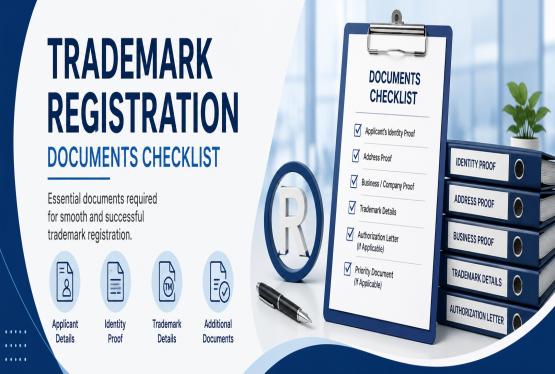
Documents Required for Registration
Sound mark applications demand standard trademark paperwork plus audio-specific items. Key requirements include:
-
Completed Form TM-A with applicant details (name, address, nationality, entity type).
-
Clear representation of the sound: musical staff notation (notes, scale, tempo, key), detailed written description, and/or waveform.
-
MP3 audio file (maximum 30 seconds, high quality for easy replay).
-
Proof of use affidavit: detailing first use date (February 21, 1996, for Kingfisher), sales/turnover figures, advertising evidence (ads, media placements), invoices, and consumer surveys showing association.
-
Power of Attorney or authorization if filed through an agent.
-
Priority documents (if claiming foreign convention priority).
-
Additional evidence for acquired distinctiveness: media coverage, market surveys, or declarations proving public recognition.
Why This Matters in Today's Branding World
Kingfisher's registration is a landmark in India's evolving IP landscape. As markets grow noisier and more competitive, brands increasingly rely on multisensory identities visuals, sounds, even scents to stand out. Protecting a jingle that triggers instant recall builds deeper loyalty and blocks imitators. UBL's move safeguards nearly 30 years of goodwill, ensuring the “Oo la la la la le o” remains exclusively tied to their fun, aspirational image.
If your brand has a unique, long-used sound with a strong consumer association, registration is achievable. It requires preparation, distinctiveness proof, proper files, and patience but the payoff is exclusive rights nationwide. In an era of digital ads and short attention spans, sonic branding can cut through clutter faster than visuals alone.
FAQ’s
Q1. Why did Kingfisher bother registering their old jingle now, after so many years?
Ans. That “Oo la la la la le o” tune has been blasting in ads and IPL breaks since 1996, building massive recall where people instantly think "Kingfisher" just from hearing it. Registering it as a sound mark in 2026 locks in exclusive legal rights, stopping competitors from using similar melodies to confuse fans or steal that fun vibe. It's a smart move to protect 30 years of brand goodwill in today's crowded market UBL is the first in India's booze sector to do this!
Q2. Can any catchy tune get registered as a sound mark like Kingfisher's, or is it super hard?
Ans. Not every sound qualifies; it has to be truly distinctive (not generic like a common doorbell), and people must strongly associate it only with your brand through long, exclusive use.
Kingfisher nailed it with decades of ads, sales proof, and consumer recognition; you submit musical notes plus an MP3, and the Registry checks rigorously.
If your jingle or chime has that instant "that's them!" magic, yes—it's possible, but strong evidence is key to approval.
Q3. How much did it probably cost United Breweries to register this Kingfisher sound mark?
Ans. Government fees for online filing are around Rs.9,000 per class for big companies like UBL (since it's in two classes 32 and 33 so roughly double that base amount).
Add professional lawyer fees (often Rs.20,000–Rs.60,000+ for searches, drafting, and handling any queries), making the total investment worthwhile for long-term protection.
Renewals every 10 years cost similar per-class fees definitely cheaper than losing your iconic tune to copycats!
Q4. What happens if a competitor tries to use a very similar jingle after this registration?
Ans. With the sound mark locked in (effective from Jan 2025, certificate Feb 2026), UBL can legally stop others from using anything deceptively similar on beers, drinks, or related products.
They could send cease-and-desist letters, file infringement suits, or seek court injunctions to block the copycat tune and claim damages.
Q5. Is this Kingfisher jingle registration a big deal for other Indian brands, or just for big companies?
Ans. Absolutely a big deal it shows India's trademark system now fully embraces "sonic branding" beyond logos, opening the door for startups and smaller brands too. If your audio hook (jingle, chime, or even a unique voice tag) has built a real public association over time, you can register it affordably (with start-up discounts at Rs.4,500/class). It's inspiring proof that everyday memorable sounds can become untouchable assets in a multisensory world Kingfisher just set a cool precedent!


_(b)_of_the_Trademark_Act,_1999_(1)_crop10_thumb.jpg)


_crop10_thumb.jpg)


_crop10_thumb.jpg)
_crop10_thumb.jpg)


_crop10_thumb.jpg)


_crop10_thumb.jpg)


_crop10_thumb.jpg)


_crop10_thumb.jpg)


_crop10_thumb.jpg)


_crop10_thumb.jpg)


_crop10_thumb.jpg)


_crop10_thumb.jpg)


_crop10_thumb.jpg)








_crop10_thumb.jpg)























_crop10_thumb.jpeg)


















_crop10_thumb.jpg)