


In the trademark registration under the Trade Marks Act, 1999 in India, receiving an Examination Report with objections is a common yet important stage. Whether the objections arise on absolute grounds, relative grounds or procedural issues, the applicant gets a vital opportunity to respond. The Trademark Objection Reply, a carefully drafted written submission backed by legal arguments, evidence, and precedents allows you to address each concern raised by the examiner. This response must be filed within the strict 30-day period from receipt of the report to prevent abandonment of the application and keep your brand protection journey on track.
What is Trademark?
Companies and brands use logos, designs, or a unique set of words to mark their products as their own something distinctive that really stands out. These elements make it easier for customers to recognize the brand, its quality, and even where the product comes from. That's why these identifiers used in business are called trademarks. In India, trademarks are recognized as intellectual property and are protected by law against any infringement.
The Trade Marks Act, 1999 is the main law in India that covers everything about trademarks, from registration and protection to the penalties for misuse. It safeguards both businesses (by giving them exclusive rights to their brand) and consumers (by helping them avoid confusion and trust the quality/origin of what they're buying).
Once a trademark is successfully registered under this Act, it stays valid for 10 years. After that, you can keep renewing it indefinitely for additional 10-year periods, as long as you pay the renewal fees on time.
What is a Trademark Objection?
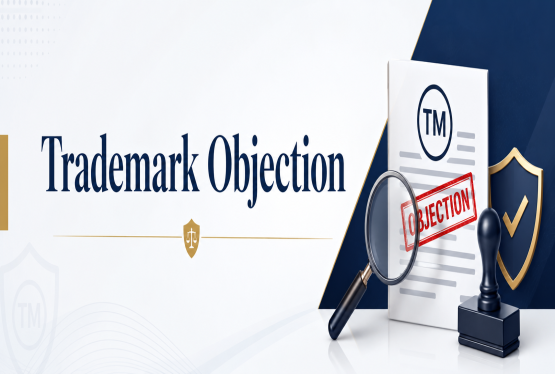
A trademark objection is a formal concern raised by the trademark examiner while reviewing your application. It shows that, in its present form, the application has issues that could prevent registration. The examiner lists these specific concerns clearly in the Examination Report sent to the applicant. Importantly, an objection is not the same as a rejection. Instead, it gives you a valuable opportunity to explain your position, provide supporting evidence, and correct any problems so the application can move forward.
What is Trademark Objection Reply?
If the Trademark Examiner reviews your proposed mark and determines it's not suitable for registration in its current form, they will raise formal objections on valid legal grounds. These objections are clearly detailed in the Trademark Examination Report issued by the examiner. The Trademark Registry then sends an official notice to the applicant (or their authorized agent), highlighting the specific objections and giving you the opportunity to respond. This notice provides a clear chance to clarify the issues, provide supporting evidence, or make necessary corrections. Your written response to these concerns is called the Trademark Objection Reply. It is an important step filing a well-prepared reply directly influences whether your application progresses toward acceptance, publication, and eventual registration.
Valid grounds for Trademark Objections
The examining authority can object to registering a proposed trademark if it fails to meet the valid grounds laid out in the Trade Marks Act, 1999. These grounds are primarily covered under two important sections: Section 9 and Section 11.
Section 9 deals with absolute grounds for refusal. These concern inherent problems with the mark itself, not anything related to other marks or external situations. The main purpose is to protect the general public. For instance, a mark may be refused if it lacks distinctiveness, is descriptive, deceptive, scandalous, against public policy, or consists of common shapes or customary terms that no single person should exclusively own.
In Jack Daniel’s Properties Inc. v. Manglam Krupa [2024 SCC Online Del 8564], the Delhi High Court stayed the registration of "JACK DANIEL'S" by an Indian firm for medicines. The court found the adoption mala fide, ruling it violated Sections 9 and 11 by lacking distinctiveness and causing public deception. It held that using such a famous name, even for different goods, unfairly exploits the brand's global goodwill. This ruling prevents the dilution of well-known marks and protects consumers from confusion.
Section 11, on the other hand, covers relative grounds for refusal. These objections stem from external factors, usually the existence of earlier similar trademarks. This includes cases where the new mark is identical or confusingly similar to an existing one for similar goods or services, or where it might take unfair advantage of or harm the reputation of a well-known mark. The focus here is to protect the legitimate interests of specific third parties who already own prior rights.
In the case of Danone Asia Pacific Holdings Pte. Ltd vs Syed Jawed Mohsin & Another on 24 September 2025 also known as Protinex vs. Protifix case, the Calcutta High Court cancelled the trademark "Protifix" for being deceptively similar to the famous "Protinex" brand. The court ruled that the name and packaging were too close, likely causing consumer confusion. Additionally, the mark was removed due to non-use, as the owners failed to prove they were actually selling products under that name.
Based on the above sections, let’s see what are the grounds for trademark objection under the Trademark Act:
Procedural or Formality Mistakes
Objections can arise if your trademark application doesn't follow the basic rules set by the Trademark Office. Common issues include choosing the wrong class for your goods or services, missing required documents, not paying the correct fees, or filling out the form incorrectly. These are usually straightforward to fix once the examiner points them out.
Objection under Section 9 of the Trademarks Act (Absolute Grounds)
The examiner may object if the trademark has inherent flaws that prevent it from being exclusively registered. These absolute grounds are meant to protect the public and maintain fairness. The most frequent objections occur when the mark lacks distinctiveness and cannot clearly distinguish your brand, when it is too generic, descriptive, or commonly used in the trade by relying on everyday words that describe the goods or services, when it is likely to mislead consumers about quality, origin, features, or nature, when it contains offensive, obscene, or scandalous elements or offends public policy or religious sentiments, or when it consists solely of the natural or functional shape of the goods without any distinctive addition.
Objection under Section 11 of the Trademark Act (Relative Grounds)
The examiner can object when your trademark conflicts with someone else’s existing rights. This usually happens if your mark is identical or confusingly similar to an earlier registered or pending trademark for similar goods or services. It can also occur if your mark might unfairly benefit from or harm the reputation of a well-known trademark. Another reason is if using or registering your mark would break any other Indian law protecting prior rights. These relative grounds aim to prevent consumer confusion and protect established brands.
Applicant not being Legitimate Owner
The examiner may object if you are not seen as the true owner of the trademark. This typically happens when you were not the first to use the mark in business, or when you have never used it and lack a genuine intention to start using it for the listed goods or services. In short, the law requires the applicant to be the original user or have a real plan to use the mark commercially. Without this, your claim to ownership can be challenged during examination.
Prior Existing Rights of a Third Party
The examiner may object if your proposed trademark is similar to one already owned by someone else. This happens when the office believes your mark could infringe on the prior rights of another business or individual. The main goal is to protect the existing trademark holder from confusion, unfair competition, or loss of their brand value. In such cases, the objection safeguards the interests of the earlier rights owner and helps avoid future legal disputes.
When should you file Trademark Reply Objections?
If the Trademark Examiner issues a favourable Examination Report accepting your proposed mark without objections, no action is required from you. The report is forwarded directly to the Trademark Registry, allowing the process to proceed automatically toward publication and registration.
However, if the report is adverse and raises objections, you must respond promptly. File a carefully drafted Trademark Objection Reply within 30 days from receipt of the report or notice from the Trademark Registry. This reply should present clear arguments, relevant evidence (such as proof of use or affidavits), and legal references to address and resolve each objection raised.
A well-prepared reply clarifies the issues, demonstrates the mark's registrability, and significantly improves the chances of approval. Missing the strict deadline results in abandonment of the application, leading to lost fees, time, and the need to refile from the beginning. Timely and effective action is essential to secure your trademark rights.
Can the Timeline for Filing Trademark Objection Reply be Extended?
In the absence of a reply within 30 days from the date of the adverse examination report, the trademark application will be deemed abandoned. To prevent this, the applicant has the option to apply for an extension of time by submitting Form TM-M to the registrar through their appointed trademark agent. The application for an extension should include a valid reason justifying the delay in responding to the examination report.
Once the extension is granted, the applicant can proceed with drafting the trademark objection reply. This reply must be carefully and meticulously prepared, addressing all the concerns raised in the examination report. Providing substantial evidence, legal arguments, and clarifications is crucial to strengthen the case and increase the likelihood of overcoming the objections.
What are the Consequences of not Filing Trademark Objection reply?
Applicants typically have 30-days window from receipt of the Examination Report to file a detailed, well-reasoned reply addressing every objection raised by the Registry. Missing this deadline or submitting an incomplete response usually results in abandonment of the application. This leads to loss of the original priority date, forfeiture of fees, and the need to start the entire process anew at significant extra cost and delay.
Conclusion
Timely and professionally drafted Trademark Objection Replies are often the difference between securing valuable trademark rights and losing the application to abandonment. By addressing every objection raised in the Examination Report with clear reasoning, supporting documents, and relevant precedents within the mandatory 30-day period, applicants greatly improve their chances of success and protect their brand identity effectively.
FAQs
Q1. What is a trademark objection?
Ans. A trademark objection is a formal issue raised by the trademark examiner during the examination of an application. It means the examiner has found legal or procedural problems with the trademark. An objection does not mean rejection but indicates that clarification is required. The applicant is given a chance to respond.
Q2. Is a trademark objection the same as rejection?
Ans. No, a trademark objection is not a rejection. It is an opportunity given to the applicant to explain, justify, or correct the issues raised by the examiner. If the reply is satisfactory, the application can proceed further. Rejection happens only if objections are not resolved.
Q3. Under which law are trademark objections raised in India?
Ans. Trademark objections are raised under the Trade Marks Act, 1999. Most objections fall under Section 9 (absolute grounds) or Section 11 (relative grounds). Section 9 deals with inherent defects in the mark, while Section 11 relates to conflict with existing trademarks.
Q4. What is a trademark objection reply?
Ans. A trademark objection reply is a written submission filed by the applicant in response to the Examination Report. It explains why the trademark should be registered despite the objections. The reply may include legal arguments, evidence, and clarifications. A strong reply improves the chances of acceptance.
Q5. What happens if a trademark objection reply is not filed on time?
Ans. The applicant must file the reply within 30 days from receiving the Examination Report. If no reply is filed within this period, the application is treated as abandoned. This results in loss of fees, priority date, and the need to file a fresh application.


_(b)_of_the_Trademark_Act,_1999_(1)_crop10_thumb.jpg)


_crop10_thumb.jpg)


_crop10_thumb.jpg)
_crop10_thumb.jpg)


_crop10_thumb.jpg)


_crop10_thumb.jpg)


_crop10_thumb.jpg)


_crop10_thumb.jpg)


_crop10_thumb.jpg)


_crop10_thumb.jpg)


_crop10_thumb.jpg)


_crop10_thumb.jpg)


_crop10_thumb.jpg)









_crop10_thumb.jpg)



























































































_crop10_thumb.jpeg)