


In the competitive world of Ayurvedic medicine, a brand name is not just a label printed on a bottle. It represents trust, quality, history, and consumer confidence built over many years. People often choose Ayurvedic products based on brand recognition, believing that a well-known name ensures safety and effectiveness.
The ACTIVEPUSHPA vs HEMPUSHPA Trademark Case, decided by the Delhi High Court on 24 December 2025, highlights the importance of protecting such brand identity. The Court strongly criticised businesses that try to gain unfair advantage by copying or imitating established trademark.
By cancelling the trademark “Activepushpa”, the Court reinforced that trademark law exists not only to protect businesses but also to safeguard consumers from confusion and deception.
Facts of the Case
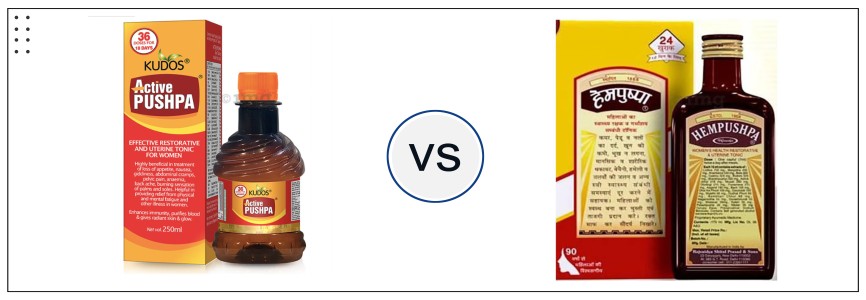
“Hempushpa” is a famous Ayurvedic tonic manufactured by Rajvaidya Shital Prasad and Sons. The product has been in use since 1933 and is mainly known for women’s health treatment. Over the years, the brand became very popular and earned a good reputation among consumers. The trademark “Hempushpa” was also legally registered under the Trademarks Act.
The problem started when the petitioner noticed another Ayurvedic product being sold under the name “Activepushpa.” This mark was registered by the respondent for similar pharmaceutical and therapeutic products. Because both products belonged to the same category, the petitioner feared that consumers might get confused between the two.
Believing that the respondent was trying to take advantage of their brand name, the petitioner filed a rectification petition before the Delhi High Court, requesting the removal of “Activepushpa” from the Trademarks Register.
Relevant Provisions of the Trademarks Act, 1999
Section 2(h): Deceptively Similar Marks
Section 2(h) of the Trademarks Act defines the term “deceptively similar.” According to this provision, a mark is said to be deceptively similar to another mark if it so closely resembles it that it is likely to deceive or confuse the public.
In the present case, the Court applied Section 2(h) to examine whether “Activepushpa” was deceptively similar to “Hempushpa.” The Court observed that both marks shared the word “Pushpa” and had a similar phonetic sound. Because the products were of the same nature and aimed at the same consumers, the Court held that there was a strong possibility of confusion. Therefore, Section 2(h) played a key role in deciding the issue of similarity.
Section 11: Relative Grounds for Refusal of Registration
Section 11 of the Trademarks Act deals with relative grounds for refusal of registration. It states that a trademark shall not be registered if it is identical or similar to an earlier trademark and if its use is likely to cause confusion among the public.
Although “Activepushpa” was already registered, the principles of Section 11 were still relevant. The Court held that since “Hempushpa” was an earlier trademark with strong goodwill, the registration of “Activepushpa” should not have been allowed in the first place. The continued presence of such a mark on the register would only increase confusion.
Thus, Section 11 supported the petitioner’s argument that two similar trademarks for similar goods should not coexist.
Section 12: Prohibition of Registration of Similar Trademarks
Section 12 prohibits the registration of identical or similar trademarks for the same or similar goods. The purpose of this section is to prevent confusion and protect consumers.
In this case, both “Hempushpa” and “Activepushpa” were used for Ayurvedic medicinal products. The Court found that allowing both marks to exist would violate the principle behind Section 12, as it would mislead consumers into believing that the products came from the same source.
Section 18: Application for Registration Must Be Bona Fide
Section 18 requires that an application for trademark registration must be made honestly and in good faith. If a trademark is adopted dishonestly, it can be challenged and removed.
The Delhi High Court observed that the respondent failed to explain why such a similar name was chosen. Given the long-standing reputation of “Hempushpa,” the Court concluded that the adoption of “Activepushpa” was not bona fide. Therefore, the requirement of honest adoption under Section 18 was not satisfied.
Section 34: Protection of Prior User Rights
Section 34 is one of the most important provisions applied in this case. It protects the rights of a prior user of a trademark, even against a registered proprietor.
The Court held that “Hempushpa” had been used since 1933, much before “Activepushpa.” Therefore, under Section 34, the petitioner’s rights as a prior user were stronger than the respondent’s rights as a registered proprietor. This section clearly supported the petitioner’s case.
Section 57: Rectification and Cancellation of Trademark
Section 57 allows the Court to remove or cancel a trademark from the register if it is wrongly registered or remains on the register without sufficient cause.
The rectification petition filed by the petitioner was based on this section. After finding that “Activepushpa” was deceptively similar and dishonestly adopted, the Delhi High Court exercised its powers under Section 57 and ordered the removal of the trademark from the register.
Why the Petitioner Approached the Court
The petitioner believed that the name “Activepushpa” was not chosen by chance. According to them, the respondent deliberately selected a name that closely resembled “Hempushpa” so that consumers would assume a connection between the two products.
The petitioner argued that:
-
they were the prior user of the trademark “Hempushpa”,
-
the brand had been used continuously for more than 90 years,
-
the mark had acquired strong goodwill and public recognition, and
-
the use of “Activepushpa” would confuse consumers and dilute the value of their brand.
On these grounds, the petitioner filed a rectification petition before the Delhi High Court under the Trademarks Act, requesting that the trademark “Activepushpa” be removed from the Trademarks Register.
Claim of Prior Rights and Established Goodwill
The petitioner strongly argued that they were the prior and lawful user of the trademark “Hempushpa.” Due to its continuous use for more than ninety years, the mark had acquired immense goodwill and a strong reputation in the Ayurvedic market.
The petitioner further contended that the adoption of the name “Activepushpa” was not accidental. According to them, the respondent deliberately chose a similar name to mislead consumers into believing that the product was associated with or derived from the well-known Hempushpa brand.
Court’s Observations
While deciding the case, the Court explained that trademark comparison should be done from the point of view of an ordinary customer. The law does not expect consumers to have a perfect memory or to compare two products side by side. Instead, the question is whether a normal person might mistakenly believe that both products come from the same source.
The Court noted that both trademarks contained the word “Pushpa,” which played an important role in the overall identity of the products. When spoken, “Hempushpa” and “Activepushpa” sounded quite similar. Since both were Ayurvedic medicines sold through similar shops, the chances of confusion were high.
The Court also pointed out that greater care is required in cases involving medicines. Confusion in such products can directly affect public health. Therefore, even a small possibility of confusion cannot be ignored.
Dishonest Adoption
Another important aspect of the judgment was the finding that the respondent had adopted the mark dishonestly. The respondent failed to give a proper explanation as to why such a similar name was chosen. Considering the long-standing reputation of “Hempushpa,” the Court found it unlikely that the respondent was unaware of the earlier brand.
The Court observed that in the Ayurvedic industry, companies often try to copy well-known names to gain quick acceptance in the market. However, such practices are unfair and illegal. By using the name “Activepushpa,” the respondent was clearly trying to benefit from the goodwill created by the petitioner over several decades.
Final Decision
After considering all facts and legal principles, the Delhi High Court allowed the rectification petition. The Court ordered that the trademark “Activepushpa” be removed from the Trademarks Register. The Registrar of Trademarks was directed to correct the register accordingly.
The Court made it clear that trademark registration does not give absolute rights. If a trademark is adopted dishonestly or causes confusion with an earlier mark, it can be cancelled.
Importance of the Judgment
This judgment is important for both businesses and consumers. It protects consumers from confusion, especially in the case of medicinal products. It also protects companies that invest time and effort in building a trustworthy brand.
The decision discourages unfair practices such as copying or imitating established brands. It promotes fair competition and encourages businesses to create original brand identities.
Relevant Case law
Protifix vs. Protinex — Calcutta High Court (24 September 2025)
In a major trademark decision, the Calcutta High Court cancelled the trademark registration of “Protifix” because it was held to be deceptively similar to the well-known protein brand “Protinex.”
Key Points:
-
The Court found that the logo, style, colour combination, trade dress and overall impression of Protifix were likely to deceive an ordinary consumer.
-
It emphasised that a shopper is not a “Sherlock Holmes” and may be confused by similarities in packaging and appearance.
-
The mark was also found to be adopted in bad faith, suggesting an intention to benefit from the reputation of Protinex.
Judgment Date: 24 September 2025
Court: Calcutta High Court
Principle Involved: Deceptive similarity and bad faith in trademark adoption.
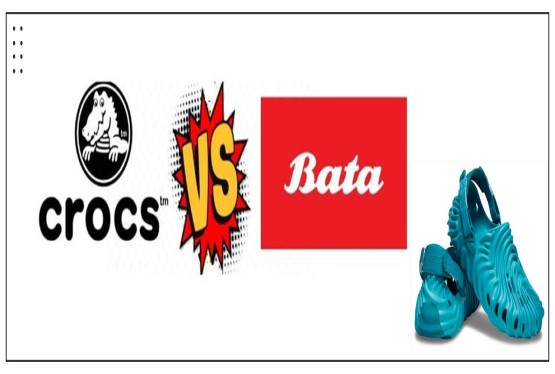
Crocs Inc. vs. Croose — Delhi High Court (27 September 2025)
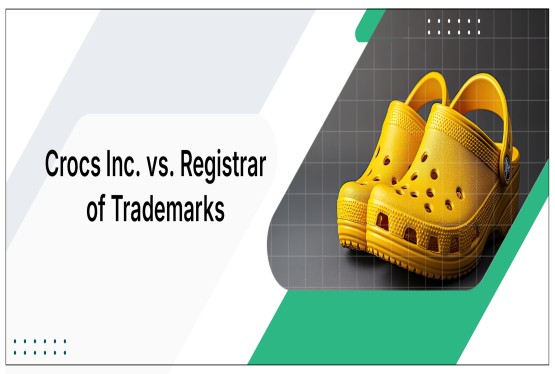
In this case, the Delhi High Court cancelled the trademark “CROOSE” for footwear on the ground that it was deceptively similar to the globally recognised “Crocs” mark.
Key Points:
-
The Court held that phonetic resemblance, visual similarity, and identical placement on products created a likelihood of confusion among average consumers.
-
The judgment applied Section 11(1)(b) of the Trademarks Act, which prohibits registration where similarity in marks and goods leads to a real risk of confusion.
-
The Court also noted that the respondent previously used unrelated marks and shifted to “CROOSE” in a calculated attempt to leech off Crocs’ goodwill.
Judgment Date: 27 September 2025
Court: Delhi High Court
Principle Involved: Deceptive similarity and likelihood of confusion under Section 11(1)(b) of the Trademarks Act.
Delhi Public School Society vs. Delhi Public School International Bhiwadi — Delhi High Court (8 December 2025)
The Delhi High Court granted an ex-parte ad interim injunction in a trademark dispute over the longstanding “Delhi Public School” / “DPS” marks.
Key Points:
-
“Delhi Public School” and “DPS” are well-known marks in education and registered across multiple classes.
-
The defendant’s use of the same name and very similar logo design for its school was found prima facie to be deceptively similar, likely to cause public confusion.
-
The Court emphasised that even proposed use of a confusingly similar logo and name can justify urgent relief under trademark principles.
Judgment Date: 8 December 2025
Court: Delhi High Court
Principle Involved: Trademark protection for well-known marks and injunction against deceptively similar use.
Temporary Stay on Wellford Pudin Hara Registration — Delhi High Court (12 December 2025)
In another important trademark dispute, the Delhi High Court stayed the registration of “Wellford Pudin Hara” following a plea by Dabur India.
Key Points:
- The Court found that the proposed mark would “subsume” Dabur’s existing trademark (likely under Class 5 or related classes) and create a real likelihood of confusion.
- As a result, the High Court temporarily halted the registration process to protect Dabur’s established rights.
Judgment/Order Date: 12 December 2025
Court: Delhi High Court
Principle Involved: Interlocutory protection to prevent confusingly similar registration.
Under Armour Inc. vs. Ashwani — Delhi High Court (29 March 2025)
In this trademark cancellation, the Delhi High Court found the impugned “AU” mark to be deceptively similar to the famous “UA” mark owned by Under Armour.
Key Points:
-
The Court held that the contested mark was visually and phonetically similar to the established brand.
-
Since Under Armour had extensive brand recognition from long-term use, the likelihood of confusion was significant, and the impugned mark was ordered to be removed from the register.
Judgment Date: 29 March 2025
Court: Delhi High Court
Principle Involved: Trademark cancellation due to deceptive similarity.
Conclusion
The ACTIVEPUSHPA vs HEMPUSHPA trademark case, decided by the Delhi High Court on 24 December 2025, is a strong reminder that honesty and originality are essential in business. The Court rightly protected a brand that had earned consumer trust over decades and prevented another company from taking unfair advantage of that reputation.
The judgment strengthens Indian trademark law and ensures that the marketplace remains fair and safe for consumers. It clearly shows that long-term success cannot be achieved through imitation, but only through genuine quality and innovation.
FAQs
Q1. What was the dispute in the ACTIVEPUSHPA vs HEMPUSHPA case?
Ans: The dispute concerned whether the trademark “Activepushpa” was deceptively similar to the earlier and well-known trademark “Hempushpa”, and whether its registration should be cancelled.
Q2. Who was the petitioner in this case?
Ans: The petitioner was Rajvaidya Shital Prasad and Sons, the manufacturer of the Ayurvedic tonic Hempushpa, which has been in continuous use since 1933.
Q3. Why did the petitioner approach the Delhi High Court?
Ans: The petitioner approached the Court because the use of “Activepushpa” for similar Ayurvedic products was likely to confuse consumers and dilute the goodwill of the long-established Hempushpa brand.
Q4. What relief did the petitioner seek?
Ans: The petitioner filed a rectification petition under the Trademarks Act, 1999, seeking removal of the trademark “Activepushpa” from the Trademarks Register.
Q5. How did the Court determine deceptive similarity?
Ans: The Court observed that:
- Both marks contained the word “Pushpa”
- They were phonetically similar
- Both were used for Ayurvedic medicinal products
Hence, an ordinary consumer could easily be confused.
Q6. Why are stricter standards applied in cases involving medicines?
Ans: Because confusion in medicinal products can directly affect public health, even a small likelihood of confusion is considered unacceptable.
Q7. Which provisions of the Trademarks Act were applied in this case?
Ans: The Court relied on the following provisions:
- Section 2(h) – Deceptively similar marks
- Section 11 – Relative grounds for refusal of registration
- Section 12 – Prohibition of similar marks for similar goods
- Section 18 – Requirement of honest adoption
- Section 34 – Protection of prior user rights
- Section 57 – Rectification and cancellation of trademark
Q8. What is meant by “prior user” and how was it relevant here?
Ans: A prior user is a person who has been using a trademark earlier in time.
In this case, Hempushpa, being in use since 1933, enjoyed stronger rights than the later registered mark “Activepushpa” under Section 34.
Q9. Why did the Court hold that “Activepushpa” was dishonestly adopted?
Ans: The respondent failed to justify the adoption of a name so similar to a well-known brand. Given the long reputation of Hempushpa, the Court inferred bad faith and dishonest intention.
Q10. What was the final decision of the Court?
Ans: The Delhi High Court allowed the rectification petition and ordered that the trademark “Activepushpa” be removed from the Trademarks Register.


_(b)_of_the_Trademark_Act,_1999_(1)_crop10_thumb.jpg)


_crop10_thumb.jpg)


_crop10_thumb.jpg)
_crop10_thumb.jpg)


_crop10_thumb.jpg)


_crop10_thumb.jpg)


_crop10_thumb.jpg)


_crop10_thumb.jpg)


_crop10_thumb.jpg)


_crop10_thumb.jpg)


_crop10_thumb.jpg)


_crop10_thumb.jpg)


_crop10_thumb.jpg)








_crop10_thumb.jpg)



















































_crop10_thumb.jpeg)














































_crop10_thumb.jpg)