


Trademarks play an important role in building a brand’s identity. They help customers easily recognize a product or service and also protect the brand from being copied or misused by others. In India, trademarks are regulated under the Trademarks Act, 1999.
However, trademark registration is not an instant process. After filing a trademark application, it goes through examination by the Trademark Office. During this stage, many applicants face a common issue known as “Trademark Objection.” When an application gets objected, people often panic and assume their trademark has been rejected. This is not true.
One of the most common questions asked by applicants is:
How long can a trademark stay in objected status?
What Is Trademark Objection?
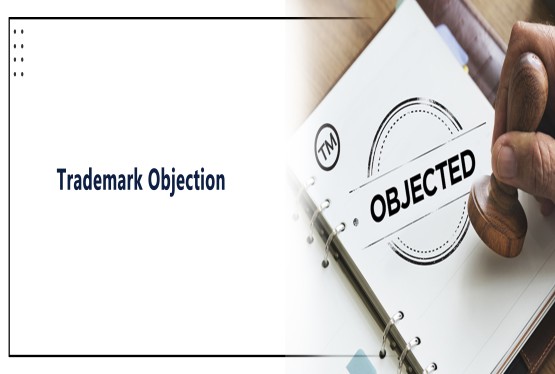
Trademark objection means that the Trademark Examiner has found some issues in the trademark application during examination. Instead of rejecting the application directly, the examiner gives the applicant a chance to explain or correct those issues.
In simple words, trademark objection is a question raised by the Trademark Office, not a rejection. It shows that the application needs clarification or justification before it can move forward.
Once the objection is raised, the Trademark Office issues an Examination Report, mentioning the reasons for objection. The applicant must reply to this report within the given time limit.
Why Do Trademark Objections Occur?
Trademark objections usually happen because the examiner feels that the trademark does not meet legal requirements. These objections are mainly based on provisions of the Trademarks Act, 1999.
Objection Due to Lack of Distinctiveness – Section 9
Under Section 9 of the Trademarks Act, a trademark should be capable of distinguishing the applicant’s goods or services from others. If the mark is too common, descriptive, or generic, the examiner may object.
For example, using words like “Best,” “Fresh,” or “Quality” alone as a trademark may not be allowed because such words are commonly used in trade and do not create a unique identity.
This objection means that the trademark does not appear unique enough in the examiner’s opinion.
Objection Due to Similarity with Existing Trademarks – Section 11
Another common reason for objection is similarity with an existing trademark. According to Section 11, a trademark cannot be registered if it is identical or similar to an already registered or pending trademark and may confuse the public.
Similarity can be in:
- Name
- Sound
- Meaning
- Overall appearance
Even a small similarity can lead to objection if it creates confusion in the minds of consumers.
Objection Due to Incorrect Trademark Class
Trademarks are registered under specific classes based on the type of goods or services. If an applicant selects the wrong class or writes an unclear description, the examiner may raise an objection.
This type of objection is procedural and can usually be fixed easily by clarification.
Objection Due to Incorrect Details or Documents
Sometimes objections are raised because of technical mistakes such as:
- Incorrect applicant name
- Wrong address
- Missing authorization document (TM-48)
- Poor quality logo image
These objections are not serious but must be corrected on time.
Legal Provisions Related to Trademark Objection
Trademark objections are governed by the Trademarks Act, 1999. Some important sections include:
Section 9 – Absolute Grounds for Refusal
This section deals with trademarks that:
- Are descriptive
- Are generic
- Are commonly used in trade
- Do not have distinctive character
If a trademark falls under these conditions, it may face objection.
Section 11 – Relative Grounds for Refusal
This section applies when a trademark is:
- Similar or identical to an existing trademark
- Likely to cause confusion among the public
Most objections are raised under this section.
Section 21 – Opposition After Publication
Once a trademark is accepted and published, third parties can oppose it within four months. Although this is different from objection, it is still an important part of the registration process.
How Long Can a Trademark Stay in Objected Status?
There is no fixed time limit mentioned in the law for how long a trademark can remain in objected status. The duration depends on various factors such as response time, hearings, of the Trademark.
Issuance of Examination Report
After filing a trademark application, the examiner reviews it. If objections exist, an Examination Report is issued. This usually happens within one to three months, but it can take longer in some cases.
Time to Reply to Objection
Once the Examination Report is issued, the applicant gets 30 days to file a reply. This reply should properly explain why the trademark should be accepted. If the reply is clear and legally strong, the objection may be removed without further action.
Hearing Stage
If the examiner is not satisfied with the reply, a hearing notice is issued. Due to administrative delays, hearings may take several months to be scheduled. After the hearing, the examiner decides whether to accept or refuse the trademark.
Total Duration of Objected Status
In normal cases, a trademark may stay in objected status for around 6 months to 1 year. However, if hearings are delayed or replies are not handled properly, it can extend to 2 years or even more.
So, the time period is flexible and depends largely on how actively the applicant follows up.
What Happens If No Reply Is Filed?
If the applicant does not reply to the Examination Report within 30 days, the Trademark Office treats the application as abandoned. This means:
- The application is closed
- Trademark rights are lost
- A fresh application must be filed again
Therefore, timely response is very important.
Can an Objected Trademark Still Be Registered?
Yes, absolutely. Many trademarks get registered even after objection. Objection is a normal part of the process and does not mean failure.
If the applicant provides:
- Proper explanation
- Legal reasoning
- Supporting documents
- Proof of use (if any)
The examiner may accept the trademark.
Difference Between Trademark Objection and Trademark Opposition
Trademark objection is raised by the Trademark Examiner during examination, while trademark opposition is filed by a third party after publication. Both are different stages, but objection comes first.
Understanding this difference helps applicants respond correctly.
How to Reduce the Risk of Trademark Objection?
Trademark objections can be minimized by:
-
Conducting a proper trademark search
-
Choosing a unique and creative name
-
Avoiding descriptive or common words
-
Filing under the correct class
-
Providing accurate details and documents
Although objections cannot always be avoided, preparation helps a lot.
Conclusion
Trademark objection is a common and important step in the trademark registration process in India. It gives applicants a chance to explain and defend their trademark. A trademark can remain in objected status from a few months to more than a year, depending on how the objection is handled.
By understanding the objection process, relevant sections like Section 9 and Section 11 of the Trademarks Act, 1999, and responding on time with proper explanation, applicants can successfully move their trademark towards registration.
Frequently Asked Questions (FAQs)
Q.1 What does “Trademark Objected” status mean?
Ans. Trademark objected status means that the Trademark Examiner has raised certain questions or issues with the trademark application after examination. It does not mean that the trademark is rejected. The applicant is given an opportunity to explain or clarify the issues by filing a reply to the Examination Report.
Q2. Is trademark objection the same as trademark rejection?
Ans. No, trademark objection and trademark rejection are not the same. Objection is only a temporary stage where the examiner asks for clarification. Rejection happens only if the applicant fails to reply properly or does not satisfy the examiner even after hearing.
Q3. How long does a trademark remain in objected status in India?
Ans. There is no fixed time limit. Generally, a trademark can remain in objected status for 6 months to 1 year. In some cases, due to hearings or delays at the Trademark Registry, it may continue for 2 years or more.
Q4. What is the time limit to reply to a trademark objection?
Ans. The applicant must reply to the Examination Report within 30 days from the date of receipt. If no reply is filed within this time, the trademark application is treated as abandoned.
Q5. What happens if I do not reply to the objection on time?
Ans. If no reply is filed within 30 days, the Trademark Office will mark the application as abandoned. This means the application is closed and the applicant will have to file a fresh trademark application if they want protection.
Q6. Can a trademark be registered even after objection?
Ans. Yes, many trademarks are successfully registered after objection. If the reply is properly drafted with legal explanation, supporting documents, and evidence of use (if available), the examiner may accept the trademark.
Q7. Which sections of law are commonly involved in trademark objections?
Ans. Most trademark objections are raised under:
- Section 9 of the Trademarks Act, 1999 (lack of distinctiveness)
- Section 11 of the Trademarks Act, 1999 (similarity with existing trademarks)
Q8. Is a hearing always required in trademark objection cases?
Ans. No, a hearing is not mandatory in every case. If the examiner is satisfied with the written reply to the objection, the trademark may be accepted without a hearing. A hearing is scheduled only when further clarification is needed.
Q9. What documents can help in clearing a trademark objection?
Ans. Documents that may help include:
- Proof of prior use
- Invoices and bills
- Advertising materials
- Website screenshots
- Affidavit of use
These documents help prove the uniqueness and use of the trademark.
Q10. Does trademark objection affect brand rights?
Ans. Trademark objection does not cancel brand rights immediately. As long as the application is active and properly defended, the applicant can continue using the trademark. However, registration is confirmed only after acceptance.
Q11. Can trademark objection be avoided completely?
Ans. Trademark objection cannot be fully avoided, but the chances can be reduced by conducting a proper trademark search, choosing a unique mark, filing under the correct class, and providing accurate details and documents.


_(b)_of_the_Trademark_Act,_1999_(1)_crop10_thumb.jpg)


_crop10_thumb.jpg)


_crop10_thumb.jpg)
_crop10_thumb.jpg)


_crop10_thumb.jpg)


_crop10_thumb.jpg)


_crop10_thumb.jpg)


_crop10_thumb.jpg)


_crop10_thumb.jpg)


_crop10_thumb.jpg)


_crop10_thumb.jpg)


_crop10_thumb.jpg)


_crop10_thumb.jpg)









_crop10_thumb.jpg)




































































_crop10_thumb.jpeg)


















































_crop10_thumb.jpg)