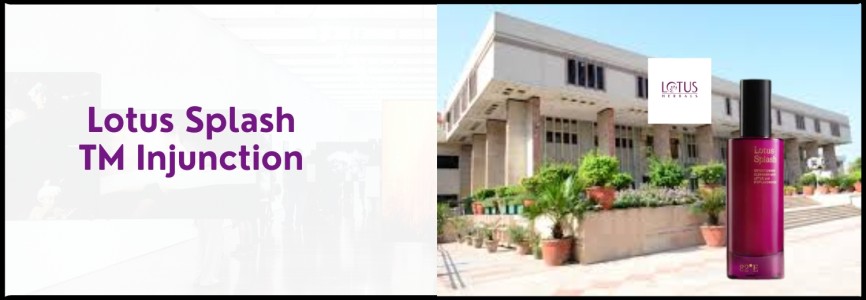



Shoppers often pick products quickly based on names they've heard of, especially when everything promises the same things like clean skin, a nice glow, or natural herbs. When one company thinks another is copying its name too much, it sparks fights in court over trademark copying and trying to pass off one product as another's. Lotus Herbals, a well-known name in herbal beauty stuff for many years, ran into this problem with a newer brand called 82°E over the word "Lotus" in a face cleanser named "Lotus Splash".
The main question was straightforward: Is selling a face cleanser as "Lotus Splash" stepping on Lotus Herbals' old "Lotus" trademarks? A single judge first said no, calling it just a descriptive way to say the product has lotus in it or feels splashy. But the higher bench of two judges didn't agree. They said it looked like copying and should be stopped for now while the full case goes on.
This ruling really shows why it's important to guard famous old brands from getting watered down, even if the new company says they meant no harm and were just describing their stuff. It also makes clear how judges try to weigh long-time rights against letting everyone compete fairly in a market packed with similar items.
Facts of the Case
Lotus Herbals Private Limited has built a strong presence in India's cosmetics sector since the 1990s. The company owns the word mark "LOTUS" along with numerous device marks (logos featuring lotus elements) registered in Classes 3 and 5. Their earliest registration dates back to August 2, 1996. Over the years, they expanded with sub-brands like Lotus Herbals Professional, Lotus Sunsafe, Lotus Glowhite, and many others, totalling 55 registrations. Lotus Herbals also held copyright in its logo since 2011.
The company enjoys substantial goodwill, reflected in massive sales of around Rs. 529 crores in 2021-22 and Rs. 695 crores in 2022-23 and heavy advertising spends of over Rs. 100 crores annually in those years. They sponsor events, including the IPL team Kings XI Punjab from 2017-2023, and operate the website www.lotusherbals.com. Their products include face washes, creams, sunscreens, and more, often highlighting herbal and natural ingredients.
The respondents, DPKA Universal Consumer Ventures Private Limited (operating as 82°E), launched a range of skincare products under an "umbrella" brand, 82°E. Their lineup features creative, nature-inspired names like Ashwagandha Bounce, Turmeric Shield, Licorice Beam, Gotu Kola Dew, and Patchouli Glow. Among them was a face cleanser/conditioning cleanser marketed as "Lotus Splash". This product appeared in physical stores and online via www.82e.com. The packaging prominently displayed "Lotus Splash" near the top, with "82°E" at the base, and a description below mentioning "conditioning cleanser with lotus and bioflavonoids".
Lotus Herbals noticed this and sent a cease-and-desist notice on February 6, 2023, demanding that the respondents stop using "Lotus Splash". When no satisfactory response came, Lotus Herbals filed a suit (CS(COMM) 454/2023) seeking a permanent injunction against infringement and passing off. They also applied for a temporary injunction under Order XXXIX, Rules 1 & 2 CPC to restrain the respondents during the suit.
The single judge dismissed the injunction application on January 25, 2024, prompting Lotus Herbals to file this appeal. Procedural aspects included condoning a short delay in filing replies and deleting one party (Intercos India Pvt. Ltd.) by consent.
Legal Provisions Involved
The case revolves around key provisions of the Trade Marks Act, 1999:
Section 29 deals with infringement. Subsection (1) states that using an identical or deceptively similar mark for similar goods without permission amounts to infringement if it causes confusion. Subsection (2) covers cases where the mark is identical, and goods are identical, presuming confusion. Subsection (4) and (5) protect well-known marks even against dissimilar goods if unfair advantage is taken or detriment caused.
Section 30(2)(a) provides a defence: use of a mark does not constitute infringement if it is descriptive of the character or quality of goods and done in good faith, without intent to take unfair advantage.
Principles of passing off (common law tort) require proving goodwill/reputation, misrepresentation leading to confusion, and damage. For interim injunctions, courts apply the tripartite test: prima facie case, balance of convenience, and irreparable injury (as per Order XXXIX CPC and precedents like Wander Ltd. v. Antox India).
The appeal focused on whether "Lotus Splash" was infringing under Section 29 or protected as descriptive under Section 30(2)(a).
Court's Reasoning
The Division Bench carefully examined the marks, products, and conduct of the parties. They acknowledged Lotus Herbals' strong prima facie case. With registrations since 1996 and huge turnover/advertising, "Lotus" had acquired distinctiveness and goodwill in Classes 3 and 5. The mark was not purely descriptive; it functioned as a source identifier for herbal cosmetics. On similarity, the court applied the "dominant feature" test. "Lotus" was the essential part of both marks. "Splash" was subsidiary, and the overall impression was deceptively similar, especially for identical goods (face cleansers). Likelihood of confusion, including initial interest confusion, was high; consumers might assume an association with Lotus Herbals.
The respondents' main defence was Section 30(2)(a) that "Lotus Splash" descriptively indicates lotus ingredients in a splashy cleanser. The Bench rejected this. The phrase "conditioning cleanser with lotus and bioflavonoids" already described the ingredients and function. If "Lotus Splash" were truly descriptive, the additional phrase would be redundant. The court noted the respondents treated "Lotus Splash" as a trade/sub-brand, prominently placed, used in advertising, and even in keyword purchases like "Lotus Face Wash" (suggesting intent to capture Lotus Herbals' traffic). The respondents registered trademarks for other products (Ashwagandha Bounce, etc.) but not "Lotus Splash" indicating awareness of potential issues and possible bad faith. This conduct undermined the "good faith" requirement of Section 30(2)(a).
The Bench distinguished cases where descriptive use was allowed, emphasising that commercial use here went beyond honest indication of ingredients. They cited precedents like Cadila Healthcare v. Cadila Pharmaceuticals (on confusion in pharma/cosmetics) and others reinforcing protection for prior registered marks. On balance of convenience and irreparable injury: Lotus Herbals would suffer dilution of goodwill and confusion if use continued. The respondents could rebrand without disproportionate harm, as their core brand was "82°E". The suit's pendency favoured preserving the status quo, favouring the prior registrant.
The impugned single-judge order was set aside, and an interim injunction was granted restraining the respondents from using "Lotus Splash" or any deceptively similar "Lotus" derivatives for cosmetics/hygiene products till suit disposal.
Conclusion
Trademark law protects not just words but the goodwill built around them over the years. Lotus Herbals' victory in appeal shows courts scrutinise claims of "descriptive use" when evidence suggests branding intent or riding on another's reputation. It highlights the need for original naming and due diligence before launch. For consumers, it ensures a clearer distinction between products, reducing confusion in a market flooded with herbal claims.
The case remains pending for final adjudication, but the interim order protects Lotus Herbals' position in the meantime. In an industry where star-backed brands compete with legacy players, such rulings reinforce that prior rights and honest commercial practices matter most. The decision promotes fair competition while safeguarding established identities in India's booming beauty sector.


_(b)_of_the_Trademark_Act,_1999_(1)_crop10_thumb.jpg)


_crop10_thumb.jpg)


_crop10_thumb.jpg)
_crop10_thumb.jpg)


_crop10_thumb.jpg)


_crop10_thumb.jpg)


_crop10_thumb.jpg)


_crop10_thumb.jpg)


_crop10_thumb.jpg)


_crop10_thumb.jpg)


_crop10_thumb.jpg)


_crop10_thumb.jpg)


_crop10_thumb.jpg)









_crop10_thumb.jpg)













































































_crop10_thumb.jpeg)





























































_crop10_thumb.jpg)