




Bombay High Court which strengthens the protection of trademarks in India. It emphasizes that a brand is not just a name or logo but a valuable business asset that represents identity, reputation, and trust. The judgment highlights that even small or subtle similarities in branding such as packaging, design, or name can mislead consumers and may amount to passing off or infringement. The court made it clear that such practices will not be tolerated and that established brands are entitled to strong legal protection. Overall, the ruling reinforces the rights of trademark owners, ensures fair competition in the market, and protects consumers from confusion, while also preserving the goodwill associated with a brand.
Background of the Case
Empire Spices & Foods Ltd. had established a strong market presence, with its trademark and packaging becoming distinctive and well-recognized among consumers. This gave the company valuable goodwill and brand identity. The defendant, however, was allegedly using a similar mark and packaging, which closely resembled that of the plaintiff. Such similarity had the potential to confuse consumers, making them believe that the defendant’s products were linked to or originated from Empire Spices & Foods Ltd. Due to this likelihood of confusion and misuse of its brand reputation, the plaintiff approached the court by filing a suit for trademark infringement and passing off, seeking legal protection and restraint against the defendant.
Key Legal Issues Involved
-
Deceptive Similarity: The Court examined whether the defendant’s trademark and packaging were so similar to the plaintiff’s mark that an average consumer could mistake one for the other. Even minor similarities in appearance, sound, or overall impression can amount to deceptive similarity if they create confusion in the marketplace.
-
Passing Off: This issue focuses on whether the defendant was misrepresenting their goods as those of the plaintiff. Passing off occurs when a party tries to take advantage of the reputation and goodwill already built by another brand, thereby misleading consumers and gaining unfair commercial benefit.
-
Consumer Confusion: The Court assessed whether the similarity between the two marks could confuse consumers into believing that the products come from the same source or are somehow connected. The likelihood of confusion is a key factor in determining trademark infringement and is judged from the perspective of an ordinary buyer.
-
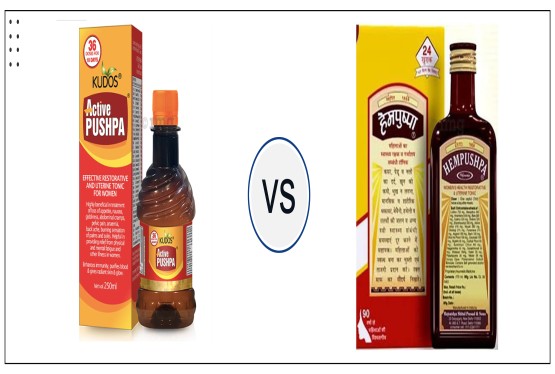
Protection of Trade Dress: Beyond the trademark itself, the Court also considered whether the defendant copied the overall look and feel of the plaintiff’s product such as packaging, color scheme, layout, and design. Trade dress protection ensures that the distinctive visual identity of a product is not imitated in a way that misleads consumers.
Court’s Observations
-
Similarity in Overall Impression: The Court clarified trademark infringement does not require identical marks. What matters is the overall impression created in the minds of consumers. If the defendant’s mark appears similar in look, sound, or idea and is likely to mislead consumers, it can still amount to infringement.
-
Importance of Trade Dress: The Court emphasized that a brand is not limited to its name alone. Elements such as packaging, colour combination, design, layout, and presentation form the product’s trade dress. Imitating these aspects can create confusion and may constitute passing off, even if the brand name is slightly different.
-
Consumer Perspective: The judgment applied the test of an average consumer with imperfect recollection. This means the Court evaluates whether a typical buyer who does not remember every detail could be confused between the two products due to their similarities.
-
Intent to Mislead: The Court observed that the similarity was unlikely to be accidental. Instead, it inferred that the defendant deliberately adopted a similar mark and presentation to take advantage of the plaintiff’s goodwill and reputation, indicating dishonest intention.
Judgment and Relief Granted
-
Injunction Against Use of Similar Trademark: The Court passed an injunction restraining the defendant from using the deceptively similar trademark. This means the defendant was legally prohibited from continuing any use of the mark that could infringe the plaintiff’s rights.
-
Prohibition on Similar Packaging or Trade Dress: The Court also barred the defendant from using packaging, colour schemes, or overall presentation that resembled the plaintiff’s product. This ensured that the defendant could not imitate the visual identity of the brand to mislead consumers.
-
Protection of Brand Identity and Goodwill: By granting relief, the Court safeguarded the plaintiff’s established reputation and goodwill in the market. It recognized that such intangible assets are valuable and deserve legal protection against misuse or imitation.
-
Judicial Approach to Unfair Trade Practices: The ruling reinforced that courts take a strict view of unfair trade practices. When there is clear evidence of deceptive similarity or passing off, courts are willing to act promptly to prevent further harm and uphold intellectual property rights.
Legal Principles Reinforced
-
Passing Off Protects Goodwill:The Court reaffirmed that even if trademarks are not identical, a claim of passing off can still succeed. If the defendant’s actions create a false impression that their goods are associated with the plaintiff, thereby misleading consumers and exploiting the plaintiff’s reputation, it amounts to passing off. This principle ensures that a business’s goodwill is legally protected.
-
Trade Dress is Protectable: The judgment emphasized that a brand’s identity is not limited to its name or logo. Elements such as packaging, colour combinations, design, and overall presentation collectively known as trade dress are equally important. If these elements are copied in a way that causes confusion, they are entitled to legal protection.
-
No Need for Exact Copy: The Court clarified that infringement does not require an exact replica. Even minor differences in spelling, font, or design will not protect the defendant if the overall look and impression of the mark is similar enough to mislead consumers. What matters is the likelihood of confusion, not exact duplication.
-
Consumer Protection is Key: At its core, trademark law is designed to protect consumers. The judgment highlighted that preventing confusion and deception in the marketplace is the primary objective. Ensuring that consumers can clearly distinguish between brands helps maintain fairness and trust in commercial transactions.
Relevant Sections
-
Section 9 – Absolute Grounds for Refusal: This section deals with marks that cannot be registered because they lack distinctiveness or are descriptive in nature. In this case, the Court noted that although a mark may initially be descriptive, it can gain distinctiveness through long and continuous use. The plaintiff’s mark had acquired such recognition in the market, which strengthened its legal protection.
-
Section 11 – Relative Grounds for Refusal: This provision prevents registration of trademarks that are identical or deceptively similar to already existing marks. The Court observed that the defendant’s mark closely resembled the plaintiff’s mark, creating a likelihood of confusion among consumers, which falls squarely under this section.
-
Section 27 – No Action for Infringement of Unregistered Trademark (Passing Off): While this section bars infringement actions for unregistered trademarks, it expressly allows passing off claims. The Court relied on this principle to highlight that goodwill and reputation are protectable, even if certain elements of the brand are not formally registered.
-
Section 29 – Infringement of Registered Trademark: This section defines trademark infringement and includes cases where a mark is identical or deceptively similar, causing confusion or association. The Court applied this provision to determine that the defendant’s use of a similar mark and presentation amounted to infringement due to deceptive similarity and likelihood of confusion.
-
Section 134 – Jurisdiction of Courts: This section specifies that trademark disputes can be filed before District Courts or High Courts having appropriate jurisdiction. It enabled the plaintiff to approach the competent court (in this case, the High Court) for relief.
-
Section 135 – Relief in Suits: This provision empowers courts to grant remedies such as injunctions, damages, or account of profits in cases of infringement or passing off. Based on this section, the Court granted an injunction, restraining the defendant from continuing the infringing activities and protecting the plaintiff’s brand.
Court’s Observations
Deceptive Similarity Test
The Court reiterated that trademarks do not need to be exactly identical to constitute infringement. What is crucial is the overall impression created in the mind of an average consumer. Even partial resemblance in appearance, sound, or idea can lead to confusion. In Cadila Health Care Ltd. v. Cadila Pharmaceuticals Ltd. (2001), the Supreme Court established that similarity must be judged from the perspective of a consumer with imperfect recollection, not a side-by-side comparison.
Trade Dress Protection
The Court emphasized that a brand’s identity goes beyond its name. Elements like packaging, colour scheme, layout, and presentation (trade dress) play a vital role in consumer recognition. Copying these elements can mislead consumers and amount to passing off. In Colgate Palmolive Co. v. Anchor Health & Beauty Care Pvt. Ltd. (2003), the Delhi High Court held that imitation of trade dress is actionable, even if the brand names differ.
Passing Off and Goodwill
The Court observed that the defendant attempted to benefit from the plaintiff’s established reputation. Passing off occurs when a party misrepresents its goods as those of another, causing harm to goodwill.
The principle was laid down in Reckitt & Colman Products Ltd. v. Borden Inc. (1990), which introduced the classic trinity of passing off:
-
Goodwill
-
Misrepresentation
-
Damage
No Defence of Honest Adoption
The Court rejected the argument that the similarity was coincidental. Even if the defendant claims lack of intention, it does not excuse infringement if confusion is likely. In Midas Hygiene Industries Pvt. Ltd. v. Sudhir Bhatia (2004), the Supreme Court held that injunction must be granted in infringement cases, regardless of delay or claimed innocence.
Protection Beyond Identical Goods
The Court highlighted that trademark protection is not limited to identical goods. If a mark has strong reputation, even use on different or related goods can be restricted to prevent dilution or unfair advantage. In Daimler Benz Aktiegesellschaft v. Hybo Hindustan (1994), the Court protected a well-known mark even when used for unrelated goods, recognizing its strong global reputation.
Judgment
The Bombay High Court ruled in favour of Empire Spices & Foods Ltd., recognizing that the defendant’s actions amounted to trademark infringement and passing off.
-
Permanent Injunction Against the Defendant The Court granted a permanent injunction, which means the defendant is legally and permanently prohibited from using the infringing mark or engaging in similar activities in the future. This ensures long-term protection for the plaintiff.
-
Restraint on Use of Similar Trademark and Packaging The defendant was specifically restrained from using any trademark, packaging, or trade dress that is deceptively similar to that of the plaintiff. This prevents the defendant from creating confusion in the market through imitation of branding elements.
-
Protection of Brand Identity and Goodwill By granting relief, the Court safeguarded the plaintiff’s brand reputation, market identity, and goodwill. It acknowledged that these intangible assets are valuable and deserve protection from misuse or unfair exploitation.
Conclusion
The judgment in Empire Spices & Foods Ltd. v. Sanjay Bhimraoji Deshmukh highlights the strong approach taken by Indian courts in safeguarding intellectual property rights, particularly trademarks. The Court made it clear that trademark protection is not limited to formal registration alone it also covers the overall identity, reputation, and goodwill that a brand builds over time.
The decision emphasizes that in today’s competitive market, where branding plays a crucial role in influencing consumer choices, businesses must take active steps to protect their trademarks. At the same time, they must be careful not to adopt marks, packaging, or branding strategies that could infringe upon the rights of existing brands.
This case serves as an important precedent by reinforcing that courts will intervene to prevent consumer confusion, unfair advantage, and misuse of brand reputation. It ultimately promotes fair competition and ensures that both businesses and consumers are protected in the marketplace.


_(b)_of_the_Trademark_Act,_1999_(1)_crop10_thumb.jpg)


_crop10_thumb.jpg)


_crop10_thumb.jpg)
_crop10_thumb.jpg)


_crop10_thumb.jpg)


_crop10_thumb.jpg)


_crop10_thumb.jpg)


_crop10_thumb.jpg)


_crop10_thumb.jpg)


_crop10_thumb.jpg)


_crop10_thumb.jpg)


_crop10_thumb.jpg)


_crop10_thumb.jpg)











_crop10_thumb.jpg)





































































































_crop10_thumb.jpeg)









































































_crop10_thumb.jpg)