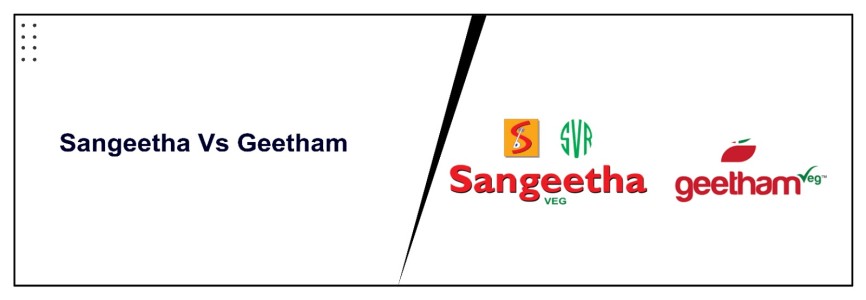



The jurisprudence of trademark law in India has consistently evolved to balance statutory protection with equitable principles. A recent decision of the Madras High Court in Sangeetha Caterers and Consultants LLP v. Rasnam Foods Pvt Ltd & Ors. marks a significant development in this trajectory. The case offers a nuanced understanding of how courts differentiate between trademark infringement and passing off, particularly in the context of franchise relationships and trade dress imitation.
What makes this judgment particularly compelling is its dual conclusion: while the court rejected the claim of trademark infringement, it simultaneously upheld the claim of passing off. This duality underscores a critical legal reality—statutory rights may fail, but common law protections can still prevail where consumer confusion and misrepresentation are established.
Background and Factual Matrix
The dispute traces its origins to a long-standing commercial relationship. The plaintiff, a well-established restaurant chain operating under the brand “SANGEETHA,” had built considerable goodwill since the mid-1980s. Over time, the brand expanded both domestically and internationally, becoming synonymous with quality vegetarian dining.
The defendants, on the other hand, were not strangers to this goodwill. They had operated as franchisees of the plaintiff for several years, running multiple outlets under the “SANGEETHA” name. This relationship was governed by franchise agreements that clearly acknowledged the plaintiff’s intellectual property rights and imposed restrictions on the use of similar marks post-termination.
However, following disputes—particularly concerning relocation of outlets and operational disagreements—the franchise agreements were terminated in May 2022. What followed was the crux of the dispute: the defendants began operating restaurants under the name “GEETHAM,” from the very same premises where the franchise outlets had previously functioned.
More significantly, the defendants did not merely adopt a new name. They retained elements that created a sense of continuity—same locations, similar branding, and even public messaging suggesting that everything remained unchanged except the name. This strategic transition triggered allegations of trademark infringement and passing off.
Trademark Infringement: Limits of Statutory Protection
The court first addressed the claim of trademark infringement, which required a determination of whether “GEETHAM” was deceptively similar to the plaintiff’s registered marks.
A key factor that influenced the court’s reasoning was the nature of the plaintiff’s registrations. The plaintiff did not hold a standalone registration for the word “SANGEETHA.” Instead, its registrations were composite in nature—such as “SVR SANGEETHA” and “SANGEETHA VEG RESTAURANT,” often accompanied by device elements.
This distinction proved decisive. Trademark infringement under the Trade Marks Act is assessed by comparing the registered mark as a whole with the impugned mark. The court emphasized that similarity cannot be dissected into individual components unless those components enjoy independent protection.
Applying the test of an average consumer with imperfect recollection, the court held that “GEETHAM” and “SANGEETHA” were not deceptively similar when viewed holistically. The court also noted that “Sangeetha” is a common Indian name, which further weakens the claim of exclusivity.
As a result, the infringement claim failed.
This finding is significant because it reinforces a well-established principle: registration of a composite mark does not confer monopoly over its individual elements. Businesses must therefore ensure that key elements of their branding are independently protected if exclusivity is sought.
Passing Off and Trade Dress: The Core of the Judgment
While the statutory claim failed, the court’s analysis did not end there. It turned to the doctrine of passing off—a common law remedy that protects goodwill against misrepresentation.
Unlike infringement, passing off is not confined to the similarity of marks. It is concerned with the overall conduct of the defendant and its impact on consumer perception. The court applied the classical trinity: goodwill, misrepresentation, and damage.
Goodwill, in this case, was undisputed. The plaintiff’s long-standing presence in the market and the defendants’ own admission of the brand’s reputation established this element convincingly.
The real question lay in whether there was misrepresentation.
The court found that the defendants’ conduct went beyond mere adoption of a similar name. Several factors contributed to a finding of misrepresentation:
-
Continued operation from the same premises as the earlier franchise outlets
-
Use of identical or highly similar colour combinations in branding
-
Public messaging suggesting continuity (“same taste, same service”)
-
Initial absence of independent goodwill attached to the “GEETHAM” brand
Taken together, these elements created a strong likelihood of consumer confusion. The court observed that the defendants’ actions were calculated to convey that “GEETHAM” was essentially a continuation or rebranding of “SANGEETHA.”
This is where the concept of trade dress became central.
Trade dress refers to the overall visual appearance of a business—colour schemes, layout, presentation, and branding elements. Even if word marks are distinct, similarity in trade dress can mislead consumers.
In this case, the defendants’ use of the same red-and-green colour scheme, similar presentation style, and identical business locations created a deceptive commercial impression. The court concluded that this amounted to passing off.
The Role of Franchise Relationship in Determining Intent
An important contextual factor in this case was the prior franchise relationship between the parties. This relationship significantly influenced the court’s assessment of intent.
The defendants were not independent market entrants. They had:
-
Operated under the plaintiff’s brand for years
-
Benefited from its goodwill
-
Explicitly acknowledged the plaintiff’s intellectual property rights
Despite these obligations, they adopted a business model that closely mirrored the plaintiff’s, immediately after termination of the franchise agreements.
The court noted that the defendants themselves admitted that “GEETHAM” had no independent goodwill at the time of adoption.
This made it difficult to view their conduct as coincidental or innocent. Instead, it suggested a deliberate attempt to transition the existing customer base from the plaintiff’s brand to their own.
Thus, while the court did not explicitly rule on breach of contract, the franchise context played a crucial role in establishing dishonest intent and misrepresentation.
Distinguishing Infringement from Passing Off
-
Nature and Source of Rights: Infringement is a statutory remedy arising out of rights conferred by registration under trademark law, whereas passing off is a common law remedy rooted in equity, designed to prevent unfair commercial practices and protect business goodwill.
-
Scope and Focus of Protection: Infringement is confined to the use of marks that are identical or deceptively similar to a registered trademark, operating strictly within the scope of registration. In contrast, passing off extends to the entire commercial identity of a business, including reputation, branding elements, and overall market presence.
-
Test for Determination: Infringement is assessed through a technical comparison of marks, focusing on visual, phonetic, and structural similarity. Passing off, however, adopts a broader, consumer-centric approach, examining whether the defendant’s conduct is likely to mislead or confuse the public in real market conditions.
-
Flexibility and Breadth of Remedy: Passing off is inherently more flexible and expansive, as it is not limited by the existence or scope of registration. It can address situations where the overall presentation or conduct creates confusion, even if the marks themselves are not deceptively similar.
-
Judicial Position and Principle: The court reaffirmed that passing off is a wider remedy than infringement, and a claim for passing off can succeed independently even when infringement is not established, reinforcing the autonomy of common law protection.
-
Practical and Strategic Importance: For legal practitioners, this distinction underscores the need to plead both infringement and passing off in tandem. It also highlights the importance of gathering evidence beyond mere similarity of marks—such as consumer perception, market behaviour, trade dress, and surrounding circumstances—to build a stronger case.
Relief and Judicial Approach
Having established passing off, the court proceeded to grant relief.
The defendants were restrained from using the deceptively similar trade dress that had been adopted during the relevant period. Additionally, they were directed to render accounts of profits earned during that period and compensate the plaintiff accordingly.
The court’s approach to damages is noteworthy. Instead of merely granting nominal relief, it recognized that the defendants had benefited from the plaintiff’s goodwill and held them liable for the profits derived from such misrepresentation.
This reflects a broader trend in Indian IP jurisprudence toward deterrent and compensatory remedies, particularly in cases involving dishonest conduct.
Subsequent Modification and Its Legal Effect
Following interim judicial intervention, the defendants modified their trade dress. They changed their colour scheme, altered font styles, and issued public disclaimers clarifying that their business was not connected with the plaintiff.
The court accepted that these changes reduced the likelihood of confusion and limited the defendants’ liability to the period prior to modification.
This aspect of the judgment demonstrates a pragmatic judicial approach—balancing enforcement of rights with recognition of corrective actions taken by the defendants.
Conclusion
The Sangeetha v. Geetham decision is a landmark in Indian trademark law, not because it introduces new principles, but because it applies existing doctrines with clarity and precision.
It underscores that trademark law is not merely about comparing words or registrations. It is about protecting the commercial identity of a business and the trust of consumers.
The judgment sends a clear message: even in the absence of technical infringement, businesses cannot escape liability if their conduct creates confusion or misrepresents association. Trade dress, context, and intent matter as much as the mark itself.
For legal practitioners, the case serves as a reminder to approach trademark disputes holistically. For businesses, it highlights the importance of maintaining distinct identity, especially when transitioning from prior associations.
Ultimately, the decision reinforces a fundamental principle—in the marketplace, perception is reality, and the law will intervene wherever that perception is manipulated to the detriment of another’s goodwill.
Frequently Asked Questions (FAQs)
Q1. What was the main issue in the Sangeetha vs Geetham case?
Ans. The core issue was whether the defendants’ use of the mark “GEETHAM” and similar branding elements infringed the plaintiff’s trademark “SANGEETHA” or amounted to passing off.
Q2. Did the court find trademark infringement in this case?
Ans. No, the court held that “GEETHAM” was not deceptively similar to the registered composite marks of the plaintiff, and therefore infringement was not established.
Q3. Why did the passing off claim succeed despite failure of infringement?
Ans. The passing off claim succeeded because the defendants’ overall conduct—such as similar trade dress, same business locations, and continuity messaging—created confusion and misrepresented an association with the plaintiff.
Q4. What is the difference between infringement and passing off?
Ans. Infringement is a statutory remedy based on similarity of registered marks, while passing off is a broader common law remedy that protects goodwill and prevents consumer deception.
Q5. What role did trade dress play in this case?
Ans. Trade dress was central to the decision. The defendants’ use of similar colour schemes and presentation contributed to a misleading commercial impression, leading to a finding of passing off.
Q6. How did the prior franchise relationship affect the case?
Ans. The defendants’ status as former franchisees established their knowledge of the plaintiff’s goodwill and contributed to the court’s finding that their conduct was likely to cause confusion.
Q7. What relief did the court grant to the plaintiff?
Ans. The court granted an injunction against the use of the deceptive trade dress and directed the defendants to render accounts and pay profits earned during the period of passing off.
Q8. Did the defendants take any corrective steps?
Ans. Yes, the defendants later modified their trade dress, changed branding elements, and issued public disclaimers to reduce confusion, which limited their liability going forward.
Q9. Why is this judgment important for trademark law in India?
Ans. It reinforces that passing off is a broader remedy than infringement and highlights the importance of consumer perception, trade dress, and business conduct in determining liability.
Q10. What lessons does this case offer to businesses and legal practitioners?
Ans. The case emphasizes the need to maintain distinct branding, avoid misleading continuity, and for practitioners to plead both infringement and passing off with strong evidence of market confusion.


_(b)_of_the_Trademark_Act,_1999_(1)_crop10_thumb.jpg)


_crop10_thumb.jpg)


_crop10_thumb.jpg)
_crop10_thumb.jpg)


_crop10_thumb.jpg)


_crop10_thumb.jpg)


_crop10_thumb.jpg)


_crop10_thumb.jpg)


_crop10_thumb.jpg)


_crop10_thumb.jpg)


_crop10_thumb.jpg)


_crop10_thumb.jpg)


_crop10_thumb.jpg)











_crop10_thumb.jpg)








































































































_crop10_thumb.jpeg)