


Trademarks are an essential part of business today. They help customers identify products, trust brands, and distinguish one company from another. Every time we see a logo, a brand name, or a symbol, we recognize it immediately. But it wasn’t always like this. There was a time when businesses had no legal system to protect their brand identity. Before trademarks existed, companies relied solely on their reputation. If someone copied a product, there was very little the original maker could do.
The history of trademarks began in 1876, with a simple symbol: a red triangle. This small mark would go on to change business forever. It was the first official trademark under modern law, marking the start of a system that protects brands and builds trust with customers.
The First Modern Trademark: Bass Brewery Red Triangle
The first trademark registered under modern law was the Bass Brewery Red Triangle, in the United Kingdom. The UK had introduced the Trademarks Registration Act in 1875, which allowed businesses to legally register their marks. This act was a landmark in the history of business, because it gave brands legal protection for the first time.
On January 1, 1876, the red triangle of Bass Brewery became Trademark No. 1. This simple red triangle was more than just a logo it symbolized quality, origin, and trust. Customers could now identify Bass products with confidence, and other businesses could not legally copy the mark.
This moment was significant because it was the beginning of modern trademark law, which is still the foundation for brand protection today.
Why the Red Triangle Was Important
The red triangle represented a new way of thinking about business. Previously, the quality and reputation of a product depended entirely on the honesty of the producer. Once trademarks were recognized by law, businesses gained legal ownership of their brand identity.
This brought several advantages:
-
Protection against imitation: No other company could legally use the same mark.
-
Brand recognition: Customers could easily recognize authentic products.
-
Trust: A registered trademark became a symbol that promised quality.
-
Business value: Brands became assets that could increase the company’s worth.
In simple terms, the red triangle wasn’t just a symbol it was a tool that helped companies build trust, protect themselves, and grow their business.
Life Before Trademarks
Before the introduction of modern trademark law, businesses faced many challenges. Customers often had difficulty distinguishing between original and copied products. There was no formal legal system to stop fraud or imitation. This caused several problems:
-
Loss of Reputation: If a competitor copied a product and delivered poor quality, customers might blame the original company.
-
Financial Loss: Companies lost money because imitators sold similar products.
-
Customer Confusion: Without a unique identifier, buyers could not easily know which product to trust.
Businesses depended mainly on personal relationships, word of mouth, and trust. While reputation was important, it was not always enough to protect a company’s interests. The introduction of trademarks changed this system completely, creating a legal framework that allowed businesses to secure their identity.
What Is a Trademark?
A trademark is a symbol, word, logo, or even a sound that identifies a product or service as coming from a particular company. Trademarks help customers distinguish one company’s goods from another’s. They can be:
-
Words or brand names: Such as “Coca-Cola” or “Nike.”
-
Logos or symbols: Like the Apple logo or the red triangle of Bass Brewery.
-
Designs and shapes: For example, the shape of a perfume bottle or chocolate bar.
-
Sounds or slogans: Like the Intel chime or McDonald’s “I’m Lovin’ It” slogan.
Once a trademark is legally registered, the company has exclusive rights to use it for their goods or services. Anyone who uses the same or a similar mark without permission can be legally challenged. Trademarks are also considered intellectual property, which means they are valuable assets, just like patents or copyrights.
The Evolution of Trademark Laws
After the first trademark in 1876, many countries realized the importance of protecting brands. Laws were created around the world to give businesses legal ownership of their marks.
-
United Kingdom: The Trademarks Registration Act of 1875 was the first formal trademark system.
-
United States: Trademark laws began in 1881, and the federal government started formal registration under the Lanham Act of 1946.
-
Europe and other countries: Over time, most nations developed their own laws, and international treaties were signed to allow global protection.
These laws helped businesses expand internationally, knowing their brands would be legally protected in new markets.
Famous Early Trademarks
After the red triangle, many companies began registering their trademarks. Some notable early examples include:
-
Cadbury: Registered its logo for chocolates and sweets.
-
Pears: Trademarked its soap products with a recognizable symbol.
-
Coca-Cola: Secured the rights to its iconic script name.
These early trademarks show that even in the 19th century, companies understood the importance of protecting their identity. These marks helped build brand loyalty and recognition that continues today.
How Trademarks Changed Business
The introduction of trademarks had a profound effect on business. They transformed branding from a simple marketing idea into a strategic business asset. Here’s how trademarks changed the business world:
-
Increased Brand Value: Companies could now legally protect their names, logos, and symbols, making them valuable assets.
-
Stronger Marketing: Logos and slogans became tools to create customer recognition and loyalty.
-
Consumer Trust: Registered trademarks reassured buyers that products were genuine and reliable.
-
Global Expansion: Businesses could safely expand into new markets with legal protection.
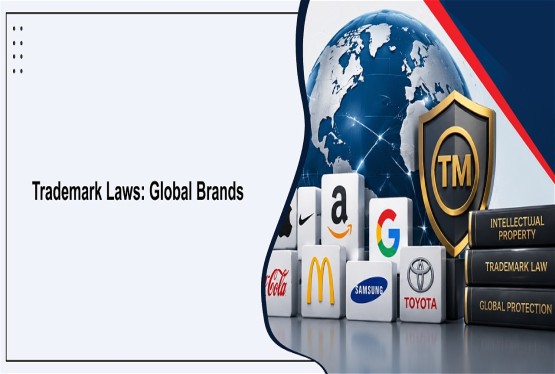
Think about today’s companies like Apple, Nike, or Samsung. Their logos are recognized worldwide, and their trademarks are worth billions of dollars. None of this would be possible without the foundation set by the first modern trademark.
Modern Trademarks: Beyond Logos
Today, trademarks are not just logos or names. Companies can protect:
-
Colors: For example, Tiffany & Co. trademarked its signature blue color.
-
Shapes: Like the Coca-Cola bottle.
-
Sounds: Intel’s jingle is a protected sound trademark.
-
Slogans: “Just Do It” by Nike is legally protected.
This shows that a trademark is any unique identifier that distinguishes a company’s product or service from others.
|
Feature |
Bass Brewery Red Triangle (1876) |
Modern Trademarks (Today) |
|
Symbol |
Simple red triangle |
Logos, words, slogans, colors, sounds. |
|
Legal Protection |
First legal recognition under UK law |
International protection under treaties (Madrid Protocol, Paris Convention) |
|
Purpose |
Identify product origin and quality |
Brand recognition, marketing, customer trust, business asset |
|
Design Complexity |
Very simple |
Can be complex, 3D, digital, animated, or sound-based |
|
Recognition |
Local or regional |
Global, recognized worldwide |
|
Value |
Represented reputation and quality |
Multi-billion-dollar intellectual property asset |
International Trademark Protection
With globalization, trademarks now often require international protection. Treaties like the Paris Convention and the Madrid Protocol allow companies to register their marks in multiple countries through a single application. This is especially important for multinational companies that sell products worldwide.
Challenges in Trademark Protection
Even with legal protection, trademarks face challenges:
-
Counterfeiting: Fake products often try to copy well-known brands.
-
Trademark Infringement: Some businesses may use similar marks to confuse customers.
-
Genericization: Some brands become so common that they lose legal protection, like “Aspirin” in some countries.
Companies must actively monitor and defend their trademarks to maintain their value and reputation.
Lessons from the First Trademark
The Bass Brewery red triangle teaches us several important lessons:
-
Trademarks Turn Brands Into Assets: Legal protection allows a brand to create long-term value.
-
Trust and Identity Are Key: Customers rely on trademarks to identify authentic products.
-
Protection Is Essential for Growth: From small companies to global corporations, trademarks provide security.
-
Branding Evolves Constantly: From a simple red triangle to today’s global brands, the principles of brand protection remain the same.
Conclusion
The first modern trademark, the Bass Brewery red triangle, was more than a symbol it was the start of a revolution in business. It marked the beginning of a system that allowed brands to be legally owned, protected, and recognized.
Today, trademarks are everywhere. They help businesses build trust, protect their identity, and increase their value. Every logo, brand name, or slogan we see exists because someone decided to protect it legally.
From that small red triangle in 1876 to the global brands we recognize today, trademarks have shaped the way we buy, sell, and trust products. Understanding their history reminds us that a simple symbol can hold enormous value, and legal protection turns a brand into a true business asset.
FAQs
Q1. What is a trademark?
Ans. A trademark is a symbol, logo, word, sound, or slogan that identifies a company’s product or service. It gives legal protection to the brand and helps customers recognize genuine products.
Q2. What was the first modern trademark?
Ans. The first modern trademark was the Bass Brewery Red Triangle, registered in the United Kingdom on January 1, 1876.
Q3. Why are trademarks important?
Ans.
-
Protect against imitation
-
Build brand recognition and trust
-
Increase business value and create assets
Q4. How was business before trademarks?
Ans. Products could be easily copied. Companies risked losing money and reputation, and customers often could not tell which products were genuine.
Q5. What were some early famous trademarks?
Ans. Bass Brewery, Cadbury, Pears, Coca-Cola.
Q6. What can modern trademarks protect?
Ans. Logos, brand names, colors (e.g., Tiffany’s blue), shapes (e.g., Coca-Cola bottle), sounds (e.g., Intel jingle), slogans (e.g., Nike “Just Do It”).
Q7. How do trademarks benefit businesses?
Ans.
-
Increase brand value
-
Strengthen marketing and customer loyalty
-
Build consumer trust
-
Enable safe global expansion
Q8. What challenges do trademarks face?
Ans.
-
Counterfeiting (fake products)
-
Trademark infringement (similar marks used by others)
-
Genericization (brand names becoming generic, e.g., “Aspirin”)
Q9. What lesson can we learn from the Bass Brewery red triangle?
Ans.
-
Legal protection turns brands into valuable assets
-
Trust and identity are key for business
-
Branding evolves constantly over time
Q10. What is the long-term benefit of a trademark?
Ans. Trademarks legally protect a brand, create customer trust, and help businesses grow and expand globally.


_(b)_of_the_Trademark_Act,_1999_(1)_crop10_thumb.jpg)


_crop10_thumb.jpg)


_crop10_thumb.jpg)
_crop10_thumb.jpg)


_crop10_thumb.jpg)


_crop10_thumb.jpg)


_crop10_thumb.jpg)


_crop10_thumb.jpg)


_crop10_thumb.jpg)


_crop10_thumb.jpg)


_crop10_thumb.jpg)


_crop10_thumb.jpg)


_crop10_thumb.jpg)








_crop10_thumb.jpg)















































_crop10_thumb.jpeg)