


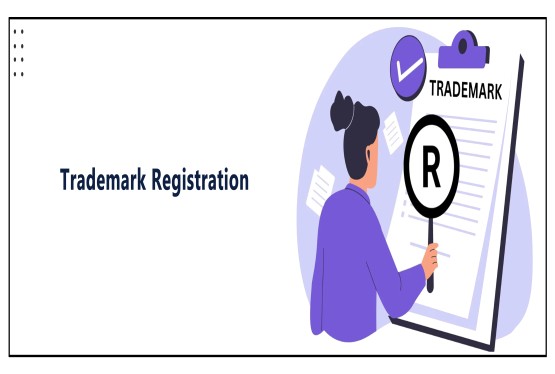
Trademark registration in 2026 has become an Important legal tool for businesses operating in an increasingly competitive and digital-driven environment. As startups, e-commerce platforms, and online services continue to grow rapidly, the risk of brand duplication and misuse has also increased. Trademark registration helps businesses protect their identity, build credibility, and create long-term brand value. It ensures that customers can easily distinguish one brand from another, which is essential for trust and recognition in the market.
A trademark refers to any unique element such as a word, logo, symbol, tagline, or a combination of these that identifies and differentiates the goods or services of one business from others. It acts as a brand’s identity and plays a key role in marketing and customer recall. When consumers repeatedly see a particular mark, they begin to associate it with a specific quality, reputation, and business, making it a valuable intangible asset over time.
In India, trademark registration is regulated under the Trade Marks Act, 1999, which provides the legal framework for registration, protection, and enforcement of trademarks. The entire process is administered by the Controller General of Patents, Designs and Trade Marks, which operates under the Ministry of Commerce and Industry. This authority is responsible for examining applications, granting registrations, and ensuring that trademarks are protected against infringement and misuse in accordance with the law.
Why Trademark Registration is Important in 2026
In 2026, the business environment has evolved into a highly competitive, fast-moving, and digitally driven ecosystem. With the rapid expansion of startups, e-commerce platforms, and online marketplaces, brands are no longer limited to a specific geographic area—they operate globally from day one. While this creates immense growth opportunities, it also increases the risk of brand imitation, misuse, and unfair competition. In such a scenario, trademark registration has become a critical legal tool for businesses to protect their identity and sustain long-term success.
Trademark registration provides businesses with exclusive ownership over their brand name, logo, or symbol. Without registration, a brand remains vulnerable to duplication by competitors who may try to benefit from the goodwill and reputation built by another business. In 2026, where digital presence plays a major role in attracting customers, even a slight similarity in brand names or logos can confuse consumers and result in loss of trust. Therefore, registering a trademark is not just about legal compliance—it is about securing your market position.
One of the most important benefits of trademark registration is exclusive rights. Once a trademark is registered, the owner gets the legal authority to use the mark exclusively for the specified goods or services. This means no other business can legally use an identical or deceptively similar mark in the same category. This exclusivity helps businesses maintain their uniqueness in the market and prevents competitors from riding on their brand value.
Another significant advantage is legal protection against infringement. A registered trademark empowers the owner to take legal action against any unauthorized use of the mark. In case of infringement, the owner can file a lawsuit, claim damages, and seek an injunction to stop the misuse. This legal backing is essential in 2026, where online platforms make it easier for infringers to copy and misuse brand identities. Without registration, enforcing rights becomes difficult and often leads to lengthy disputes.
Trademark registration also plays a key role in building brand recognition and goodwill. A registered trademark creates a strong and consistent brand identity that customers can trust. Over time, consumers begin to associate the trademark with the quality, reliability, and reputation of the business. This trust directly influences purchasing decisions and helps businesses build long-term relationships with their customers. In a crowded digital marketplace, strong brand recognition can be the deciding factor between success and failure.
In addition to protection and recognition, a trademark also contributes to asset creation. A registered trademark is an intangible asset that holds significant commercial value. As the brand grows, the value of the trademark increases, making it a valuable part of the company’s intellectual property portfolio. Businesses can license or assign their trademarks to generate revenue, attract investors, or expand through franchising. For startups and growing enterprises, a registered trademark often enhances credibility and makes the business more attractive for funding and partnerships.
Moreover, trademark registration supports business expansion and scalability. When a business plans to expand into new markets or launch new product lines, having a registered trademark ensures that the brand is already protected. It also simplifies international trademark filing through mechanisms like the Madrid Protocol, allowing businesses to secure their brand globally with ease.
In 2026, where digital branding, social media presence, and online visibility are critical, trademark registration also helps in protecting brand identity across digital platforms. It enables businesses to take action against fake websites, counterfeit products, and unauthorized sellers using similar brand names. This is especially important for e-commerce businesses, where brand misuse can directly impact sales and customer trust.
Overall, trademark registration is no longer optional—it is a necessity for businesses aiming to grow, compete, and sustain in a modern economy. It provides legal security, strengthens brand identity, creates valuable assets, and supports long-term business strategy. Businesses that proactively register their trademarks are better positioned to avoid disputes, protect their reputation, and build a strong and recognizable presence in the market.
Types of Trademarks You Can Register
In today’s competitive business environment, choosing the right type of trademark is just as important as registering one. Different businesses have different branding strategies, and the law allows protection for various forms of brand identifiers. In 2026, with the growing importance of digital branding, multimedia content, and unique product presentation, businesses are increasingly opting for multiple types of trademarks to ensure complete protection of their brand identity.
A trademark is not limited to just a name or logo—it can extend to sounds, shapes, slogans, and even combinations of these elements. Understanding the different types of trademarks helps businesses make informed decisions and avoid gaps in protection.
Word Mark (Brand Name)
A word mark protects the textual element of a brand, such as the business name, product name, or any distinctive word or phrase. This is one of the most commonly registered and strongest forms of trademark protection.
When you register a word mark, you get exclusive rights over the word itself, irrespective of the font, style, color, or design in which it is written. This means that even if someone uses your brand name in a different format, it can still be considered infringement.
Word marks are highly recommended for businesses because they provide broad protection. For example, if your brand name is unique and registered as a word mark, no competitor can use a similar sounding or visually similar name in the same industry.
Device Mark (Logo)
A device mark refers to the graphical representation of a brand, such as a logo, symbol, or artistic design. It protects the visual identity of the business.
Unlike a word mark, a device mark only protects the specific design or logo as filed. If the logo is changed significantly in the future, a new application may be required. However, device marks are extremely important for businesses that rely heavily on visual branding, such as fashion brands, food businesses, and digital platforms.
Logos often create a strong emotional connection with customers and are easier to recognize, especially in online and mobile-based environments.
Tagline or Slogan
A tagline or slogan is a short phrase used in marketing and advertising to represent the brand’s message or identity. Examples include catchy lines that customers easily remember and associate with a brand.
Registering a tagline as a trademark helps prevent competitors from using similar promotional phrases that could confuse customers. However, for a slogan to be registered, it must be distinctive and not merely descriptive.
In 2026, where digital marketing and advertising play a major role in business growth, protecting taglines has become increasingly important. A strong slogan can significantly enhance brand recall and customer engagement.
Sound Mark
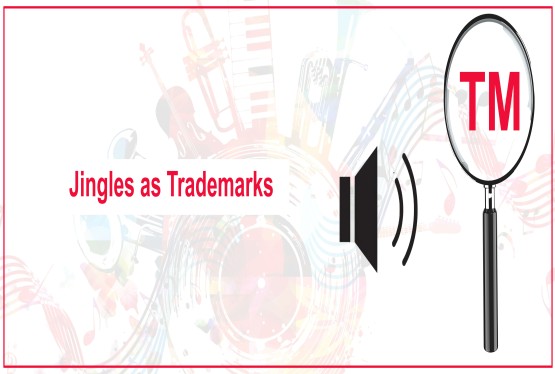
A sound mark protects a unique audio element associated with a brand. This could be a jingle, musical tune, or any distinctive sound used in advertisements or product experiences.
With the rise of video content, apps, and voice-based technologies, sound marks are becoming more relevant. Businesses use specific sounds to create instant recognition among users.
To register a sound mark in India, the applicant must provide the sound in an audio format along with a graphical representation of the sound.
Shape Mark
A shape mark protects the unique shape of a product or its packaging. This type of trademark is used when the shape itself acts as a distinguishing feature of the brand.
For example, certain product designs or packaging styles become so unique that customers can identify the brand just by looking at the shape. Registering such shapes prevents competitors from copying them.
However, the shape must be distinctive and not purely functional. Functional shapes that are necessary for the product’s use cannot be registered as trademarks.
Step-by-Step Trademark Registration Process in 2026
Trademark registration in 2026 follows a structured legal process in India, designed to ensure that only unique and distinctive marks receive protection. Understanding each step in detail helps businesses avoid delays, objections, and rejection. A well-planned approach not only increases the chances of approval but also ensures faster registration and stronger legal protection.
Trademark Search
The first and most crucial step before filing a trademark application is conducting a comprehensive trademark search. This step helps in identifying whether the proposed trademark is already registered or is similar to any existing mark.
A proper search includes checking:
-
Identical trademarks
-
Phonetically similar names
-
Visually similar logos
-
Marks in the same or related class
Conducting a trademark search reduces the risk of objections under similarity grounds and saves both time and cost in the long run. In 2026, with a growing number of applications being filed every day, skipping this step can significantly increase the chances of rejection.
Choosing the Correct Class
Trademarks are classified under the Nice Classification system, which consists of 45 different classes:
-
Classes 1–34 cover goods
-
Classes 35–45 cover services
Selecting the correct class is extremely important because trademark protection is granted only for the specific class or classes chosen. If a business selects the wrong class, it may not receive adequate protection, even after registration.
For example, a clothing business must file under Class 25, while a digital marketing service would fall under Class 35. Many businesses in 2026 are opting for multi-class applications to cover broader business activities and future expansion plans.
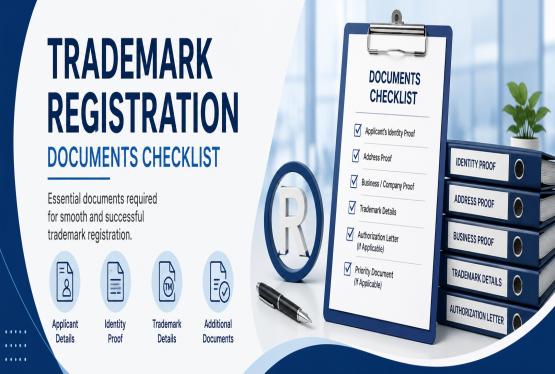
Filing the Trademark Application
Once the search is completed and the class is finalized, the next step is filing the trademark application. In India, applications are filed online through the official IP India portal.
The application must include:
-
Name and details of the applicant
-
Trademark or logo (in case of device mark)
-
Description of goods or services
-
Class of trademark
-
User date (if already in use)
After successful filing, an application number is generated, and the applicant can start using the ™ symbol.
Government Fees (2026)
-
Rs.4,500 for individuals, startups, and MSMEs
-
Rs.9,000 for companies and other entities
The fee structure is designed to encourage small businesses and startups to protect their brands at an early stage.
Examination by Registrar
After filing, the application is examined by the Trademark Registry to ensure compliance with legal requirements under the Trade Marks Act, 1999.
During examination, the registrar checks:
-
Distinctiveness of the trademark
-
Similarity with existing registered marks
-
Compliance with legal provisions
The registrar may:
-
Accept the application and proceed further, or
-
Raise objections under:
-
Section 9 (Absolute Grounds): If the mark is descriptive, generic, or lacks distinctiveness
-
Section 11 (Relative Grounds): If the mark is similar to an existing registered trademark
This stage is critical, as many applications face objections due to improper search or weak trademark selection.
Reply to Trademark Objection (if any)
If an objection is raised, the applicant must file a reply within the prescribed time (usually 30 days). The reply should include:
-
Legal justification
-
Supporting documents
-
Evidence of usage (if applicable)
A well-drafted reply plays a important role in overcoming objections. In some cases, the registrar may also schedule a hearing before making a final decision. Failure to respond within the deadline may result in abandonment of the application.
Publication in Trademark Journal
Once the application is accepted, it is published in the Trademark Journal. This publication serves as a public notice, allowing third parties to review the trademark.
The purpose of this step is to ensure transparency and give an opportunity to others to oppose the registration if they believe it conflicts with their existing rights.
Opposition Period
After publication, there is a 4-month opposition period during which any third party can file an opposition against the trademark.
If an opposition is filed:
-
Both parties must submit evidence and arguments
-
Hearings may be conducted
-
The registrar will decide based on merits
If no opposition is filed within this period, the application moves toward registration.
Grant of Registration Certificate
If the trademark passes the opposition stage (or no opposition is filed), the registrar grants the trademark registration certificate.
Once registered:
-
The applicant can use the ® symbol
-
The trademark gets legal protection under the law
-
The owner gains exclusive rights over the mark
Validity and Renewal
-
Trademark validity: 10 years
-
Renewable indefinitely every 10 years
This ensures that the brand remains protected as long as it is in use and properly renewed.
Key Legal Provisions to Know
Understanding the legal framework behind trademark registration is essential for anyone planning to protect their brand in India. Many applications face objections or rejection not because the brand is weak, but because the applicant is unaware of the key provisions under the Trade Marks Act, 1999. Knowing these sections in advance helps in selecting a strong trademark, filing correctly, and responding effectively to objections.
Let’s break down the most important provisions that every applicant should understand in 2026:
Section 9: Absolute Grounds for Refusal
Section 9 deals with the inherent quality of the trademark itself. It focuses on whether the mark is capable of distinguishing one business from another.
A trademark may be refused under Section 9 if it:
-
Lacks distinctiveness
-
Is descriptive in nature (e.g., directly describing the product or service)
-
Is generic or commonly used in trade
-
Contains words that are customary in the current language or business practices
For example, trying to register a word like “Fresh Milk” for a dairy product may be rejected because it simply describes the product rather than distinguishing it.
In 2026, this is one of the most common grounds for objection. Businesses often choose names that are easy to understand but fail to realize that trademarks must be unique and distinctive.
However, a mark that is initially descriptive can sometimes be accepted if the applicant proves acquired distinctiveness through long and continuous use.
Section 11: Relative Grounds for Refusal
Section 11 focuses on conflict with existing trademarks. Even if your trademark is unique, it may still be rejected if it is similar to an already registered or applied trademark.
A trademark may be refused under Section 11 if:
-
It is identical or similar to an existing trademark
-
It creates a likelihood of confusion among the public
-
It resembles a well-known trademark
The similarity can be:
-
Visual (appearance of logo or name)
-
Phonetic (similar sound)
-
Conceptual (similar meaning)
For example, a brand name sounding similar to an established company—even with slight spelling changes—may still be rejected.
In today’s digital world, where customers often rely on quick searches and visual recognition, even minor similarities can lead to confusion. This is why a proper trademark search before filing is extremely important.
Section 18: Application for Registration
Section 18 governs the filing of a trademark application. It lays down who can apply and the basic requirements for registration.
According to this section:
-
Any person claiming to be the owner of a trademark can apply
-
The application must be filed in the prescribed manner
-
The applicant must specify the goods or services and the relevant class
-
The application should include all necessary details and documents
This section forms the starting point of the entire registration process. Errors at this stage—such as incorrect class selection, incomplete details, or improper description—can lead to delays or objections later.
In 2026, with online filing systems becoming more efficient, applicants must ensure accuracy and clarity while filing to avoid unnecessary complications.
Section 29: Infringement of Registered Trademark
Section 29 deals with protection after registration. It defines what constitutes trademark infringement and provides the legal basis for taking action against unauthorized use.
A registered trademark is infringed when:
-
Someone uses an identical or deceptively similar mark
-
The mark is used for similar goods or services
-
The use causes confusion among consumers
-
The use takes unfair advantage of the brand’s reputation
This section gives the trademark owner the right to:
-
File a legal suit
-
Seek an injunction to stop the use
-
Claim damages or compensation
In 2026, infringement cases are increasingly seen in online marketplaces, social media platforms, and digital advertisements. A registered trademark becomes a powerful tool to take quick legal action against such misuse.
Recent Trends in Trademark Registration (2026)
One of the most noticeable trends in 2026 is the surge in AI-driven and digital-first brand names. With the expansion of sectors such as artificial intelligence, fintech, SaaS platforms, and digital marketing, businesses are increasingly choosing futuristic, unique, and coined words for their trademarks.
Unlike traditional descriptive names, modern brands prefer:
-
Invented or coined terms
-
Tech-inspired names
-
Short and globally adaptable brand names
These types of trademarks are easier to register because they are inherently distinctive and less likely to conflict with existing marks. Additionally, digital businesses aim for names that are:
-
Domain-friendly
-
App-compatible
-
Easy to pronounce globally
This shift reflects how branding is becoming more innovation-focused rather than descriptive in nature.
Increase in Multi-Class Applications
Another significant trend is the growing use of multi-class trademark applications. Businesses today rarely operate in a single domain. For example, a company may start as a product-based business but later expand into services, e-commerce, or digital platforms.
To accommodate this expansion, businesses are increasingly filing trademarks across multiple classes to ensure broader protection. This helps in:
-
Securing brand identity across different industries
-
Avoiding future legal complications
-
Supporting diversification and scalability
In 2026, startups and established companies alike are adopting a forward-looking approach by protecting their trademarks not just for current operations but also for future business plans.
Faster Online Processing and Digital Transformation
The trademark registration process in India has become more efficient due to improvements in the digital infrastructure of the registry. The Controller General of Patents, Designs and Trade Marks has enhanced its e-filing system, making the process faster, more transparent, and user-friendly.
Key improvements include:
-
Online filing and real-time application tracking
-
Faster examination timelines
-
Digital submission of documents and replies
-
Improved communication through online notices
These changes have reduced manual intervention and streamlined the overall process. As a result, businesses in 2026 can file and manage their trademark applications more efficiently than ever before.
Growth in Startup Filings and DPIIT Recognition
India’s startup ecosystem continues to grow at a rapid pace, and this has directly impacted trademark filings. Startups are becoming more aware of the importance of intellectual property protection from the early stages of their business.
With initiatives like Startup India and DPIIT recognition, startups are:
-
Actively filing trademarks at the initial stage
-
Taking advantage of reduced government fees
-
Building strong brand identities from day one
Trademark registration is now seen as a foundational step in startup growth, alongside company incorporation and funding. Investors also prefer startups with protected intellectual property, making trademarks an essential part of business strategy.
Increased Focus on Brand Protection in E-commerce
With the rise of online marketplaces, businesses are facing higher risks of brand misuse, counterfeit products, and unauthorized sellers. As a result, companies are becoming more proactive in registering trademarks to protect their brand across digital platforms.
Trademark registration helps businesses:
-
Take action against fake listings
-
Protect brand reputation online
-
Ensure customer trust in e-commerce environments
This trend highlights the growing intersection between trademark law and digital commerce.
Shift Toward Strategic IP Planning
In 2026, businesses are no longer treating trademark registration as a one-time activity. Instead, they are adopting a strategic intellectual property (IP) approach, which includes:
-
Filing multiple trademarks for different brand elements
-
Monitoring trademark usage and potential infringement
-
Expanding protection internationally
This shift indicates that trademarks are now integrated into long-term business planning and brand development strategies.
Common Mistakes to Avoid
Trademark registration may seem like a simple process, but in reality, many applications get delayed, objected to, or even rejected due to avoidable mistakes. In 2026, with increasing competition and a higher volume of filings, even small errors can lead to significant legal and financial consequences. Businesses must approach trademark registration strategically to ensure smooth approval and strong protection.
Below are some of the most common mistakes applicants make—and why avoiding them is crucial:
Choosing Generic or Descriptive Names
One of the biggest mistakes businesses make is selecting a name that directly describes their product or service. While such names may seem attractive from a marketing perspective, they often fail from a legal standpoint.
Generic or descriptive terms lack distinctiveness and are likely to be refused under Section 9 of the Trade Marks Act, 1999. For example, names like “Best Quality Shoes” or “Fresh Juice” simply describe the product and do not distinguish one brand from another.
In 2026, where thousands of trademarks are filed daily, it is important to choose:
-
Unique and coined words
-
Inventive or arbitrary names
-
Brands that are easy to remember but legally distinctive
A strong trademark should stand out, not blend in.
Filing Under Incorrect Class
Trademark protection is granted only for the specific class or classes under which the application is filed. Choosing the wrong class can result in inadequate protection, even if the trademark is successfully registered.
For instance, if a business dealing in clothing files under a service class instead of Class 25, it may not receive protection for its actual products. This mistake often leads to complications when enforcing rights against competitors.
In 2026, businesses are increasingly diversifying, which makes class selection even more critical. It is advisable to:
-
Carefully analyze the nature of goods/services
-
Consider future expansion plans
-
Opt for multi-class filing if required
Incorrect classification can weaken your trademark rights significantly.
Not Conducting a Proper Trademark Search
Skipping or conducting an incomplete trademark search is a major reason for objections and rejections. Many applicants assume that a unique-looking name is automatically available, but that is not always the case.
A proper search should include:
-
Identical marks
-
Phonetically similar names
-
Visually similar logos
-
Marks in related classes
Without this step, the application may face objections under Section 11 due to similarity with existing trademarks. In worst cases, it can lead to legal disputes after registration.
In today’s digital landscape, where brand names can be similar across industries, a thorough search is not optional—it is essential.
Ignoring Objections or Missing Deadlines
After filing, the Trademark Registry may raise objections during the examination stage. Many applicants either ignore these objections or fail to respond within the prescribed time.
This is a critical mistake because:
-
Non-response can lead to abandonment of the application
-
Weak or incomplete replies may result in rejection
-
Missing deadlines delays the entire process
A proper response should include legal arguments, supporting documents, and evidence of use if applicable. In some cases, attending hearings is also necessary.
In 2026, where processes are more digitized and timelines are strictly monitored, missing deadlines can cost both time and money.
Filing Only a Logo and Not the Word Mark
Another common mistake is registering only the logo (device mark) and ignoring the word mark (brand name). While logos are important for visual identity, they do not provide complete protection.
A logo protects only the specific design filed. If someone uses the same brand name in a different font or style, it may not be considered infringement unless the word mark is also registered.
To ensure full protection, businesses should ideally file:
-
Word mark (for brand name)
-
Device mark (for logo)
This dual protection strategy is widely followed in 2026 to safeguard both textual and visual identity.
Trademark vs Brand Name: What’s the Difference?
In everyday business conversations, the terms “brand name” and “trademark” are often used interchangeably. However, from a legal and practical perspective, they are quite different. Understanding this distinction is essential for businesses in 2026, especially in a highly competitive and digital-first market where brand identity plays a crucial role in success.
What is a Brand Name?
A brand name is simply the name you choose to identify your business, product, or service. It is how your customers recognize you in the market. This could be your company name, product name, or even the name under which you promote your services.
For example, when a business selects a unique name for its startup or launches a new product line, that chosen name becomes its brand name. It helps in:
-
Creating a unique identity in the market
-
Building customer recognition
-
Supporting marketing and advertising efforts
However, it is important to understand that a brand name by itself does not automatically provide legal protection. Just because you are using a name does not mean you have exclusive rights over it.
What is a Trademark?
A trademark is the legal recognition and protection granted to a brand name, logo, symbol, tagline, or any distinctive mark under the Trade Marks Act, 1999. Once registered, it gives the owner exclusive rights to use that mark in connection with specific goods or services.
A trademark ensures that:
-
No other business can use an identical or similar mark
-
The owner can take legal action against infringement
-
The brand is protected as an intellectual property asset
Conclusion
Trademark registration in 2026 is no longer just a legal formality—it has become a fundamental requirement for businesses that aim to grow, compete, and sustain themselves in a highly dynamic and competitive market. With the rapid rise of digital platforms, e-commerce, and global connectivity, businesses are more exposed than ever to risks such as brand imitation, misuse, and unfair competition. In such an environment, securing your brand through trademark registration is not optional—it is essential.
Whether you are a startup, MSME, or an established company, a registered trademark provides you with exclusive ownership and legal recognition of your brand identity. It ensures that your brand name, logo, or slogan is protected from unauthorized use and gives you the power to take legal action in case of infringement. This legal enforceability strengthens your position in the market and safeguards the reputation you build over time.
In addition to protection, a trademark also contributes significantly to the overall value of a business. It becomes an intangible asset that can be licensed, franchised, or even sold. Investors and stakeholders often consider intellectual property, including trademarks, as a key factor while evaluating a business. A well-protected brand reflects professionalism, credibility, and long-term vision.
With increasing awareness about intellectual property rights and continuous improvements in the digital filing system, businesses in 2026 have better access to trademark registration than ever before. The process has become more streamlined, transparent, and efficient, encouraging businesses to secure their brand identity at an early stage.
Adopting a proactive approach toward trademark registration helps businesses avoid future legal disputes, rebranding costs, and loss of goodwill. It allows them to operate confidently, expand into new markets, and build a strong and recognizable presence in the industry.
In conclusion, trademark registration is not just about protecting a name or logo—it is about securing the foundation of your brand. Businesses that prioritize trademark protection today are better equipped to achieve long-term success, maintain customer trust, and stand out in an increasingly crowded marketplace.
FAQs
Q1. What is trademark registration?
Ans. Trademark registration is the legal process of protecting a brand name, logo, symbol, or tagline so that only the owner has exclusive rights to use it for specific goods or services.
Q2. Is trademark registration mandatory in India?
Ans. No, it is not mandatory, but it is highly recommended. Without registration, your brand has limited legal protection and may be vulnerable to misuse.
Q3. Who can apply for trademark registration?
Ans. Any individual, startup, MSME, company, LLP, or even a sole proprietor can apply for trademark registration in India.
Q4. How long does trademark registration take in 2026?
Ans. The process usually takes around 6 to 12 months, depending on objections, hearings, and opposition, if any.
Q5. What is the validity of a registered trademark?
Ans. A trademark is valid for 10 years from the date of registration and can be renewed indefinitely every 10 years.
Q6. Can I use the ™ symbol before registration?
Ans. Yes, you can use the ™ symbol once you file the application. The ® symbol can be used only after the trademark is successfully registered.
Q7. What are the government fees for trademark registration?
Ans. Rs.4,500 for individuals, startups, and MSMEs
-
Rs.9,000 for companies and others
Q8. What is a trademark class?
Ans. Trademark classes are categories of goods and services (45 classes in total). You must select the correct class to ensure proper protection.
Q9. What happens if my trademark application is objected?
Ans. If an objection is raised, you must file a reply within the given time with proper justification and documents. In some cases, a hearing may also be required.
Q10. Can someone oppose my trademark?
Ans. Yes, after publication in the Trademark Journal, any third party can oppose your trademark within 4 months.
Q11. What is the difference between a word mark and a logo?
Ans. A word mark protects the brand name, while a logo (device mark) protects the visual design. For complete protection, it is advisable to register both.


_(b)_of_the_Trademark_Act,_1999_(1)_crop10_thumb.jpg)


_crop10_thumb.jpg)


_crop10_thumb.jpg)
_crop10_thumb.jpg)


_crop10_thumb.jpg)


_crop10_thumb.jpg)


_crop10_thumb.jpg)


_crop10_thumb.jpg)


_crop10_thumb.jpg)


_crop10_thumb.jpg)


_crop10_thumb.jpg)


_crop10_thumb.jpg)


_crop10_thumb.jpg)








_crop10_thumb.jpg)

































































_crop10_thumb.jpeg)