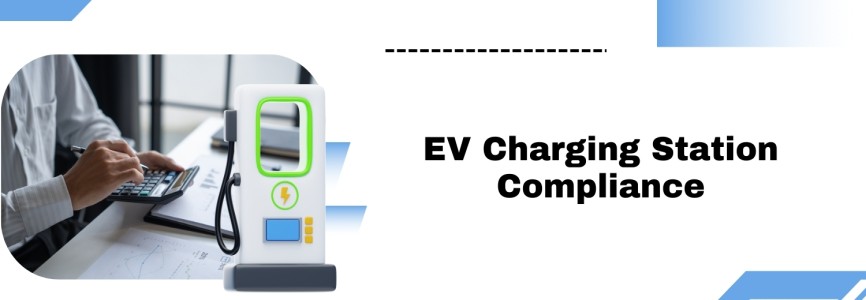



India’s shift towards electric vehicles is accelerating at an unprecedented pace, creating a strong demand for a dependable and legally compliant EV charging infrastructure nationwide. With rising adoption of electric vehicles driven by environmental concerns, fuel cost volatility, and supportive government policies, EV charging stations have become an important component of the country’s clean mobility ecosystem. To accelerate this growth, the Government of India has introduced policy relaxations, clarified licensing requirements, and announced various incentives to encourage private participation in setting up EV charging stations.
However, despite these supportive measures, establishing and operating an EV charging station in India involves compliance with multiple legal, tax, and electricity-related regulations. Operators must adhere to business registration norms, GST requirements, electricity connection and safety standards, and state-specific local approvals. Proper EV charging station registration and compliance are therefore essential to ensure uninterrupted operations, eligibility for government incentives, and protection from regulatory penalties, while building a sustainable and legally sound EV charging business.
EV Charging Station Registration in India
Meaning of EV Charging Station
An EV charging station is a dedicated facility that supplies electrical energy to electric vehicles through specialized equipment known as Electric Vehicle Supply Equipment (EVSE). These stations enable EV owners to charge their vehicles safely and efficiently. Depending on the business model and usage, EV charging stations can be established as public charging stations accessible to all users, captive charging units for fleet operators or residential complexes, or private charging facilities meant for internal or restricted use. Each model involves different operational requirements and compliance considerations.
Is Registration Mandatory for EV Charging Stations?
Although the Ministry of Power has clarified that EV charging stations are not classified as licensed electricity distribution activities, this does not exempt them from regulatory compliance. To legally operate an EV charging station in India, operators must complete registration under applicable business laws, obtain GST registration where required, secure electricity connection and load approvals, and comply with local municipal and safety regulations. These registrations and approvals are essential to ensure lawful operations, consumer safety, and eligibility for government incentives.
Legal Framework Governing EV Charging Stations in India
Ministry of Power Guidelines
The legal foundation for EV charging stations in India is primarily guided by policies issued by the Ministry of Power. The Ministry has clearly clarified that EV charging is to be treated as a service activity and not as the resale or distribution of electricity. Because of this classification, operators of EV charging stations are not required to obtain a traditional electricity distribution license, which is otherwise mandatory for power distribution entities. This policy decision significantly simplifies entry into the EV charging business and encourages private investment. However, despite the absence of licensing requirements, charging station operators must still comply with prescribed technical standards, electrical safety norms, and equipment specifications to ensure safe and reliable operations.
State Electricity Regulations
While central guidelines provide the overarching framework, state electricity regulatory commissions play an important role in day-to-day operational compliance. Each state may issue its own regulations or advisories governing EV charging infrastructure. These typically cover matters such as sanctioned electrical load, applicable tariff category for EV charging, grid connectivity conditions, and metering arrangements. Since these requirements differ from state to state, obtaining the necessary state-wise approvals is critical to ensure lawful operations, avoid disputes with electricity authorities, and maintain uninterrupted power supply for EV charging stations.
Business Setup for EV Charging Station
Choice of Business Structure
An EV charging station business in India can be established under different legal structures depending on the scale of operations, investment plans, and long-term objectives. Common structures include proprietorship, partnership or Limited Liability Partnership (LLP), and Private Limited Company. A proprietorship is generally suitable for small or individual-led charging setups with limited compliance requirements. Partnerships and LLPs offer flexibility and shared management with comparatively lower compliance than companies. A Private Limited Company structure is often preferred for large-scale or network-based EV charging operations due to better credibility, ease of fundraising, and limited liability protection. The chosen structure directly impacts taxation, statutory compliances, eligibility for government incentives, and the ability to expand or attract investors.
Company Registration and Object Clause
During business registration, it is an important that the company’s object clause clearly defines its EV-related activities. The object clause should specifically include operations such as setting up and running EV charging stations, providing EV charging and infrastructure services, and offering energy management or mobility solutions. A well-drafted object clause ensures regulatory clarity, facilitates banking and financing approvals, and prevents future restrictions while expanding or modifying the business operations.
EV Charging Business Legal Requirements
Trade License and Local Approvals
To legally operate an EV charging station, compliance with local municipal laws is essential. Most local authorities require the operator to obtain a trade license permitting commercial activity at the premises. Additionally, Shop and Establishment registration may be mandatory to regulate working conditions and employment norms. Depending on the size and capacity of the charging station, fire safety clearance is often required to ensure compliance with electrical and public safety standards. In certain cases, building plan approval or zoning permission may also be necessary, particularly when structural modifications or high-capacity electrical installations are involved. These local approvals vary based on the station’s location, size, and state-specific municipal regulations.
Land Use and Ownership Compliance
EV charging stations can be established on various types of premises, including owned land, leased or rented properties, public parking areas, and commercial complexes such as malls or offices. Regardless of ownership, it is essential that the land-use classification and lease or ownership documents explicitly allow EV charging activities. Lease agreements must include clauses permitting installation of charging infrastructure and electrical equipment. Proper land-use and ownership compliance helps prevent legal disputes and ensures smooth regulatory approvals.
GST on EV Charging Stations
GST Registration Requirement
GST registration is an important compliance requirement for EV charging station operators. Registration becomes mandatory when the aggregate annual turnover of the EV charging business exceeds the threshold prescribed under the GST law. Additionally, GST registration is compulsory if the operator provides inter-state EV charging services, regardless of turnover. Even in cases where registration is not mandatory, many operators opt for voluntary GST registration to avail input tax credit and improve business credibility.
GST Rate Applicable on EV Charging Services
EV charging services are taxed at a concessional GST rate, reflecting the Government’s intention to promote electric mobility and affordable charging infrastructure. This lower rate helps reduce the overall cost of EV charging for consumers. Further, registered operators may be eligible to claim input tax credit (ITC) on GST paid for eligible capital goods, charging equipment, installation services, and operational expenses, subject to compliance with GST provisions and conditions.
GST Compliance Obligations
Once registered, EV charging station operators must comply with regular GST requirements. These include filing monthly or quarterly GST returns, issuing proper tax invoices for charging services, complying with e-invoicing provisions where applicable, and filing the annual GST return. Timely and accurate GST compliance is essential to avoid penalties, interest, and disruption of input tax credit benefits.
Electricity and Power Supply Compliance
Electricity Connection and Load Sanction
EV charging stations require a dedicated electricity connection to ensure uninterrupted and safe power supply for charging operations. The operator must obtain an appropriate sanctioned load from the electricity distribution company, which is determined based on the number and capacity of chargers installed at the station. High-capacity fast chargers generally require higher sanctioned loads and additional infrastructure approvals. In many states, electricity authorities have introduced special tariff categories for EV charging infrastructure, offering comparatively lower tariffs to encourage the development of charging stations. Selecting the correct tariff category is essential for cost efficiency and regulatory compliance.
Metering and Safety Standards
Compliance with electrical safety and metering standards is mandatory for EV charging stations. Operators must adhere to Central Electricity Authority (CEA) safety regulations, which govern electrical installations, protection systems, and safe operation of equipment. Proper metering arrangements, effective earthing systems, and installation of transformers or power backup systems, where required, are essential to prevent electrical hazards and ensure accurate energy measurement. Adherence to these standards ensures operational safety, protects users, and reduces the risk of penalties or shutdowns by electricity authorities.
EV Charging License India – Is It Required?
Licensing Status
In India, EV charging stations are not required to obtain an electricity distribution license. The Ministry of Power has clarified that EV charging is treated as a service activity and not as the resale or distribution of electricity. This policy decision significantly reduces regulatory barriers and encourages wider participation in the EV charging sector. As a result, individuals and businesses can set up EV charging stations without undergoing the complex licensing process applicable to power distribution companies.
However, the absence of a licensing requirement does not eliminate regulatory obligations. EV charging station operators must still comply with central and state EV charging guidelines, adhere to prescribed technical and safety specifications for charging equipment, and follow open access norms, where applicable, for electricity procurement. Therefore, while a traditional electricity license is not mandatory, comprehensive regulatory compliance remains essential to ensure lawful operations, safety, and long-term sustainability of EV charging stations in India.
EV Charging Station Approvals and Clearances
Central-Level Approvals
At the national level, EV charging stations must ensure that all charging equipment used complies with prescribed technical and safety standards. Charging equipment is required to meet the standards issued by the Bureau of Indian Standards (BIS) to ensure quality, safety, and reliability. In addition, chargers must conform to specified safety and performance norms, including electrical protection, durability, and user safety requirements. Interoperability norms are also important, as they ensure that charging stations can serve different types and models of electric vehicles without compatibility issues. Compliance with these central standards is essential for obtaining approvals from electricity authorities and for ensuring consumer confidence.
State and Local-Level Approvals
Apart from central standards, EV charging stations must obtain various state and local approvals, which differ from state to state. These may include permissions from the state electricity department for power connection and load sanction, fire department No Objection Certificate (NOC) for safety compliance, and municipal approvals such as trade licenses or zoning permissions. In certain cases, pollution or environmental clearances may also be required, depending on the scale and nature of the installation. Since each state follows its own regulatory framework, obtaining the correct state-specific approvals is crucial for lawful and uninterrupted operations.
Environmental and Safety Compliance
Fire and Electrical Safety
EV charging stations involve high electrical loads and continuous power usage, making fire and electrical safety compliance a critical requirement. Operators must adhere to applicable fire safety regulations, which may include installation of fire detection systems, fire extinguishers, and clearly marked emergency exits. Compliance with electrical installation safety standards is also mandatory to ensure proper wiring, insulation, earthing, and protection against short circuits or overloads. Additionally, charging stations must be equipped with emergency shutdown and protection systems that can immediately cut off power in case of electrical faults, overheating, or other safety risks. These measures are essential to protect users, property, and infrastructure.
Environmental Compliance
Although EV charging stations support environmental sustainability, certain environmental compliances may still apply. Operators may be required to follow noise control regulations, particularly when using transformers, generators, or cooling systems. Waste management norms must be observed for the disposal of packaging materials, damaged components, and electronic waste. Where transformers are installed, proper handling and disposal of transformer oil in accordance with environmental guidelines is also necessary. Adhering to these requirements helps ensure responsible operations and regulatory compliance.
Ongoing Compliance for EV Charging Stations
Annual and Periodic Compliances
Once an EV charging station becomes operational, compliance responsibilities continue on a regular basis. Operators must ensure timely renewal of local licenses, such as trade licenses and Shop and Establishment registrations, wherever applicable. Periodic electricity compliance audits may be required to confirm adherence to sanctioned load conditions, safety norms, and technical standards. In addition, EV charging station operators must comply with ongoing GST and income tax filing requirements, including periodic returns, tax payments, and annual filings. Regular adherence to these compliances helps avoid penalties, interest, and operational disruptions.
Record Maintenance and Inspections
Regulatory authorities may conduct inspections from time to time to verify compliance with applicable laws. These inspections typically focus on safety compliance, including fire and electrical safety measures, accuracy of electricity metering systems, and the existence of effective consumer grievance redressal mechanisms. Maintaining proper records such as approval letters, audit reports, invoices, meter readings, and compliance filings ensures smooth inspections and reduces the risk of adverse observations or enforcement actions.
Government Incentives and Policy Benefits
Central Government Incentives
To accelerate the development of EV charging infrastructure, the Central Government offers various incentives to eligible EV charging station operators. These may include capital subsidies to reduce the initial cost of setting up charging stations, especially for public and fast-charging infrastructure. Operators may also benefit from reduced electricity tariffs specifically notified for EV charging purposes, making operations more cost-effective. Additionally, support may be available under national schemes such as FAME (Faster Adoption and Manufacturing of Electric Vehicles) and other related EV promotion programs, which aim to expand charging networks across the country. Eligibility for these benefits is subject to fulfillment of prescribed conditions and compliance requirements.
State-Level Incentives
In addition to central schemes, several state governments offer their own incentives to promote EV charging infrastructure. These incentives may include stamp duty concessions on land or property used for charging stations, exemptions or reductions in electricity duty, and land allotment benefits in industrial or commercial zones. Since these incentives vary across states, operators must carefully review the applicable state EV policy. It is important to note that full regulatory compliance is a prerequisite to avail both central and state-level incentives, making proper registration and adherence to legal requirements essential.
Importance of Professional EV Charging Station Compliance Services
Avoiding Regulatory Risks
Setting up and operating an EV charging station involves compliance with multiple laws and regulatory authorities at the central, state, and local levels. Professional compliance assistance helps prevent incorrect or incomplete registrations, which can otherwise lead to application rejections or future legal complications. It also ensures timely approvals by properly coordinating with electricity departments, municipal bodies, and other authorities. By following the correct legal procedures and documentation standards, professional support significantly reduces the risk of penalties, notices, or operational disruptions arising from non-compliance.
End-to-End Compliance Support
A structured and professional compliance approach provides comprehensive support throughout the lifecycle of an EV charging station. This includes business registration and structuring, ongoing GST and income tax compliance, obtaining and maintaining electricity, fire, and safety approvals, and managing state-wise regulatory requirements. End-to-end compliance services allow operators to focus on business operations and expansion while ensuring that all legal and regulatory obligations are met in a timely and accurate manner.
Conclusion
EV charging station registration and compliance in India involves navigating a combination of business regulations, tax laws, electricity rules, safety standards, and state-specific approval requirements. Although the Government has taken significant steps to simplify the licensing framework and encourage the growth of EV infrastructure, operators are still required to comply with multiple statutory and procedural obligations. These compliances are essential to ensure that EV charging stations operate lawfully, safely, and without interruption.
A well-structured EV charging compliance framework helps businesses maintain regulatory clarity, avoid penalties, and reduce operational risks. It also improves credibility with investors, financial institutions, and government authorities, while ensuring eligibility for central and state-level incentives. By adhering to all applicable legal and compliance requirements, EV charging station operators can build a sustainable, scalable, and future-ready business aligned with India’s clean mobility goals.
Frequently Asked Questions (FAQs)
Q1. Is EV charging station registration mandatory in India?
Ans. Yes, while EV charging is not classified as a licensed electricity distribution activity, registration under applicable business laws is mandatory. An EV charging station operator must complete business registration, obtain local municipal approvals, comply with electricity regulations, and fulfill tax registration requirements such as GST to legally operate in India.
Q2. Do EV charging stations require a license in India?
Ans. No separate electricity distribution license is required for EV charging stations in India. As per the Ministry of Power guidelines, EV charging is treated as a service. However, operators must comply with technical standards, safety norms, electricity load sanctions, and state-level regulatory requirements.
Q3. What are the key legal requirements for starting an EV charging business?
Ans. EV charging business legal requirements include business registration, GST registration (if applicable), electricity connection and load approval, local trade license, fire safety clearance, and adherence to central and state EV charging guidelines. Proper documentation and compliance are essential for smooth operations.
Q4. Is GST applicable on EV charging services?
Ans. Yes, GST on EV charging stations is applicable at a concessional rate as notified by the Government. EV charging services are taxable, and operators may also claim input tax credit on eligible inputs, subject to GST law provisions and conditions.
Q5. Is GST registration mandatory for EV charging stations?
Ans. GST registration is mandatory if the aggregate turnover exceeds the prescribed threshold or if the operator provides inter-state EV charging services. Voluntary GST registration may also be beneficial for claiming input tax credit and establishing business credibility.
Q6. What approvals are required to set up an EV charging station?
Ans. EV charging station approvals typically include electricity department permissions, load sanction, municipal trade license, fire safety NOC, land-use approval, and compliance with BIS and electrical safety standards. Approval requirements may vary from state to state.
Q7. Can EV charging stations be set up on leased or rented land?
Ans. Yes, EV charging stations can be established on leased or rented property. The lease agreement must clearly permit commercial EV charging activities and allow installation of electrical infrastructure. Land-use and zoning compliance must also be ensured.
Q8. Are there any environmental compliances for EV charging stations?
Ans. Although EV charging stations are environmentally friendly, certain environmental compliances may still apply. These include waste disposal norms, transformer oil handling, noise control measures, and adherence to local environmental regulations, where applicable.
Q9. Do EV charging stations need fire safety approval?
Ans. Yes, fire safety approval is generally required, especially for public charging stations and high-capacity chargers. Compliance with fire safety norms, emergency shut-off mechanisms, and proper electrical insulation is mandatory to ensure public safety.
Q10. Is a separate electricity meter required for EV charging stations?
Ans. Yes, EV charging stations typically require a dedicated electricity meter and sanctioned load as per the charger capacity. Some states provide special tariff categories for EV charging infrastructure to encourage adoption.
Q11. What are the ongoing compliance requirements for EV charging stations?
Ans. Ongoing compliance includes timely GST filings, income tax returns, renewal of local licenses, electricity compliance audits, safety inspections, and maintenance of statutory records. Regular compliance helps avoid penalties and ensures uninterrupted operations.
Q12. Are government subsidies available for EV charging stations?
Ans. Yes, both Central and State Governments offer incentives such as capital subsidies, electricity tariff concessions, and support under EV promotion schemes. Compliance with registration and approval requirements is mandatory to avail these benefits.


_crop10_thumb.jpg)




_for_FY_2025-26_crop10_thumb.jpg)




_learn_crop10_thumb.jpg)


_Filing_Due_Dates_for_FY_2024-25_learn_crop10_thumb.jpeg)






_of_GST_Act_learn_crop10_thumb.jpg)


_Under_GST_learn_crop10_thumb.jpg)


_crop10_thumb.jpg)


_crop10_thumb.jpg)


_learn_crop10_thumb.jpg)


_of_the_Income_Tax_Act_learn_crop10_thumb.jpg)


_learn_crop10_thumb.jpg)



_learn_crop10_thumb.jpg)


_crop10_thumb.jpg)





_in_The_Income_Tax_Act,_1961_learn_crop10_thumb.jpg)


_learn_crop10_thumb.jpg)


_of_the_Income_Tax_Act_learn_crop10_thumb.jpg)

_Of_Income_Tax_Act_learn_crop10_thumb.jpg)


_learn_crop10_thumb.jpg)


_learn_crop10_thumb.jpg)
_crop10_thumb.jpg)



_learn_crop10_thumb.jpg)
_for_Import_and_Export_learn_crop10_thumb.jpg)

























_crop10_thumb.jpg)