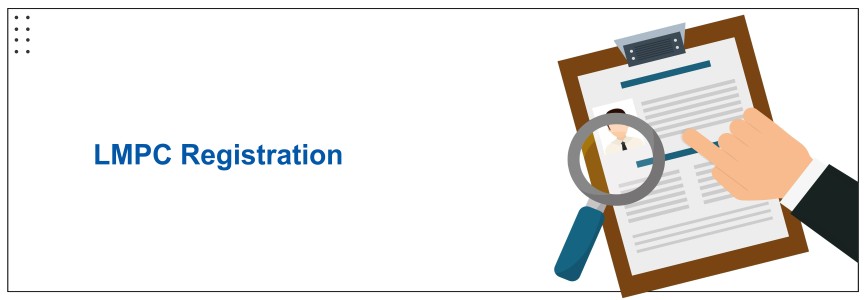



LMPC Registration is a legal requirement for businesses that import, make, pack, or sell packaged goods in India. Products like electronics, cosmetics, food items, toys, and household goods that are sold in sealed packages must follow Legal Metrology rules. These rules make sure that every package shows correct details such as weight, quantity, price, and seller information. If a business does not have LMPC Registration, it may face fines, its goods may be seized, or sales may be stopped.
For importers and sellers, LMPC Registration is even more important because packaged goods enter India through customs and are sold in stores and on online platforms. Customs officers and ecommerce websites check for LMPC compliance before allowing products to be sold. Having LMPC Registration helps businesses avoid delays, follow the law, and sell their products smoothly across India.
LMPC Full Form
LMPC stands for Legal Metrology Packaged Commodities. It refers to the set of rules that control how packaged goods are measured, labeled, and sold in India. Under the Legal Metrology Act, 2009 and the Packaged Commodities Rules, 2011, every product sold in a sealed or pre-packed form must show correct information such as weight, quantity, price, and seller details.
LMPC registration ensures that consumers get accurate and honest information about the products they buy. It also helps the government prevent cheating and unfair trade practices. For businesses, LMPC compliance is important because without it, packaged goods cannot be legally sold in India.
Who Needs LMPC Registration?
LMPC Registration is required for all businesses that deal with packaged goods in India. Anyone involved in making, packing, importing, or selling pre-packed products must follow Legal Metrology rules.
Importers of Packaged Goods
Importers who bring packaged products into India must obtain LMPC registration before clearing goods through customs. This ensures that imported products carry proper labels showing weight, price, and importer details as required by law.
Manufacturers of Packaged Products
Manufacturers who produce goods and sell them in packaged form must follow LMPC rules. Registration ensures that all packages display correct quantity, MRP, and manufacturer information for consumer protection.
Packers and Repackers
Businesses that pack or repack goods into retail packages must obtain LMPC registration. This helps ensure that repackaged goods also meet labeling and weight requirements before being sold.
Traders and Distributors
Traders and distributors who sell packaged goods to retailers or consumers must comply with LMPC regulations to ensure that all products they distribute are legally labeled and measured.
Ecommerce Sellers
Ecommerce sellers must have LMPC registration to list and sell packaged goods online. Online marketplaces require LMPC-compliant labels to protect consumers and meet legal standards.
If you sell or import any product in a pre-packed form, LMPC registration is mandatory.
Eligibility for LMPC Registration
LMPC Registration is available only to businesses that are legally recognised and deal in packaged goods. Any business that imports, manufactures, packs, or sells pre-packaged products in India must comply with Legal Metrology laws. These rules apply to both Indian and foreign businesses that offer packaged goods in the Indian market.
Registered Business Entity
The business must be legally registered as a proprietorship, partnership, LLP, or company. This ensures the government can verify the identity of the business and hold it responsible for compliance with Legal Metrology and packaging laws.
Deals in Pre-Packaged Commodities
LMPC registration applies only if the business handles goods that are packed before being sold to consumers. These products must have fixed quantity, price, and labeling as required under Legal Metrology rules.
Imports, Manufactures, or Sells Packaged Goods
Any business involved in importing, producing, or selling packaged products must take LMPC registration. This ensures that all packaged goods entering the market follow proper weight, price, and label disclosure standards.
Valid GST Registration
GST registration is mandatory to apply for LMPC. It links the business to tax records and ensures that sales of packaged goods are properly reported and taxed under Indian law.
Import Export Code (IEC) for Importers
Importers must have a valid IEC to bring goods into India. Without IEC, customs will not clear packaged goods, making LMPC registration and legal sale impossible.
Both Indian and foreign businesses must follow these rules to sell packaged goods in India.
Documents Required for LMPC Registration
To obtain LMPC Registration, businesses must submit specific documents to prove their legal identity, tax status, and packaging details. These documents help the Legal Metrology Department verify that the business is genuine and that its packaged products follow all labelling and quantity rules before they are sold in the market.
-
PAN of applicant and business is required to confirm the identity of the person and entity applying for registration.
-
GST Registration Certificate proves that the business is registered under tax laws and legally allowed to sell goods.
-
Business incorporation or registration proof shows the legal structure, such as proprietorship, LLP, or company.
-
Address proof of business premises confirms where the packaging or selling activity is carried out.
-
Import Export Code (for importers) is mandatory for businesses bringing packaged goods from abroad.
-
Product list gives details of all packaged items being sold.
-
Sample packaging and label artwork is needed to check compliance with Legal Metrology labeling rules.
-
Authorization letter allows a person to apply on behalf of the business.
Step by Step LMPC Process
The LMPC registration process is done to ensure that packaged goods sold in India follow Legal Metrology rules. Every step checks your business type, documents, and product labeling so that consumers get correct information and the business stays legally compliant.
Step 1 – Identify Business Category
First, you must confirm whether your business is an importer, manufacturer, packer, or repacker. This is important because the registration type and required details depend on your business role in the packaged goods supply chain.
Step 2 – Collect Documents
Next, you must gather all documents such as PAN, GST certificate, business registration proof, address proof, product details, and IEC (for importers). Proper documentation reduces chances of objections or delays.
Step 3 – Label Review
Before applying, check that your packaging labels meet LMPC rules. Labels must show correct MRP, net quantity/weight, manufacturer/importer name, address, and other required declarations. Incorrect labels often lead to rejection.
Step 4 – File Application
Submit the LMPC application to the Legal Metrology Department of the state where your business operates or where goods are stored/sold. The department will review your documents and label details.
Step 5 – Inspection (if required)
In some cases, the department may inspect your business premises or packaging setup to verify that you are following the rules and the information provided is correct.
Step 6 – Certificate Issuance
Once the department is satisfied, they approve the application and issue the LMPC registration certificate. After receiving it, you can legally sell packaged goods in India without compliance risk.
LMPC Registration Across Major Indian Cities
LMPC Registration for Delhi
In Delhi, LMPC Registration is handled by the Legal Metrology Department of the Government of NCT of Delhi. Since Delhi is a major centre for ecommerce, warehousing, and retail distribution, LMPC compliance is strictly monitored. Online sellers, importers, and warehouse operators must obtain LMPC registration before selling or dispatching any packaged goods. Without it, products can be stopped, fined, or removed from online platforms.
LMPC Registration for Mumbai
Mumbai is India’s largest import and shipping hub. LMPC Registration here is issued by the Maharashtra Legal Metrology Department. Importers bringing packaged goods through Mumbai ports must have LMPC registration for customs clearance. Even local sellers and distributors in Mumbai need this registration to ensure that all packaged products comply with legal labeling and quantity rules.
LMPC Registration in Other Cities
LMPC registration is state-specific. Businesses operating in cities such as Bangalore, Chennai, Hyderabad, Kolkata, Ahmedabad, or any other state must apply to the respective state Legal Metrology Department. If you store, pack, or sell goods in a particular state, LMPC registration for that state is required to legally sell packaged products there.
Why LMPC Registration is Important
LMPC registration ensures:
-
Legal Sale of Packaged Goods: LMPC registration allows businesses to sell packaged products legally in India. Without this registration, selling pre-packed goods is considered illegal and can lead to product seizure, fines, or business shutdown.
-
Smooth Customs Clearance: Importers must have LMPC registration to clear packaged goods at Indian ports. Customs authorities check LMPC compliance before releasing shipments, so registration helps avoid delays, demurrage charges, or rejection of imported goods.
-
Avoidance of Penalties: LMPC laws impose heavy fines and legal action for non-compliance. Registration ensures that packaging, labeling, and quantity rules are followed, helping businesses avoid penalties and legal disputes with Legal Metrology authorities.
-
Ecommerce Platform Approval: Online marketplaces require LMPC registration before allowing sellers to list packaged products. This ensures that all products sold on the platform meet legal and consumer protection standards.
-
Consumer Trust and Transparency: LMPC-compliant labels provide clear information about price, weight, and seller details. This builds customer confidence and improves brand reputation by ensuring fair and honest product declarations.
Final Thought
LMPC Registration plays an important role for any importer, manufacturer, or seller dealing in packaged goods in India. It is not just a formality but a legal requirement that ensures every packaged product meets proper labeling, weight, and price declaration standards. Understanding the LMPC full form, checking eligibility, and keeping the right documents ready helps businesses avoid delays, penalties, and rejection of their goods at customs or in the market. Following the step-by-step LMPC process ensures that your business stays compliant with Legal Metrology laws and that your products are approved for sale without legal risk.
Whether you are operating in Delhi, Mumbai, or any other city, LMPC registration from the correct state authority is essential. Each state enforces its own Legal Metrology rules, and businesses must register where they store or sell packaged goods. Proper LMPC compliance protects consumers, builds trust in your brand, and allows smooth operations on ecommerce platforms, in warehouses, and through customs.
Frequently Asked Questions (FAQs)
Q1. What is LMPC Registration?
Ans. LMPC Registration is the legal approval required under the Legal Metrology Act for businesses dealing in packaged goods. It ensures product labels show correct weight, MRP, manufacturer or importer details, and other mandatory consumer information.
Q2. What is the full form of LMPC?
Ans. The full form of LMPC is Legal Metrology Packaged Commodities. It refers to rules that regulate how packaged goods must be measured, labelled, and declared before being sold to consumers in India.
Q3. Is LMPC Registration mandatory for importers?
Ans. Yes, importers of packaged goods must obtain LMPC registration before clearing goods through customs. Without this registration, shipments may be delayed, seized, or penalized by authorities for violating Legal Metrology rules.
Q4. Who is required to take LMPC Registration?
Ans. Manufacturers, importers, packers, repackers, traders, distributors, and ecommerce sellers who deal in pre-packaged goods are required to obtain LMPC registration before selling products in the Indian market.
Q5. What documents are required for LMPC Registration?
Ans. Documents include PAN, GST registration, business incorporation proof, IEC for importers, address proof, product list, and packaging label artwork showing MRP, weight, and manufacturer or importer details.
Q6. What is the step-by-step LMPC process?
Ans. The LMPC process includes identifying the business category, preparing documents, verifying product labels, submitting the application to Legal Metrology, inspection if required, and receiving the LMPC registration certificate.
Q7. Is LMPC Registration required for ecommerce sellers?
Ans. Yes, ecommerce sellers must ensure their packaged goods comply with LMPC rules. Marketplaces require proper labelling and registration to list products, making LMPC registration mandatory for selling packaged goods online.
Q8. Is LMPC Registration different in Delhi and Mumbai?
Ans. The law remains the same across India, but the registration authority differs. Delhi applications go through Delhi Legal Metrology, while Mumbai applications are processed by the Maharashtra Legal Metrology Department.
Q9. How long does LMPC Registration take?
Ans. LMPC registration generally takes between 10 to 20 working days, depending on document completeness, label accuracy, and the processing time of the respective state Legal Metrology authority.
Q10. What happens if LMPC Registration is not taken?
Ans. If LMPC registration is not obtained, businesses may face penalties, seizure of goods, customs clearance delays, and removal of product listings from ecommerce platforms, leading to financial loss and legal complications.


_crop10_thumb.jpg)




_for_FY_2025-26_crop10_thumb.jpg)




_learn_crop10_thumb.jpg)


_Filing_Due_Dates_for_FY_2024-25_learn_crop10_thumb.jpeg)




_of_GST_Act_learn_crop10_thumb.jpg)


_Under_GST_learn_crop10_thumb.jpg)


_crop10_thumb.jpg)


_crop10_thumb.jpg)


_learn_crop10_thumb.jpg)


_of_the_Income_Tax_Act_learn_crop10_thumb.jpg)


_learn_crop10_thumb.jpg)



_learn_crop10_thumb.jpg)


_crop10_thumb.jpg)





_in_The_Income_Tax_Act,_1961_learn_crop10_thumb.jpg)


_learn_crop10_thumb.jpg)


_of_the_Income_Tax_Act_learn_crop10_thumb.jpg)

_Of_Income_Tax_Act_learn_crop10_thumb.jpg)


_learn_crop10_thumb.jpg)


_learn_crop10_thumb.jpg)
_crop10_thumb.jpg)




_learn_crop10_thumb.jpg)
_for_Import_and_Export_learn_crop10_thumb.jpg)



















_crop10_thumb.jpg)