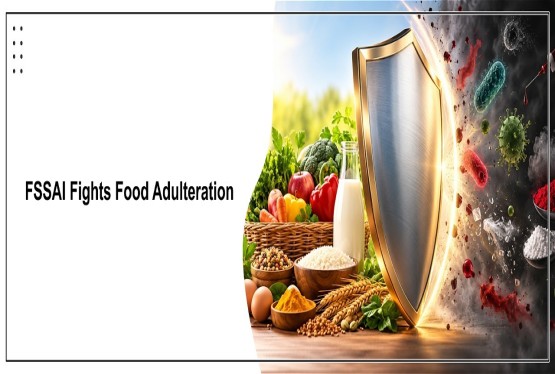
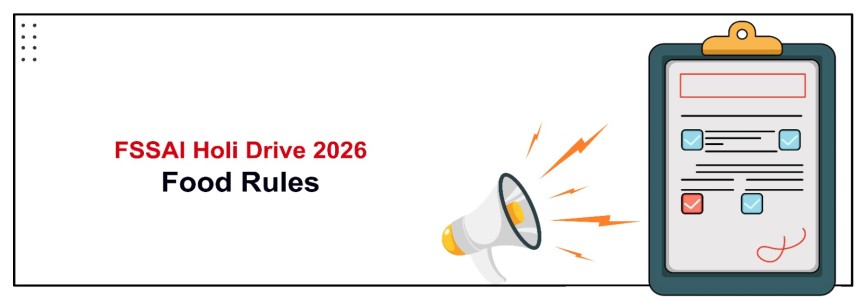



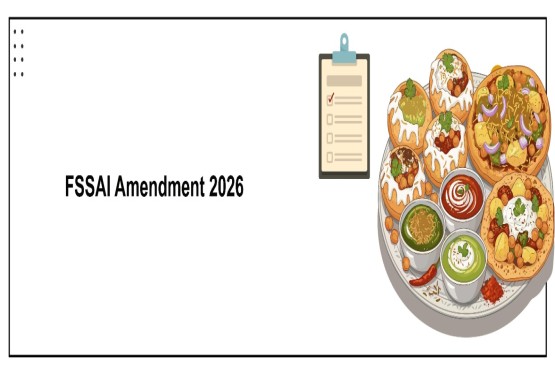
The Food Safety and Standards Authority of India (FSSAI) has issued a special notification for the Holi festival to ensure that food sold in the market is safe, pure, and free from adulteration. Every year during Holi, the demand for sweets, milk products, edible oil, snacks, and namkeen increases sharply. Because of this sudden rise in demand, some sellers try to make quick profits by mixing low-quality or harmful substances in food. This creates serious health risks for consumers.
To prevent this, FSSAI has launched the Holi Anti-Adulteration Drive – 2026, which will be carried out across all States and Union Territories.
Why This Special Drive Is Important
During festivals, food consumption increases and people buy items like:
-
Khoya and paneer
-
Ghee and edible oil
-
Sweets and snacks
-
Milk and milk products
-
Namkeen, papad, and fryums
-
Cereals and cereal products
These items are highly vulnerable to adulteration. In the past, cases of synthetic milk, starch-mixed khoya, artificial colours in sweets, and low-quality oil have been reported. Such adulteration can cause food poisoning, stomach infections, and long-term health problems.
FSSAI wants to protect consumers and maintain trust in the food market. Therefore, strict inspections and testing will be conducted before and during the festival season.
Key Instructions Given by FSSAI
1. Special Inspections and Sampling
Food Safety Officers, Designated Officers, and Central Enforcement Teams have been instructed to:
-
Conduct inspections in sweet shops, dairy units, oil mills, and food markets
-
Collect samples of milk products, sweets, snacks, and oils
-
Test the quality and safety of food items
Hotspot areas where adulteration is more likely will receive special attention.
2. Focus on High-Risk Food Items
The drive will mainly target food items that are commonly adulterated during Holi:
-
Khoya, paneer, and ghee
-
Sweets and confectionery
-
Namkeen and fried snacks
-
Edible oils
-
Milk and dairy products
States can also include other food items depending on local consumption patterns.
3. Deployment of Food Safety on Wheels (FSW)
FSSAI has advised authorities to use Food Safety on Wheels (mobile food testing vans) in major markets and crowded areas.
These vans will:
-
Conduct on-the-spot testing of food samples
-
Create awareness among consumers and vendors
-
Display testing results immediately
This step will increase transparency and build public confidence.
4. Data Upload on FoSCoS / FoSCoRIS
All inspection and sampling data must be uploaded on:
-
FoSCoS (Food Safety Compliance System)
-
FoSCoRIS (Food Safety Compliance through Regular Inspection & Sampling)
The deadline for updating this data is 31 March 2026. This ensures proper monitoring and accountability.
5. Most Important Matter
FSSAI has clearly mentioned that this drive should be treated as “MOST IMPORTANT”, meaning strict compliance is expected from all enforcement officers and food businesses.
What This Means for Food Businesses
If you are a:
-
Sweet shop owner
-
Dairy product manufacturer
-
Oil trader
-
Snack manufacturer
-
Food retailer
you must be extra careful during the Holi season.
You should:
Use only approved raw materials
Maintain proper hygiene and storage
Avoid artificial colours not permitted by FSSAI
Keep purchase invoices and testing records ready
Follow all FSSAI licence conditions
Ensure proper labelling and packaging
Non-compliance may lead to:
-
Heavy penalties
-
Seizure of products
-
Suspension or cancellation of FSSAI licence
-
Legal action under the Food Safety and Standards Act, 2006
Benefits of the Drive for Consumers
This special drive will:
-
Reduce adulteration in festival food
-
Ensure safe milk and sweets in the market
-
Increase trust in branded and licensed food businesses
-
Create awareness about food testing
-
Protect public health
Consumers can also report unsafe food through the Food Safety Connect App or local food safety authorities.
Role of Compliance and Documentation
Food businesses must maintain proper records such as:
-
Raw material purchase bills
-
Lab testing reports (if available)
-
Cleaning and hygiene logs
-
Temperature control records for dairy items
During inspection, officers may ask for these documents. Proper documentation helps avoid penalties and builds credibility.
How Compliance Calendar LLP Can Help
Food businesses often face challenges in:
-
FSSAI licence registration and renewal
-
Food product labelling compliance
-
Hygiene and safety documentation
-
Handling inspections and notices
Professional compliance support ensures that your business is ready for any FSSAI inspection, especially during festival drives.
Conclusion
The Holi Anti-Adulteration Drive 2026 is a proactive step by FSSAI to protect consumers from unsafe and adulterated food. With increased demand during festivals, maintaining food quality becomes the responsibility of every food business operator.
If you follow proper hygiene, use genuine ingredients, maintain records, and comply with FSSAI regulations, there is nothing to worry about. This drive is not only about enforcement but also about creating a safe and trustworthy food ecosystem in India.
FAQs
Q1. What is the Holi Anti-Adulteration Drive 2026?
Ans. It is a nationwide inspection and testing campaign by FSSAI to check adulteration in sweets, milk products, edible oil, and snacks during the Holi festival.
Q2. Which food items are mainly targeted in this drive?
Ans. Khoya, paneer, ghee, milk, sweets, namkeen, edible oil, and cereal products are the main focus.
Q3. Who will conduct the inspections?
Ans. Food Safety Officers, Designated Officers, and Central Enforcement Teams under FSSAI will conduct inspections and collect samples.
Q4. What is Food Safety on Wheels (FSW)?
Ans. It is a mobile food testing van that conducts on-the-spot testing of food samples in markets and crowded areas.
Q5. Is it mandatory to upload inspection data on FoSCoS?
Ans. Yes, all inspection and sampling data must be uploaded on FoSCoS or FoSCoRIS by 31 March 2026.
Q6. What happens if adulterated food is found?
Ans. The food may be seized, penalties may be imposed, and the FSSAI licence can be suspended or cancelled.
Q7. How can food businesses prepare for inspections?
Ans. Maintain hygiene, use genuine ingredients, keep purchase records, follow labelling rules, and ensure your FSSAI licence is valid.
Q8. Can consumers get food tested during this drive?
Ans. Yes, Food Safety on Wheels vans allow on-the-spot testing and awareness for consumers.
Q9. What law governs this action?
Ans. This drive is conducted under the Food Safety and Standards Act, 2006.
Q10. How can a business ensure full FSSAI compliance?
Ans. By following FSSAI licence conditions, maintaining documentation, ensuring proper storage and labelling, and conducting regular internal checks.
If you want, I can also create:
-
A compliance checklist for sweet shops and dairy units
-
A festival inspection readiness SOP
-
A poster for food businesses on Holi food safety for your clients.


_crop10_thumb.jpg)




_for_FY_2025-26_crop10_thumb.jpg)




_learn_crop10_thumb.jpg)


_Filing_Due_Dates_for_FY_2024-25_learn_crop10_thumb.jpeg)




_of_GST_Act_learn_crop10_thumb.jpg)


_Under_GST_learn_crop10_thumb.jpg)


_crop10_thumb.jpg)


_crop10_thumb.jpg)


_learn_crop10_thumb.jpg)


_of_the_Income_Tax_Act_learn_crop10_thumb.jpg)


_learn_crop10_thumb.jpg)


_learn_crop10_thumb.jpg)


_crop10_thumb.jpg)




_in_The_Income_Tax_Act,_1961_learn_crop10_thumb.jpg)


_learn_crop10_thumb.jpg)


_of_the_Income_Tax_Act_learn_crop10_thumb.jpg)

_Of_Income_Tax_Act_learn_crop10_thumb.jpg)


_learn_crop10_thumb.jpg)


_learn_crop10_thumb.jpg)
_crop10_thumb.jpg)



_learn_crop10_thumb.jpg)
_for_Import_and_Export_learn_crop10_thumb.jpg)





_crop10_thumb.jpg)