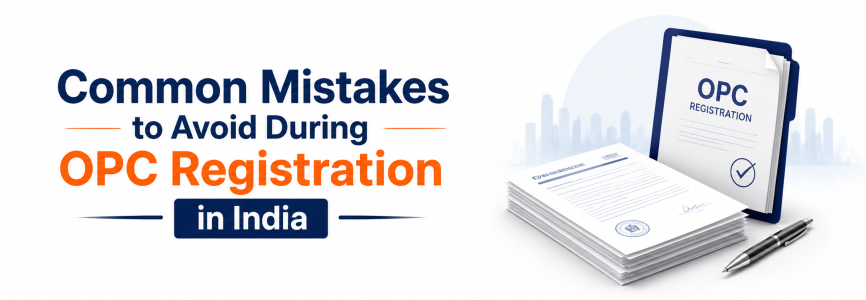



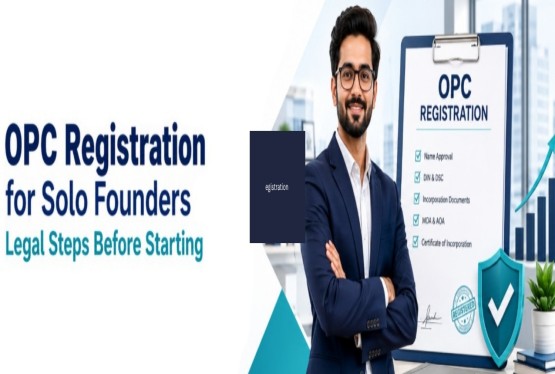
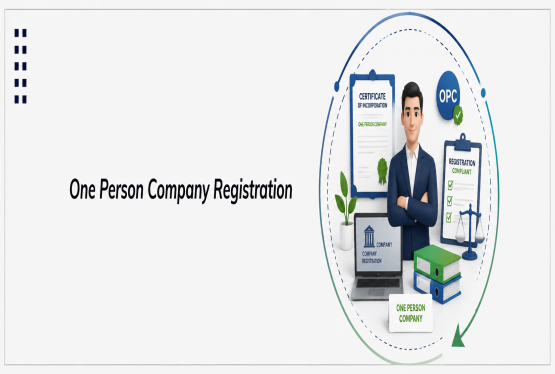
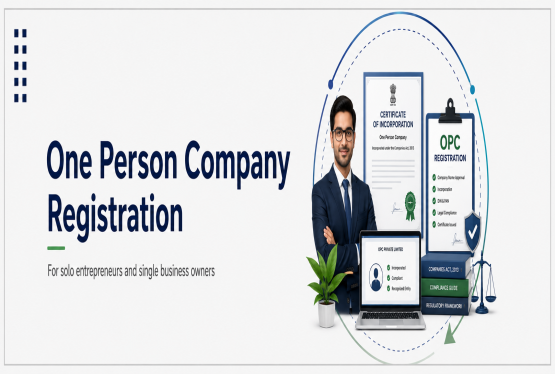
OPC Registration is a useful option for solo founders who want to start a company with legal recognition, limited liability and better business credibility. It allows one person to form a company and run the business in a structured manner. However, many entrepreneurs face delays during OPC Registration because of avoidable mistakes in documents, name approval, nominee details, business objects or registered office proof.
OPC may look simple because only one person is involved, but it is still a company under the Companies Act, 2013. Therefore, the registration process must be handled carefully. A small error in forms or documents can lead to resubmission, rejection or future compliance problems. This blog explains the common mistakes that should be avoided during OPC Registration in India.
Choosing OPC Without Understanding Future Business Plans
One of the most common mistakes is choosing OPC Registration only because it is easy for a single founder. OPC is suitable for entrepreneurs who want to run the business independently. However, it may not be the best structure if the founder is planning to add partners, bring investors or issue shares to more people in the near future.
Before choosing OPC, the founder should understand the future plan of the business. If the business is expected to grow with co-founders or external funding, a Private Limited Company may be more suitable. Choosing the wrong structure at the beginning can create extra conversion work and compliance cost later.
Not Checking Eligibility Before Applying
OPC Registration has specific eligibility conditions. Many applicants start the process without checking whether they are legally eligible to form an OPC. A person cannot casually incorporate multiple OPCs or become a nominee in more than one OPC at the same time.
Another mistake is selecting a nominee without checking eligibility. The nominee should be legally capable and should give proper consent. If eligibility is not checked properly, the application may face delay or objection.
Selecting a Nominee Without Proper Consent
Nominee details are very important in OPC Registration. In an OPC, the nominee may become the member of the company if the sole member dies or becomes incapable of entering into a contract. Therefore, the nominee should not be added only for formality.
Many founders add a family member or friend as nominee without explaining the legal role. Sometimes nominee consent is not properly signed or details do not match the documents. These small mistakes can create problems during filing. The nominee should clearly understand the role and all nominee documents should be properly prepared.
Choosing a Company Name Without Proper Search
Name approval is an important stage of OPC Registration. Many founders select a name only because it sounds attractive, but they do not check whether the name is legally available. The proposed name should not be identical or too like an existing company, LLP or trademark. If the name is already used by another business, the application may be rejected. Even if MCA approves the name, a trademark owner may raise an objection later.
Before applying for name approval, the founder should check MCA name availability and also conduct a trademark search. This helps in avoiding legal disputes and branding issues in future.
Ignoring Trademark Issues
A company name and a trademark are not the same. This is an important point many founders miss. MCA approval only allows incorporation of the company name. It does not give automatic trademark protection.
If the OPC name is similar to an existing registered trademark, the business may face legal notice or objection later. This can affect website, logo, packaging, marketing and brand building. Therefore, trademark search should be done before finalizing the company name. If the brand name is important, trademark registration should also be considered.
Drafting Incorrect Business Objects
The Memorandum of Association contains the business objects of the OPC. These objects explain the business activities of the company. A common mistake is copying object clauses from other companies without checking whether they match the actual business. If the object clause is not clear, it may create problems during bank account opening, GST Registration, licence application or future business expansion.
The objects should be practical and related to the real business activity. For example, if the OPC is formed for IT services, the object clause should clearly mention software development, IT consulting, digital services or related activities. Unrelated or vague objects should be avoided.
Providing Mismatched Documents
Document mismatch is one of the main reasons for delay in OPC Registration. The details entered in MCA forms must match the documents submitted with the application. Common issues include name mismatch in PAN and Aadhaar, wrong address, old utility bill, unclear scanned copy or missing owner NOC. Even a small spelling difference can lead to resubmission.
Before filing the application, all documents should be checked carefully. The name, address, date of birth and other details should be consistent across PAN, Aadhaar, address proof and application forms.
Not Preparing Registered Office Proof Properly
Every OPC must have a registered office address. Many founders use their home address, rented office or co-working space as the registered office. This is allowed, but proper documents must be available.
The registered office proof usually includes a recent utility bill, rent agreement or ownership proof and NOC from the owner. If the address in the form does not match the utility bill or rent agreement, the application may be sent for correction. The registered office is the official communication address of the company. Therefore, it should be properly documented and accessible for receiving notices and letters.
Using a Residential Address Carelessly
Many solo founders start from home and use their residential address for OPC Registration. This is common, but it should be done with proper consent. If the property belongs to parents, spouse, relative or landlord, an NOC from the owner should be taken.
Using an address without permission may create issues later during bank verification, GST Registration or official communication. The founder should make sure that the address can be used for business purposes and that proper proof is available.
Errors in DSC or Director Details
Digital Signature Certificate is required for signing incorporation forms. If the DSC details do not match the director’s PAN or other documents, filing issues may arise.
Many applicants make mistakes in name spelling, date of birth, email ID or mobile number while applying for DSC or filling MCA forms. These mistakes can delay the registration process. The founder should ensure that the DSC is issued with correct details and that the same details are used in all incorporation forms.
Using Temporary Email ID or Mobile Number
During OPC Registration, email ID and mobile number are used for communication, OTPs and future compliance. Some founders use temporary contact details or consultant-controlled email IDs without keeping access.
This can create problems later because MCA notices, tax communication, bank alerts and compliance reminders may be sent to those details. The founder should use an active email ID and mobile number that will remain accessible in the long term. A professional business email may also be used after incorporation for better credibility.
Not Reviewing MOA and AOA Carefully
MOA and AOA are important legal documents of the OPC. Many founders treat them as standard papers and do not review them properly. The MOA defines business activity, while the AOA contains internal rules of the company.
If these documents are poorly drafted, they may create issues later in business operations, banking, licensing or due diligence. Even though OPC has a simple structure, its constitutional documents should be prepared carefully and should match the business plan.
Adding Too Many Unrelated Activities
Some founders add many unrelated activities in the object clause because they want flexibility. However, this can make the business look unclear. For example, a company formed for digital marketing does not need to include unrelated objects like construction, trading, manufacturing, finance and food business unless such activities are genuinely planned. The object clause should be broad enough for business growth but not overloaded with unnecessary activities. A focused object clause creates better clarity.
Ignoring Other Licences After OPC Registration
OPC Registration only creates a company. It does not automatically permit every type of business activity. Depending on the nature of business, other registrations or licences may be required. For example, a food business may need FSSAI Registration, an import-export business may need IEC, and certain businesses may need GST, Shop and Establishment registration, Professional Tax or industry-specific approvals.
Many founders make the mistake of thinking that company registration is the final step. In reality, OPC Registration is only the starting point. The founder should check post-incorporation licences based on the business activity.
Not Planning GST Registration Correctly
GST Registration is not mandatory for every OPC from the first day. It depends on turnover, type of supply, place of supply and business model. Some founders apply for GST without need and then struggle with return filing. Others delay GST Registration even when it becomes mandatory. Both situations can create compliance problems.
The founder should check whether GST is required based on the actual business activity. If clients need GST invoices or if the business involves interstate supply or e-commerce operations, GST planning should be done properly.
Mixing Personal and Company Transactions
An OPC is a separate legal entity. Therefore, the founder should not mix personal and business transactions. A common mistake is using a personal bank account for company income and expenses. After incorporation, the company should open a current bank account and use it for business transactions. Proper accounting records should also be maintained from the beginning. Mixing personal and company funds can create problems in tax filing, accounting, audit and legal compliance. It may also reduce the benefit of having a separate company structure.
Missing Post-Incorporation Compliance
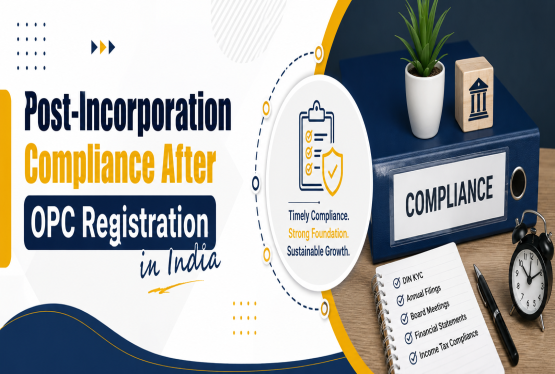
Many founders think the work is complete once the Certificate of Incorporation is issued. This is not correct. After OPC Registration, the company must complete required post-incorporation and annual compliance. The company should maintain proper books of accounts, statutory records and file required returns on time. Even if the OPC has low turnover or no business activity, annual filing requirements may still apply. Missing compliance can lead to penalties, additional fees and legal notices. Therefore, the founder should track important due dates from the beginning.
Not Maintaining Proper Accounts
Accounting is often ignored in the early stage of a small business. However, an OPC is a company and must maintain proper financial records. The founder should keep records of sales, expenses, invoices, bank transactions, capital introduced and tax payments.
Maintaining accounts from the start helps in income tax filing, ROC filing, GST compliance, loan applications and business planning. Poor accounting may not look serious in the beginning, but it can create major problems later.
Not Understanding Director Responsibility
In an OPC, the founder usually acts as the director and shareholder. This gives full control, but it also creates legal responsibility. The director is responsible for signing documents, maintaining records, filing returns, responding to notices and ensuring lawful business operations. Some founders register the OPC but do not understand these duties. OPC gives a professional structure, but it also requires discipline in compliance and documentation.
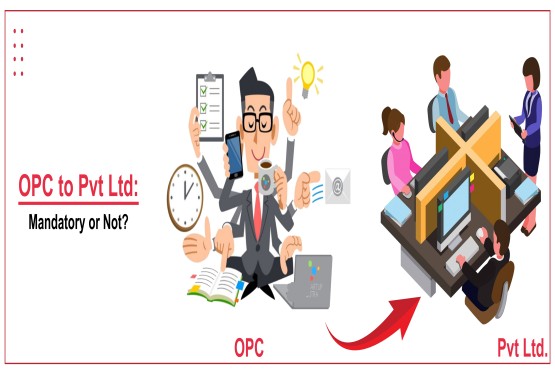
Ignoring Conversion Planning
OPC may need to be converted into another company structure when the business grows or when the founder wants to add shareholders or raise investment. Many founders do not think about this at the time of registration.
If the founder expects investors, co-founders or equity sharing in the near future, conversion planning should be considered early. This helps avoid sudden restructuring issues later. OPC is good for solo entrepreneurs, but growth plans should be reviewed before choosing the structure.
Not Keeping Incorporation Documents Safely
After OPC Registration, many founders do not keep proper copies of incorporation documents. This can create difficulty during bank account opening, GST Registration, licence application or business due diligence.
Important documents such as Certificate of Incorporation, PAN, TAN, MOA, AOA, nominee consent, registered office proof and MCA forms should be safely stored. These documents may be required many times during the life of the company.
Practical Points to Remember Before Filing
Before applying for OPC Registration, the founder should carefully check the name, nominee details, registered office proof, object clause, DSC details and supporting documents. The application should not be filed in a hurry. It is also important to understand post-registration compliance. OPC Registration gives legal identity, but regular compliance keeps the company active and legally safe.
Conclusion
OPC Registration is a good option for solo founders who want to start a business with limited liability and professional recognition. However, the registration process should be handled carefully. Mistakes in name selection, nominee consent, documents, registered office proof, object clause or post-registration compliance can delay the process and create future problems.
A founder should not treat OPC Registration as a simple form-filling task. It requires proper planning, accurate documents and clear understanding of legal duties. By avoiding these common mistakes, entrepreneurs can register their OPC smoothly and start their business on a strong legal foundation.
FAQ’S
Q1. What is the most common mistake during OPC Registration?
Ans. The most common mistake is submitting documents with mismatched names, addresses or details.
Q2. Can I choose any person as nominee for OPC?
Ans. No, the nominee must be eligible and should give proper consent for OPC Registration.
Q3. Is MCA name approval enough for brand protection?
Ans. No, MCA name approval does not give trademark protection. A trademark search is also important.
Q4. Can I use my home address for OPC Registration?
Ans. Yes, but proper address proof and owner NOC should be available.
Q5. Is GST compulsory after OPC Registration?
Ans. GST is not compulsory for every OPC. It depends on turnover and nature of business.
Q6. Can one person register more than one OPC?
Ans. No, one person cannot form more than one OPC at the same time.
Q7. Why is the object clause important in OPC Registration?
Ans. It defines the business activities of the company and should match the actual business plan.
Q8. What happens if documents are incorrect?
Ans. Incorrect documents may lead to resubmission, delay or rejection of the application.
Q9. Is compliance required after OPC Registration?
Ans. Yes, OPC must complete required accounting, ROC filing and other legal compliances.
Q10. Should personal and OPC bank transactions be separate?
Ans. Yes, company and personal transactions should be kept separate for proper accounting.


_crop10_thumb.jpg)


_crop10_thumb.jpg)


-Form_crop10_thumb.jpg)

_crop10_thumb.jpg)


_learn_crop10_thumb.jpeg)


_crop10_thumb.jpg)

_crop10_thumb.jpg)


_crop10_thumb.jpg)




_for_Foreign_Directors_learn_crop10_thumb.jpeg)


_Act,_2015_learn_crop10_thumb.jpg)









_learn_crop10_thumb.jpg)








































_crop10_thumb.jpg)

_crop10_thumb.jpg)


_(1)_crop10_thumb.jpg)







_crop10_thumb.png)






_crop10_thumb.jpg)


_crop10_thumb.jpg)






_crop10_thumb.png)
_crop10_thumb.jpg)






_crop10_thumb.png)