



Starting a business alone has become common in India. Many consultants, freelancers, traders, service providers, digital professionals, coaches, designers and online sellers now prefer to build their own venture without depending on a partner or co-founder. Earlier, solo business owners usually operated as sole proprietors because it was simple and easy to start. But as the business grows, the need for legal identity, better credibility and limited liability becomes more important.
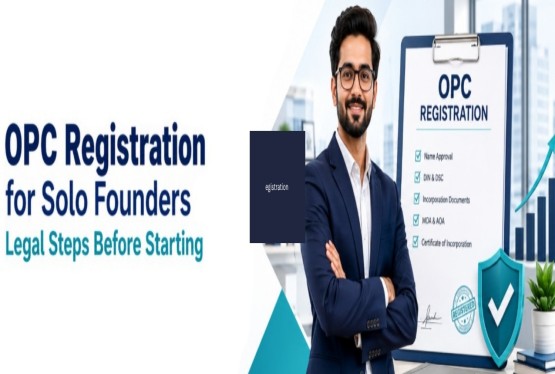
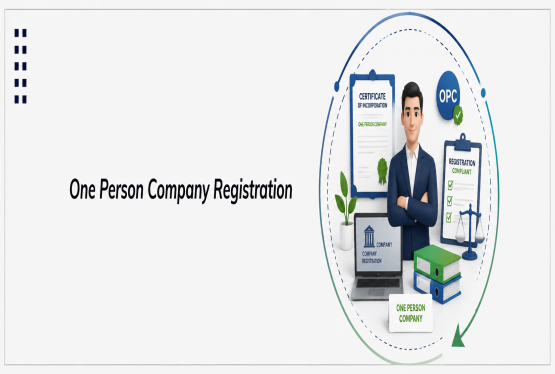
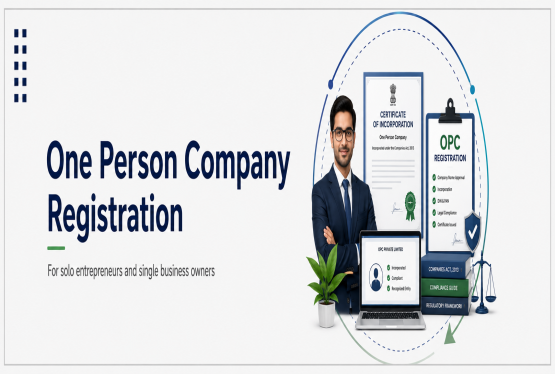
This is where OPC Registration can be a good option. A One Person Company allows a single entrepreneur to run a company with full ownership and control. It gives the business a separate legal identity while allowing the founder to remain the only shareholder. For solo entrepreneurs who want to build a serious and professional business, OPC can offer a better structure than an informal setup.
OPC Registration is not just about adding “OPC Private Limited” after the business name. It gives the business a legal form, improves client confidence and helps the founder separate personal identity from business identity. For a solo entrepreneur, this can be a strong step toward long-term growth.
A Better Legal Identity for Solo Businesses
One of the biggest reasons to consider OPC Registration is that it gives the business a separate legal identity. In a sole proprietorship, the owner and the business are legally treated as the same. This means that if the business faces any liability, debt or legal claim, the personal assets of the owner may also be at risk.
In an OPC, the company is treated as a separate legal person. It can own assets, enter into contracts, open a bank account and conduct business in its own name. The founder owns the company, but the company has its own identity under law. This is very useful for solo entrepreneurs who deal with clients, vendors, suppliers or service contracts. When the business has a separate legal structure, it becomes easier to manage obligations and reduce personal exposure.
Limited Liability Protection
Limited liability is another important benefit of OPC Registration. A solo entrepreneur may start small, but business risks can increase with time. There may be unpaid invoices, vendor disputes, customer claims, product issues, service disagreements or contract-related liabilities.
In a sole proprietorship, the owner is personally responsible for business liabilities. But in an OPC, the liability of the member is generally limited to the value of shares held in the company. This gives better protection to the personal assets of the entrepreneur, provided the company is used properly and compliances are followed. For example, if a solo consultant signs a high-value contract or an online seller deals with multiple customers and suppliers, business risks may arise. OPC Registration helps create a legal boundary between personal assets and business liabilities.
Full Control Without a Co-Founder
Many solo entrepreneurs do not want to add another person only for registration purposes. They want to keep full control over business decisions, profits and planning. OPC Registration supports this need because it allows one person to own the company.
The founder can take decisions independently without shareholder disputes or partner disagreements. This is helpful for entrepreneurs who have a clear business plan and want to move fast. At the same time, they get the benefit of a registered company structure. This makes OPC a balanced option. It gives the legal status of a company without forcing the founder to share ownership.
Better Business Credibility
Credibility plays a big role in business growth. Clients, banks, vendors and corporate customers often feel more confident while dealing with a registered company. A business registered as an OPC looks more structured and professional than an informal business setup. For solo consultants, freelancers and service providers, this professional image can help in winning better clients. Many corporate clients prefer working with registered entities because documentation, invoicing, taxation and contracts become clearer.
An OPC can also help while applying for GST registration, opening a current account, registering on online marketplaces, applying for IEC, taking business licenses or signing vendor agreements. A registered company name gives the business better recognition.
Better Separation of Personal and Business Finances
Many solo entrepreneurs make the mistake of mixing personal and business transactions. This creates confusion during tax filing, accounting and financial planning. It also becomes difficult to understand the actual profit of the business.
OPC Registration encourages the founder to maintain a separate company bank account and proper books of accounts. This helps in tracking income, expenses, taxes, receivables and payments in a more organized way. When business finances are separate, the entrepreneur can understand the financial health of the business more clearly. It also creates better records for future loans, funding, audits and expansion.
Suitable for Serious Solo Entrepreneurs
OPC Registration is useful for solo entrepreneurs who want to build a professional business, not just do casual work. It is suitable for consultants, freelancers, small traders, online sellers, coaches, IT professionals, designers, marketing professionals and service providers who work independently but want a formal business structure.
For example, a freelancer who works with corporate clients may benefit from OPC Registration because clients may prefer a registered company for contracts and invoices. Similarly, a small trader or e-commerce seller may find OPC useful for banking, GST, vendor registration and brand building. OPC is also helpful for professionals who want to move from individual work to a proper business model. It gives them a structure that supports growth without requiring a partner.
Easier to Manage Than a Private Limited Company
A private limited company is a popular business structure, but it requires at least two shareholders. It may also involve more internal management and compliance. For a solo entrepreneur, this may not always be practical. OPC is comparatively simpler because there is only one member. The ownership remains clear, and decision-making is faster. An OPC is also not required to hold an Annual General Meeting, which reduces some compliance burden.
However, OPC is still a company. Annual filings, accounting, income tax return, statutory records and ROC compliance must be maintained. The benefit is that the structure is easier to manage than a regular private limited company while still offering corporate recognition.
Helps in Brand Building
Many solo entrepreneurs start their business in their own name. But after some time, they want to create a brand that can grow beyond their personal identity. OPC Registration helps in this process.
A registered company name creates a separate business identity. The entrepreneur can build a website, logo, invoices, agreements, social media pages and marketing material under the company name. This helps the business look more stable and professional. Brand building is important because clients may change, markets may expand and services may grow. A company name gives the founder a long-term identity for the business.
Better for Contracts and Corporate Clients
When a solo entrepreneur works with individual clients, informal arrangements may work in the beginning. But when the business starts dealing with companies, institutions or large clients, proper documentation becomes important.
Corporate clients may ask for company PAN, GST details, certificate of incorporation, bank details and legal agreements. OPC Registration helps the entrepreneur provide these documents in a formal way. It also makes contract signing easier. The agreement can be signed in the name of the company instead of the individual. This creates clarity for both parties and makes the business relationship more professional.
Business Continuity Through Nominee
Another important feature of OPC is the nominee system. At the time of incorporation, the sole member has to nominate another person. The nominee can take over the membership of the company in case of death or incapacity of the original member.
This gives business continuity. In a sole proprietorship, the business may become uncertain if something happens to the owner. But in an OPC, the nominee structure helps continue the company legally. This is important when the business has clients, employees, contracts, assets or pending obligations. It gives a safer structure for the future.
Growth and Conversion Possibility
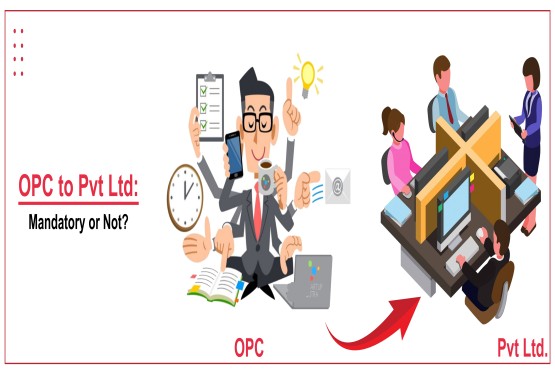
A solo entrepreneur may start alone, but the business may grow over time. Later, the founder may want to add investors, co-founders or shareholders. OPC allows such growth because it can be converted into a private limited company as per applicable rules.
This makes OPC a flexible starting point. The founder can begin with complete ownership and later change the structure when the business needs external investment or expansion.
For bootstrapped entrepreneurs, this is useful because they do not need to start with a complex structure from day one. They can begin as an OPC and upgrade when the business reaches the next stage.
Compliance Should Not Be Ignored
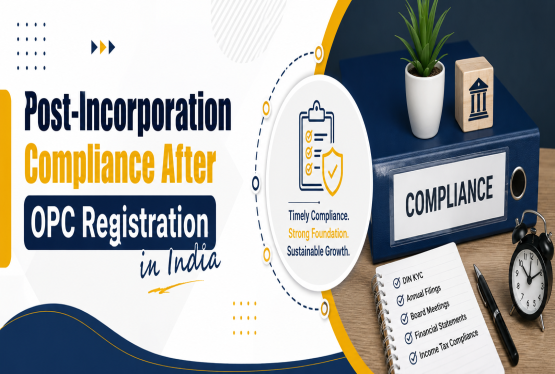
OPC Registration has many benefits, but it also comes with responsibilities. Since an OPC is a company, the founder must maintain proper records and complete annual compliance. The company must maintain books of accounts, file income tax returns, submit ROC forms and follow basic company law requirements. If compliances are ignored, penalties may arise. Solo entrepreneurs should not treat OPC as a one-time registration. It should be maintained properly every year. Timely accounting and filings keep the company active and legally safe.
OPC vs Sole Proprietorship for Solo Entrepreneurs
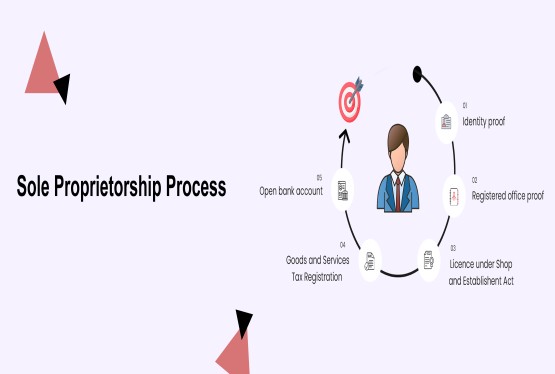
A sole proprietorship is simple to start and may be suitable for very small businesses with low risk. But it does not provide separate legal identity or limited liability. The business depends completely on the owner. OPC is more formal and requires compliance, but it gives better legal protection, business identity and credibility. It is more suitable for entrepreneurs who want to work with bigger clients, build a brand or expand in the future.
So, the choice depends on the business goal. If the entrepreneur wants only a small local setup, proprietorship may be enough. But if the entrepreneur wants a professional and growth-ready structure, OPC Registration can be a better choice.
Why Solo Entrepreneurs Should Think Long-Term?
Many solo entrepreneurs focus only on starting quickly. But a business structure should not be chosen only for convenience. It should also support future growth, legal safety and business trust.
OPC Registration helps solo founders think like business owners from the beginning. It creates discipline in accounting, compliance, documentation and client dealing. It also gives a better platform for future expansion. A strong structure can make a big difference when the business grows. It helps the founder avoid confusion, build trust and manage risk.
Conclusion
OPC Registration is a practical option for solo entrepreneurs who want to run their business independently with legal recognition. It offers separate legal identity, limited liability, better credibility, financial discipline and full ownership control.
It is especially useful for consultants, freelancers, online sellers, small traders and service providers who want to move from an informal setup to a professional business structure. While it requires compliance, the benefits can be valuable for entrepreneurs who are serious about growth. For solo founders who want independence along with a formal business identity, OPC Registration can be a smart step before scaling the business further.
FAQ’S
Q1. Is OPC good for solo entrepreneurs?
Ans. Yes, OPC is a good option for solo entrepreneurs who want full control with legal recognition.
Q2. Can one person start an OPC?
Ans. Yes, one person can start and own a One Person Company.
Q3. Does OPC give limited liability?
Ans. Yes, OPC provides limited liability protection to the owner.
Q4. Is OPC better than sole proprietorship?
Ans. OPC is better if you want legal identity, limited liability and better business credibility.
Q5. Can an OPC have employees?
Ans. Yes, an OPC can hire employees and run business operations like other companies.
Q6. Is nominee required in OPC?
Ans. Yes, appointing a nominee is mandatory during OPC Registration.
Q7. Can OPC be converted into private limited company?
Ans. Yes, OPC can be converted into a private limited company as per applicable rules.
Q8. Does OPC need annual compliance?
Ans. Yes, OPC must complete annual ROC filing, accounting and tax compliance.
Q9. Can freelancers register an OPC?
Ans. Yes, freelancers can register an OPC if they want a formal business structure.
Q10. Is GST mandatory for OPC?
Ans. GST is mandatory only if the OPC crosses the prescribed turnover limit or falls under mandatory registration cases.


_crop10_thumb.jpg)


_crop10_thumb.jpg)


-Form_crop10_thumb.jpg)

_crop10_thumb.jpg)


_learn_crop10_thumb.jpeg)


_crop10_thumb.jpg)

_crop10_thumb.jpg)


_crop10_thumb.jpg)





_for_Foreign_Directors_learn_crop10_thumb.jpeg)


_Act,_2015_learn_crop10_thumb.jpg)








_learn_crop10_thumb.jpg)






























_crop10_thumb.jpg)

_crop10_thumb.jpg)

_(1)_crop10_thumb.jpg)






_crop10_thumb.png)






_crop10_thumb.jpg)

_crop10_thumb.jpg)






_crop10_thumb.png)
_crop10_thumb.jpg)





_crop10_thumb.png)