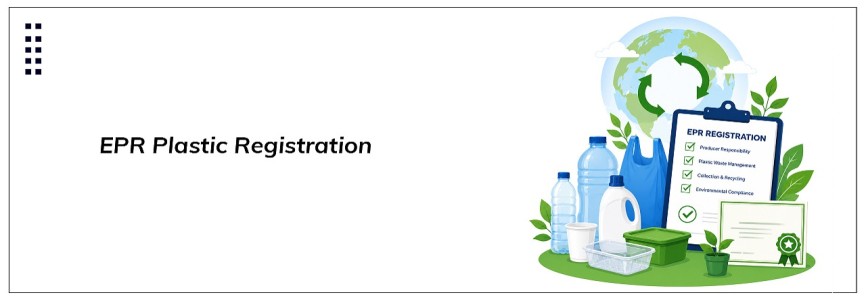



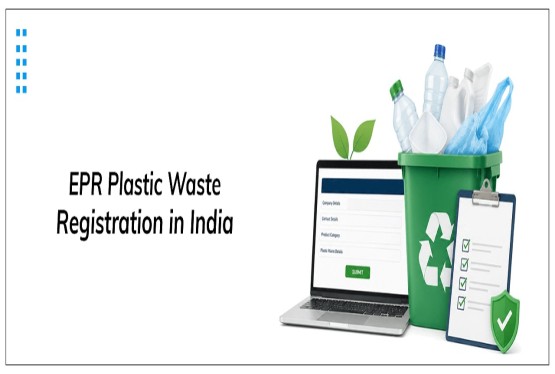
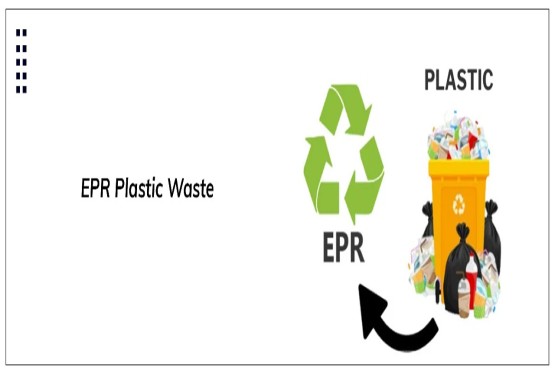
Plastic packaging has become a major part of modern business. Whether a company sells food products, cosmetics, electronics, garments, FMCG goods, personal care items, household products or imported consumer goods, plastic packaging is often used for protection, branding, storage and transportation. However, the legal responsibility for plastic packaging does not end once the product is sold in the market. Under the Extended Producer Responsibility framework, importers and brand owners are responsible for managing the plastic packaging waste generated from their products.
EPR Plastic Registration is no longer just an environmental formality. It has become a mandatory compliance requirement for businesses that introduce plastic packaging in the Indian market. Importers and brands must register on the centralized EPR portal, declare plastic packaging quantities, fulfil annual EPR targets, purchase or generate EPR certificates, file returns and maintain proper records.
For importers and brand owners, non-compliance can lead to environmental compensation, restriction on business activity, customs-related issues, cancellation of registration and reputational risk. This is why EPR Plastic Registration has become an important compliance area for every business dealing with plastic packaging.
Meaning of EPR Plastic Registration
EPR stands for Extended Producer Responsibility. In simple words, it means that the business placing plastic packaging in the market is responsible for ensuring that the plastic waste is collected, recycled, reused or disposed of in an environmentally sound manner.
EPR Plastic Registration is the registration obtained by Producers, Importers and Brand Owners, commonly known as PIBOs, under the Plastic Waste Management Rules. This registration is issued through the centralized online EPR portal developed by the Central Pollution Control Board. Once registered, the entity becomes responsible for meeting annual EPR obligations based on the plastic packaging introduced in the market.
For importers, this applies when they import goods packed in plastic packaging or import plastic packaging material or plastic raw material used for packaging. For brand owners, it applies when they sell products under their own brand name using plastic packaging.
Legal Requirements for EPR Plastic Registration in India
The legal Requirements for EPR Plastic Registration is mainly governed by the Environment Protection Act, 1986 and the Plastic Waste Management Rules, 2016, as amended from time to time. The Plastic Waste Management Rules create duties for producers, importers, brand owners, waste generators, local bodies, gram panchayats, plastic waste processors and other stakeholders involved in plastic waste management.
Rule 9 of the Plastic Waste Management Rules deals with Extended Producer Responsibility. It places responsibility on Producers, Importers and Brand Owners who introduce plastic packaging in the market. The EPR framework requires PIBOs to ensure collection, recycling, reuse or end-of-life disposal of plastic packaging waste.
In 2022, detailed EPR Guidelines for Plastic Packaging were introduced in Schedule II of the Plastic Waste Management Rules. These guidelines created the centralized EPR mechanism, category-wise plastic packaging classification, EPR targets, registration requirements, certificate mechanism, annual return obligations and environmental compensation provisions.
The Plastic Waste Management Amendment Rules, 2024 further strengthened the compliance framework by updating definitions and responsibilities and clarifying that PIBOs introducing plastic packaging are responsible for collection of such plastic packaging. The amendment reinforced the principle that once a PIBO fulfils its EPR obligation, it is considered to have complied with its collection responsibility.
The Plastic Waste Management Amendment Rules, 2026 introduced further changes, including provisions relating to recycled plastic content in packaging, labeling and marking requirements, obligations for recycled content targets and treatment of imported materials. These updates show that EPR compliance is moving from basic registration to active circular economy compliance.
Who Needs EPR Plastic Registration?
EPR Plastic Registration is required by Producers, Importers and Brand Owners dealing with plastic packaging. A producer is generally a person or entity engaged in manufacture or import of plastic packaging or intermediate material used for packaging. An importer is a person or entity importing plastic packaging, products with plastic packaging or plastic raw materials used in packaging. A brand owner is a person or company selling commodities under a registered brand or label.
Importers of packaged products should carefully review their packaging. If imported goods come with plastic wrappers, bottles, containers, pouches, films, labels, caps, trays, tubes or any other plastic packaging material, EPR registration may be applicable. Similarly, brands selling products in plastic packaging in India must comply even if they outsource manufacturing to another unit.
The registration applies to businesses in sectors such as FMCG, food and beverages, cosmetics, personal care, pharmaceuticals, electronics, apparel, e-commerce, household goods, toys, industrial products, automobile accessories and packaged consumer goods. Even if the plastic packaging is small, the obligation may still arise if the business introduces plastic packaging in the Indian market.
EPR Responsibility of Importers
Importers have a specific role under the EPR framework because they bring plastic packaging or plastic-packaged goods into India. Once goods enter the Indian market, the plastic packaging attached to those goods becomes part of the domestic plastic waste stream. Therefore, importers cannot avoid responsibility by saying that the packaging was manufactured outside India.
An importer may be covered if it imports finished goods packed in plastic packaging, imports plastic packaging material, imports resin, pellets or intermediate material used for plastic packaging, or imports branded goods for resale in India. Importers must register on the centralized EPR portal and disclose the quantity and category of plastic packaging introduced in the market.
For customs and import compliance, EPR registration has become increasingly important. Importers should ensure that their EPR registration and declarations are aligned with import documents, product details, packaging material details and business records. Wrong classification or non-registration may create delays, regulatory queries or compliance risk.
EPR Responsibility of Brand Owners
Brand owners are responsible because they place products in the market under their brand name. Even if the brand owner does not manufacture the product or packaging itself, it benefits from the sale of the packaged product and is therefore responsible for the plastic packaging waste generated.
A brand owner may be a company selling food items, cosmetics, beverages, clothes, accessories, electronics, home products, wellness products, stationery or any product using plastic packaging. If the product reaches consumers under the brand’s name, the brand owner should evaluate EPR registration obligations.
Brand owners must calculate packaging quantities, identify categories of plastic packaging, file details on the EPR portal, meet annual EPR targets and maintain supporting records. For businesses with multiple SKUs, product lines and packaging formats, the calculation process should be done carefully.
Categories of Plastic Packaging under EPR
The EPR legalities classifies plastic packaging into different categories. These categories help determine EPR targets, recycling obligations, reuse obligations and reporting requirements.
Category I generally covers rigid plastic packaging. This may include plastic bottles, jars, containers, caps, tubs, rigid boxes and similar packaging. Category II covers flexible plastic packaging of single layer or multilayer structure where different plastic layers are used. This may include wrappers, films, pouches, sachets, carry bags and flexible packaging material.
Category III generally covers multilayered plastic packaging where at least one layer is plastic and one or more layers may be non-plastic material. Such packaging is commonly used in food packets, snacks, laminated pouches and similar products. Category IV covers plastic sheets or packaging made of compostable plastics and other specified categories depending on the legal framework and portal classification.
Correct category identification is very important. Wrong classification may lead to incorrect target calculation, portal mismatch, return errors and future compliance issues.
Documents Required for EPR Plastic Registration
Importers and brand owners must arrange proper documents before applying for EPR Plastic Registration. The exact document requirement may vary depending on the type of entity, business activity, plastic packaging category and portal requirements. However, certain basic business, identity, product and packaging-related documents are generally required for filing the application.
For importers, IEC is an important document because import activity is linked with DGFT and customs records. For brand owners, brand details or trademark-related information may also be relevant, depending on the nature of the application.
Authorized Signatory Documents
- Aadhaar card of the authorized signatory
- Authorization letter or board resolution
- Contact details of the authorized person
- Digital signature, if required for filing
- PAN card of the authorized signatory
Basic Documents Required
- Certificate of Incorporation, if applicable
- CIN or LLPIN, if applicable
- Email ID and mobile number of the applicant
- Factory or warehouse details, if applicable
- GST Registration Certificate
- Import Export Code for importers
- PAN card of the business or applicant
- Partnership deed, if the applicant is a partnership firm
- Proprietorship proof, if the applicant is a proprietorship concern
- Registered office address proof
Other Supporting Documents
- Agreement with plastic waste processors, if applicable
- Any other document required by the EPR portal or authority
- Declaration regarding plastic packaging introduced in the market
- Details of recycling, reuse or waste processing arrangement, if applicable
- EPR action plan, if required
Plastic Packaging Details
- Category of plastic packaging used
- Declaration regarding plastic packaging used by the business
- Details of rigid plastic packaging, flexible packaging or multilayered packaging
- Product-wise or category-wise plastic packaging data
- Quantity of plastic packaging introduced in the market
Product and Brand Details
- Brand details
- Details of goods imported or sold under the brand
- Previous year sales or import data, if applicable
- Product details
- Trademark or brand ownership details, if applicable
The applicant should ensure that all documents are clear, valid and consistent with business records. Any mismatch in PAN, GST, IEC, company details, address or packaging data may lead to clarification, delay or rejection of the EPR Plastic Registration application.
EPR Plastic Registration Process
The EPR Plastic Registration process is completed online through the centralized EPR portal. Producers, Importers and Brand Owners must apply by submitting business details, authorized person information, plastic packaging details, supporting documents and the prescribed fee. Before filing the application, the applicant should carefully check the correct business category because one business may fall under more than one category, such as importer and brand owner.
Step 1: Create Login on EPR Portal
- The applicant must visit the centralized EPR portal.
- Login credentials are created by entering basic business and contact details.
- The applicant must select the correct category as Producer, Importer or Brand Owner.
- If the business falls under more than one category, proper evaluation should be done before filing.
Step 2: Enter Business Details
After login, the applicant must enter complete business information. These details should match with PAN, GST, IEC, incorporation documents and other official records.
- Name of the business
- Registered office address
- GST details
- PAN details
- CIN, LLPIN or business registration details
- IEC details, if the applicant is an importer
- Factory, warehouse or operational address, if applicable
Step 3: Add Authorized Person Details
The applicant must provide details of the authorized person who will handle the EPR application and compliance communication.
- Name of authorized signatory
- PAN and Aadhaar details
- Email ID and mobile number
- Authorization letter or board resolution
- Digital signature, if required
Step 4: Provide Product and Packaging Details
The applicant must provide details of products and plastic packaging introduced or proposed to be introduced in the Indian market. Plastic packaging category and quantity should be entered carefully because EPR obligations are calculated on this basis.
- Product details
- Brand details
- Plastic packaging category
- Type of packaging used
- Quantity of plastic packaging
- Details of rigid, flexible or multilayered packaging
- Previous year sales or import data, if applicable
Step 5: Upload Supporting Documents
The required documents must be uploaded on the portal in the prescribed format. All documents should be clear, valid and consistent with business records.
- PAN and GST certificate
- Incorporation certificate or business proof
- IEC certificate for importers
- Authorized signatory documents
- Product and packaging details
- Plastic packaging quantity declaration
- Other documents required by the portal
Step 6: Pay the Registration Fee
Once the application is completed, the applicant must pay the prescribed registration fee online. After successful payment, the application is submitted for review.
- Fee is paid through the online portal.
- Payment receipt should be saved.
- Application reference details should be retained for tracking.
Step 7: Application Review by Authority
After submission, the application is reviewed by the concerned authority. If any deficiency is found, the applicant may be asked to provide clarification or additional documents.
- The authority verifies business and packaging details.
- Clarification may be raised for incomplete or incorrect information.
- The applicant must respond properly to avoid rejection or delay.
- Any mismatch in documents may slow down approval.
Step 8: Approval and Certificate Issuance
Once the application is approved, the EPR Registration Certificate is issued. The certificate allows the business to operate as a registered PIBO under the EPR framework.
- EPR Registration Certificate is issued online.
- The certificate should be downloaded and safely maintained.
- Registration details should be used for future EPR compliance and return filing.
Step 9: Ongoing EPR Compliance
The responsibility does not end after obtaining the registration certificate. Registered PIBOs must continue to comply with annual EPR obligations.
- Fulfil annual EPR targets
- Maintain plastic packaging data
- Purchase or generate EPR certificates, if applicable
- File annual returns on the portal
- Update business or packaging details whenever required
- Maintain records for future verification
EPR Plastic Registration is only the first step. Importers and brand owners must also ensure regular compliance, accurate data reporting, EPR target fulfilment and timely return filing to avoid penalties and regulatory action.
EPR Targets and Certificate Mechanism
Under the EPR framework, registered PIBOs must meet annual EPR targets based on the quantity and category of plastic packaging introduced in the market. These targets may include recycling, reuse and end-of-life disposal obligations depending on the plastic category.
The EPR certificate mechanism allows registered plastic waste processors to generate certificates after processing plastic waste. PIBOs can purchase certificates from registered processors to fulfil their EPR obligations. This creates a traceable mechanism where plastic waste processing is linked with the obligations of businesses introducing plastic packaging.
Importers and brand owners should ensure that certificates are purchased only from registered and valid plastic waste processors. They should also reconcile certificates with their annual obligations and portal records. Any mismatch can result in shortfall, environmental compensation or compliance queries.
Annual Returns and Ongoing Compliance
EPR Plastic Registration is not a one-time compliance. After registration, the PIBO must file annual returns and maintain data relating to plastic packaging introduced in the market, EPR targets, certificates purchased, recycling details, reuse details and other compliance information.
Annual return filing is one of the most important parts of EPR compliance. Businesses should maintain month-wise and product-wise data to avoid year-end confusion. Importers should reconcile import data with customs documents, purchase records and packaging declarations. Brand owners should reconcile sales data, SKU-wise packaging data and product packaging details.
Failure to file annual returns or filing incorrect data may attract regulatory action. Therefore, companies should maintain internal systems for EPR data collection and compliance tracking.
Recent Updates in EPR Plastic Compliance
The EPR has developed significantly in recent years. The 2022 EPR Guidelines introduced centralized registration, category-wise obligations, EPR certificates and annual targets. This shifted the system from scattered compliance to a structured online framework.
The 2024 amendment further strengthened the responsibility of Producers, Importers and Brand Owners. It clarified collection responsibility and reinforced the rule that PIBOs introducing plastic packaging in the market are responsible for such packaging.
The 2026 amendment is especially important for importers and brands because it introduced stronger circular economy requirements, including mandatory use of recycled plastic content in specified packaging categories. It also provided for compliance with standards for recycled plastic packaging, labeling and marking requirements and rules regarding food contact applications where separate legal requirements such as food safety standards may apply.
A major point for importers is that recycled plastic content used in imported material may not automatically count toward the importer’s recycled content obligation in India. Importers may need to fulfil the obligation through certificates or other mechanisms as provided under the rules and portal framework. This makes compliance planning important before importing large quantities of plastic-packaged goods.
Penalties and Environmental Compensation
Non-compliance with EPR Plastic Registration can lead to environmental compensation and other regulatory consequences. Environmental compensation is based on the polluter pays principle. It may apply when a PIBO fails to register, fails to meet EPR targets, files incorrect data, fails to submit annual returns or violates Plastic Waste Management Rules.
Authorities may also issue show cause notices, suspend or cancel registration, restrict business activity, initiate prosecution or take action under environmental laws. For importers, non-compliance may also create issues in customs clearance and regulatory verification.
The cost of non-compliance can be much higher than the cost of timely registration and annual compliance. Therefore, businesses should not treat EPR as a last-minute requirement.
Common Mistakes by Importers and Brands
Many businesses make the mistake of assuming that EPR applies only to plastic manufacturers. This is incorrect. Importers and brand owners are directly covered if they introduce plastic packaging into the market.
Another common mistake is underreporting packaging quantity. Some businesses calculate only primary packaging and ignore secondary or tertiary packaging. Packaging such as shrink wrap, labels, caps, bubble wrap, plastic trays and transport packaging may also need review depending on facts.
Some brands also fail to identify correct plastic packaging categories. Incorrect classification can affect EPR targets and certificate purchase. Importers often fail to reconcile import data with EPR declarations, which may create mismatch during verification.
Businesses also delay annual return filing or fail to maintain processor certificates. These mistakes can result in penalties and compliance complications.
Practical Compliance Checklist
Importers and brand owners should first identify whether their business introduces plastic packaging in India. They should then classify themselves correctly as importer, brand owner, producer or a combination of these categories.
Next, they should identify all products and packaging formats. Each packaging component should be reviewed separately, including bottles, caps, pouches, wrappers, labels, films, trays, containers and transport packaging. The plastic category and quantity should be calculated carefully.
The business should then arrange documents, register on the EPR portal, pay the applicable fee and obtain registration. After registration, it should track annual targets, purchase valid EPR certificates where required, file returns and maintain compliance records.
A proper internal system should be created so that EPR data is collected throughout the year instead of being prepared only at the time of return filing.
Importance of Professional Assistance
EPR Plastic Registration involves legal interpretation, packaging classification, quantity calculation, documentation, portal filing and annual compliance. For businesses with multiple products, multiple packaging materials or import activity, the process can become complex.
Professional assistance helps businesses understand whether EPR applies, what category they fall under, which documents are required, how to calculate plastic packaging quantity and how to fulfil annual obligations. It also helps reduce the risk of rejection, wrong filing and future penalties.
For importers and brand owners, professional compliance support is useful not only for registration but also for ongoing annual returns, target tracking and certificate reconciliation.
Conclusion
EPR Plastic Registration for Importers and Brands is now a key legal requirement in India’s plastic waste management framework. The law places responsibility on businesses that introduce plastic packaging into the market, even if they do not manufacture the packaging themselves.
Importers must be careful because plastic packaging attached to imported goods becomes part of the Indian waste stream. Brand owners must also comply because products sold under their brand generate packaging waste after use. Registration, target fulfilment, EPR certificates, annual returns and proper record-keeping are essential for compliance.
With the recent amendments, especially the stronger focus on recycled plastic content and traceable waste processing, EPR compliance has become more detailed and data-driven. Businesses that act early can avoid penalties, improve environmental responsibility and build a more sustainable brand image.
EPR is not just a registration. It is an ongoing responsibility that connects business growth with environmental accountability.
Frequently Asked Questions (FAQs)
Q1. What is EPR Plastic Registration?
EPR Plastic Registration is a mandatory registration for Producers, Importers and Brand Owners dealing with plastic packaging in India. It ensures that businesses take responsibility for the collection, recycling, reuse or proper disposal of plastic packaging waste generated from their products.
Q2. Is EPR Plastic Registration mandatory for importers?
Yes, EPR Plastic Registration is mandatory for importers who import plastic packaging, plastic raw material or products packed in plastic packaging. Since the imported packaging becomes part of India’s plastic waste stream, importers must comply with EPR rules.
Q3. Do brand owners need EPR Registration?
Yes, brand owners need EPR Registration if they sell products under their brand name using plastic packaging. Even if the packaging is manufactured by a third party, the brand owner is responsible for the plastic packaging introduced in the market.
Q4. Which law governs EPR Plastic Registration in India?
EPR Plastic Registration is governed by the Plastic Waste Management Rules, 2016, as amended from time to time. The rules are issued under the Environment Protection Act, 1986 and include detailed EPR obligations for plastic packaging.
Q5. What documents are required for EPR Plastic Registration?
Common documents include PAN, GST certificate, incorporation certificate, IEC for importers, authorized signatory details, product details, plastic packaging quantity details and business address proof. Additional documents may be required depending on the business category and portal requirements.
Q6. What are EPR targets?
EPR targets are annual plastic waste management obligations assigned to registered PIBOs based on the quantity and category of plastic packaging introduced in the market. These targets may include recycling, reuse or end-of-life disposal obligations.
Q7. What happens if a business does not obtain EPR Registration?
Failure to obtain EPR Registration may lead to environmental compensation, regulatory notices, suspension of business activity and other legal consequences. Importers may also face compliance issues during import or customs-related verification.
Q8. Is EPR Registration a one-time compliance?
No, EPR Registration is not only a one-time compliance. After registration, businesses must fulfil annual EPR targets, maintain records, purchase or generate EPR certificates where required and file annual returns on the EPR portal.
Q9. Can imported plastic packaging be counted for recycled content compliance?
Imported plastic packaging and recycled content claims must be evaluated carefully under the applicable rules. Importers should maintain proper records and ensure compliance with Indian EPR requirements instead of relying only on foreign packaging declarations.
Q10. Why should importers and brands take professional help for EPR Registration?
EPR compliance involves legal classification, plastic packaging quantity calculation, portal filing, document preparation, target tracking and annual returns. Professional assistance helps reduce errors, avoid rejection and maintain ongoing compliance properly.


_crop10_thumb.jpg)


_crop10_thumb.jpg)


-Form_crop10_thumb.jpg)

_crop10_thumb.jpg)


_learn_crop10_thumb.jpeg)


_crop10_thumb.jpg)

_crop10_thumb.jpg)


_crop10_thumb.jpg)




_for_Foreign_Directors_learn_crop10_thumb.jpeg)


_Act,_2015_learn_crop10_thumb.jpg)










_learn_crop10_thumb.jpg)
































_crop10_thumb.jpg)

_crop10_thumb.jpg)

_(1)_crop10_thumb.jpg)







_crop10_thumb.png)



_crop10_thumb.jpg)

_crop10_thumb.jpg)





_crop10_thumb.png)
_crop10_thumb.jpg)






_crop10_thumb.png)