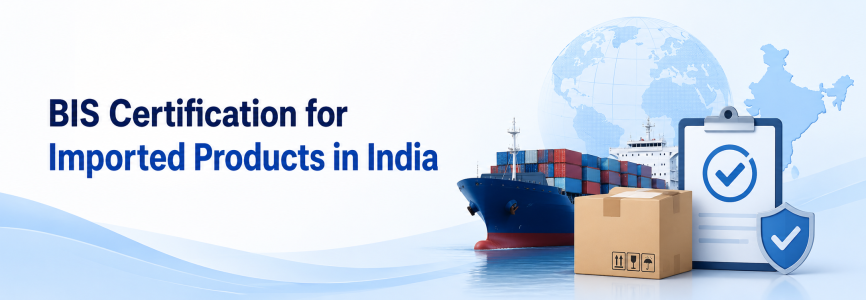



India is one of the largest consumer markets in the world. From electronic gadgets and toys to steel products, chemicals, footwear, machinery, household appliances and industrial goods, a large number of products are imported into India every year. However, importing a product into India is not only about finding a foreign supplier, arranging shipment and clearing customs. For many products, importers must also ensure that the product complies with Indian quality and safety standards.
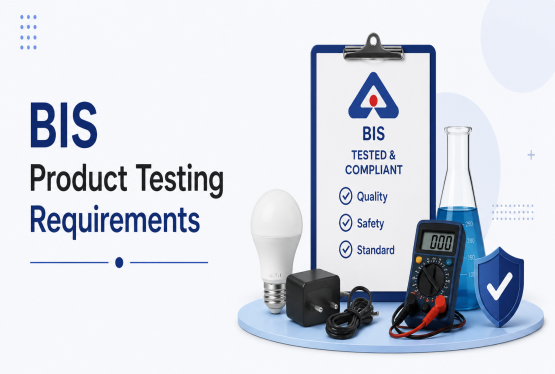
BIS stands for Bureau of Indian Standards. It is the National Standards Body of India and works under the Ministry of Consumer Affairs, Food and Public Distribution. BIS lays down Indian Standards for products and grants certification to manufacturers whose products meet those standards. In many cases, BIS certification is voluntary, but for several products, the Government of India has made BIS compliance mandatory in public interest, consumer safety, health, environment protection, prevention of unfair trade practices and national security. For imported products, BIS certification becomes even more important because goods that fall under mandatory certification cannot be freely imported, sold or distributed in India unless the required BIS approval is obtained.
What is BIS Certification for Imported Products?
BIS Certification for imported products is an approval that confirms that the imported goods comply with the relevant Indian Standard. It allows the product to be legally imported, sold and used in India where BIS compliance is mandatory. In simple words, if a product is covered under a mandatory BIS order, the foreign manufacturer or importer must ensure that the product has the required BIS licence or registration before it enters the Indian market. For many products, the certification is taken by the foreign manufacturer because BIS grants licence to the manufacturing unit, not merely to the trader or importer. For electronic and IT products, the product is generally registered under the Compulsory Registration Scheme, while for several non-electronic products, foreign manufacturers apply under the Foreign Manufacturers Certification Scheme.
Why BIS Certification is Required for Imported Products
BIS certification is required to protect Indian consumers from unsafe, low-quality or non-standard products. When products are imported from different countries, quality levels may vary. BIS standards create a common benchmark so that only safe and reliable products enter the Indian market. For businesses, BIS certification also reduces legal risk. If a product is covered under a Quality Control Order or compulsory certification list and is imported without BIS approval, it may be stopped at customs. The importer may face delay, financial loss, penalties or even rejection of the shipment. BIS certification also helps build trust. When a product carries the BIS Standard Mark or is registered under BIS, it shows that the product has been tested and found to meet Indian quality requirements.
Regulatory Basis of BIS Certification in India
BIS certification is governed mainly by the BIS Act, 2016, BIS Rules and BIS Conformity Assessment Regulations. The Central Government can issue Quality Control Orders for specific products. Once a product is covered under a QCO, it must conform to the relevant Indian Standard and carry the required BIS mark or approval. BIS states that its certification scheme is generally voluntary, but compliance becomes compulsory for products notified by the Central Government. This means that importers must first check whether their product is covered under any mandatory BIS requirement. If yes, they should not import or sell the product in India without completing the BIS process.
Main BIS Schemes Applicable to Imported Products
1. Foreign Manufacturers Certification Scheme
The Foreign Manufacturers Certification Scheme, also known as FMCS, is meant for foreign manufacturers who want to obtain a BIS licence for products manufactured outside India. BIS has been operating FMCS since the year 2000 under the BIS legal framework. Under this scheme, BIS grants a licence to the foreign manufacturer to use the Standard Mark on products that conform to the relevant Indian Standard. FMCS is mainly applicable to products other than electronic and IT products. BIS also clarifies that FMCS is for foreign manufacturers seeking BIS licence, while electronic and IT products are covered separately under the Registration Scheme.
Examples of products that may require BIS licence under this route include steel products, cement, chemicals, household goods, footwear, pressure cookers, helmets, automotive components and other products notified under relevant Quality Control Orders.
2. Compulsory Registration Scheme
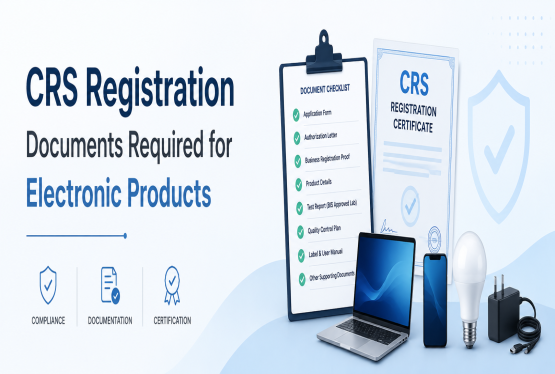
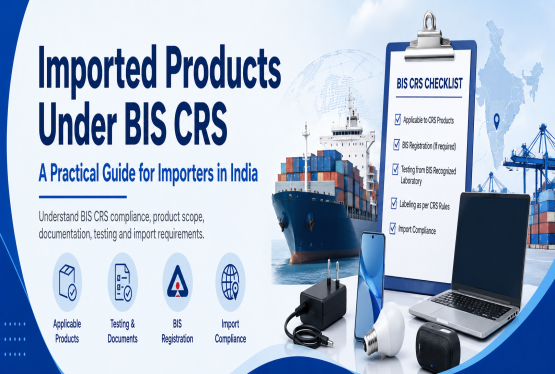
The Compulsory Registration Scheme, commonly called CRS, applies mainly to electronics and IT goods. Products under this scheme must be tested by BIS-recognised laboratories and registered with BIS before they are sold in India. The BIS Scheme-II page lists electronics and IT goods covered under the Compulsory Registration Scheme, including many categories such as power adaptors, IT equipment, audio/video equipment and other notified electronic goods. This scheme is very important for importers dealing in electronic products such as LED lights, mobile phones, power banks, CCTV cameras, laptops, adapters, smart devices and similar goods.
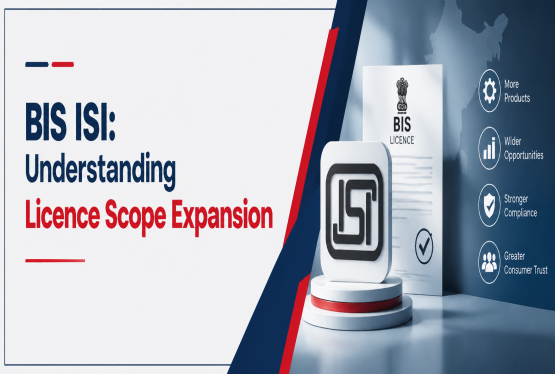
3. ISI Mark Certification
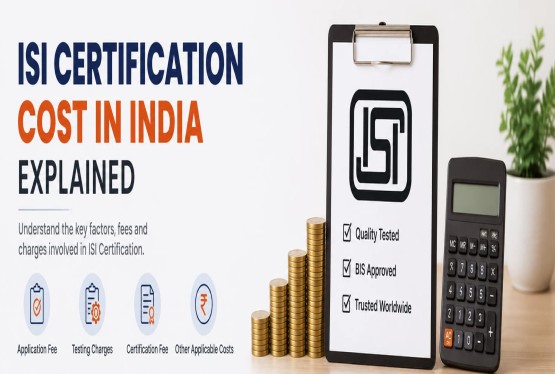
ISI Mark Certification is used for many products where the product must carry the Standard Mark. It is generally linked with Scheme-I certification. BIS grants the licence after checking documents, factory capability, testing facility, quality control system and product test reports. For imported products, this licence is usually obtained by the foreign manufacturer under FMCS. Once the licence is granted, the product can carry the BIS Standard Mark and can be imported into India, subject to other customs and regulatory requirements.
Who Needs BIS Certification for Imported Products?
BIS certification may be required by:
-
Manufacturers located outside India who produce goods for the Indian market.
-
Indian importers who import products covered under mandatory BIS certification.
-
Brand owners who sell imported products under their brand name in India.
-
E-commerce sellers importing regulated products.
-
Distributors dealing in notified products.
-
Businesses importing components or finished goods covered under BIS standards.
-
However, the exact requirement depends on the product category, Indian Standard number and applicable Quality Control Order.
How to Check Whether an Imported Product Needs BIS Certification
Before importing any product into India, the importer should check three things.
First, identify the exact product category. A product description should not be too general. For example, “electronic device” is not enough. The importer should know whether it is a power adapter, LED module, CCTV camera, smart watch, battery, cable or any other specific item.
Second, check the applicable Indian Standard. Every BIS-covered product is linked with a specific Indian Standard. The product must be tested as per that standard.
Third, check whether the product is under mandatory certification. BIS maintains lists of products under compulsory certification and registration. The importer should verify whether the product appears in the relevant list or is covered under a Quality Control Order.
If the product falls under mandatory BIS certification, the certification should be completed before commercial import or sale in India.
Documents Required for BIS Certification of Imported Products
The documents may vary depending on the scheme, product and country of manufacturer. However, common documents include:
-
Application form.
-
Business licence of the foreign manufacturer.
-
Factory address proof.
-
Manufacturing process flow chart.
-
List of machinery.
-
List of testing equipment.
-
Product details and technical specifications.
-
Test reports from BIS-recognised laboratories, wherever required.
-
Quality control documents.
-
Authorization letter.
-
Nomination details of Authorized Indian Representative.
-
Trademark or brand details.
-
Undertaking and declaration.
-
Factory layout and production details.
For FMCS, the foreign manufacturer must also nominate an Authorized Indian Representative, commonly called AIR. The AIR acts as the local representative in India and coordinates with BIS on behalf of the foreign manufacturer.
Role of Authorized Indian Representative
An Authorized Indian Representative is required where the applicant is a foreign manufacturer and does not have a branch office in India. The AIR is responsible for communication with BIS and may also be responsible for compliance support after the licence is granted. The AIR should be an Indian entity or person capable of handling legal and regulatory communication. Importers often act as AIR if they have a proper agreement with the foreign manufacturer. However, the role should be handled carefully because it involves responsibility under the BIS framework.
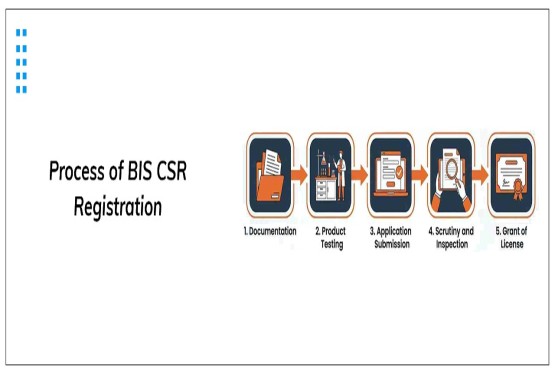
Process of BIS Certification for Imported Products
Step 1: Product Identification
The first step is to identify the correct product category and applicable Indian Standard. This is very important because wrong classification may lead to rejection, delay or re-testing.
Step 2: Applicability Check
After identifying the product, the importer or manufacturer must check whether BIS certification is mandatory. If the product is not under mandatory certification, BIS may still be taken voluntarily, depending on business needs.
Step 3: Testing of Product
Testing is one of the most important parts of BIS certification. The product sample must be tested according to the applicable Indian Standard. For CRS products, testing is done through BIS-recognised laboratories. For FMCS, BIS may also conduct factory inspection and draw samples for testing.
Step 4: Application Filing
The application is filed with BIS along with the required documents, test reports, declarations and fees. The details must be accurate because BIS may raise queries if information is incomplete or inconsistent.
Step 5: Factory Inspection
For FMCS and many ISI Mark products, BIS officials may inspect the foreign manufacturing unit. During inspection, BIS checks production process, testing facility, quality control system, raw material control and product conformity.
Step 6: Query Resolution
BIS may ask for clarification, additional documents or corrections. The applicant must reply properly within the given time. Any delay may extend the overall approval timeline.
Step 7: Grant of Licence or Registration
Once BIS is satisfied that the product meets the required standard, it grants the licence or registration. The manufacturer can then use the Standard Mark or registration details as permitted under the applicable scheme.
Step 8: Post-Certification Compliance
BIS compliance does not end after approval. The manufacturer must continue to maintain quality, follow marking requirements, renew the licence on time and cooperate with BIS surveillance or inspections.
BIS Certification and Customs Clearance
For products covered under mandatory BIS certification, customs clearance can become difficult if the required BIS approval is not available. Customs authorities may ask for BIS licence details, registration number or supporting documents. If the product is imported without proper BIS compliance, the shipment may be held at the port. This can lead to demurrage charges, storage cost, delay in delivery and business loss. Therefore, importers should complete BIS certification before shipment planning. Waiting until the goods reach India can create serious practical problems.
Common Product Categories Requiring BIS for Import
Many imported products may require BIS certification depending on the applicable notification. Common categories include:
-
Electronic and IT products.
-
LED lighting products.
-
Steel and steel products.
-
Cement.
-
Household electrical appliances.
-
Pressure cookers.
-
Toys.
-
Footwear.
-
Chemicals.
-
Automobile components.
-
Protective equipment.
-
Batteries.
-
Cables and wires.
-
Medical and safety-related products.
This list is only indicative. Importers should always check the exact product against the latest BIS and government notifications before import.
Benefits of BIS Certification for Importers
BIS certification gives legal permission to sell covered products in India. It also improves customer confidence because buyers know that the product has been tested against Indian standards. For importers, it reduces the risk of customs detention. It also helps in working with online marketplaces, distributors and institutional buyers, as many of them ask for BIS documents before onboarding products. BIS certification also protects the brand from compliance-related complaints. In regulated sectors, selling non-certified products can damage reputation and create legal exposure.
Common Mistakes Importers Should Avoid
Many importers make the mistake of placing bulk orders before checking BIS applicability. This can be risky because if the product needs BIS approval, the shipment may get stuck. Another common mistake is relying only on foreign test reports. In many cases, BIS requires testing as per Indian Standards from recognised labs. Foreign reports may not be enough. Some importers also assume that if the supplier has ISO certification, BIS is not needed. This is incorrect. ISO certification and BIS certification are different. ISO usually relates to management systems, while BIS relates to product conformity with Indian Standards. Importers should also avoid using a BIS mark without a valid licence. Misuse of BIS Standard Mark can attract legal action.
Validity and Renewal
The validity of BIS certification depends on the scheme. BIS product certification under Scheme-I may be granted initially up to two years and may be renewed as per the applicable process. BIS also states that renewal can be done by submitting the required application, fee and documents. Businesses should track renewal dates carefully. If the licence expires, the product may not be legally sold under BIS certification until renewal is completed.
Why Professional Support is Helpful
BIS certification for imported products can involve technical standards, testing, factory inspection, document review, government communication and legal compliance. A small error in product classification or document preparation can delay approval. Professional support helps businesses identify the correct standard, prepare documents, coordinate testing, respond to BIS queries and manage the certification process smoothly. This is especially useful for foreign manufacturers and Indian importers dealing with multiple products.
Conclusion
BIS Certification for imported products in India is not just a formality. It is a key compliance requirement for many regulated goods. If a product is covered under mandatory BIS certification, it cannot be freely imported or sold in India without proper approval.
For importers, the safest approach is to check BIS applicability before placing orders with foreign suppliers. The product category, Indian Standard, certification scheme, testing requirement and documentation should be reviewed in advance. With proper planning, BIS certification can help businesses avoid customs delays, legal issues and market restrictions. It also gives customers confidence that the product meets Indian safety and quality standards.
FAQs
Q1. What is BIS Certification for imported products?
Ans. BIS Certification for imported products is an approval that confirms the product meets the applicable Indian Standard. It is required when the product is covered under mandatory BIS certification.
Q2. Is BIS Certification mandatory for all imported products?
Ans. No, BIS Certification is not mandatory for all imported products. It is mandatory only for products notified by the Government of India under compulsory certification or registration requirements.
Q3. Who should apply for BIS Certification for imported products?
Ans. Usually, the foreign manufacturer applies for BIS Certification. In some schemes, the importer or Authorized Indian Representative may support the process.
Q4. What is FMCS in BIS?
Ans. FMCS stands for Foreign Manufacturers Certification Scheme. It allows foreign manufacturers to obtain a BIS licence for products manufactured outside India.
Q5. What is CRS in BIS?
Ans. CRS stands for Compulsory Registration Scheme. It mainly applies to electronic and IT products that must be registered with BIS before sale in India.
Q6. Can an importer sell products in India without BIS Certification?
Ans. If the product is covered under mandatory BIS certification, it cannot be legally sold in India without the required BIS approval.
Q7. Is BIS required for electronic products?
Ans. Many electronic and IT products require BIS registration under the Compulsory Registration Scheme. Applicability depends on the exact product category and notification.
Q8. What happens if goods are imported without BIS approval?
Ans. Goods may be stopped at customs if BIS approval is mandatory. The importer may face delays, storage charges, penalties or rejection of shipment.
Q9. Is ISO certification enough for importing regulated products?
Ans. No, ISO certification is not a substitute for BIS certification. BIS certification is product-specific and confirms compliance with Indian Standards.
Q10. How long does BIS Certification take?
Ans. The timeline depends on the product, testing, documentation, factory inspection and BIS queries. Importers should start the process before planning bulk shipment.


_crop10_thumb.jpg)


_crop10_thumb.jpg)


-Form_crop10_thumb.jpg)

_crop10_thumb.jpg)


_learn_crop10_thumb.jpeg)


_crop10_thumb.jpg)

_crop10_thumb.jpg)


_crop10_thumb.jpg)




_for_Foreign_Directors_learn_crop10_thumb.jpeg)


_Act,_2015_learn_crop10_thumb.jpg)










_learn_crop10_thumb.jpg)



























_crop10_thumb.jpg)
_crop10_thumb.jpg)
_(1)_crop10_thumb.jpg)





_crop10_thumb.png)




_crop10_thumb.jpg)

_crop10_thumb.jpg)




_crop10_thumb.png)
_crop10_thumb.jpg)





_crop10_thumb.png)