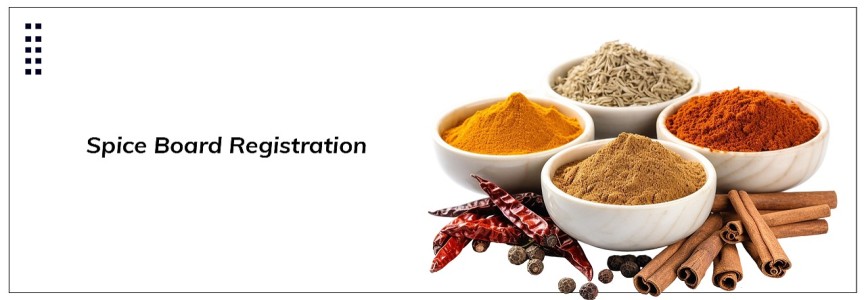



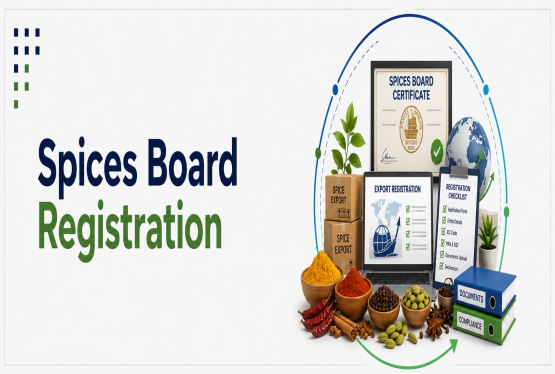
India is one of the world’s most recognised countries for spices. From turmeric, chilli, cumin, coriander, pepper and cardamom to spice blends, masala powders, oleoresins and value-added spice products, Indian spices are widely exported to global markets. However, export of spices from India is not only a business activity. It is also a regulated trade activity because spices are food products and their quality, safety, traceability and export credibility directly affect India’s international trade reputation.
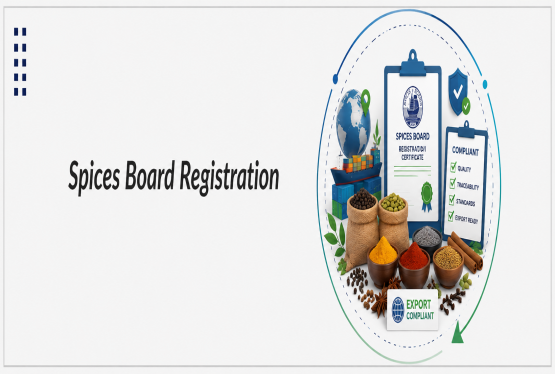
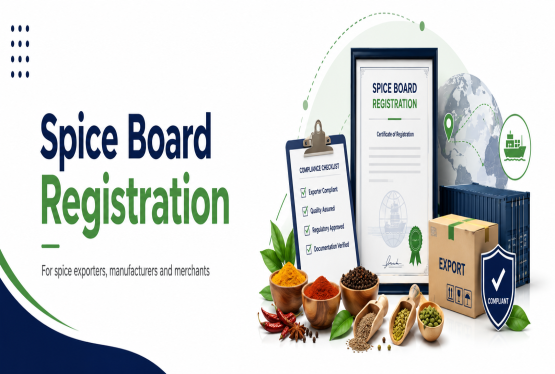
This is where Spice Board Registration becomes important. In common business language, it is often called Spice Board Registration, Spice Board License or Spice Board RCMC. Legally, the important certificate for exporters is known as the Certificate of Registration as Exporter of Spices, commonly referred to as CRES. It is issued by the Spices Board of India to persons or entities engaged in the export of spices and spice products.
The main question for many traders, manufacturers and exporters is simple: when is Spice Board Registration mandatory in India? The answer is that Spice Board Registration becomes mandatory when a person or business intends to export spices or spice products from India. It is also relevant where the business is dealing with scheduled spices covered under the Spices Board framework and wants to operate as a recognised exporter in the spice export ecosystem.
Meaning of Spice Board Registration
Spice Board Registration generally refers to registration with the Spices Board of India as an exporter of spices. The certificate issued for this purpose is the Certificate of Registration as Exporter of Spices. This certificate acts as proof that the exporter is registered with the competent authority for exporting spices and spice products from India.
The Spices Board functions under the Ministry of Commerce and Industry, Government of India. It is responsible for export promotion, quality control, development and regulation of spice exports. Therefore, any person planning to export spices from India cannot treat the registration as optional if the activity falls within spice export.
The certificate is not the same as GST registration, FSSAI registration, Importer Exporter Code or company registration. Each registration has a different legal purpose. GST deals with indirect tax compliance, FSSAI deals with food safety, IEC deals with import-export identity, and Spice Board Registration deals specifically with the export of spices and spice products.
Legal Background of Spice Board Registration
The main law governing this area is the Spices Board Act, 1986. The Act was enacted to provide for the constitution of the Spices Board for development of export of spices and control of the cardamom industry. The Act extends to the whole of India and creates the statutory authority responsible for spice export-related functions.
Section 7 of the Spices Board Act deals with the functions of the Board. The Board’s functions include development, promotion and regulation of export of spices. It also includes quality control of spices for export, licensing of manufacturers of spices for export, collection of statistics, market support and advising the Central Government on matters relating to import and export of spices.
The most relevant provision for exporters is Section 11 of the Spices Board Act, 1986. This section states that no person shall commence or carry on the business of export of any spice except under and in accordance with a certificate. This makes the certificate legally important for exporters. In simple words, if a business wants to export spices from India, it must have the required certificate from the Spices Board unless a specific legal exception applies.
Section 12 deals with the grant of certificate. It provides that an application for grant of certificate must be made to the Board in the prescribed form, with prescribed particulars and prescribed fee. If the application is not in the proper form or lacks required particulars, the Board may return it. If the application is complete and in the prescribed form, the Board may grant the certificate subject to terms and conditions.
Section 13 gives power to the Board to cancel or suspend the certificate. This can happen if the holder violates the terms and conditions of the certificate or where cancellation is considered necessary in public interest. The section also provides that the person concerned must be given a reasonable opportunity of being heard before cancellation.
Section 14 provides for appeal. If a person is aggrieved by an order made under Section 13, an appeal may be filed before the Central Government within the prescribed period and in the prescribed manner. This gives a legal remedy to the certificate holder against cancellation or suspension.
Section 15 gives the Central Government power to permit export without certificate in certain cases. This is a special power that may be exercised by notification in public interest and subject to conditions. However, for ordinary exporters, the general rule remains that export of spices requires a valid certificate.
When Is Spice Board Registration Mandatory?
Spice Board Registration is mandatory when a person or entity intends to export spices from India. This applies whether the exporter is a manufacturer exporter, merchant exporter, trader, processor, packer or business entity exporting spice products in commercial quantity.
The mandatory requirement is linked to export activity. If the business is only selling spices in the domestic Indian market, Spice Board CRES may not be required only for that domestic sale activity. However, domestic spice businesses may still need other registrations such as FSSAI, GST, trade license, factory license or pollution control approval depending on the nature and scale of operations.
For export, the position is different. Export of spices or spice products requires compliance with the Spices Board framework. The exporter must have an Importer Exporter Code from DGFT and must also obtain CRES from the Spices Board. IEC alone is not enough for spice export because IEC only identifies a person as an importer-exporter. CRES specifically recognises the person as an exporter of spices.
Mandatory for Merchant Exporters
A merchant exporter is a person or business that purchases spices from farmers, traders, processors or manufacturers and exports them under its own export arrangement. Such exporter may not manufacture or process the spices personally, but still carries on the business of export.
For merchant exporters, Spice Board Registration is mandatory because the legal requirement is not limited only to manufacturers. Section 11 refers to carrying on the business of export of spices. Therefore, if a trader buys spices from the domestic market and exports them to another country, CRES is required.
Merchant exporters should also ensure that their supplier documentation, invoices, packing details, quality reports and traceability documents are properly maintained. Overseas buyers, customs authorities and the Spices Board may require clear records to confirm the source, quality and nature of the product.
Mandatory for Manufacturer Exporters
A manufacturer exporter is a business that manufactures, processes, grades, blends, packs or value-adds spices and exports them. This may include masala powder manufacturers, spice grinding units, oleoresin producers, spice oil manufacturers, seasoning manufacturers and other value-added spice processors.
For manufacturer exporters, Spice Board Registration is mandatory when they export spice products. In addition to CRES, such businesses may also require food safety compliance under FSSAI, GST registration, factory-related permissions, pollution control consent and other local or sector-specific approvals.
Manufacturer exporters should be more careful because their operations may involve processing facilities, packaging, labelling, hygiene standards, quality testing and export market-specific requirements. The Board may require details related to the processing unit, building ownership or lease, bank report, FSSAI license, GST and other documents.
Mandatory for Export of Spice Products
Spice Board Registration is not limited to raw whole spices. It is also relevant for spice products. This may include spice powders, blended masalas, curry powders, seasonings, extracts, oleoresins, spice oils and other value-added forms depending on classification and export product coverage.
Many exporters assume that if they are exporting processed masala or blended spice products, Spice Board Registration may not apply. This assumption can be risky. If the product falls under spices or spice products covered by the Board’s framework, CRES should be obtained before export.
For example, export of turmeric powder, chilli powder, garam masala, curry powder, pepper, cumin seeds, coriander powder, cardamom, clove, cinnamon, nutmeg, spice oils or oleoresins may require Spice Board-related compliance. The exporter should check product classification, HS code and applicable export requirements before shipment.
Mandatory Along with IEC
An Importer Exporter Code is a basic requirement for import-export business in India. It is issued by the Directorate General of Foreign Trade. However, IEC is a general export-import identification number. It does not replace sector-specific registration.
For spices, CRES is required in addition to IEC. This means a spice exporter should not rely only on IEC. The exporter must also complete Spice Board Registration before exporting spice consignments.
This is important because export documents, customs clearance, buyer compliance and export promotion benefits may require proof of registration with the concerned export promotion or commodity board. For spices, that authority is the Spices Board.
Whether Spice Board Registration Is Required for Import
The official FAQ of the Spices Board refers to export/import of spices and spice products and states that Certificate of Registration as Exporter of Spices issued by the Board is mandatory in addition to IEC. In practical terms, the strongest statutory wording under Section 11 is focused on export of spices. However, businesses dealing with import and re-export or import-export of spice products should verify the applicable requirement with the Board and DGFT before starting trade.
For a business importing spices only for domestic use or sale, other laws such as the Food Safety and Standards Act, Customs law, Legal Metrology, GST and DGFT regulations may apply. If the same business is also exporting or re-exporting spices or spice products, Spice Board Registration becomes important.
Therefore, importers should not assume that spice-related trade is free from Board compliance. The exact requirement depends on the nature of activity, product classification, destination, use and whether export or re-export is involved.
Whether Domestic Spice Sellers Need Spice Board Registration
A business selling spices only within India does not usually require CRES merely for domestic sale. For example, a local spice shop, domestic masala manufacturer, supermarket supplier or online seller selling only in India may not need CRES if there is no export activity.
However, domestic businesses must still comply with other laws. FSSAI registration or license is usually important because spices are food products. GST may apply based on turnover and business model. Legal Metrology compliance may apply for packaged commodities. Factory license, trade license, fire NOC or pollution control consent may apply depending on premises and manufacturing activity.
If the domestic business later plans to export, it should obtain IEC and Spice Board Registration before starting export shipments. Many businesses first build their domestic brand and then move into export. In such cases, CRES should be planned before accepting foreign purchase orders.
Role of FSSAI in Spice Business
FSSAI registration or license is separate from Spice Board Registration. Since spices are food products, manufacturers, processors, packers, repackers, storage units, distributors and sellers of spices may require FSSAI compliance depending on the nature and scale of business.
FSSAI focuses on food safety, hygiene, standards, labelling and consumer protection. The Spices Board focuses on spice export regulation, promotion, quality and exporter registration.
For exporters, both can be relevant. A spice exporter may require FSSAI license for food business operations and CRES for export of spices. If the business manufactures spice powders or blended masalas, FSSAI compliance should not be ignored.
Role of GST in Spice Export Business
GST registration may be required based on turnover, interstate supply, e-commerce activity or other GST provisions. Exporters also need to understand GST treatment of exports, LUT, refund of input tax credit and zero-rated supply provisions.
GST registration is not a substitute for Spice Board Registration. It only covers tax compliance. A business may have GST and IEC but still need CRES for spice exports.
Exporters should also ensure proper invoice format, HSN classification, shipping bill details, LUT compliance and refund documentation. Wrong HSN classification or invoice mismatch can affect export benefits and tax refunds.
Role of DGFT and IEC
DGFT issues the Importer Exporter Code and regulates India’s foreign trade framework. Any person entering import-export business must generally have IEC unless exempted.
For spice exports, IEC is the first basic requirement. After IEC, the exporter needs CRES from the Spices Board. The current official CRES portal indicates that the application must be submitted through the DGFT portal. This is an important operational update because exporters should follow the current online route instead of relying on old offline procedures.
Exporters should keep their IEC details, PAN, GST, address, bank account and business details consistent across DGFT, GST, FSSAI and Spice Board records. Inconsistency in details can cause delay in registration or export documentation.
Documents Generally Required for Spice Board Registration
The documents required for Spice Board Registration may differ based on the type of exporter. A merchant exporter, manufacturer exporter, company, LLP, partnership firm, or proprietorship may have different documentation requirements. However, some common documents are generally required in most cases, such as IEC, PAN, GST details, bank certificate or bank report, business constitution documents, address proof, contact details, and basic business information.
For a company, documents such as the Certificate of Incorporation, Memorandum of Association, Articles of Association, company PAN, and details of directors may be required. In the case of an LLP, the applicant may need to submit the LLP incorporation certificate, LLP agreement, PAN, and partner details. For a proprietorship or partnership firm, ownership proof, partnership deed, PAN, address proof, and other business-related documents may be required.
Common Documents Required
- IEC Certificate:
A valid Importer Exporter Code issued by DGFT is generally required before applying for Spice Board Registration. - PAN Card:
PAN of the business entity or proprietor is required for identity and tax verification. - GST Registration:
GST details may be required, especially where the business is registered under GST. - Bank Certificate or Bank Report:
Bank details help verify the financial and business identity of the applicant. - Business Registration Proof:
This may include Certificate of Incorporation, LLP registration certificate, partnership deed, or proprietorship proof. - Address Proof:
Registered office address proof, utility bill, rent agreement, ownership proof, or NOC may be required. - Contact and Business Details:
Email ID, mobile number, business activity details, product details, and exporter category should be provided correctly.
Additional Documents for Manufacturer Exporters
- FSSAI License:
Required where the applicant is manufacturing, processing, packing, or dealing with spices as food products. - Processing Unit Proof:
Ownership proof, rent agreement, or lease deed of the manufacturing or processing premises may be required. - Pollution Control Consent:
This may be required if the manufacturing or processing activity falls under pollution control norms. - MSME Registration:
MSME certificate may be submitted if the business is registered as a micro, small, or medium enterprise. - Machinery and Facility Details:
Details of machinery, processing capacity, and production facility may be required for manufacturer exporters. - Other Supporting Documents:
Any additional document may be asked depending on the exporter category, product type, and current portal requirements.
Application Process for Spice Board Registration
The application process for Spice Board Registration is now completed online. Before applying, the exporter should first ensure that the business has a valid Importer Exporter Code issued by DGFT. After that, the exporter can apply for CRES, which means Certificate of Registration as Exporter of Spices, through the prescribed online process available on the official portal.
The application must be filled carefully with correct details of the exporter, business entity, registered address, contact information, product category, export activity, and supporting documents. The applicant must also pay the prescribed government fee as applicable to the business category.
Key Steps in the Application Process
- Obtain IEC first:
The exporter must have a valid Importer Exporter Code before applying for Spice Board Registration. - Apply for CRES online:
The application for Certificate of Registration as Exporter of Spices should be filed through the prescribed online process. - Fill correct business details:
Details such as entity name, address, contact details, exporter category, and spice product details should be entered correctly. - Upload required documents:
Supporting documents such as IEC, PAN, GST, business registration proof, address proof, bank details, and other applicable documents should be attached. - Pay the prescribed fee:
The applicant must pay the applicable fee as per the category of exporter. - Application review:
The authority reviews the application and may ask for clarification if any document or detail is incomplete. - Grant of certificate:
If the application is complete and approved, the Spice Board Registration certificate is issued. - Apply before shipment planning:
Exporters should complete the registration before accepting or dispatching export orders to avoid delays in customs and buyer documentation.
Validity and Renewal of CRES
CRES is generally issued for a prescribed validity or block period as per the Board’s rules, circulars and current process. Exporters must renew the certificate before expiry if they want to continue spice export business. Renewal should not be treated casually. If the certificate expires and the exporter continues export business, it may create legal and operational issues. Buyers, customs agents and authorities may ask for valid registration.
Exporters should track renewal due dates and maintain export returns, records and compliance documents. In some cases, pending export returns or incomplete compliance may affect renewal. Therefore, regular compliance is safer than last-minute correction.
Cancellation or Suspension of Registration
The Spices Board has the power to cancel or suspend the certificate if the holder violates the terms and conditions of the certificate. It may also happen where cancellation is considered necessary in public interest.
This means exporters must not treat the certificate as a one-time formality. They must continue to follow the conditions attached to the registration. Misuse of certificate, wrong declaration, poor quality practices, non-compliance with export requirements or violation of Board directions may create risk.
The law also provides an opportunity of hearing before cancellation. This protects the exporter from arbitrary action but does not remove the need for compliance. Exporters should respond properly to notices and maintain documents to defend their position if any issue arises.
Quality Control and Testing Requirements
Spices are consumed as food products, so quality and safety are very important in export trade. Different destination countries may have strict standards for pesticide residues, aflatoxin, heavy metals, microbial contamination, adulteration, moisture and packaging.
The Spices Board has a role in quality control of spices for export. For certain products and destinations, mandatory sampling, testing or health certificate requirements may apply. Exporters should verify product-wise and country-wise requirements before shipment.
For example, some spice consignments may need testing for aflatoxin or other contaminants. If the product fails destination country standards, the shipment may be rejected, detained or destroyed. This can cause financial loss and damage to exporter reputation.
Therefore, Spice Board Registration should be seen together with quality compliance. A certificate alone is not enough if the product does not meet buyer and destination country standards.
Labelling and Packaging Compliance
Spice exporters must also take care of labelling and packaging. Export packaging should match buyer requirements, destination country law, food safety rules and Indian export documentation requirements.
For retail packs, brand name, net quantity, ingredients, batch number, date of packing, best before date, manufacturer details, country of origin and other declarations may be required depending on the market. Legal Metrology rules may apply to packaged commodities in India, while destination country labelling rules may apply to export packs.
Incorrect labelling can lead to customs issues, buyer complaints or rejection in foreign markets. Exporters should not use misleading claims such as medicinal claims, organic claims or quality certifications unless properly supported.
Organic Spice Export
If the exporter wants to export organic spices, normal Spice Board Registration may not be enough. Organic export requires compliance with organic certification requirements, such as NPOP certification through accredited certification bodies, depending on destination and product.
The exporter should ensure proper traceability, organic certification, transaction certificate, labelling and buyer-specific documentation. Organic claims should not be made without valid certification. Organic spice export can be profitable, but it is also more compliance-heavy. Businesses should plan certification and documentation before accepting orders.
Brand Registration and Value-Added Exports
Many exporters sell spices under their own brand name. For branded consumer packs, exporters should consider trademark registration and brand-related compliances. The Spices Board also has programs related to brand promotion and registration in certain contexts. Trademark registration is separate and gives legal protection to the brand name or logo under trademark law.
If an exporter builds a brand in international markets without trademark protection, another party may copy or register a similar mark. Therefore, exporters should combine Spice Board Registration with trademark protection, packaging compliance and quality certification.
Recent Updates and Practical Changes
One important recent practical update is that the CRES application process is linked with the DGFT portal as per the current official CRES page. Exporters should use the updated online process instead of relying on old physical filing formats or outdated consultant checklists.
Another important area is export development and promotion programs under schemes such as SPICED. The Spices Board has been implementing export development and promotion-related programs through online modes. Exporters should keep checking official notifications because scheme timelines, application windows, eligibility conditions and documentation may change.
Quality compliance is also becoming stricter in global markets. Exporters are facing higher scrutiny on contaminants, pesticide residues, traceability, food safety and documentation. Therefore, recent compliance expectations are not limited to obtaining registration. Exporters must maintain a complete export compliance file for each shipment.
Consequences of Exporting Without Registration
Exporting spices without required registration can create serious problems. Since Section 11 makes certificate-based export mandatory, exporting without CRES may be treated as non-compliance with the Spices Board framework. Practically, the exporter may face shipment delays, customs-related objections, buyer rejection, inability to claim export benefits, difficulty in getting certificates and problems in future registration or renewal. If any false declaration is made, it can also lead to further legal risk. In international trade, documentation is as important as product quality. A missing registration can affect payment, customs clearance, buyer trust and future business opportunities.
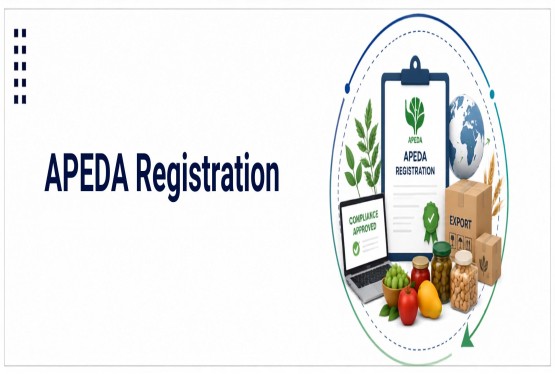
Difference Between Spice Board Registration and APEDA Registration
Many exporters get confused between Spices Board and APEDA. APEDA deals with agricultural and processed food products covered under APEDA law. Spices are specifically covered by the Spices Board framework for export-related registration and promotion.
If a product is a spice or spice product, the exporter should check Spice Board requirements. If the business exports other agricultural processed foods, APEDA may also become relevant depending on the product. Some businesses deal in multiple categories, such as spices, processed foods, pickles, ready-to-eat products and herbs. Such businesses should check product-wise export promotion council or commodity board requirements instead of assuming one registration covers everything.
Who Should Apply Before Starting Export?
Any person planning to export spices should apply before starting commercial export. This includes proprietors, partnership firms, LLPs, private limited companies, public companies, producer companies, merchant exporters, manufacturers and processors.
New exporters should complete entity registration, PAN, GST if applicable, IEC, FSSAI if applicable, bank account and Spice Board Registration before accepting large export orders. If the product needs testing, certificates or buyer-specific approval, those should also be planned in advance.
Export business works on timelines. If registration is delayed, shipments may be delayed. This can affect buyer confidence and contractual commitments.
Conclusion
Spice Board Registration is mandatory in India when a person or business intends to export spices or spice products. The legal basis comes from the Spices Board Act, 1986, especially Section 11, which restricts export of spices without the required certificate. Section 12 deals with grant of certificate, Section 13 deals with cancellation or suspension, Section 14 provides appeal, and Section 15 gives special power to the Central Government to permit export without certificate in notified cases.
For ordinary exporters, the practical rule is clear: if you want to export spices from India, you should obtain CRES from the Spices Board along with IEC and other applicable registrations. Manufacturer exporters may also need FSSAI, GST, pollution control consent, factory-related approvals and quality testing compliance depending on their operations.
Domestic sale of spices may not require CRES if there is no export activity, but it can still require FSSAI, GST, Legal Metrology and local licenses. Exporters must also remember that registration is only one part of compliance. Product quality, testing, packaging, labelling, documentation, renewal and export returns are equally important.
A properly registered and compliant spice exporter can build stronger buyer trust, avoid shipment delays, access export schemes and protect long-term business credibility. Therefore, Spice Board Registration should not be treated as a last-minute formality. It should be planned before starting spice export business in India.
Q1. When is Spice Board Registration mandatory in India? Q2. What is CRES in Spice Board Registration? Q3. Is Spice Board Registration required for domestic spice business? Q4. Is IEC enough for exporting spices from India? Q5. Who can apply for Spice Board Registration? Q6. What documents are required for Spice Board Registration? Q7. Can a merchant exporter apply for Spice Board Registration? Q8. Is FSSAI required along with Spice Board Registration? Q9. What happens if spices are exported without Spice Board Registration? Q10. Is Spice Board Registration a one-time process?Frequently Asked Questions (FAQs)
Ans: Spice Board Registration is mandatory when a person or business wants to export spices or spice products from India.
It is required for merchant exporters, manufacturer exporters, traders, and processors involved in spice export.
For domestic sale only, CRES is generally not required, but FSSAI, GST, and other local compliances may apply.
Ans: CRES means Certificate of Registration as Exporter of Spices.
It is issued by the Spices Board of India to eligible spice exporters.
This certificate allows exporters to legally carry on spice export business from India.
Ans: If you are selling spices only within India, Spice Board Registration is generally not mandatory.
However, food business operators may need FSSAI registration or license.
GST, Legal Metrology, trade license, and other approvals may also apply depending on the business.
Ans: No, IEC alone is not enough for spice export.
IEC is issued by DGFT for import-export identity, but Spice Board Registration is required for spice export.
Exporters should have both IEC and CRES before starting spice export business.
Ans: Proprietors, partnership firms, LLPs, companies, merchant exporters, and manufacturer exporters can apply.
The applicant must have proper business documents and IEC.
Manufacturer exporters may also need FSSAI and other unit-related approvals.
Ans: Common documents include IEC, PAN, GST, business registration proof, address proof, and bank details.
Manufacturer exporters may need FSSAI license, unit address proof, and processing details.
Exact documents may vary based on business type and exporter category.
Ans: Yes, a merchant exporter can apply for Spice Board Registration.
Even if the exporter does not manufacture spices, CRES is required for exporting spices.
The exporter should maintain proper purchase, quality, invoice, and export records.
Ans: FSSAI may be required if the business manufactures, processes, packs, stores, distributes, or sells spices as food products.
Spice Board Registration covers spice export recognition, while FSSAI covers food safety compliance.
Many spice exporters need both, depending on their business activity.
Ans: Exporting spices without required registration can lead to compliance issues.
It may cause shipment delay, documentation problems, buyer concerns, or regulatory action.
Exporters should obtain CRES before starting spice export operations.
Ans: Spice Board Registration is not something to ignore after approval.
Exporters must check validity, renewal requirements, and compliance conditions.
Renewal should be completed on time to continue spice export business legally.


_crop10_thumb.jpg)


_crop10_thumb.jpg)


-Form_crop10_thumb.jpg)

_crop10_thumb.jpg)


_learn_crop10_thumb.jpeg)


_crop10_thumb.jpg)

_crop10_thumb.jpg)


_crop10_thumb.jpg)




_for_Foreign_Directors_learn_crop10_thumb.jpeg)


_Act,_2015_learn_crop10_thumb.jpg)










_learn_crop10_thumb.jpg)


























_crop10_thumb.jpg)

_crop10_thumb.jpg)
_(1)_crop10_thumb.jpg)





_crop10_thumb.png)



_crop10_thumb.jpg)


_crop10_thumb.jpg)





_crop10_thumb.png)
_crop10_thumb.jpg)





_crop10_thumb.png)