
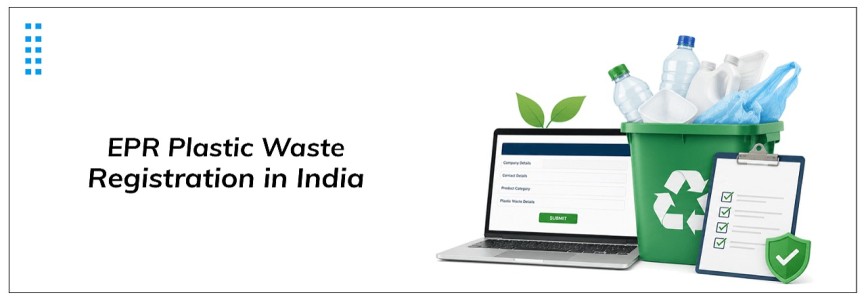



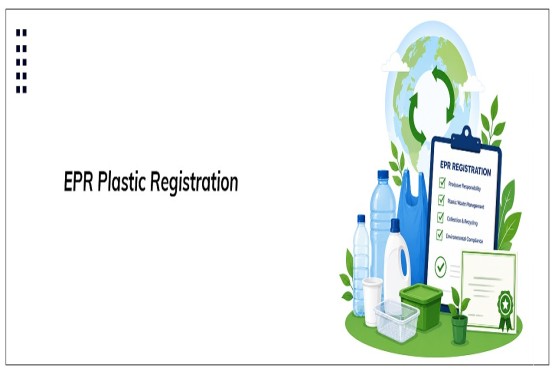
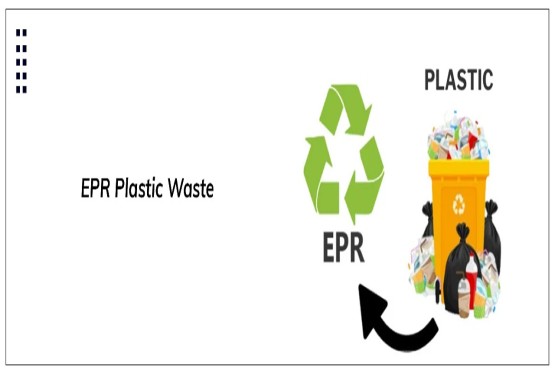
EPR Plastic Waste Registration has become one of the most important environmental compliances for businesses dealing with plastic packaging in India. EPR means Extended Producer Responsibility, under which producers, importers, brand owners and plastic waste processors are made responsible for the collection, recycling, reuse and environmentally sound disposal of plastic packaging waste generated from their products. In simple words, if a business introduces plastic packaging into the Indian market, it cannot ignore what happens to that plastic after consumer use.
Plastic packaging is widely used in food products, cosmetics, FMCG goods, e-commerce parcels, electronics, garments, household items, beverages, industrial products and many other sectors. Due to rising plastic pollution, the Government of India has made EPR compliance mandatory under the Plastic Waste Management Rules, 2016, as amended from time to time. The legal control of EPR Plastic Waste Registration is mainly handled by the Ministry of Environment, Forest and Climate Change (MoEFCC), Central Pollution Control Board (CPCB) and respective State Pollution Control Boards/Pollution Control Committees.
The CPCB has created a Centralized EPR Portal for Plastic Packaging, where Producers, Importers, Brand Owners and Plastic Waste Processors are required to register and comply with the EPR obligations. The portal specifically provides registration for PIBOs and PWPs as per the notified EPR Guidelines.
Meaning of EPR Plastic Waste Registration
EPR Plastic Waste Registration is the official approval required by businesses that manufacture, import, sell or use plastic packaging in India. This registration confirms that the business has accepted its legal responsibility to manage the plastic waste generated from its products. It is not only a one-time certificate but also a continuing compliance obligation.
A business registered under EPR has to declare the quantity and category of plastic packaging introduced into the market. Based on this data, EPR targets are calculated. These targets may include collection, recycling, reuse, use of recycled plastic content and end-of-life disposal. The business must fulfil these obligations through registered plastic waste processors or other approved channels.
Legal Basis of EPR Plastic Waste Registration in India
The main law governing plastic waste in India is the Plastic Waste Management Rules, 2016, issued under the Environment Protection Act, 1986. These rules were introduced to regulate the manufacture, use, collection, segregation, recycling, processing and disposal of plastic waste in India.
The Plastic Waste Management Rules, 2016 were amended several times, including amendments in 2018, 2021, 2022, 2023 and 2024. The EPR obligations for plastic packaging were given a stronger legal structure through the Plastic Waste Management Amendment Rules, 2022, notified on 16 February 2022. These rules introduced detailed EPR requirements for plastic packaging and made online registration through the CPCB portal mandatory for PIBOs and plastic waste processors.
The Haryana Pollution Control Board’s 2025 procedure document also notes that amendments were made to the Plastic Waste Management Rules on 27 March 2018, 12 August 2021, 17 September 2021, 16 February 2022, 6 July 2022, 27 April 2023, 30 October 2023 and 14 March 2024. This shows that plastic waste law in India is continuously evolving and businesses must keep their compliance updated.
Important Authorities Involved in EPR Plastic Waste Registration
The main authority for EPR Plastic Waste Registration is the Central Pollution Control Board, commonly known as CPCB. CPCB operates the centralized online portal for EPR registration and compliance reporting. Businesses operating in more than two states or union territories generally come under CPCB registration.
State Pollution Control Boards and Pollution Control Committees also play an important role. Plastic Waste Processors are also required to register with the concerned SPCB or PCC under Rule 13(3) of the Plastic Waste Management Rules, 2016. The CPCB portal itself mentions that PWPs must also register with the concerned SPCB/PCC as per Section 13(3) of the Plastic Waste Management Rules, 2016.
Who Needs EPR Plastic Waste Registration?
EPR Plastic Waste Registration is mainly required for the following categories of entities:
- Producer
A producer is a person or entity engaged in manufacturing or importing plastic packaging or products with plastic packaging. This may include manufacturers who produce plastic packaging material or use plastic packaging for their own products. - Importer
An importer is any person or business importing plastic packaging, products packed in plastic packaging, plastic raw material, plastic sheets, plastic films or similar items covered under the rules. Importers need to be careful because EPR registration may be checked during customs clearance. - Brand Owner
A brand owner is a company or person selling goods under a registered or unregistered brand name using plastic packaging. Even if the packaging is manufactured by a third party, the brand owner may still have EPR responsibility. - Plastic Waste Processor
A plastic waste processor includes recyclers, waste-to-energy units, waste-to-oil units, industrial composting units and other authorized units that process plastic waste.
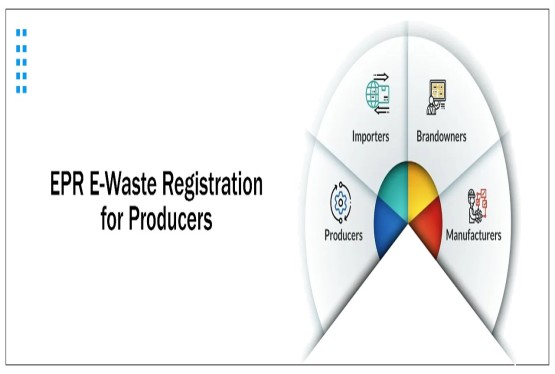
These entities are commonly referred to as PIBOs and PWPs. PIBO means Producer, Importer and Brand Owner. PWP means Plastic Waste Processor.
Categories of Plastic Packaging Covered Under EPR
The EPR rules classify plastic packaging into different categories. This classification is important because EPR targets and obligations are calculated category-wise.
- Category I – Rigid Plastic Packaging: This includes hard plastic packaging such as bottles, containers, jars, caps, drums, trays and similar rigid plastic items.
- Category II – Flexible Plastic Packaging: This includes single-layer or multi-layer flexible plastic packaging such as plastic sheets, carry bags, wrappers, pouches, films and sachets.
- Category III – Multi-layered Plastic Packaging: This includes plastic packaging with at least one layer of plastic and one or more layers of other material. It is commonly used in food packaging, snack packets, personal care products and similar goods.
- Category IV – Compostable Plastic Packaging: This includes plastic packaging made from compostable plastics. Such packaging must meet the relevant Indian standards and certification requirements.
Correct category identification is very important because wrong classification can lead to incorrect EPR targets, wrong reporting, non-compliance and possible environmental compensation.
Registration Requirement Under Rule 13
Rule 13 of the Plastic Waste Management Rules, 2016 deals with registration of producers, recyclers, manufacturers and related entities. Under the EPR system, registration through the centralized portal has become essential. PIBOs and PWPs cannot legally continue their relevant business activity without registration where the rules apply.
The Plastic Waste Management Amendment Rules, 2022 specifically require PIBOs to register through the online centralized portal developed by CPCB. The certificate of registration is issued through the portal. PIBOs are also required to provide an action plan containing details of EPR targets, category-wise, wherever applicable.
This means EPR registration is not a simple business formality. It is a statutory environmental compliance connected with production, import, sale, packaging, recycling and waste processing obligations.
Documents Required for EPR Plastic Waste Registration
The documents required may vary depending on whether the applicant is a producer, importer, brand owner or plastic waste processor. However, the following documents are generally required:
- Certificate of Incorporation, LLP Agreement, Partnership Deed or proprietorship proof.
- PAN card of the business entity.
- GST registration certificate.
- Authorized signatory details and authorization letter.
- Aadhaar and PAN of authorized person.
- Import Export Code, if the applicant is an importer.
- Details of products and plastic packaging used.
- Category-wise plastic packaging quantity.
- State-wise sale or operational details.
- Consent to Establish or Consent to Operate, if applicable.
- Agreement with registered plastic waste processors, if available.
- Details of recycling, reuse or end-of-life disposal plan.
- Company letterhead, contact details and official email ID.
- Previous year plastic packaging data, if applicable.
- Undertaking and declarations as required on the CPCB portal.
For plastic waste processors, documents such as plant details, installed capacity, pollution control consent, machinery details, electricity bills, process flow, site photographs and authorization from SPCB/PCC may also be required.
Process of EPR Plastic Waste Registration
The EPR Plastic Waste Registration process is completed online through the CPCB EPR portal. First, the applicant creates an account by selecting the correct category such as producer, importer, brand owner or plastic waste processor. After login, the applicant fills in business details, product details, plastic packaging category, quantity details, operational states and other required information.
The next step is uploading documents and submitting declarations. The applicant may also be required to provide an EPR action plan and other details relating to collection, recycling and disposal of plastic waste. After submission, the application is reviewed by CPCB or the concerned authority. If any clarification is required, the applicant must reply with proper documents and justification.
Once the authority is satisfied, the EPR registration certificate is issued online. However, after getting registration, the entity must continue to file annual returns, fulfil EPR targets, purchase valid EPR certificates from registered processors where applicable, maintain records and comply with updated legal requirements.
EPR Targets and Compliance Obligations
EPR targets are based on the plastic packaging introduced by the business in the market. The obligation may include recycling targets, reuse targets, use of recycled plastic content and end-of-life disposal. The targets vary depending on the category of plastic packaging.
A registered PIBO must ensure that its plastic packaging waste is collected and processed through authorized channels. The business must deal with registered plastic waste processors because EPR certificates issued by only registered processors are considered valid for fulfilling EPR obligations.
The business must also maintain proper data on procurement, production, sale, import, packaging quantity, recycling certificates and disposal certificates. Incorrect data filing may lead to non-compliance. Annual returns and other reports must be filed within the prescribed timeline.
Role of Plastic Waste Processors
Plastic Waste Processors are a key part of EPR compliance. They collect and process plastic waste through recycling, waste-to-energy, waste-to-oil, industrial composting or other permitted methods. They issue EPR certificates based on actual processing of plastic waste.
Only registered plastic waste processors can generate valid EPR certificates. Therefore, PIBOs should not depend on unregistered recyclers or informal waste handlers for EPR compliance. If the processor is not properly registered or the certificate is not valid, the PIBO may face compliance risk even after making payment.
Plastic Waste Processors must also follow their own legal obligations. They must maintain records, file returns, operate within approved capacity, follow pollution control norms and comply with SPCB/PCC conditions.
Labelling Requirement and Recent Update
A major recent update relates to the labelling of plastic packaging. CPCB issued a notice dated 28 April 2025 regarding printing of information on plastic packaging as per the Plastic Waste Management Rules, 2016 as amended. The notice relates to mandatory information on plastic packaging and indicates the increasing enforcement focus on traceability and consumer-level information.
Several compliance updates also highlight that from 1 July 2025, plastic packaging may be required to carry information through barcode, QR code or unique number as per amended Rule 11 requirements. Businesses using plastic packaging should carefully verify current labelling obligations applicable to their product category before printing packaging material.
This update is important for FMCG companies, food brands, cosmetic brands, e-commerce sellers, importers and packaging companies because non-compliant packaging may be questioned during audits, inspections, market checks or customs clearance.
Environmental Compensation and Penalties
Non-compliance with EPR Plastic Waste Registration can result in serious consequences. The authorities may issue show-cause notices, suspend registration, cancel registration, impose environmental compensation, restrict business activity or initiate prosecution under environmental law.
Since the Plastic Waste Management Rules are issued under the Environment Protection Act, 1986, violations may attract penalties under the Environment Protection Act. Businesses may also face action from CPCB, SPCB, PCC, municipal bodies or customs authorities.
Recent enforcement actions show that authorities are becoming stricter. In Haryana, the State Pollution Control Board reportedly issued 1,849 challans and imposed environmental compensation of ?16 lakh during an enforcement drive for violations of Plastic Waste Management Rules and EPR Guidelines. The report also mentioned that non-compliant entities may face show-cause notices, environmental compensation and closure directions. This shows that EPR compliance is not only a documentation requirement. It is now an actively monitored environmental responsibility.
Common Reasons for EPR Application Rejection or Delay
EPR registration applications may get delayed or rejected due to incomplete documents, wrong category selection, mismatch in plastic quantity data, incorrect business details, missing GST or IEC details, absence of authorization letter, unclear product information, wrong packaging classification or non-submission of required declarations.
Another common issue is inconsistency between sales data, import data, GST turnover and plastic packaging quantity. If the authority finds that the quantity declared is unrealistic or unsupported, clarification may be sought. Businesses should therefore maintain accurate records before applying.
For plastic waste processors, rejection may happen due to absence of valid Consent to Operate, mismatch in processing capacity, incomplete plant details, missing photographs, incorrect machinery information or lack of authorization from the concerned pollution control authority.
Important Compliance Points for Businesses
Businesses dealing with plastic packaging should remember the following points:
- EPR registration must be obtained before carrying out covered activity.
- Plastic packaging quantity must be calculated category-wise.
- Importers must check EPR applicability before importing plastic packaging or goods packed in plastic.
- Brand owners cannot avoid responsibility by outsourcing packaging.
- EPR certificates should be obtained only from registered plastic waste processors.
- Annual returns and portal filings must be completed on time.
- Packaging labels must comply with current Rule 11 requirements.
- Records of purchase, sale, import, recycling and disposal must be maintained.
- Any change in business details, product category or quantity should be updated properly.
- Non-compliance may lead to environmental compensation, cancellation or closure action.
Importance of EPR Plastic Waste Registration
EPR Plastic Waste Registration is important because it gives legal recognition to the business under the Plastic Waste Management Rules. Without registration, a business may face difficulty in manufacturing, importing, selling or distributing products packed in plastic. It also protects the business from regulatory notices and penalty exposure.
From an environmental point of view, EPR helps create a circular economy by encouraging recycling, reuse and responsible disposal. It reduces pressure on landfills and discourages unscientific dumping or burning of plastic waste. It also pushes businesses to rethink packaging design and move toward sustainable packaging solutions.
From a business point of view, EPR compliance improves brand reputation. Large buyers, marketplaces, government tenders, institutional clients and export partners increasingly prefer legally compliant and environmentally responsible businesses.
Recent Compliance Trend in India
India is moving toward stricter plastic waste control. The focus is no longer limited to banning certain single-use plastic items. The current approach is to make businesses accountable for the full life cycle of plastic packaging. The CPCB portal, EPR certificates, digital tracking, category-wise targets, labelling rules and enforcement actions show that the compliance system is becoming more data-driven.
Businesses should also note that updates may continue in the coming years. Therefore, it is not enough to obtain registration once and forget the matter. Companies should periodically review their EPR targets, plastic usage, processor agreements, annual returns, labelling format and recycling certificates.
Conclusion
EPR Plastic Waste Registration in India is a mandatory and continuing legal compliance for producers, importers, brand owners and plastic waste processors dealing with plastic packaging. It is governed by the Plastic Waste Management Rules, 2016 and subsequent amendments, especially the EPR provisions introduced through the 2022 amendment. The registration process is handled through the CPCB’s centralized EPR portal, and businesses must comply with category-wise targets, annual filings, plastic waste processing obligations and labelling requirements.
Non-compliance can result in notices, environmental compensation, suspension, cancellation and even closure directions. Therefore, every business using plastic packaging should carefully check its EPR applicability and complete registration before regulatory issues arise.
For professional assistance in EPR Plastic Waste Registration, document preparation, portal filing, compliance planning and annual return filing, you can connect with Compliance Calendar LLP at info@ccoffice.in or call/WhatsApp +91 9988424211.
Frequently Asked Questions (FAQs)
1. What is EPR Plastic Waste Registration?
Ans: EPR Plastic Waste Registration is a mandatory approval required for producers, importers, brand owners and plastic waste processors dealing with plastic packaging. It confirms that the business accepts responsibility for collection, recycling and proper disposal of plastic waste generated from its products.
2. Who needs EPR Registration for plastic waste in India?
Ans: Producers, importers, brand owners and plastic waste processors need EPR registration if they deal with plastic packaging. This includes FMCG brands, importers, e-commerce sellers, packaging manufacturers, private labels and recyclers.
3. Is EPR registration mandatory for importers?
Ans: Yes, importers dealing with plastic packaging or products packed in plastic may require EPR registration. Importers should complete EPR compliance before shipment or customs clearance to avoid regulatory issues.
4. Which authority grants EPR Plastic Waste Registration?
Ans: The Central Pollution Control Board grants registration through the centralized EPR portal for eligible entities. In some cases, State Pollution Control Boards or Pollution Control Committees also play a role, especially for processors and state-level operations.
5. What are the main plastic packaging categories under EPR?
Ans: The main categories are rigid plastic packaging, flexible plastic packaging, multi-layered plastic packaging and compostable plastic packaging. Correct category selection is important because EPR targets are calculated category-wise.
6. Can a business sell products without EPR registration?
Ans: If the business is covered under the Plastic Waste Management Rules, it should not sell, import or distribute plastic packaging without EPR registration. Non-compliance may lead to penalty, notice or business restrictions.
7. What happens if EPR targets are not fulfilled?
Ans: If EPR targets are not fulfilled, the business may have to pay environmental compensation. Continued default may also lead to stricter action such as suspension or cancellation of registration.
8. Are EPR certificates from any recycler valid?
Ans: No. EPR certificates should be obtained only from registered plastic waste processors. Certificates from unregistered or unauthorized entities may not be accepted for compliance.
9. Is annual return filing required after EPR registration?
Ans: Yes, registered entities must file periodic or annual returns as applicable. They must also maintain records of plastic packaging quantity, recycling certificates and compliance data.
10. Why is professional help useful for EPR registration?
Ans: Professional help is useful because EPR registration involves legal classification, portal filing, document review, quantity calculation, EPR target planning and compliance reporting. A mistake in category, quantity or documents may delay approval or create future liability.


_crop10_thumb.jpg)


_crop10_thumb.jpg)


-Form_crop10_thumb.jpg)

_crop10_thumb.jpg)


_learn_crop10_thumb.jpeg)


_crop10_thumb.jpg)

_crop10_thumb.jpg)


_crop10_thumb.jpg)




_for_Foreign_Directors_learn_crop10_thumb.jpeg)


_Act,_2015_learn_crop10_thumb.jpg)









_learn_crop10_thumb.jpg)






















_crop10_thumb.jpg)
_crop10_thumb.jpg)

_(1)_crop10_thumb.jpg)






_crop10_thumb.png)

_crop10_thumb.jpg)

_crop10_thumb.jpg)




_crop10_thumb.png)
_crop10_thumb.jpg)


_crop10_thumb.png)




_crop10_thumb.jpg)
