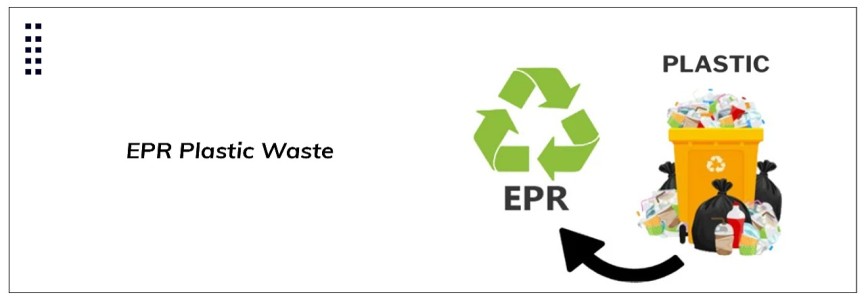



Plastic packaging compliance has become an important legal requirement for importers in India. Earlier, many businesses treated plastic waste compliance as a manufacturer-side responsibility only. However, under the Plastic Waste Management Rules, 2016 and the Extended Producer Responsibility framework, importers are clearly covered when they introduce plastic packaging, plastic-packaged goods or plastic raw material into the Indian market. For importers, this means that customs clearance, sale, distribution and brand placement should not be looked at only from GST, IEC and product certification angles. Plastic waste compliance must also be checked before the product is placed in the market.
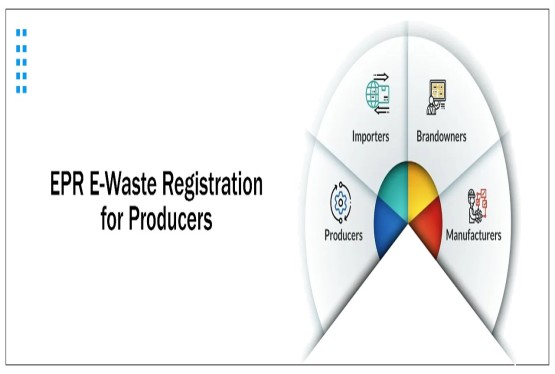
The main law governing plastic waste compliance in India is the Plastic Waste Management Rules, 2016, issued under the Environment Protection Act, 1986. These rules have been amended several times, including important EPR-related changes in 2022 and further amendments in 2024. The EPR guidelines require Producers, Importers and Brand Owners, commonly called PIBOs, to register on the centralized online portal and meet plastic packaging waste obligations. The CPCB EPR portal also states that Producers, Importers and Brand Owners must register through the centralized portal developed by the Central Pollution Control Board.
Meaning of EPR for Plastic Waste
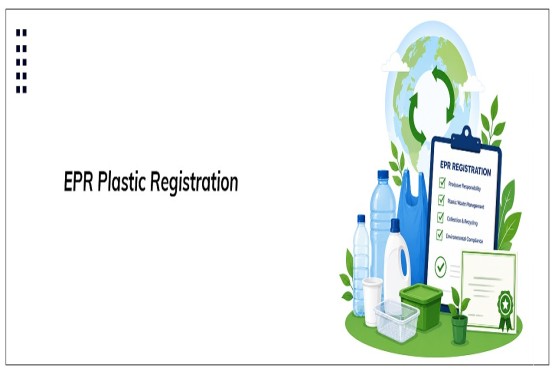
EPR Plastic Waste Registration means that a business introducing plastic packaging into the market remains responsible for the collection, recycling, reuse or end-of-life processing of that plastic packaging waste. In simple terms, an importer cannot simply import plastic-packaged goods, sell them in India and ignore the waste generated after consumption. The importer must account for the plastic packaging introduced in India and fulfil EPR targets as per the applicable category.
For importers, EPR applies in two common situations. First, where the importer imports goods packed in plastic packaging, such as food products, cosmetics, electronics, household products, medical devices or consumer goods. Second, where the importer imports plastic raw material, resins, pellets or intermediate material used for making plastic packaging. The 2024 amendment specifically brought more clarity on manufacturers and importers of plastic raw material and their obligations.
Why Importers Must Check EPR Plastic Waste Rules
Importers must check EPR rules because the legal responsibility starts when plastic packaging is introduced into the Indian market. Even if the product is manufactured outside India, the Indian importer may become responsible under the Plastic Waste Management Rules. This is especially important for businesses importing finished goods in plastic pouches, bottles, jars, wrappers, multilayer packaging, shrink wraps, containers, films or sachets.
EPR compliance is also important because it is linked with annual reporting, purchase of EPR certificates, data filing, portal registration and environmental compensation. Non-compliance may lead to regulatory notices, restrictions, portal action and financial liability. The EPR guidelines provide that payment of environmental compensation does not remove the unfulfilled EPR obligation, and the shortfall may be carried forward for a specified period.
Legal Rules Governing Plastic Waste EPR Compliance in India
The legal rules starts with the Environment Protection Act, 1986, under which the Central Government has the power to frame rules for environmental protection. The Plastic Waste Management Rules, 2016 were notified to regulate plastic waste generation, collection, segregation, processing and disposal. These rules apply to plastic packaging and related stakeholders, including producers, importers, brand owners, manufacturers, local bodies, gram panchayats and plastic waste processors.
Rule 9 is one of the most important provisions for importers because it deals with Extended Producer Responsibility. The 2024 amendment substituted key parts of Rule 9 and states that Producers, Importers and Brand Owners introducing plastic packaging in the market are responsible for collection of such plastic packaging. It also provides that when a Producer, Importer or Brand Owner fulfils EPR, the responsibility under the relevant provision is deemed to have been fulfilled.
Recent Update: Plastic Waste Management Amendment Rules, 2024
The Plastic Waste Management Amendment Rules, 2024 are a major recent update for importers. These amendment rules came into force from the date of publication in the Official Gazette. The amendment revised several provisions relating to definitions, responsibilities, registration, reporting, compostable and biodegradable plastics, raw material suppliers and EPR obligations.
A key change is the insertion of the term “seller,” which means a person who sells plastic raw material such as resins, pellets or intermediate material used for producing plastic packaging. The amendment also restricts sale or supply of plastic raw material to producers or sellers who are not registered under the rules. For importers of plastic raw material, this is a very important compliance point because the buyer’s registration number may have to be mentioned on the sale invoice.
Who is Covered as an Importer?
An importer may be covered under EPR if it imports plastic packaging, products packed in plastic packaging, plastic raw material or intermediate material used for producing plastic packaging. The importer may be importing goods under its own brand or supplying them to another brand owner. In both cases, the legal responsibility should be reviewed based on the nature of import, ownership of brand, packaging category and market placement.
For example, an importer of packaged cosmetic products in plastic bottles may be covered as an importer introducing plastic packaging. An importer of food products in plastic pouches may also fall under the EPR framework. A business importing plastic granules or resins may have separate obligations as an importer of plastic raw material. The 2024 amendment specifically mentions that importer is one of the entities required to register on the centralized portal.
Registration Requirement for Importers
Importers must register on the centralized EPR portal before carrying out activities covered under the Plastic Waste Management Rules. The EPR guidelines provide that Producers, Importers and Brand Owners must register through the online centralized portal developed by CPCB and that the certificate of registration is issued using the portal.
The 2024 amendment further states that Producers, Importers, Brand Owners, Plastic Waste Processors, manufacturers and importers of plastic raw material, and manufacturers of compostable or biodegradable plastic items shall register on the centralized portal. This means importers should not assume that only large plastic packaging businesses are covered. Even importers dealing with raw material or plastic-containing packaging must review their registration requirement.
Plastic Packaging Categories Importers Must Identify
Before applying for EPR registration, an importer must identify the category of plastic packaging. Plastic packaging categories generally include rigid plastic packaging, flexible plastic packaging, multilayered plastic packaging and compostable plastic packaging. Correct category identification is important because EPR targets, recycling obligations, certificates and annual returns are linked with category-wise quantities.
Wrong classification can create future compliance issues. For example, a rigid plastic bottle and a flexible plastic pouch cannot be treated in the same way for reporting. Similarly, multilayer packaging may have different treatment obligations. Importers should collect product-wise and packaging-wise details from foreign suppliers before filing the EPR application.
Documents Importers Should Keep Ready
Importers should keep all important business, legal, import and packaging-related documents ready before applying for EPR Plastic Waste Registration. These documents help CPCB or the concerned pollution control authority verify the identity of the importer, nature of business, type of plastic packaging introduced in India and the quantity of plastic waste liability. Proper documentation also helps in preparing the EPR action plan, calculating EPR targets and filing annual returns without errors.
For importers, documents are not limited to company registration papers only. Since EPR compliance is linked with plastic packaging placed in the Indian market, the importer must also keep product-wise packaging details, import records, supplier information and sales data. If the importer is selling products under its own brand name, then brand details and product labels may also be required. In case of plastic raw material import, buyer registration details and sale invoice records become very important because the 2024 amendment requires supply only to registered buyers.
Key documents importers should keep ready:
- Business Registration Documents
Importers should keep the Certificate of Incorporation, LLP Agreement, partnership deed or proprietorship proof ready, depending on the business structure. These documents confirm the legal existence of the applicant. - PAN and GST Registration
PAN and GST are required to verify tax identity and business operations. The business name and address should match the details submitted on the EPR portal. - IEC Certificate
Import Export Code is important for importers because it proves that the business is authorized to import goods into India. IEC details should match the import records and business documents. - Authorized Signatory Details
The applicant should provide the name, contact details, ID proof and authorization letter of the person who will sign and submit the EPR application. This person will also handle portal communication and compliance updates. - Address Proof of Business Place
Importers should keep electricity bill, rent agreement, ownership proof or other valid address proof ready. The address should be the same as mentioned in business registration or GST documents. - Product and Packaging Details
Importers must provide details of products imported and the type of plastic packaging used. This may include rigid plastic, flexible plastic, multilayered packaging or compostable plastic packaging. - Plastic Packaging Data
Category-wise plastic packaging quantity is one of the most important details for EPR compliance. It helps determine how much plastic waste responsibility the importer has to fulfil. - Import Records and Bills of Entry
Bills of entry, import invoices, purchase orders and shipping documents help prove the quantity and nature of imported goods. These records are also useful during annual return filing. - Supplier Declarations and Packaging Specifications
Foreign supplier declarations, material composition details and packaging specifications help identify the exact type and weight of plastic packaging used in imported goods. - Sales Data and Market Placement Records
Importers should maintain product-wise sales data to show how much plastic packaging was actually placed in the Indian market. This data is useful for EPR target calculation and annual compliance. - Brand Details and Product Labels
If the importer sells goods under its own brand, brand name, product labels and packaging artwork may be required. These details help identify the importer’s responsibility as a brand owner. - Buyer Registration Details for Raw Material Imports
If the importer deals in plastic raw material, it should maintain buyer registration numbers and sale invoice details. This is important because raw material should be supplied only to registered producers or sellers as per the updated rules.
EPR Action Plan for Importers
The EPR action plan is a key part of plastic waste compliance. The EPR guidelines provide that PIBOs must provide an action plan containing information on EPR targets, category-wise wherever applicable, through the online centralized portal.
For importers, the action plan should be prepared based on plastic packaging introduced into the Indian market. It should include category-wise quantity, expected waste generation, recycling plan, end-of-life processing plan and EPR certificate strategy. The action plan should be realistic because annual compliance will later be checked against the data submitted.
Annual Return Filing Requirement
Annual return filing is one of the most important post-registration compliances for importers. The EPR guidelines require Producers, Importers and Brand Owners to file annual returns on plastic packaging waste collected and processed towards EPR obligations by 30th June of the next financial year. The return should also include information on reuse and recycled content used for packaging purposes, along with details of registered recyclers from whom recycled plastic has been procured.
The 2024 amendment also provides that details of certificates for plastic waste recycled and sent for end-of-life disposal must be provided by 30th June of the next financial year while filing annual returns on the online portal. In case of mismatch between details provided by PIBOs and registered plastic waste processors, the lower figure is considered for fulfilment of EPR obligation.
EPR Certificates and Plastic Waste Processors
Importers generally fulfil EPR obligations through registered Plastic Waste Processors. These processors may be recyclers or other authorized waste processing entities such as waste-to-energy, waste-to-oil, co-processing facilities or industrial composting facilities, depending on the category and permitted end use.
The EPR framework provides that only certificates from registered plastic waste processors are considered for fulfilment of EPR obligations, except in specific cases such as use of plastic waste in road construction where self-declaration may be allowed in the prescribed format. Certificates are category-wise and are subject to verification by CPCB, SPCB or PCC.
Rules for Importers of Plastic Raw Material
The 2024 amendment has made raw material compliance more specific. Every manufacturer and importer of plastic raw material must apply to the concerned State Pollution Control Board or Pollution Control Committee for registration in Form III. Such importer must sell plastic raw material only to a registered Producer or Seller and mention the buyer’s registration number on the sale invoice. The importer must also not sell plastic raw material to any entity engaged in manufacturing prohibited single-use plastic items.
This is very important for importers dealing in resins, pellets, PET, HDPE, LDPE, PP, PVC, PS or other plastic raw materials. The 2024 amendment also provides for quarterly reporting formats relating to supplied plastic raw material. The screenshot of the 2024 amendment shows the reporting format for manufacturers and importers of plastic raw material, including buyer category, GST details, plastic packaging category and supplied plastic waste quantity.
Compostable and Biodegradable Plastic Imports
Importers dealing with compostable or biodegradable plastic products should be careful because these products are not automatically exempt from compliance. The 2024 amendment states that carry bags and commodities made from compostable plastics must conform to IS/ISO 17088:2021. It also provides that manufacturers of compostable plastic or biodegradable plastic carry bags or commodities must obtain a certificate from CPCB before marketing or selling.
The amendment also introduced specific labelling requirements. Each plastic packaging or commodity made from compostable plastics must bear a label stating that it is compostable only under industrial composting and must conform to the prescribed Indian Standard. Each biodegradable plastic packaging or commodity must bear a label mentioning the number of days and the recipient environment such as soil, landfill or water.
Single-Use Plastic Restrictions
Importers must also check whether their products or packaging fall within prohibited single-use plastic items. EPR registration does not give permission to import, stock, distribute or sell banned plastic items. If the product is prohibited under the Plastic Waste Management Rules and related amendments, registration will not cure the violation.
This is especially important for importers of disposable plastic cutlery, plastic sticks, packaging films, non-woven bags, sheets and other lightweight plastic goods. The 2024 amendment requires raw material suppliers not to sell plastic raw material to entities engaged in manufacturing prohibited single-use plastic items.
Role of CPCB and SPCB
CPCB plays a central role in the EPR framework. It operates the centralized portal, registers PIBOs operating in more than two states, lays down SOPs, verifies certificates and monitors fulfilment of targets. The EPR guidelines state that CPCB registers Producers, Importers and Brand Owners operating in more than two states and plastic waste processors through the online portal.
State Pollution Control Boards and Pollution Control Committees handle registration and verification for entities operating in one or two states and may conduct inspections and periodic audits. They may also publish exception reports for entities that fail to fulfil EPR responsibilities.
Environmental Compensation and Penalties
Environmental compensation is the main financial consequence for failure to meet EPR obligations. The EPR guidelines provide for imposition of environmental compensation on Producers, Importers and Brand Owners for non-fulfilment of EPR targets, responsibilities and obligations. Payment of compensation does not remove the obligation itself. The unfulfilled obligation may be carried forward for up to three years, and only partial return of compensation is allowed if the shortfall is later addressed within the prescribed period.
This means an importer cannot treat environmental compensation as a simple penalty and continue non-compliance. The obligation to recycle, process or offset the plastic waste continues even after compensation is paid. Importers should therefore track EPR compliance throughout the year instead of waiting for annual return filing.
Practical Compliance Checklist for Importers
Importers should first identify whether the imported goods contain plastic packaging or whether plastic raw material is being imported. They should then classify the packaging category and calculate the quantity introduced in the Indian market. After that, they should complete EPR registration on the CPCB portal and prepare a proper action plan.
Once registration is granted, importers should work only with registered plastic waste processors and obtain valid EPR certificates. They should maintain invoices, import data, plastic packaging declarations, certificate records and sales data. Annual returns should be filed by 30th June of the next financial year, and any portal mismatch should be resolved early.
Common Mistakes Importers Should Avoid
Many importers make the mistake of assuming that EPR applies only to Indian manufacturers. This is incorrect because importers are expressly covered under the rules. Another common mistake is filing the application without proper packaging data. EPR targets cannot be properly calculated unless the importer has category-wise and quantity-wise plastic packaging data.
Some importers also ignore raw material-specific obligations. After the 2024 amendment, importers of plastic raw material must be very careful about buyer registration, invoice disclosure and restrictions on supply to entities dealing with prohibited single-use plastic items. Importers should also avoid relying on unregistered recyclers because certificates from unregistered entities may not be accepted for EPR fulfilment.
Conclusion
EPR Plastic Waste compliance is now a serious legal requirement for importers in India. The Plastic Waste Management Rules, 2016, along with the EPR guidelines and the 2024 amendment, place direct responsibilities on importers who introduce plastic packaging, plastic-packaged products or plastic raw material into the Indian market. Registration on the CPCB centralized portal, correct packaging classification, EPR action plan, annual returns, EPR certificates and record maintenance are all part of the compliance process.
For importers, the safest approach is to check EPR applicability before importing or selling products in India. A business should not wait for a notice or portal restriction to begin compliance. Proper EPR registration and timely reporting help avoid environmental compensation, business disruption and regulatory risk. More importantly, it shows that the importer is taking responsibility for the plastic packaging it brings into the market.
Frequently Asked Questions (FAQs)
Q1. Is EPR registration mandatory for importers of plastic-packaged goods?
Ans: Yes, importers who bring plastic-packaged goods into India may need EPR registration.
This applies when plastic packaging is introduced into the Indian market through import.
The requirement depends on the product, packaging type and quantity placed in the market.
Q2. Which authority handles EPR registration for plastic waste?
Ans: EPR registration for plastic waste is handled through the CPCB centralized online portal.
CPCB generally handles applications for entities operating in more than two states.
SPCB or PCC may handle cases where the business operates in one or two states.
Q3. Do importers of plastic raw material need registration?
Ans: Yes, importers of plastic raw material may need registration under the updated rules.
This includes importers of resins, pellets and other materials used for plastic packaging.
They must also ensure supply is made only to registered producers or sellers.
Q4. What is the due date for annual return filing?
Ans: PIBOs, including importers, generally need to file annual returns by 30th June.
The return is filed for the previous financial year through the EPR portal.
It includes details of plastic waste collected, recycled, processed and supported by certificates.
Q5. Can an importer use certificates from any recycler?
Ans: No, importers should use certificates from registered plastic waste processors only.
Certificates from unregistered recyclers may not be accepted for EPR target fulfilment.
This is why importers should verify recycler registration before purchasing certificates.
Q6. Does EPR registration allow sale of banned single-use plastic items?
Ans: No, EPR registration does not permit sale or import of banned single-use plastic items.
If a plastic item is prohibited, registration cannot make its sale legally valid.
Importers must check single-use plastic restrictions before importing such products.
Q7. Are compostable plastics exempt from EPR compliance?
Ans: Compostable plastics are not automatically exempt from legal compliance.
They must meet prescribed standards and follow proper labelling requirements.
In some cases, CPCB certification may be required before sale or marketing.
Q8. What happens if an importer fails to meet EPR targets?
Ans: Failure to meet EPR targets may lead to environmental compensation.
The unpaid or unfulfilled obligation may also be carried forward as per rules.
This means paying compensation does not completely remove the compliance responsibility.
Q9. What records should an importer maintain?
Ans: Importers should maintain invoices, bills of entry, sales data and product details.
They should also keep plastic packaging category data and EPR certificate records.
These records help during annual return filing, audits and regulatory verification.
Q10. Why should importers check the 2024 amendment?
Ans: The 2024 amendment added important updates for importers and raw material suppliers.
It covers registration, annual return details, compostable plastics and certificate compliance.
Importers should review it before filing, renewing or updating their EPR compliance.


_crop10_thumb.jpg)


_crop10_thumb.jpg)


-Form_crop10_thumb.jpg)

_crop10_thumb.jpg)


_learn_crop10_thumb.jpeg)


_crop10_thumb.jpg)

_crop10_thumb.jpg)


_crop10_thumb.jpg)





_for_Foreign_Directors_learn_crop10_thumb.jpeg)


_Act,_2015_learn_crop10_thumb.jpg)










_learn_crop10_thumb.jpg)



































_crop10_thumb.jpg)

_crop10_thumb.jpg)

_(1)_crop10_thumb.jpg)







_crop10_thumb.png)



_crop10_thumb.jpg)

_crop10_thumb.jpg)





_crop10_thumb.png)
_crop10_thumb.jpg)






_crop10_thumb.png)