



A trademark is one of the most valuable assets of a business as it helps consumers identify the source of goods and services. It may consist of a word, name, logo, symbol, or any other distinctive mark that represents the identity of a business. With continuous use and reputation, a trademark becomes associated with the quality and goodwill of the company.
In the modern digital marketplace, trademarks have become even more important because consumers often rely on brand names while accessing services through websites and mobile applications. The use of a similar trademark by another business may create confusion among consumers and may harm the reputation of the original brand.
The purpose of trademark law is to protect registered trademark owners from unauthorized use and to prevent consumer confusion. The Trademarks Act, 1999 provides exclusive rights to registered proprietors and provides remedies such as injunctions and damages in cases of infringement and passing off.
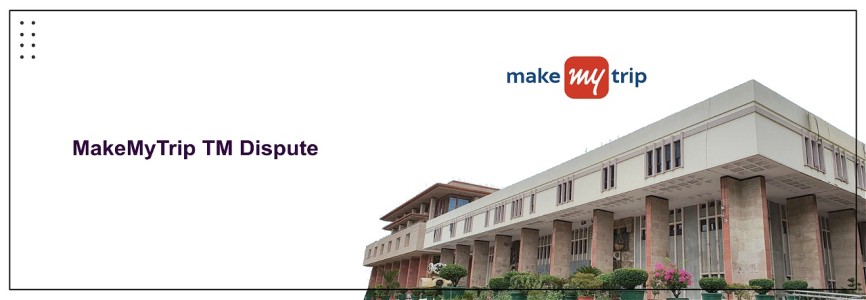
A recent example of trademark protection is the dispute between MakeMyTrip (India) (P) Ltd. and MakeMyIndiaTrip. In this case, the Delhi High Court restrained the defendant from using the mark “MakeMyIndiaTrip” and held that merely adding the word “India” was not sufficient to distinguish the mark from the established trademark “MakeMyTrip”.
The judgment highlights the importance of protecting the goodwill and identity of established brands while preventing unfair advantage by other businesses.
Case Name: MakeMyTrip (India) (P) Ltd. v. MakeMyIndiaTrip
Citation: 2026 SCC OnLine Del 4633
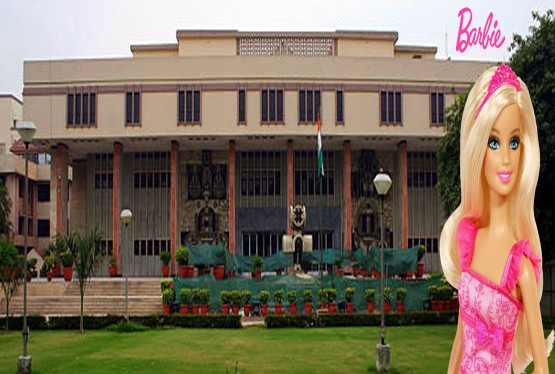
Court: Delhi High Court
Judge: Justice Jyoti Singh
Date of Decision: 29 May 2026
Facts of the Case
MakeMyTrip (India) (P) Ltd. is one of India's leading online travel companies providing various travel-related services including flight bookings, hotel reservations, holiday packages, train and bus bookings, and other travel assistance services.
The company has been continuously using the trademark “MakeMyTrip” for several years and has built substantial goodwill and reputation in the travel industry. Due to extensive business activities, advertising, and online presence, the trademark became widely recognized among consumers.
The dispute arose when the defendant started using the trademark “MakeMyIndiaTrip” along with a similar logo and domain name “www.makemyindiatrip.com” for travel and tourism services.
MakeMyTrip argued that the defendant’s mark was deceptively similar to its registered trademark. According to the plaintiff, the addition of the word “India” did not create a separate identity because the main and memorable part of the mark, “MakeMyTrip”, remained the same.
The plaintiff claimed that such use could create confusion among consumers and make them believe that MakeMyIndiaTrip was connected with or affiliated with MakeMyTrip. Therefore, MakeMyTrip filed a suit before the Delhi High Court for trademark infringement, passing off, and other related reliefs.
The plaintiff also sought an interim injunction to prevent the defendant from using the disputed mark during the pendency of the proceedings.
Legal Issues Before the Court
The Delhi High Court considered the following issues:
-
Whether the trademark “MakeMyIndiaTrip” was deceptively similar to the registered trademark “MakeMyTrip”.
-
Whether the defendant’s use of the mark amounted to trademark infringement under the Trademarks Act, 1999.
-
Whether the defendant’s actions amounted to passing off by creating a false impression of association with MakeMyTrip.
-
Whether MakeMyTrip had established a case for grant of interim injunction.
Relevant Provisions of the Trademarks Act, 1999
Section 2(1)(zb): Meaning of Trademark
Section 2(1)(zb) defines a trademark as a mark capable of distinguishing the goods or services of one person from those of another. The purpose of a trademark is to help consumers identify the source of goods and services. In this case, “MakeMyTrip” had acquired distinctiveness through continuous use and reputation, which entitled it to legal protection.
Section 28: Rights of Registered Proprietor
Section 28 provides exclusive rights to the registered proprietor of a trademark. It allows the owner to use the trademark and prevent unauthorized persons from using identical or deceptively similar marks. Since MakeMyTrip was the registered owner of the trademark, it was entitled to seek protection against unauthorized use.
Section 29: Infringement of Registered Trademark
Section 29 provides that a registered trademark is infringed when another person uses an identical or deceptively similar mark in relation to similar goods or services, causing a likelihood of confusion among consumers. The Court considered the overall impression created by the trademarks rather than comparing them word by word. An average consumer usually remembers the important features of a trademark rather than minor differences.
Since both parties were providing similar travel-related services and the dominant portion “MakeMyTrip” was common, the Court found a possibility of consumer confusion.
Sections 134 and 135
Section 134 allows a trademark owner to file a suit for infringement and passing off before the appropriate court. Section 135 provides remedies including injunctions, damages, and other reliefs. Using these provisions, MakeMyTrip sought an injunction against the defendant.
Trademark Infringement and Passing Off
Trademark infringement and passing off are related but different legal remedies. Trademark infringement is a statutory remedy available to registered trademark owners under the Trademarks Act, 1999. It protects the exclusive rights created through registration. Passing off is a common law remedy that protects the goodwill and reputation of a business. To establish passing off, the plaintiff generally needs to prove goodwill, misrepresentation, and damage.
In the present case, MakeMyTrip had established considerable goodwill in its trademark. The use of “MakeMyIndiaTrip” for similar services created a possibility that consumers may believe both businesses were connected. Therefore, the plaintiff claimed protection under both infringement and passing off principles.
Observations of the Delhi High Court
The Delhi High Court examined the competing trademarks from the perspective of an ordinary consumer. The Court held that trademark comparison should not be based on minor differences but on the overall impression created by the marks. The Court observed that the essential and memorable part of both marks was “MakeMyTrip”. The addition of the word “India” was not sufficient to create a different identity.
The Court also considered the reputation and goodwill developed by MakeMyTrip over the years. It found that continued use of the disputed mark could create confusion among consumers and negatively affect the plaintiff’s business reputation. The Court held that MakeMyTrip had established a prima facie case, the balance of convenience was in its favour, and continued use of the disputed mark could cause irreparable harm. Accordingly, the Delhi High Court granted an ex parte ad interim injunction and restrained the defendant from using “MakeMyIndiaTrip”, its logo, trade name, domain name, or any other deceptively similar mark.
Importance of the Judgment
The judgment is important because it confirms that businesses cannot adopt trademarks similar to established brands by making small additions or changes. Trademark protection depends on the overall identity and impression created by a mark. The decision also protects consumers from confusion in the digital marketplace. When consumers search for services online, similar brand names may mislead them into believing that two businesses are connected.
The judgment encourages businesses to create unique identities instead of benefiting from the goodwill of established brands. It strengthens intellectual property protection and promotes fair competition.
Critical Analysis
The decision of the Delhi High Court reflects the basic purpose of trademark law, which is to protect both business reputation and consumer interests. The Court correctly focused on the dominant feature of the trademark rather than minor differences between the marks. The judgment follows the established principle that a trademark cannot be copied in a manner that allows another business to take unfair advantage of the reputation built by an existing brand.
However, trademark protection should always be balanced with the need to prevent unnecessary restrictions on the use of common or descriptive words. Each case must be decided according to its own facts and the possibility of consumer confusion. In the present case, considering the similarity between the marks and the identical nature of services, the Court’s decision to grant interim protection was justified.
Conclusion
The dispute between MakeMyTrip and MakeMyIndiaTrip shows the importance of trademark protection in the digital age. The Delhi High Court rightly held that adding the word “India” to the trademark “MakeMyTrip” was not sufficient to create a separate identity. Since both parties were involved in similar travel-related services, the use of the disputed mark could confuse consumers and take unfair advantage of the goodwill created by MakeMyTrip.
The judgment reinforces the importance of Sections 28 and 29 of the Trade Marks Act, 1999 and highlights the role of passing off protection. It confirms that trademark law protects not only the commercial interests of businesses but also consumer confidence in the marketplace. As online businesses continue to grow, companies must develop original and distinctive trademarks. The Delhi High Court’s decision is an important step towards protecting brand identity, encouraging fair competition, and preventing consumer confusion.
Frequently Asked Questions (FAQs)
Q1. What was the dispute between MakeMyTrip and MakeMyIndiaTrip?
Ans. The dispute was related to the use of the trademark “MakeMyIndiaTrip” by the defendant, which MakeMyTrip claimed was deceptively similar to its registered trademark “MakeMyTrip”. The plaintiff argued that such use could create confusion among consumers.
Q2. Which court decided the MakeMyTrip trademark dispute?
Ans. The dispute was decided by the Delhi High Court.
Q3. What was the main issue before the Delhi High Court?
Ans. The main issue was whether “MakeMyIndiaTrip” was deceptively similar to the registered trademark “MakeMyTrip” and whether its use amounted to trademark infringement and passing off.
Q4. Why did the Delhi High Court find the marks similar?
Ans. The Court observed that the dominant and memorable part of both marks was “MakeMyTrip”. The addition of the word “India” was not sufficient to create a separate identity.
Q5. What is trademark infringement under the Trademarks Act, 1999?
Ans. Trademark infringement occurs when a person uses an identical or deceptively similar trademark without authorization in a manner that is likely to confuse consumers.
Q6. What is the difference between trademark infringement and passing off?
Ans. Trademark infringement is a statutory remedy available to registered trademark owners, while passing off is a common law remedy that protects the goodwill and reputation of a business against misrepresentation.
Q7. What relief did the Delhi High Court grant to MakeMyTrip?
Ans. The Court granted an ex parte ad interim injunction restraining the defendant from using “MakeMyIndiaTrip”, its logo, domain name, or any other deceptively similar mark.
Q8. Why is this judgment important?
Ans. The judgment highlights that businesses cannot adopt similar marks to take advantage of the reputation and goodwill of established brands. It also protects consumers from confusion in the digital marketplace.
Q9. Which provisions of the Trademarks Act, 1999 were relevant in this case?
Ans. The case mainly involved provisions relating to trademark rights, infringement, and remedies, including Sections 28, 29, 134, and 135 of the Trademarks Act, 1999.
Q10. What is the key takeaway from the MakeMyTrip trademark case?
Ans. The key takeaway is that a trademark cannot be copied by making minor changes if the overall impression remains similar and is likely to confuse consumers.


_(b)_of_the_Trademark_Act,_1999_(1)_crop10_thumb.jpg)


_crop10_thumb.jpg)


_crop10_thumb.jpg)
_crop10_thumb.jpg)


_crop10_thumb.jpg)


_crop10_thumb.jpg)


_crop10_thumb.jpg)


_crop10_thumb.jpg)


_crop10_thumb.jpg)


_crop10_thumb.jpg)


_crop10_thumb.jpg)


_crop10_thumb.jpg)


_crop10_thumb.jpg)








_crop10_thumb.jpg)
























_crop10_thumb.jpeg)





















_crop10_thumb.jpg)
