




Trademark rights in India are protected by the Trade Mark Act,1999, and it given exclusive rights to the owner to protect their brand identity. The Trade Mark Act, 1999, deals with the protection, registration and prevention of fraudulent use of trademarks.
India’s food system is growing fast, and the competition of the brand identity has become very intense. In such a hyper, competitive environment, not even a singleword can be chosen without risking legal battles. That brings question: can a business in the food industry be the only one to use a word like “WOW”?
The case of Wow Momo Foods and Wow Burger, which has been discussed in the Delhi High court, is an example of the conflict arises when one side wants to protect the commercial goodwill of the brands.
The Legal Context: Section 11 As Consumer Guardian
One of the provisions that allow the refusal of trademark registration on relative grounds is section 11 of the Trade Marks Act, 1999. While section 9 establishes absolute grounds for refusal based on the instinct features of a mark, section 11 is about the conflicts of the rights of others. This section primarily prevents the registration of a trademark if it conflicts with earlier rights.
According to section 11(1)(a),registration is refused in case a mark is identical to an earlier mark and the two marks are used for similar goods or services, thus creating a possibility of confusion.
Section 11(1)(b) further extends this protection to cases where the similarity, instead of the identity, is involved, on the understanding that consumers get the general idea rather than doing depth analysis. The provision also recognizes that confusion may not only be a direct misidentification, but also “ likelihood of association” whereby consumers may think products come from the same or related sources.
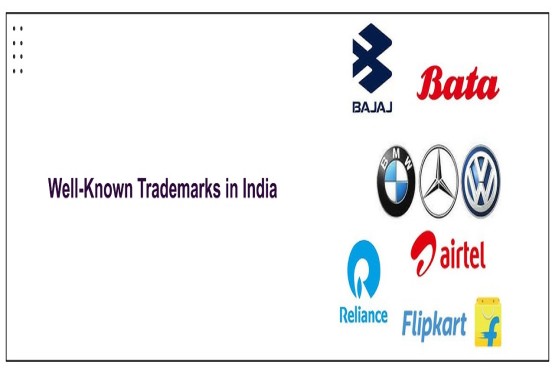
Section 11(2) provides protection of well known trademarks under section 2(1)(zg) means a trademark shall not be registered if it is identical to an earlier well known mark. Use of the later mark would take unfair advantage of or detrimental to the distinctive character or repute of the earlier well- known trademark.
It provides protection across all classes of goods and services and prevents use of similar marks, even by unrelated parties, which helps in getting international recognition.
In the case of HALDIRAM INDIA Pvt. Ltd. V. BERACHAH SALES CORPORATION ; Delhi High court held that “HALDIRAM” was declared a well known trademark, given its legacy and widespread consumer association.
The significance of this case was important decision for Indian origin food brands.
The court formally declared “ HALDIRAM’’ a well known trademark using since pre independence era and massive brand value , goodwill . It acquired distinctiveness through continuous and exclusive use.
The court granted a permanent injunction against the defendants “BERACHAH SALES CORPORATION” from using the name “HALDIRAM BUJHIAWALA” or any deceptively similar variants. Damages of Rs. 50 lakh awarded. The Court directed the registrar of Trademarks to include “ HALDIRAM’’ in the list of well known trademarks under Rule 124 of Trademark Rules, 2017.
The section reflects two principal notions: first, it forbids confusion in section11(1), and second it safeguards well- known trademarks in section11(2).
Judicial Evolution: The Tests That Shape Trademark Law
Indian courts have developed sophisticated analytical frameworks for assessing likelihood of confusion. In the Supreme court’s landmark judgement in the case of “AMRITDHARA PHARMACY V. SATYA DEO GUPTA “ remains a leading precedent in Indian precedent in Indian trademark law. It established the test of imperfect recollection and phonetic similarity.
Amritdhara Pharmacy the appeallant, had a registered trademark for medical preparation. Satyadeo Gupta, the respondent , later applied to register a similar mark “ Laxmandhara” for a similar type of decisions.
Amritdhara objecte, claiming that ‘ Laxmandhara” was deceptively similar would confuse or deceive the public due to phonetic resemblance and similar purpose.
The Supreme court held in favour of Amritdhara Pharmacy, found that both markswere phonetically similar had the same suffix “dhara”. Used for similar medicinal products.
This case established that the test of imperfect recollection and phonetic similarity ,which is useful for trademark opposition and infringement and understanding the” likelihood of confusion” test in India.
The court introduced the “man of reflection intelligence and imperfect recollection” test and at the same time it recognized that consumers get overall impressions and do not compare goods side, by side. This test considers phonetic, visual, and structural similarities from the point of view of common buyers who do not have perfect memory.
In CADILA HEALTHCARE Ltd. V. GUJRAT CO-OPERATIVE FEDERATIONLtd.. The Supreme court elaborated those concepts with an idea to products where even small confusions could be dangerous. While dealing with pharmaceuticals trademarks, the court held that stricter scrutiny should be apply when consumer mistakes can lead to serious harm.
Cadila healthcare Ltd. Used the trademark “ SUGAR FREE “ for its artificial sweetener tablets. Gujrat federation Ltd. Started selling a similar products using the term “SUGARLITE”. Cadila filed a suit for passing off claiming that the word “ SUGARLITE” was deceptively similar product using the term sugarlite. “ sugar” and “ lite” were descriptive or generic term and thus not entitled to protection.
The supreme court observed that a purely descriptive term cannot be monopolized unless the plaintiff proves secondary meaning emphasized that descriptive terms even used for a long time, must be acquire distinctiveness through evidence. The court did not grant exclusive rights to “CADILA” over “SUGAR FREE”.
After this case certain principles has been laid down for passing off as passing off claims based on “descriptive terms” require clear evidence of acquired secondary meaning.
Trademark Dilution
Trademark dilution is a legal doctrine that protects well known trademark from unauthorized use that may weaken their distinctiveness or reputation even without consumer confusion or direct competition. Unlike classic trademark infringement which requires likelihood of confusion. Dilution occurs when a well known trademark is used by another party, and the use tarnishes or blurs the mark’s identity, or the use takes unfair advantages of the mark’s goodwill.
-
Legal Basis in India: Section (29)(4) of Trademark Act,1999 deals specifically with dilution by : Blurring ( loss of distinctiveness) , tarnishing (harm to reputation) and unfair advantage (free- riding on brand value).
-
Conditions Under Section 29(4): Trademark is registered, Mark has reputation in India and it must be use by defendant in without due cause. Use takes unfair advantage or is detrimental to the distinctive character or repute of the trademark.
-
Trademark Squatting : Trademark squatting under the section 11 of Trade Mark Act,1999 refers to the unauthorized registration of a well known trademark or foreign trademark by someone other than the rightful owner, typically – without any intention to use the mark genuinely and with the intent to sell it, block the legitimate owner, or exploits its reputation.
Example:- If a local person in India register the mark “SEPHORA ”or “BEAUTY OF JOSEON” , before the actual brand enters the Indian market without authorization and it is trademark squatting.
They might sell it back to the original owner for profit , or, block the genuine brands entry, and deceive consumers by misuse the reputation. Indian law protect under Trademark Act, 1999 under section 11(10)(11) provides registrar must consider if the applicant filed the mark in bad faith. Section 57 provides that any aggrieved party ( like a global brand) can seek cancellation or ractification of such mark.
In the case of “INDIAN HOTELS CO. LTD. V. GAURAV ROY BHATT” Delhi High Court held that whether the mark “TAJ” should be declared well known mark under section 11(6) and section 11(7) of Trademark Act,1999. Plaintiff operates globally renowed Taj Hotels in use since 1903.
Defendant used “TAJ” in relation to hotel service and domain names. The court finds that the “TAJ” acquired nationwide and trans- border reputation. Defendant use was likely to confuse the consumers and dilute the brand. Defendant was restrained from using “TAJ” or deceptively similar marks in hospitality.
Intent To Use Trademark
In India, “ intent to use” is a recognized basis for traditional application. It allows businesses to apply for registered even before actual use, provided that they intent to use the mark in the future.
In the case of “ CORN PRODUCTS REFINING CO. V. SHANGRILA FOOD PRODUCTS LTD. The supreme court held that corn products was using th trademark “ GLUCOVITA” for its glucose based energy food products.
SHANGRILA applied for the registration of the mark “glucovita” for biscuits and similar food items. Corn products was opposed the application, alleging deceptive similarity and potential confusion among the consumers .
Supreme court rulings on 3 principles
-
Likelihood of Confusion: THE TERM “ GLUVITA” is deceptively similar to “ GLUCOVITA” which is similar in nature and of same class.
-
Test of Deceptive Similarity : the impression left on the consumer’s mind is the key phonetic similarity.
-
Purpose and Nature of Goods : both products “GLUVITA” and “GLUCOVITA” are nutritional an health related products .
In the BUKHARA CASE where the name of a globally reputed fine- dining restaurant opened by ITC ltd. In New Delhi since 1978 known for it rustic North- west frontier cuisine. “ BUKHARA” is a well known TM in India. Thus, BUKHARA qualifies as well known trademark in India even without regidtration due to its distinctive reputation and association with ITC .
Trademark Status in India
“ BUKHARA” is now a registered trademark under various classes by ITC. It is protected under well known mark doctrine even before formal registration based on prior use and goodwill.
Trademark for Brand Owners
If you run a business with a famous brand in India, you can seek well- known mark status under rule 124. Always register trademarks in every country you operate in and use your brand actively to avoid abandonment under foreign laws.
In the case of G.D PHARMACEUTICALS Pvt. Ltd. V. CENTO PRODUCTS ; declared a well known trademark “BOROLINE” declared a well known trademark under section 11 of of Trademark Act, 1999 . Delhi High court directed its inclusion in the registrar official list of well known marks.
Conclusion
Trademarks rights are given to the brand owner to protect their brand identity to distinguish their goods or services. Under the Trade Mark Act, 1999 . The administration of such protection under the Act is done by the controller general of patents, designs and trademarks. The Trademark law deals with the rights of the holder of the trademark, penalties for infringement, remedies for the damaged as well as modes of transference of the trademark.
There are several cases related to the trademark objections under section 11 involves marks earlier to existing marks, protection of well known trademarks and likelihood of confusion among the consumers.


_(b)_of_the_Trademark_Act,_1999_(1)_crop10_thumb.jpg)


_crop10_thumb.jpg)


_crop10_thumb.jpg)
_crop10_thumb.jpg)


_crop10_thumb.jpg)


_crop10_thumb.jpg)


_crop10_thumb.jpg)


_crop10_thumb.jpg)


_crop10_thumb.jpg)


_crop10_thumb.jpg)


_crop10_thumb.jpg)


_crop10_thumb.jpg)


_crop10_thumb.jpg)








_crop10_thumb.jpg)




































































_crop10_thumb.jpeg)


























































_crop10_thumb.jpg)
