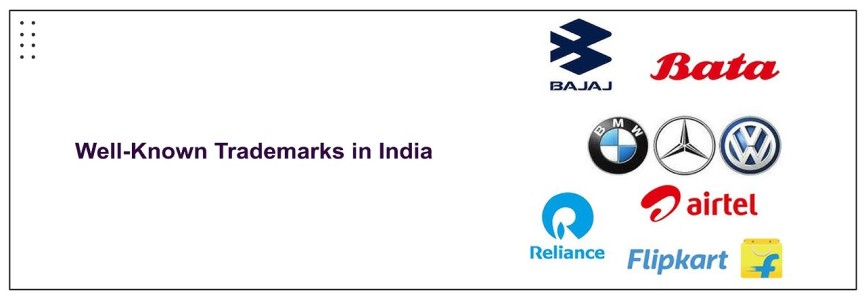



Today in the globalized and digitalized world, a trademark is no longer merely a unique name or logo or sign but a valuable asset of a company representing its reputation, goodwill, and customer confidence. Much effort and resources are invested by businesses to build a brand that allows customers to identify a trademark as related to certain quality and source of goods or services. The globalization process increases the vulnerability of famous brands to imitations, counterfeiting, and other exploitation activities by third parties who seek to reap profits from the established good will.
Trademark law provides for greater protection of trademarks with high recognition in society. These trademarks are defined as well-known trademark, a special category of trademarks, which are provided with protection going beyond the registration of goods or services in question. While common trademarks are protected only within the limits of the corresponding class of goods or services, well-known trademarks are protected against any use in other classes, likely to cause association of the mark in question.
In India, the legislation that protects well known trademarks includes the Trade Marks Act, 1999, as well as the Trade Marks Rules, 2017. Both the Act and the Rules serve as substantive and procedural measures in the protection of reputable trademarks. The idea of a well-known trademark has grown in significance in India, as companies increasingly try to acquire legal recognition for their trademarks.
What are Well-Known Trademarks?
A well-known trademark is defined as a mark which is known to a large number of publics for goods/services to such extent that the usage of an identical or similar mark would create confusion or establish an impression of business connection with the owner of the prior famous trademark. The notion of the famous mark is codified under the section 2(1)(zg) of the Trademark Act, 1999 in India giving special status and exclusive rights to such famous marks.
The protection afforded to a well-known trademark is not confined to the goods or services to which the mark is registered, unlike the protection of a regular trademark. In addition to consumer confusion avoidance and prevention of any unfair benefitting from the reputation of the established brand, the purpose of this extended protection is to ensure the distinctiveness of the trademark.
However, when assessing the status of a trademark as a well-known one, the Registrar and the courts consider the following factors according to Section 11 of the Act:
-
Public Awareness and Recognition: To what extent the trademark is known to the relevant public and is associated with a particular source of goods or services.
-
Duration, Scope, and Extent of Geographical Areas: The period during which the trademark is in use and the scale of commercial use, as well as the geographical scope of the areas where the trademark is known.
-
Advertising and Promotion: The methods, extent and scale of advertising, promotion, marketing campaigns conducted to promote the trademark.
-
Legal Protection of the Trademark: The protection of the trademark based on its registration, enforcement actions, judicial and administrative recognition.
All the above factors work together to enable the Registrar or the court to determine if the trademark in question has acquired sufficient reputation to qualify for a well-known trademark status and protection.
Legislative for Well-Known Trademarks
The legal oversight for differentiating well-known trademarks in India comes under the regulation of the Trade Marks Act of 1999 and the Trade Marks Rules of 1997. These acts have described and defined the wide array of meanings of well-known trademarks by providing the criteria for determining them as well as streamlining the process of acquiring well-known trademark status.
The laws of the country have also kept in mind the needs of international conventions regarding the protection of trademarks in the specific context of the Paris Convention and the Agreement on Trade-Related Aspects of Intellectual Property Rights (TRIPS), which deems it mandatory for signatory countries to provide a higher level of protection to well-known trademarks.
Section 2(1)(zg): Well-Known Trademark
The legal framework governing well- known trademarks is found in Section 2(1)(zg) of the Trade Marks Act which defines a well-known trademark as a trademark that has become known to a large section of the public dealing in relevant goods or services within the country whose usage of a similar or identical trademark with respect to goods or services in question would cause confusion with respect to these goods or services under a certain trademark. The focus here is given to the position of the trademark among public and not to registration of such trademark.
Section 11
The law pertaining to well-known trademarks has been laid down under Section 11 of the Trade Marks Act, 1999. Clause 11(2) provides that the Registrar shall be empowered not to register the trademark if the use of the trademark takes unfair advantage or creates prejudice due to the distinctiveness or the reputation of any well-known trademark already existing even though the goods or services may not be similar.
Additionally, Sections 11(6) and 11(7) lay down the test which is to be applied for determining the status of the mark being well-known and Section 11(8) further provides that the previous determination made by the court or Registrar of Trade Marks has to be taken into consideration. Importantly, Section 11(9) states that it is not necessary for the mark to have been used, registered or applied for registration in India to declare the mark as well-known.
Rule 124 of the Trade Marks Rules, 2017
The procedure provided under Rule 124 has provided an important step towards facilitating the process by allowing proprietors of trademarks to approach the Registrar with a direct request to declare their trademarks as well-known. The proprietor of a trademark can file an application by filling out Form TM-M along with the necessary fee and documentary evidence, and without going through the judicial process of declaring the mark as well-known. Once satisfied that all legal requirements have been met, the Registrar may put the trademark on the list of well-known trademarks kept by the Trade Marks Registry.
Benefits of Well-Known Status
Being known as a well-known trademark confers greater rights to the mark compared to that accorded to a regular registered trademark. Some benefits of being a well-known trademark include:
-
Protection Over All Categories of Goods and Services: A well-known trademark enjoys protection even with respect to unrelated products or services, unlike regular trademarks which are only protected within the classes under which they have been registered. This ensures that there can be no other trademark with identical or deceptively similar marks.
-
Protection Against Trademark Dilution and Unfair Use: Protection as a well-known trademark ensures that the distinctiveness and reputation of a trademark cannot be diluted or misused by anyone without their authorization.
-
Strengthening Enforcement against Infringement: It will help strengthen the position of the proprietor in infringement and passing off cases while allowing the Registrar of trademarks to reject any applications for registrations made in bad faith.
-
Commercial Advantages: Recognition as a well-known trademark adds immense commercial value to the trademark in terms of licensing, franchising, and investments.
Process of Recognition Under Rule 124
Rule 124 (of Trade Marks Rules, 2017) describes the administrative process of recognition of a trade mark as a well-known trade mark. The recognition process involves the following steps:
-
Filing of Application: The trade mark holder must file an application with the Registrar of Trade Marks in Form TM-M along with the prescribed fee for obtaining recognition of the trade mark as a well-known trade mark.
-
Submission of Evidence: The owner must provide a statement of the case and produce evidence showing compliance with the requirements of Section 11 of the Act. Such evidence typically consists of sales data, duration of the use, expenditures on advertisements, a number of registrations of the mark and court cases connected to the mark, etc.
-
Duty of Registrar: The Registrar must examine the application based on the relevant criteria set by Section 11, including public perception, coverage, promotional activities and enforcement of trade mark.
-
Objections: If needed, the Registrar can call for objections from the public before proceeding with the case.
-
Recognition and Publication: In case the Registrar is satisfied regarding its being a well-known trademark, then the trademark would be recorded in the official list of well-known trademarks and will be awarded enhanced protection under the Trade Marks Act.
Recent Developments in Trademark Registry
The Trade Marks Registry has undertaken some notable efforts in enhancing the protection provided for reputed trademarks through the updating of the list of well-known trademarks maintained under Rule 124 of the Trade Marks Rules, 2017. Such an effort has been made by the Registry in continuing to recognize brands that possess a good reputation and consumer goodwill.
Recently, in a public notice published under Rule 124(4), the Registry recommended some reputed national and international trademarks for their inclusion in the official list of well-known trademarks. Some of the recommended marks include BOAT, Adidas, Netflix (Word Mark in Black & White), Netflix (Word Mark in Colour), the Netflix 'N' Logo, YouTube, IFFCO, UNIQLO, and SULA. As per the process, objections from the public have been solicited for inclusion of such marks in the list.
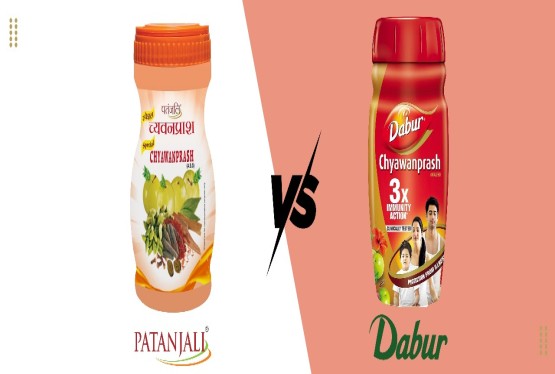
Besides these additions to the Registry, the Registry also informed about the addition of four trademarks- AMBUJA, DABUR, MARRIOTT, and SOCIAL which will henceforth be considered well-known trademarks under Rule 124(5). This means that these trademarks will be enjoying increased statutory protection from the registration or use of any marks that are identical or deceptively similar marks even for unrelated goods or services.
From the above developments, it is evident how important the designation of well-known trademarks is becoming in India. The inclusion of trademarks from industries like hospitality, consumer products, internet platforms, fashion, manufacturing, and lifestyle shows the variety of businesses that require increased trademark protection. More importantly, the continual addition to the list will create more certainty during the examination process and will act as an inhibitor to bad faith registration practices.
Recent Judicial Interpretation
Courts in India have been instrumental in defining and providing a robust interpretation to laws in relation to well-known trademarks. Some of the recent cases which need to be highlighted in this regard are listed below.
One such significant development was seen when the Delhi High Court held in The Indian Hotels Company Limited v. Jiva Institute of Vedic Science & Culture that 'TAJ' was a well-known trademark. The Court considered various factors regarding the mark in order to ascertain its status as well-known, including its usage since decades, widespread fame amongst consumers, presence in India as well as abroad, heavy promotions conducted by the mark owner, financial success achieved by the trademark and judicial protection previously received in relation to this trademark. It was established that the 'TAJ' mark has become synonymous with luxury and hospitality and has accumulated huge goodwill due to continuous usage since decades.
Another important case is that of TikTok Limited v. Registrar of Trade Marks decided by the Bombay High Court in the year 2025. This was a case where the petitioners moved the Court against the delay in deciding on their application for declaration of TIKTOK as a well-known trademark. The Court has noticed that there cannot be any indefensible delay in dealing with applications filed under Rule 124 of the Trade Marks Rules and further observed that the Registrar was bound to make the decision upon such applications keeping in mind the considerations mentioned under Section 11 of the Trade Marks Act.
While the Court did not go on to declare TIKTOK as a well-known trademark, this judgment is very important since it makes sure that the process of adjudication of the application is handled in a proper manner.
Challenges and Criticism
Despite the comprehensive statutory structure, there remain certain issues associated with the recognition of famous trademarks.
-
Subjectivity: Whether or not a trademark is well known depends on various criteria provided in Section 11. Absence of any benchmark means that the result of the evaluation may differ according to the amount of the evidence available and the body conducting the process.
-
High Burden of Proof and Fees: The applicants need to provide extensive documentation to prove their reputation and pay the official government fees. This may act as a deterrent for SMEs to get recognized despite having high reputation.
-
Overprotection: Because the recognition of well-known trademarks extends to all other products and services, it might be used improperly to stifle commercial activities using similar marks.
-
Administrative Delays: Although there is an administrative provision in Rule 124, delays in deciding on the applications have led to the ineffectiveness of the system.
Conclusion
Well-known trademarks constitute one of the most powerful forms of trademark protection offered by the laws of India. The legal concept of well-known trademarks provides protection for the goodwill and reputation generated by companies over the years, as well as goes beyond the traditional concept of protection in cases where there is similarity in goods or services. The statutory regime provided for in the Trade Marks Act, 1999 and the process followed through the introduction of Rule 124 of the Trade Marks Rules, 2017, have greatly increased the protection of reputed trademarks in India.
The recent developments in the Trade Marks Registry of India along with the judgments of The Indian Hotels Company Limited v. Jiva Institute of Vedic Science & Culture and TikTok Limited v. Registrar of Trade Marks reflect the development of trademark law in India. Despite some procedural issues, the protection offered to well-known trademarks is growing in India, which shows that the country recognizes the need to protect brand reputation, prevent unfair competition, and build consumer confidence.


_(b)_of_the_Trademark_Act,_1999_(1)_crop10_thumb.jpg)


_crop10_thumb.jpg)


_crop10_thumb.jpg)
_crop10_thumb.jpg)


_crop10_thumb.jpg)


_crop10_thumb.jpg)


_crop10_thumb.jpg)


_crop10_thumb.jpg)


_crop10_thumb.jpg)


_crop10_thumb.jpg)


_crop10_thumb.jpg)


_crop10_thumb.jpg)


_crop10_thumb.jpg)









_crop10_thumb.jpg)



























































_crop10_thumb.jpeg)


















































_crop10_thumb.jpg)