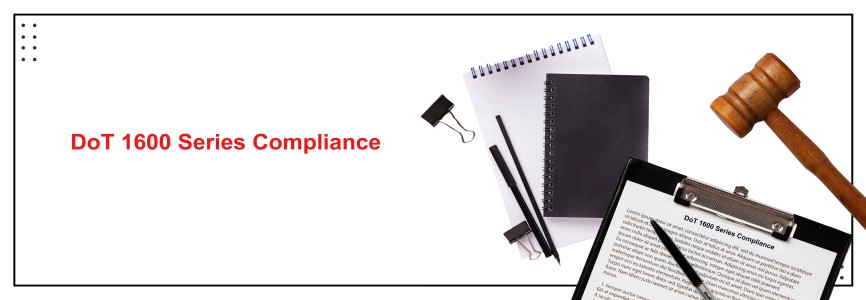



The rapid rise in spam calls, financial fraud, phishing attempts, and caller impersonation has severely undermined public confidence in telephonic communications, especially within the Banking, Financial Services, and Insurance (BFSI) sector. Customers often find it difficult to differentiate between legitimate calls from banks or insurance companies and fraudulent calls made using ordinary 10-digit mobile numbers. This confusion has led to increased financial losses and hesitation among customers in responding to genuine service calls. Recognising the seriousness of this issue, the Department of Telecommunications (DoT), in coordination with the Telecom Regulatory Authority of India (TRAI), has mandated the exclusive use of 1600 series numbers for all service and transactional voice calls made by BFSI entities as part of India’s evolving BFSI telecom regulation framework.
This mandate goes beyond a routine procedural change and reflects a systemic regulatory reform focused on call authentication and telecom fraud prevention in India. By creating a distinct and easily identifiable calling series for BFSI communications, the framework strengthens consumer protection, improves traceability of official calls, and significantly reduces the scope for telecom-based fraud and misuse.
Regulatory Background and Legal Basis
The DoT has officially earmarked the 1600 number series exclusively for government bodies and BFSI sector entities for making service-related and transactional voice calls. Despite earlier advisories, many regulated entities continued using standard 10-digit mobile numbers or call masking practices, creating loopholes that fraudsters exploited.
Recognising the persistent misuse, TRAI issued a Direction dated 16 December 2025, commonly referred to as the TRAI Directive 2025, operationalising a strict compliance framework, especially for IRDAI-regulated insurance entities. This Direction mandates a complete migration to the 1600 series and establishes accountability mechanisms involving telecom access providers.
The directive draws authority from:
-
Telecom regulatory powers under the Telecom Regulatory Authority of India Act
-
Sectoral oversight obligations applicable to BFSI entities
-
Consumer protection objectives embedded in telecom and financial regulations
Applicability and Scope of the Mandate
The DoT and TRAI mandate on the exclusive use of 1600 series numbers for BFSI communications has a wide and mandatory scope. The following points explain its applicability in detail:
BFSI Entities Covered under the Mandate
The mandate applies to all entities operating within the BFSI sector, without exception. This includes insurance companies regulated by IRDAI, banks, NBFCs, and other regulated financial institutions. The requirement also extends to third-party service providers, such as call centres and vendors, undertaking 1600 number registration and calling customers on behalf of BFSI entities. Regulatory responsibility remains with the principal BFSI entity.
Coverage of Service and Transactional Voice Calls
The requirement applies to service and transactional voice calls, including policy servicing, renewals, claims processing, KYC verification, account updates, and transaction confirmations. These communications involve sensitive financial data, making regulated call authentication mandatory.
Mandatory Compliance Regardless of Customer Consent
Even where customer consent exists, BFSI entities cannot make service or transactional calls from regular mobile numbers after the deadline. Compliance with the 1600 series mandate is compulsory under BFSI telecom regulation and cannot be contractually waived.
Due Dates for 1600-Series Numbers (BFSI)
| Regulatory Authority | Entity Category | Deadline for 1600 Series Adoption |
|---|---|---|
| RBI | Scheduled Commercial Banks | 1 January 2026 |
| RBI | Large NBFCs, Payments Banks, Small Finance Banks | 1 February 2026 |
| RBI | Other NBFCs, Co-operative Banks, Regional Rural Banks (RRBs) | 1 March 2026 |
| SEBI | Mutual Funds & Asset Management Companies (AMCs) | 15 February 2026 |
| SEBI | Qualified Stockbrokers (QSBs) | 15 March 2026 |
| SEBI | Other SEBI-registered intermediaries | Voluntary (post verification) |
| PFRDA | Pension Fund Managers & Central Recordkeeping Agencies | 15 February 2026 |
| IRDAI | Insurance companies & intermediaries | To be notified |
Mandatory Compliance Timeline
The DoT–TRAI mandate clearly specifies a strict and time-bound compliance deadline for BFSI entities. All banks, insurance companies, NBFCs, and other BFSI participants are required to complete their migration to 1600 series numbers on or before 15 February 2026. This timeline applies uniformly across the sector and leaves no scope for extensions or phased relaxation.
Post 15 February 2026, the regulatory consequences become significant. Any service or transactional voice call made using a regular 10-digit mobile number, virtual number, or masked caller ID will be treated as unauthorized communication. Such calls may attract consumer complaints, which telecom authorities can classify as violations under applicable telecom regulations.
Further, BFSI entities making non-compliant calls may face enforcement action similar to that imposed on unregistered telemarketers, including call blocking, penalties, or regulatory scrutiny. Given these implications, the deadline is non-negotiable, requiring immediate internal planning, coordination with telecom access providers, system upgrades, and vendor alignment to ensure timely and complete compliance.
Key Compliance Obligations for BFSI Entities
The DoT–TRAI mandate places clear and enforceable compliance obligations on all BFSI entities. These obligations are not limited to internal operations but extend to outsourced and third-party activities as well.
Mandatory Migration to 1600 Series
BFSI entities are required to ensure that all official service and transactional voice calls originate exclusively from registered 1600 series numbers. These numbers must be formally allocated and activated through authorised telecom access providers. Calls made from any other number series for covered communications will be treated as non-compliant.
Prohibition on Ordinary Mobile Numbers
With effect from 15 February 2026, the use of ordinary 10-digit mobile numbers, virtual numbers, or masked caller IDs for customer-facing service calls is strictly prohibited. This applies even if such numbers were previously used for legitimate purposes or approved internally, making a complete transition mandatory.
Accountability for Third-Party Callers
Where call centres, vendors, or outsourcing partners are engaged, the regulatory responsibility remains with the principal BFSI entity. All third-party callers must also use the 1600 series, and BFSI entities must actively monitor and enforce compliance across their vendor ecosystem.
Regulatory Consequences for Non-Compliance
Failure to comply may result in customer complaints being escalated to TRAI, classification of calls as unauthorised commercial communication, imposition of penalties, service restrictions by telecom authorities, and adverse regulatory observations or action by sectoral regulators such as IRDAI or RBI.
Role and Obligations of Telecom Access Providers
Telecom access providers are central to the successful implementation of the 1600 series mandate and act as key enablers between regulators and BFSI entities. Their responsibilities extend beyond technical support and include active compliance facilitation.
Regulatory Communication and Awareness
Telecom service providers are required to inform all principal BFSI entities about the mandatory requirement to use 1600 series numbers for service and transactional calls. This ensures timely awareness of regulatory obligations, deadlines, and compliance expectations across the BFSI sector.
Allocation and Onboarding of 1600 Series Numbers
Access providers must facilitate the allocation of 1600 series numbers to eligible BFSI entities. This includes verifying eligibility, completing onboarding formalities, provisioning numbers, and registering them for authorised use.
Technical Migration and System Integration
Telecom providers are responsible for supporting the technical migration of existing call infrastructure to the 1600 series. This involves system configuration, integration with call centres and CRM platforms, and ensuring minimal disruption to customer communications.
Ensuring Seamless Adoption and Operational Continuity
Beyond migration, telecom access providers must enable smooth and uninterrupted adoption of the 1600 series by resolving technical issues, supporting third-party vendors, and maintaining service quality throughout the transition.
Periodic Compliance Reporting to TRAI
To strengthen regulatory oversight, telecom service providers are required to submit compliance and progress reports to TRAI every 15 days. This reporting mechanism creates transparency and supports a shared compliance ecosystem involving regulators, telecom providers, and BFSI entities.
Objectives and Policy Rationale
The introduction of the 1600 series mandate is driven by clear policy objectives aimed at strengthening consumer protection and improving the integrity of telecom communications in the BFSI sector.
Curbing Fraud and Scam Calls
By restricting all BFSI service and transactional calls to a controlled and exclusive number series, the opportunity for fraudsters to impersonate banks, insurers, or financial institutions is significantly reduced. Scam callers often rely on ordinary mobile numbers to appear legitimate, and limiting official communications to the 1600 series closes this loophole and enhances call authenticity.
Enhancing Consumer Trust and Recognition
The use of a distinct 1600 prefix allows customers to easily recognise genuine calls from BFSI entities. Over time, this prefix becomes a trusted identifier, improving customer response rates to legitimate calls while reducing anxiety and hesitation caused by fear of fraud or phishing attempts.
Strengthening Regulatory Monitoring and Enforcement
A dedicated number series enables regulators to track, monitor, and investigate violations more effectively. It simplifies the identification of unauthorised calls, supports quicker complaint resolution, and strengthens enforcement action, thereby improving overall regulatory accountability within the BFSI communication ecosystem.
Impact on BFSI and Insurance Sector Operations
The implementation of the 1600 series mandate has direct operational implications for BFSI and insurance sector entities, requiring both technical and organisational adjustments.
-
Reconfiguration of Call Centre Infrastructure: BFSI entities must reconfigure their call centre setups to ensure that all service and transactional calls originate exclusively from registered 1600 series numbers. This may involve changes to dialing systems, routing mechanisms, and call authentication processes.
-
Updates to CRM and Telephony Systems: Customer Relationship Management (CRM) platforms and telephony systems must be updated to integrate the new number series. This ensures accurate call tracking, recording, reporting, and seamless customer interaction without service disruption.
-
Training of Customer Service Teams: Customer-facing teams must be trained on the new calling framework, including how to explain the 1600 series to customers and handle queries related to call authenticity and fraud prevention.
-
Coordination with Telecom Providers and Vendors: Effective implementation requires close coordination with telecom access providers and third-party vendors to manage onboarding, technical migration, and ongoing support.
-
Customer Communication and Awareness: BFSI entities must proactively communicate the change to customers to build awareness and trust, helping them recognise genuine calls.
Although these changes may involve short-term operational adjustments, they significantly enhance long-term governance, regulatory compliance, and customer confidence in BFSI communications.
Conclusion
The DoT’s mandate requiring the exclusive use of 1600 series numbers for BFSI service and transactional calls marks a significant compliance reform in India’s telecom and financial regulatory framework and strengthens the overall BFSI telecom regulation landscape. With a firm deadline of 15 February 2026, BFSI entities must take proactive steps to migrate their calling infrastructure, reconfigure internal systems, and ensure that all third-party vendors and call centres are fully aligned with the new requirement. Timely planning and execution are essential, as non-compliance can result in regulatory action, service restrictions, and reputational damage.
Beyond regulatory adherence, the adoption of the 1600 series delivers long-term strategic benefits under evolving BFSI telecom regulation norms. It strengthens brand credibility, enables customers to easily identify genuine service calls, and significantly reduces the risk of fraud and impersonation. In an environment where digital scams are rapidly increasing, this mandate goes beyond procedural compliance and represents a decisive move toward safer, more transparent, and accountable financial communication, reinforcing trust between BFSI entities and the consumers they serve.
Frequently Asked Questions
Q1. What is the DoT–TRAI 1600 series mandate for BFSI?
Ans. The DoT–TRAI mandate requires BFSI entities to use only 1600 series numbers for service and transactional voice calls. The objective is to curb fraud, spam, spoofing, and impersonation by enabling customers to easily identify genuine calls from regulated financial institutions.
Q2. Who will be covered under this mandate?
Ans. The mandate applies to the entire BFSI ecosystem, including IRDAI-regulated insurance companies, banks, NBFCs, and other financial institutions. It also covers third-party call centres and vendors making calls on behalf of BFSI entities, with compliance responsibility remaining with the principal regulated entity.
Q3. What types of calls are covered under “service and transactional” calls?
Ans. Service and transactional calls include communications related to policy servicing, renewals, claims updates, KYC verification, account or policy information, and transaction confirmations. These calls involve existing customers and relate directly to financial services, contractual obligations, or regulatory compliance requirements.
Q4. Are promotional or marketing calls also required to use 1600 series numbers?
Ans. The mandate primarily applies to service and transactional calls. Promotional or marketing calls are governed by separate telecom marketing regulations. However, BFSI entities must ensure proper classification and avoid mixing promotional calls with service calls to prevent regulatory violations.
Q5. What is the deadline for compliance?
Ans. All BFSI entities must complete migration to 1600 series numbers by 15 February 2026. After this date, any service or transactional call made from a non-1600 number may be treated as unauthorised and subject to regulatory action.
Q6. What happens if a BFSI entity continues using normal 10-digit numbers after the deadline?
Ans. Calls made from regular mobile numbers after the deadline may be classified as unauthorised communication. Complaints can be escalated to TRAI, and entities may face penalties, call restrictions, or actions similar to those imposed on unregistered telemarketers.
Q7. Does customer consent allow calls from regular mobile numbers after 15 February 2026?
Ans. No. The mandate is mandatory and overrides customer consent. Even if a customer agrees to receive calls from a regular mobile number, service and transactional calls must originate only from registered 1600 series numbers after the deadline.
Q8. Can BFSI employees call customers from their personal mobile numbers for service purposes?
Ans. For service and transactional communications, BFSI employees should not use personal or standard mobile numbers. Entities are expected to transition to controlled, auditable calling systems using the 1600 series, ensuring traceability, compliance, and consumer protection.
Q9. What are the responsibilities of telecom access providers in this mandate?
Ans. Telecom access providers must inform BFSI entities of the mandate, allocate and onboard 1600 series numbers, support technical migration and system integration, and submit compliance and progress reports to TRAI every 15 days.
Q10. What operational changes will BFSI entities need to make?
Ans. BFSI entities must reconfigure call centre infrastructure, update CRM and telephony systems, migrate vendor calling setups, train customer service teams, and communicate changes to customers. These steps ensure compliance, continuity of service, and improved customer trust.


_crop10_thumb.jpg)





_crop10_thumb.jpg)
_crop10_thumb.jpg)


_crop10_thumb.jpg)


_crop10_thumb.jpg)


_crop10_thumb.jpg)

_crop10_thumb.jpg)


-suratgujarat-section-158_crop10_thumb.jpg)
-suratgujarat_crop10_thumb.jpg)
-(33)_crop10_thumb.jpg)


-ahmedabad_crop10_thumb.jpg)
-learn_crop10_thumb.jpg)

-learnn_crop10_thumb.jpg)


_crop10_thumb.jpg)






_Guidelines_learn_crop10_thumb.jpg)


_learn_crop10_thumb.jpg)
_crop10_thumb.jpeg)


_crop10_thumb.jpg)


_Second_Amendment_Rules,_2025_learn_crop10_thumb.jpg)


_learn_crop10_thumb.jpg)











_learn_crop10_thumb.jpeg)










_learn_crop10_thumb.jpg)

_rd_roc_learn_crop10_thumb.jpg)









_learn_crop10_thumb.jpg)






_learn_crop10_thumb.jpg)
_Learn_crop10_thumb.jpg)






















_learn_crop10_thumb.jpg)




_learn_crop10_thumb.jpg)









_crop10_thumb.jpeg)








_crop10_thumb.jpg)





_crop10_thumb.jpg)