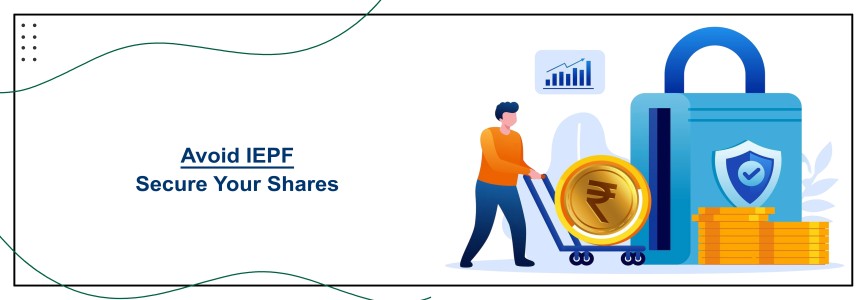



The Companies Act, 2013 places strong emphasis on investor protection and financial transparency. One of its key mechanisms for safeguarding shareholder interests is the Investor Education and Protection Fund (IEPF). As per the law, any dividend that remains unclaimed for seven consecutive years, along with the corresponding shares, must be transferred to the IEPF. While the IEPF ensures investor money is not permanently lost, shareholders can avoid unnecessary transfer of their holdings by taking simple preventive steps primarily keeping their information updated and claiming their dividends regularly.
Why Are Dividends Transferred to the IEPF?
The transfer of unclaimed dividends and shares to the Investor Education and Protection Fund (IEPF) is a statutory requirement designed to safeguard investor interests and prevent the accumulation of dormant or untraceable funds within companies.
Under Section 124 of the Companies Act, 2013, along with the IEPF Authority (Accounting, Audit, Transfer and Refund) Rules, 2016, every company listed or unlisted is required to monitor dividend payouts and identify amounts that remain unclaimed or unpaid. If a shareholder does not claim their dividend for a continuous period of seven years, the law presumes that the investor is either untraceable or inactive. To ensure that such money does not remain idle indefinitely, both the unclaimed dividend amount and the corresponding shares are transferred to the IEPF.
How Shareholders Can Avoid IEPF Transfer
Proactive management of investments can ensure uninterrupted access to dividends and prevent transfer of shares. Investors should:
-
Claim dividends regularly
-
Update bank account details and KYC information on time
-
Keep email ID, mobile number, and address updated with the company and depositories
-
Ensure Demat accounts remain active
-
Track dividend payouts and corporate announcements periodically
These basic steps help prevent lapses and safeguard ownership of shares.
How Investors Can Check & Claim Unclaimed Amounts
To assist investors, companies and the IEPF Authority provide simple online search tools:
-
Through Company Website: Most companies host a section titled “Unclaimed/Unpaid Dividend” under their Investor Relations page.
-
Through IEPF Portal: Investors can check unclaimed dividends and transferred shares on the official IEPF website: http://www.iepf.gov.in/
-
Filing Claim Through Form IEPF-5:If a shareholder finds that their dividends or shares have been transferred to IEPF, they can reclaim them by filing Form IEPF-5 along with supporting documents.
Common Reasons Why Dividends Remain Unclaimed
Unclaimed dividends often arise from simple oversights or administrative gaps. Some common reasons include:
-
Change in residential address without notifying the company
-
Non-updated bank account details, leading to failed electronic transfers
-
Expiry of physical dividend warrants or cheques
-
Inactive, closed, or frozen Demat accounts
-
Mismatch in the shareholder’s name due to spelling errors or documentation differences
-
Pending legal issues such as inheritance, succession, or transmission
-
Failure to track old investments
-
Non-registration of email ID or mobile number, causing missed notifications
-
Death of the shareholder without proper transmission initiated by legal heirs
Tracking investments and keeping records updated significantly reduces the risk of losing dividends or shares.
Documents Required for Filing an IEPF Claim
To recover dividends and shares from IEPF, shareholders must submit the following documents:
-
Form IEPF-5 (filled as per instructions)
-
Identity documents: Aadhar card, PAN card
-
Cancelled cheque with the claimant’s name
-
Client Master List (CML) from the Depository Participant
-
Entitlement documents: share certificates, dividend warrants, entitlement letter
-
Form ISR-2 for bank verification
-
Affidavit and Indemnity Bond as required
-
For deceased shareholders: death certificate, succession certificate, legal heir certificate, and NOC from other legal heirs (if applicable)
Providing accurate documents ensures smooth verification and timely refund.
Process to File Form IEPF-5
Step 1: Check Your Unclaimed Dividend or Share Status
You can check the status through:
Option 1: Check the Investor Relations Page of the company : Under the “Unclaimekd Dividends” section.
Option 2: IEPF Website: Enter your Folio Number or DP ID / Client ID to view if any amount or shares have been transferred to the IEPF.
This is the first and most important step as it confirms the amount and the status of the shares.
Step 2: Contact RTA
Contact the Registrar & Share Transfer Agent (RTA) of the company for the confirmation of the shares.
You must request from the company
-
Entitlement Letter confirming:
-
Number of shares transferred to IEPF
-
Unclaimed dividend amount
-
Verification of your identity as the rightful shareholder
-
Confirmation on required supporting documents
Documents generally required at this stage:
-
PAN & Aadhaar
-
Share details (Folio / DP ID – Client ID)
-
Old dividend warrants (if available)
-
Proof of address
-
Contact details
Once the Registrar verifies the details, they issue the Entitlement Letter, which is mandatory for further filing.
Step 3: File IEPF Form-5 on MCA Website
Visit the Ministry of Corporate Affairs (MCA) website → IEPF → Form IEPF-5.
Details to be filled in Form-5:
-
Full name, address, PAN, Aadhaar
-
Details of Company
-
Number of shares claimed
-
Year-wise dividend details
-
Bank account details
-
Demat Account details (DP ID & Client ID)
After online submission:
-
Download IEPF-5 Form
-
Download Acknowledgement with SRN number
Both must be printed, signed, and included in the final document set.
Step 4: Prepare the Document Set for Physical Submission
You must send the following documents by courier/speed post to the Nodal Officer:
Mandatory Documents:
-
Signed IEPF-5 form
-
IEPF SRN Acknowledgement
-
Indemnity Bond (on non-judicial stamp paper as per IEPF rules)
-
Advance Stamped Receipt (signed by applicant & witnesses)
-
Entitlement Letter from RTA
-
Self-attested PAN & Aadhaar copies
-
Cancelled cheque
-
Client Master List (CML) issued by your DP
-
Original share certificates (if shares were held in physical form)
If Applicant is a Legal Heir/Successor:
-
Death certificate of original shareholder
-
Legal heir certificate / succession certificate / probate / registered will
-
NOCs from all other legal heirs
-
ID/address proof of all heirs
Legal heir cases generally require more verification and may take extra processing time.
Step 5: Send Documents to Nodal Officer
Send by Speed Post or Courier to: for example,
Nodal Officer – IEPF
Nodal Officer: Appointed nodal officer.
Email ID: - Registered email id of the nodal officer
Address: Registered address of the company’s nodal officer
Ensure that all documents are properly signed and arranged, as incomplete submissions may lead to delays.
Step 6: Verification by Company
After receiving your documents, the company:
-
Matches your details with historical records
-
Confirms authenticity of documents
-
Ensures all requirements of IEPF Authority are fulfilled
Once completed, company prepares the Verification Report and sends it to the IEPF Authority generally within 30 days.
Step 7: IEPF Authority Approval
The IEPF Authority reviews the verification report and documents. If everything is correct:
-
Shares are credited directly to your Demat account
-
Unclaimed dividends are deposited into your bank account
The process may take several weeks or even a few months depending on the complexity of the claim, especially in legal heir cases.
How Compliance Calendar LLP Helps Investors
Reclaiming unclaimed dividends or shares from the IEPF involves multiple steps, documentation, and coordination with both the company and the IEPF Authority. Compliance Calendar LLP simplifies the entire process through:
-
Expert assistance in preparing and filing Form IEPF-5
-
Accurate documentation, affidavits, and indemnity bonds
-
Coordination with the company’s Nodal Officer
-
Tracking SRN and acknowledgement for timely processing
-
Support in transmission of shares and issuance of duplicate share certificates
-
Ensuring error-free filings and complete end-to-end compliance guidance
With our professional support, shareholders can confidently reclaim their rightful assets, avoid delays, and protect their financial interests.
Summary
The Investor Education and Protection Fund (IEPF) is there to protect shareholders and make sure unclaimed dividends and shares are safely managed. While it keeps your money secure, the best way to avoid your dividends or shares being transferred is to claim them regularly, keep your contact and bank details updated, and monitor your investments.
If your dividends or shares have already been transferred to the IEPF, you can still get them back by filing Form IEPF-5 with the right documents. The process may take some time, but it ensures that you recover your money and shares safely.
Compliance Calendar LLP can help guide you through every step, from filling forms to sending documents and tracking your claim, making the whole process easier and faster.
In short, staying aware and taking timely action is the key to protecting your dividends and shares and keeping your investments secure.
Frequently Asked Questions (FAQs)
Q1. What is the Investor Education and Protection Fund (IEPF)?
Ans. The IEPF is a fund set up by the government to protect shareholders. It keeps unclaimed dividends and shares safe and ensures that investors can claim them later.
Q2. When are dividends transferred to the IEPF?
Ans. If a dividend remains unclaimed for seven consecutive years, the law requires that the dividend amount and the corresponding shares be transferred to the IEPF.
Q3. How can I avoid my dividends or shares being transferred to the IEPF?
Ans. You can prevent this by:
-
Claiming your dividends regularly
-
Keeping your bank account and KYC details updated
-
Ensuring your contact information (email, phone, address) is current
-
Monitoring your investments and Demat account
Q4. How do I check if my dividends or shares have been transferred to the IEPF?
Ans. You can check using:
-
The company’s website under “Unclaimed/Unpaid Dividends”
-
The official IEPF portal: http://www.iepf.gov.in/IEPFA/refund.html
Q5. What should I do if my dividends or shares have already been transferred to the IEPF?
Ans. You can reclaim them by filing Form IEPF-5 with all the required documents. After verification, your dividends will be credited to your bank account, and shares will be transferred to your Demat account.
Q6. What documents are required to file Form IEPF-5?
Ans. Common documents include:
-
Form IEPF-5 (filled correctly)
-
PAN card and Aadhaar card
-
Cancelled cheque
-
Share certificates or entitlement letter
-
Client Master List (CML)
-
Legal documents for deceased shareholders (death certificate, succession certificate, etc.)
Q7. How long does it take to get dividends or shares back from the IEPF?
Ans. The process may take several weeks or a few months, depending on the complexity of the claim, especially in legal heir cases.
Q8. Who can help me with filing IEPF claims?
Ans. Professional firms like Compliance Calendar LLP can guide you through the entire process, including form filling, documentation, submission, and tracking your claim.
Q9. Can legal heirs claim dividends of a deceased shareholder?
Ans. Yes. Legal heirs can file Form IEPF-5 along with the death certificate, succession certificate, and other necessary legal documents to claim dividends and shares.
Q10. Is it possible to avoid the IEPF process entirely?
Ans. Yes. By staying proactive claiming dividends regularly, updating your bank and contact details, and monitoring your shares you can avoid transfers to the IEPF altogether.


_crop10_thumb.jpg)





_crop10_thumb.jpg)
_crop10_thumb.jpg)


_crop10_thumb.jpg)


_crop10_thumb.jpg)


_crop10_thumb.jpg)

_crop10_thumb.jpg)


-suratgujarat-section-158_crop10_thumb.jpg)
-suratgujarat_crop10_thumb.jpg)
-(33)_crop10_thumb.jpg)


-ahmedabad_crop10_thumb.jpg)
-learn_crop10_thumb.jpg)

-learnn_crop10_thumb.jpg)


_crop10_thumb.jpg)







_Guidelines_learn_crop10_thumb.jpg)


_learn_crop10_thumb.jpg)
_crop10_thumb.jpeg)


_crop10_thumb.jpg)


_Second_Amendment_Rules,_2025_learn_crop10_thumb.jpg)


_learn_crop10_thumb.jpg)


















_learn_crop10_thumb.jpeg)


















_learn_crop10_thumb.jpg)

_rd_roc_learn_crop10_thumb.jpg)










_learn_crop10_thumb.jpg)








_learn_crop10_thumb.jpg)
_Learn_crop10_thumb.jpg)




















_learn_crop10_thumb.jpg)



_learn_crop10_thumb.jpg)









_crop10_thumb.jpeg)











_crop10_thumb.jpg)











_crop10_thumb.jpg)