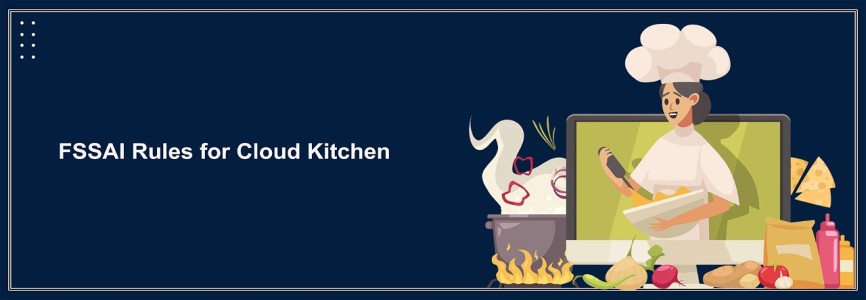



The growth of cloud kitchens, home chefs, tiffin services, home bakeries and online food businesses has transformed the way food is prepared and delivered in India. Even if a business operates without a dine-in facility or prepares food from a residential kitchen, it is still required to comply with the Food Safety and Standards Act, 2006. FSSAI regulates activities such as food preparation, manufacturing, storage, packaging, distribution and sale to ensure that food supplied to consumers is safe and hygienic.
Accordingly, businesses selling through platforms such as Swiggy, Zomato, WhatsApp, Instagram or their own websites must obtain the appropriate FSSAI Registration or Licence based on their turnover, business activity and location. From 1 April 2026, revised turnover limits and the introduction of perpetual validity have changed the licensing. Therefore, cloud kitchens and home food businesses should assess their eligibility under the latest FSSAI rules instead of relying on older licensing thresholds.
Meaning of a Cloud Kitchen
A cloud kitchen is a food business that prepares meals mainly for delivery or takeaway without providing a traditional dine-in facility. It is also known as a ghost kitchen, virtual kitchen, dark kitchen or delivery-only restaurant. Customers usually place orders through food-delivery platforms, websites, mobile apps, social-media channels or phone calls. The food is then prepared at the kitchen premises, packed and delivered directly to the customer. Since the business is engaged in preparing and selling food for human consumption, it comes within the scope of FSSAI regulation.
A single cloud kitchen may also operate multiple virtual brands from the same premises. For example, one kitchen may sell Indian meals, Chinese food and healthy meals under different brand names. Separate FSSAI licences are not automatically required for each brand if the food is prepared from the same licensed premises. However, all relevant food-business activities must be properly covered under the applicable FSSAI Registration or Licence.
Meaning of a Home Food Business
A home food business refers to a commercial food activity carried out from a residential kitchen or other home-based premises. It may include home chefs, tiffin services, home bakeries, cake makers, snack sellers, pickle or chutney manufacturers and individuals selling homemade food through online platforms. A person does not need to operate a large commercial kitchen to come under FSSAI regulation. Once food is prepared, processed, packed, manufactured or sold for commercial purposes, the person may be treated as a Food Business Operator (FBO) and must comply with the applicable FSSAI requirements.
Home-based food businesses should also identify whether they are providing freshly prepared meals or manufacturing packaged food products. A person supplying cooked lunches or tiffins may generally be treated as a food-service operator, while a business producing packaged biscuits, namkeen, sauces, pickles or chocolates may be subject to additional manufacturing, packaging and labelling requirements under the FSSAI.
Is FSSAI Registration Mandatory for Cloud Kitchens?
FSSAI Registration or Licence is mandatory for cloud kitchens because they are engaged in the preparation and sale of food. The absence of seating facilities does not provide an exemption from food-safety regulation. Section 31 of the Food Safety and Standards Act, 2006 provides the basic licensing and registration requirement for food businesses. Accordingly, a cloud kitchen must identify whether it is eligible for Basic Registration, a State Licence or a Central Licence and obtain the appropriate approval before undertaking regulated food-business activities.
The registration or licence should ordinarily correspond to the actual kitchen premises where food is prepared, stored or handled. For example, if a company has its registered office in Delhi but operates its food kitchen from Noida, merely obtaining business registrations for the Delhi office would not cover the Noida food premises. The food-business premises itself must be appropriately registered or licensed.
Is FSSAI Registration Mandatory for Home Food Businesses?
Home chefs and home-based food sellers are also required to comply with FSSAI requirements. A common misconception is that a person preparing food from home does not need FSSAI Registration because the activity is small or conducted from a residential property. This is not correct where food is being sold commercially.
A home chef supplying meals through WhatsApp, Instagram or personal contacts is still engaged in a food business. Similarly, a home baker selling cakes, cookies or desserts for consideration is carrying on a commercial food activity. The level of FSSAI approval required will depend upon the turnover, type of activity and relevant Kind of Business selected on the FoSCoS portal. Smaller businesses may qualify for Registration, while businesses crossing the applicable threshold may require a State or Central Licence.
Revised FSSAI Turnover Limits from 1 April 2026
FSSAI introduced significant changes in the turnover thresholds with effect from 1 April 2026. Under the revised general framework, businesses having annual turnover up to Rs.1.5 crore may fall within the Registration category, businesses having turnover above Rs.1.5 crore and up to Rs.50 crore may generally require a State Licence, while businesses exceeding Rs.50 crore may generally require a Central Licence. The revised limits are particularly important for home kitchens and small cloud kitchens because older information frequently refers to a Rs.12 lakh annual-turnover limit for Basic Registration.
Businesses should therefore evaluate their eligibility according to the revised 2026 rules and the specific Kind of Business applicable to their operations. Turnover is not always the only factor determining the type of licence. Certain businesses may require a Central Licence because of the nature, scale, location or type of activity even if turnover alone would suggest another category. Therefore, the specific FoSCoS eligibility criteria applicable to the relevant food-business activity must also be reviewed.
FSSAI Registration for Small Cloud Kitchens
A small cloud kitchen operating within the prescribed Registration threshold may obtain FSSAI Registration instead of a full State or Central Licence, provided it satisfies the relevant eligibility standards. Registration is designed for comparatively smaller food businesses. Even though the compliance procedure may be simpler than that applicable to licensed businesses, registration does not mean that food-safety standards can be ignored.
A registered cloud kitchen must continue to maintain cleanliness, safe food-storage practices, pest control, proper waste disposal and appropriate personal hygiene among food handlers. Registration therefore gives legal recognition to the business but also creates continuing responsibilities regarding food safety.
State Licence for Cloud Kitchens
A cloud kitchen may require an FSSAI State Licence where its turnover exceeds the applicable Registration threshold but remains within the prescribed State Licence limits. A State Licence involves more detailed compliance than basic registration. The applicant may be required to submit information regarding the premises, food products, equipment, food-safety system and business constitution.
Inspection of the premises may also take place depending upon the type of application and activity. Businesses should carefully monitor turnover as they grow. A home kitchen that initially qualifies for Registration may eventually expand into a larger operation requiring migration to the appropriate licence category.
Central Licence for Large Cloud Kitchens
A Central Licence may become applicable where the business crosses the prescribed turnover threshold or falls into a category for which Central licensing is specifically mandatory. Large cloud-kitchen chains operating across multiple States should pay particular attention to Central licensing requirements. Where an FBO operates in more than one State or Union Territory, the business may be required to obtain a Central Licence for its Head Office in addition to obtaining the appropriate Registration or Licence for each individual food-business premises. The Head Office licence does not replace the licence required for each kitchen. Each operational location should separately be examined according to its turnover and nature of activity.
Perpetual Validity of FSSAI Registration and Licence
Another major change introduced from 1 April 2026 is the concept of perpetual validity for FSSAI Registrations and Licences. Under the earlier system, FBOs generally selected a validity period and periodically renewed their licence or registration. Under the revised framework, registrations and licences issued under the new system continue to remain valid unless they are suspended, cancelled or surrendered.
Perpetual validity should not be misunderstood as permanent permission to operate irrespective of compliance. FSSAI authorities continue to have powers relating to inspection, improvement notices, suspension and cancellation. Businesses are also responsible for updating their registration or licence when material particulars change. A change in premises, constitution, business activities, turnover category or food products may require modification through FoSCoS.
FSSAI Licence is Premises-Based
FSSAI registration and licensing is fundamentally linked to the food-business premises. This means that the licence should correspond to the location where food is manufactured, prepared, stored, packed, distributed or otherwise handled. If a cloud kitchen operates three different kitchens in Delhi, Gurugram and Noida, the business should separately examine the licensing requirement for each operational premises.
The principle is especially important for businesses using shared kitchens, co-working kitchens or rented commercial kitchen facilities. The applicant should ensure that its food-business activity at the particular premises is appropriately covered under FSSAI requirements.
Multiple Brands from One Cloud Kitchen
Cloud kitchens often operate multiple virtual brands from the same physical premises. For example, a single kitchen may operate one brand for pizzas, another for Indian meals and a third for desserts. Since FSSAI licensing is premises-based, separate licences are not necessarily required merely because several trade names or virtual brands operate from the same kitchen.
The food-business activities carried out at the premises should, however, be accurately disclosed and properly covered under the existing registration or licence. The business should also ensure that brand names displayed on delivery applications do not mislead consumers regarding the identity or location of the food business. Relevant FSSAI details should remain accurate across invoices, online listings and other consumer-facing materials.
Multiple Kitchens in the Same City
Where a business operates multiple physical kitchens, each location should generally have its own applicable FSSAI Registration or Licence. For example, if a company has one kitchen in South Delhi and another kitchen in Rohini, both are separate food-business premises even if they operate under the same brand name.
The licensing category applicable to each location should be determined according to the relevant eligibility conditions. Maintaining only one licence for the corporate office while operating several unlicensed kitchens can expose the business to regulatory action.
Cloud Kitchens Operating in Multiple States
Businesses expanding across India should pay particular attention to the multi-State licensing. Where an FBO has food-business premises in two or more States or Union Territories, one premises is generally declared as the Head Office and an FSSAI Central Licence is obtained for that office. Separate registrations or licences must then be obtained for each individual kitchen or operational premises according to its applicable eligibility.
For example, a cloud-kitchen company with operations in Delhi, Mumbai and Bengaluru cannot rely solely upon its Central Head Office Licence. Each operational kitchen must also be appropriately licensed or registered.
Selecting the Correct Kind of Business on FoSCoS
The Food Safety Compliance System (FoSCoS) is the online platform used for FSSAI registration and licensing. One of the most important stages of the application is selecting the correct Kind of Business, commonly referred to as KoB. The KoB should reflect the actual activity carried out at the premises. A delivery-only kitchen preparing fresh meals may generally fall within a restaurant or food-service category.
A home chef supplying lunch boxes may fall within an appropriate home-based food-service or vending category. On the other hand, a home business manufacturing sealed packets of cookies or bottles of sauce may need to select a manufacturing or processing activity. Incorrect selection of the Kind of Business may result in queries or complications during processing and could also lead to compliance issues after the registration or licence has been granted.
FSSAI Application Process for Cloud Kitchens
The application is generally initiated through the FoSCoS portal. The applicant must first select the State or Union Territory in which the food premises is located. After selecting the location, the applicant chooses the relevant Kind of Business and enters information relating to the name of the FBO, food-business address, nature of activities, expected or actual turnover and other prescribed details.
Basic Registration applications are generally submitted through Form A, whereas State and Central Licence applications are made through Form B. Supporting documents must then be uploaded and the prescribed government fee paid. The application is reviewed by the designated authority, and clarification or inspection may be required depending upon the category and circumstances.
Documents Required for FSSAI Registration or Licence
The documents required depend upon whether the applicant seeks Registration, a State Licence or a Central Licence and upon the Kind of Business involved. A small home food operator may generally be required to provide identity proof, photograph, address details and proof of possession of the food-business premises. Proof of possession may include a rent agreement, electricity bill, ownership document or another acceptable document.
A partnership firm, LLP or company may also have to provide documents relating to its constitution, partners, directors or authorised signatory. Businesses involved in manufacturing or processing may require additional documents such as a layout plan of the premises, details of machinery and equipment, list of food products and categories, water analysis report where applicable and food-safety-related declarations. Because documentation can vary according to the State and business activity, the latest FoSCoS document requirements should be checked before submission.
Hygiene Requirements for Cloud Kitchens
FSSAI compliance does not end once the registration certificate or licence is issued. Cloud kitchens have a continuing duty to maintain food-safety and hygiene standards. The kitchen should be designed and maintained in a manner that minimises contamination. Floors, walls, ceilings, preparation surfaces and equipment should be kept clean and in good repair.
Cooking equipment and utensils that come into contact with food should be cleaned and sanitised regularly. Food should not be prepared near garbage, open drains, pests or other possible sources of contamination. A systematic cleaning schedule can be particularly useful for busy cloud kitchens operating throughout the day.
Hygiene Requirements for Home Kitchens
Home food businesses should apply the same food-safety principles even though the premises may be residential. The food-preparation area should be clean and should, as far as practicable, be separated from unrelated domestic activities. Pets should not be allowed in areas where commercial food is being prepared.
Raw ingredients should be stored safely, food-contact utensils should be properly washed and drinking-quality water should be used for cooking and cleaning wherever required. Home businesses should also avoid overcrowding storage spaces, particularly where personal household food and commercial food are stored in the same refrigerator or cupboard.
Safe Storage of Food
Appropriate storage is essential because incorrect storage temperatures can allow harmful microorganisms to multiply. Perishable ingredients such as milk products, meat, poultry and certain cooked foods should be refrigerated under suitable conditions. Frozen items should remain frozen until required and should not be repeatedly thawed and refrozen.
Raw food should be separated from cooked or ready-to-eat food. For example, raw chicken should not be stored in a manner that allows its juices to contaminate cooked meals or vegetables. Food containers should preferably be food-grade, clean, properly covered and labelled where necessary.
Temperature Control During Food Preparation and Delivery
Cloud kitchens should maintain proper temperature controls not only during storage but also during preparation and delivery. Hot food should be cooked thoroughly and kept under appropriate conditions before dispatch. Cold food should remain under refrigeration where required.
Delivery packaging should minimise unnecessary exposure to environmental contamination and should help preserve the food during transportation. Businesses supplying meals over longer distances should evaluate whether insulated containers, cold packs or other temperature-control measures are necessary for particular products.
Prevention of Cross-Contamination
Cross-contamination occurs when harmful microorganisms, allergens or other contaminants are transferred from one food or surface to another. Cloud kitchens are particularly exposed to this risk because several menu items and sometimes several virtual brands are prepared within the same facility.
Separate chopping boards, utensils or preparation areas may be used for raw meat and ready-to-eat food. Surfaces should be cleaned and sanitised between different activities. Businesses serving vegetarian and non-vegetarian products should also establish appropriate separation procedures to prevent accidental mixing.
Pest Control Requirements
Food premises should remain free from pests such as cockroaches, flies, rodents and other insects or animals capable of contaminating food. Cloud kitchens should inspect storage areas regularly and ensure that doors, windows, drains and other entry points do not unnecessarily allow pests to enter.
Where professional pest-control treatment is used, chemicals should be handled carefully so that they do not contaminate food, food-contact surfaces, utensils or packaging. Records of pest-control activities may also be maintained as part of good food-safety management practice.
Waste Disposal and Kitchen Cleanliness
Food waste can quickly attract pests and cause bacterial contamination if it is not managed properly. Waste bins should generally have suitable covers and should be emptied regularly. Waste should not be allowed to accumulate near food-preparation or food-storage areas.
Drainage systems should be kept clean and in working condition. Used oil and other waste materials should also be handled according to applicable requirements rather than being disposed of in a manner that creates food-safety or environmental problems.
Personal Hygiene of Food Handlers
Food handlers play a critical role in preventing food contamination. Employees and individuals preparing food should wash their hands before handling food and after activities that may contaminate their hands. Nails should be kept clean, and appropriate clothing, hair restraints and other hygiene practices should be followed.
Persons suffering from infectious diseases or conditions that could contaminate food should not handle food where such handling creates a safety risk. Food businesses may also be required to arrange periodic medical examination of food handlers depending upon applicable regulatory requirements.
Food Safety Management System
Licensed FBOs are expected to implement suitable food-safety management practices based upon the nature and scale of their activities. A Food Safety Management System does not necessarily need to be complicated. For a small cloud kitchen, it may involve documented cleaning schedules, temperature records, pest-control procedures, supplier checks, storage controls and employee hygiene procedures.
Larger cloud kitchens should implement more structured systems so that compliance remains consistent across multiple shifts, brands and kitchen locations.
Food Safety Display Board
FSSAI requires food businesses to prominently display their registration or licence number at their premises. Food Safety Display Boards have been developed for different categories of food establishments. These boards communicate important hygiene requirements and provide information relating to the FSSAI Registration or Licence.
A cloud kitchen should not assume that this requirement is irrelevant simply because customers do not enter the premises. The kitchen remains a regulated food establishment and should comply with applicable display obligations.
FSSAI Number on Bills and Invoices
Food businesses are required to mention their 14-digit FSSAI Registration or Licence number on applicable bills, invoices, receipts and cash memos issued for food transactions. This requirement allows customers and regulatory authorities to identify the food-business operator connected with the food being sold.
Cloud kitchens using automated billing systems should configure invoices so that the FSSAI number is displayed correctly. Home chefs issuing digital bills or receipts should also ensure that the relevant number is mentioned.
Selling Food Through Swiggy, Zomato and Other Platforms
A cloud kitchen listed on an online food-delivery platform continues to remain independently responsible for FSSAI compliance. The fact that a food aggregator verifies certain documents before listing a restaurant does not transfer the operator's legal obligations to the platform.
The name of the food business, FSSAI number and other relevant details appearing on the platform should correspond with the information maintained under the business's registration or licence. Where applicable, menu information relating to food characteristics, vegetarian or non-vegetarian status, allergens or other mandatory declarations should also be accurately provided.
Selling Food Through Instagram, WhatsApp or Social Media
FSSAI requirements are based on the activity of preparing and selling food rather than on the platform through which an order is received. Therefore, selling food through Instagram, Facebook, WhatsApp or another social-media service does not exempt the seller from registration or licensing.
Even where customers make payments directly to the home chef and there is no intermediary delivery platform, the activity may still constitute a food business.
Rules for Packaged Food Sold by Home Businesses
A home food business selling pre-packaged products may have additional compliance obligations beyond FSSAI Registration. For example, a person selling packaged cookies, namkeen, pickles, sauces, chocolates or spices may have to comply with applicable provisions of the Food Safety and Standards (Labelling and Display) Regulations, 2020.
The label may need to contain the name of the food, ingredient information, nutritional declaration, allergen information, vegetarian or non-vegetarian symbol, net quantity, FSSAI logo and licence or registration number, lot or batch details, date marking and manufacturer or packer details, depending upon the product and applicable regulations. Consequently, obtaining an FSSAI number should not be treated as complete packaged-food compliance.
Packaging Requirements
Packaging used by cloud kitchens and home food businesses should be suitable for food contact and should not contaminate the food. The Food Safety and Standards (Packaging) Regulations, 2018 prescribe requirements relating to food-contact packaging materials.
Food should not ordinarily be packed in unsuitable reused containers, newspapers or materials that may transfer harmful substances to the food. Businesses should choose packaging based on the nature of the product. Hot curries, bakery products, frozen foods and beverages may each require different packaging characteristics.
Allergen Information
Food allergies can create serious health risks for consumers. Cloud kitchens should therefore understand the ingredients used in their food and identify major allergens where applicable. Common allergens may include milk, peanuts and tree nuts, gluten-containing cereals, eggs, soy and other prescribed substances.
Where different foods are prepared from the same kitchen, businesses should also consider the possibility of cross-contact. For example, preparing nut-containing and supposedly nut-free desserts using the same equipment can create a risk for allergic consumers. Applicable allergen information should therefore be accurately communicated rather than making claims that cannot be supported.
Vegetarian and Non-Vegetarian Food Identification
Food businesses should comply with applicable requirements concerning vegetarian and non-vegetarian identification. Cloud kitchens serving both categories should ensure that the information displayed on menus, online delivery platforms and packaging is accurate.
Internal kitchen controls should also reduce the risk of accidental mixing. Appropriate segregation of ingredients, utensils, storage areas and preparation surfaces may help protect consumers and maintain trust.
Menu Labelling Requirements
Certain food-service establishments are required to provide additional nutritional and menu information. Under the applicable FSSAI menu-labelling provisions, food-service establishments having a Central Licence or operating ten or more outlets may have enhanced obligations regarding calorie information and prescribed food-information disclosures.
Where these requirements apply to a cloud-kitchen chain, the information may also have to be displayed through online ordering platforms. Smaller home food businesses may not automatically fall within every menu-labelling requirement, but should still ensure that their menu descriptions are truthful and not misleading.
Annual Return Requirement
A food-service business operating only as a restaurant or cloud kitchen is generally not required to file the FSSAI annual return simply because it holds a food-service licence. Annual-return obligations are particularly relevant to certain licensed manufacturers, importers, repackers, relabellers and manufacturer-exporters.
However, a cloud kitchen that also manufactures packaged products should separately determine whether its manufacturing activities create an annual-return obligation. Businesses should therefore evaluate the requirement according to the specific Kind of Business endorsed on the FSSAI Licence.
Modification of FSSAI Registration or Licence
Even though licences and registrations now have perpetual validity under the 2026 framework, operators should ensure that information recorded with FSSAI remains correct. If a business changes its name, constitution, food activities, product categories or other important particulars, a modification application may be necessary.
Similarly, if a small home business grows beyond its original eligibility category, the operator should take the appropriate steps for migration or modification instead of continuing to operate under an unsuitable registration category.
Change of Food-Business Premises
A food-business operator should be particularly careful when shifting a cloud kitchen or home-based food operation to another address. Since FSSAI licensing is connected with the food premises, moving the kitchen cannot always be treated as a simple internal business decision.
The operator should update or obtain the appropriate FSSAI approval for the new premises according to the applicable FoSCoS process before continuing regulated activities from that location.
Local Municipal Permissions
An FSSAI Licence does not automatically give a business permission to use any property as a commercial kitchen. A home chef operating from a residential property may need to examine municipal rules, local zoning requirements, housing-society restrictions and other permissions. Commercial cloud kitchens may also require local trade licences or health trade licences depending upon the city and State. These requirements are separate from FSSAI and must be independently checked.
Fire Safety Requirements
Large or commercial cloud kitchens using LPG cylinders, commercial cooking equipment, electrical installations and other potentially hazardous infrastructure should assess applicable fire-safety requirements.
Depending upon the size and location of the establishment, a Fire NOC or compliance with local fire-safety standards may be required. Even where a formal Fire NOC is not required, businesses should follow basic fire-safety practices such as appropriate placement of cylinders, adequate ventilation and availability of suitable fire extinguishers.
Shop and Establishment Registration
Cloud kitchens employing workers may also fall under the applicable State's Shops and Establishments legislation. These laws generally regulate matters relating to working hours, weekly holidays, employment conditions and establishment registration. Since Shops and Establishments laws differ from State to State, the operator should examine the requirements applicable in the jurisdiction where the kitchen is located.
GST Registration
GST registration is legally separate from FSSAI Registration. Whether GST registration is required depends upon the nature of the business, turnover, manner of supply, e-commerce transactions and applicable GST provisions. A person may therefore require FSSAI Registration even where GST Registration is not required, and obtaining GST Registration does not replace the need for FSSAI compliance.
Training of Food Handlers
Food-safety training is an important element of responsible food-business management. Staff members should understand safe cooking, cleaning, storage, temperature control, personal hygiene and cross-contamination prevention. Larger licensed businesses may also need to comply with FSSAI's Food Safety Training and Certification requirements where applicable. Even home food businesses can benefit from structured training because food-safety failures can affect customers regardless of the size of the operation.
Maintaining Supplier Records
Cloud kitchens should source ingredients from reliable suppliers and maintain appropriate purchase records. Supplier invoices can help demonstrate the source and traceability of food ingredients if a complaint or safety issue arises. Businesses should also check expiry or best-before dates, packaging condition and storage requirements when receiving ingredients. Using unknown or untraceable raw materials can increase food-safety and regulatory risks.
Food Testing Requirements
Depending upon the category of the food business and licence conditions, food testing may be required at prescribed intervals. FSSAI licence conditions can require certain food businesses to get relevant food products tested through their own laboratory or a notified or accredited laboratory. Cloud kitchens should review whether testing requirements apply to their particular operations, particularly where they manufacture packaged foods.
Records and Documentation
Maintaining basic records can help a cloud kitchen demonstrate food-safety compliance. Useful records may include cleaning schedules, pest-control certificates, temperature logs, staff medical records, supplier invoices, food-testing reports and training records. For a small home business, documentation may be relatively simple, but maintaining evidence of responsible food-safety practices can still be helpful during inspections or customer complaints.
FSSAI Inspection of Cloud Kitchens
FSSAI authorities can inspect licensed or registered food premises. During inspection, officers may review the cleanliness of the kitchen, food-storage conditions, pest control, employee hygiene, waste disposal, water quality and food-safety documentation. The absence of customer seating does not prevent a cloud kitchen from being inspected. Home-based food premises may also come under regulatory scrutiny where complaints arise or an inspection is authorised under applicable provisions.
Penalty for Operating Without Required FSSAI Licence
Operating a food business without the required FSSAI Licence can result in serious consequences. Under Section 63 of the Food Safety and Standards Act, 2006, a person required to obtain a licence who carries on a food business without obtaining one may face imprisonment for a term extending up to six months and a fine extending up to Rs.5 lakh.
The precise consequence will depend upon the nature of the violation and whether the operator was required to hold a licence rather than merely a registration. Businesses should therefore obtain the appropriate approval before beginning operations rather than treating FSSAI compliance as an optional post-launch formality.
Penalty for Unhygienic Food Processing
Food prepared or processed under unhygienic or unsanitary conditions can attract separate penalties under the Food Safety and Standards Act. This is particularly relevant to cloud kitchens because a valid FSSAI Licence does not protect an operator who subsequently fails to maintain required hygiene standards. Regulatory action may include penalties, improvement directions, suspension or cancellation depending upon the circumstances.
Liability for Unsafe Food
Selling unsafe food can result in significantly more serious consequences than ordinary licensing violations. The Food Safety and Standards Act contains penalties that vary depending upon the harm caused by unsafe food. Where unsafe food causes injury, grievous injury or death, substantial fines and imprisonment can potentially apply. For this reason, food safety should be treated as an operational priority rather than merely a licensing requirement.
Common Mistakes Made by Cloud Kitchens
A common mistake is starting sales immediately after registering on a delivery platform without first obtaining the appropriate FSSAI Registration or Licence. Another mistake is using the licence of one kitchen for multiple physical locations. Since each food premises is generally separately regulated, businesses should ensure that expansion to a new location is accompanied by the appropriate FSSAI compliance.
Cloud kitchens may also forget to display their FSSAI number on invoices or fail to keep online platform details consistent with their licence. Businesses should also avoid relying on outdated turnover thresholds, particularly the old Rs.12 lakh limit, when determining their current licence category.
Common Mistakes Made by Home Food Businesses
Many home chefs believe that FSSAI Registration is unnecessary when food is sold only to neighbours, friends or social-media followers. However, commercial sale of food can still attract FSSAI requirements.
Home businesses also sometimes use unsuitable packaging, ignore allergen information or fail to separate commercial food preparation from ordinary household activities. Another issue arises when packaged products are sold without proper food labels. Home manufacturing does not automatically exempt a packaged product from applicable labelling regulations.
Practical Compliance Checklist for Cloud Kitchens
Before starting operations, a cloud kitchen should determine its correct Kind of Business and appropriate FSSAI category. The actual food premises should be properly covered under the registration or licence. The kitchen should maintain hygienic preparation areas, adequate storage, safe water, temperature controls, pest management and proper waste disposal.
Food handlers should follow personal hygiene standards and receive appropriate training. The FSSAI number should be displayed at the premises and mentioned on applicable invoices and online listings. Where packaged products are sold, the operator should separately comply with labelling and packaging requirements. As the business expands, it should review whether additional kitchen locations, increased turnover or operations across multiple States require new licences or modification of existing approvals.
Practical Compliance Checklist for Home Food Businesses
A home food entrepreneur should first determine whether the activity involves food service, food manufacturing or both. The operator should obtain the applicable FSSAI Registration or Licence and ensure that the residential premises can legally be used for the proposed commercial activity under local rules.
The cooking area should be hygienic and commercial ingredients should be stored safely. Food should be protected from domestic contamination and pets. Suitable food-grade packaging should be used and invoices should carry the FSSAI number where required. Packaged products should contain applicable label declarations. As sales increase, the entrepreneur should periodically review whether the existing FSSAI category remains appropriate.
Conclusion
FSSAI compliance is an essential requirement for cloud kitchens and home food businesses because food-safety laws apply regardless of whether food is prepared in a restaurant, delivery-only kitchen or residential premises. Every Food Business Operator must identify the correct category of FSSAI Registration, State Licence or Central Licence based on the applicable eligibility criteria. Businesses must also ensure that the actual premises where food is prepared, stored or handled are properly covered under the relevant FSSAI approval.
The 2026 FSSAI reforms introduced important changes, including the revised general Registration turnover threshold of Rs.1.5 crore and perpetual validity of FSSAI Registrations and Licences. However, perpetual validity does not remove the obligation to maintain hygiene, safe food handling, proper packaging, accurate labelling and updated business details. Cloud kitchens and home food businesses should therefore treat FSSAI compliance as an ongoing responsibility that helps reduce regulatory risks, protect consumers and build greater trust in their food products and services.
Frequently Asked Questions (FAQs)
Q1. Is FSSAI Registration mandatory for a cloud kitchen?
Ans. Yes. A cloud kitchen must obtain an appropriate FSSAI Registration or Licence even if it does not provide dine-in facilities. FSSAI specifically recognises that cloud kitchens without seating arrangements are required to obtain Registration or Licence according to the applicable eligibility criteria.
Q2. Do home food businesses need FSSAI Registration?
Ans. Yes. Home chefs, tiffin services, home bakeries and other persons preparing or selling food commercially from residential premises generally fall within the FSSAI framework. The appropriate Registration or Licence depends on the nature of activity, turnover and applicable eligibility conditions.
Q3. What is the FSSAI Registration turnover limit from 1 April 2026?
Ans. From 1 April 2026, the general turnover threshold for FSSAI Registration is up to Rs.1.5 crore. A State Licence generally applies to turnover above Rs.1.5 crore and up to Rs.50 crore, while a Central Licence generally applies above Rs.50 crore, subject to applicable eligibility criteria.
Q4. Can one cloud kitchen operate multiple food brands under one FSSAI Licence?
Ans. A cloud kitchen may operate multiple virtual brands from the same premises, provided the relevant food-business activities are properly covered under the applicable FSSAI Registration or Licence. However, additional physical kitchen locations generally need to be separately examined for licensing requirements.
Q5. Is FSSAI Registration required for selling food through Instagram or WhatsApp?
Ans. Yes. The method through which customers place orders does not remove FSSAI requirements. A person commercially preparing and selling food through Instagram, WhatsApp, websites or other online channels must obtain the appropriate FSSAI Registration or Licence.
Q6. Do cloud kitchens selling through Swiggy or Zomato need their own FSSAI Licence?
Ans. Yes. Listing on an online food-delivery platform does not replace the FSSAI obligations of the cloud kitchen. The food business must independently hold the appropriate Registration or Licence for the premises from which food is prepared or handled.
Q7. Does an FSSAI Licence need to be renewed after the 2026 reforms?
Ans. Under the 2026 reforms, FSSAI Registrations and Licences have perpetual validity and generally remain valid unless suspended, cancelled or surrendered. Food businesses are no longer required to undertake periodic renewal, but they must continue complying with applicable food-safety and hygiene requirements.
Q8. Does each cloud kitchen location require separate FSSAI approval?
Ans. Generally, FSSAI licensing is linked to the food-business premises. Therefore, if a business operates from multiple physical kitchen locations, each location should be appropriately covered by the applicable Registration or Licence based on its activities and eligibility.
Q9. What hygiene requirements must home kitchens and cloud kitchens follow?
Ans. Food businesses should maintain clean preparation areas, safe storage, pest control, proper waste disposal, personal hygiene of food handlers and measures to prevent cross-contamination. Appropriate temperature control, safe water and food-grade packaging should also be maintained according to the nature of the food business.
Q10. What happens if a cloud kitchen operates without the required FSSAI Licence?
Ans. Operating a food business without the required FSSAI Licence can result in penalties under the Food Safety and Standards Act, 2006. Regulatory action may also arise for unsafe food, unhygienic processing, incorrect labelling or other violations. Therefore, businesses should obtain the correct FSSAI approval before commencing commercial food operations.


_crop10_thumb.jpg)




_for_FY_2025-26_crop10_thumb.jpg)




_learn_crop10_thumb.jpg)


_Filing_Due_Dates_for_FY_2024-25_learn_crop10_thumb.jpeg)




_of_GST_Act_learn_crop10_thumb.jpg)


_Under_GST_learn_crop10_thumb.jpg)


_crop10_thumb.jpg)


_crop10_thumb.jpg)


_learn_crop10_thumb.jpg)


_of_the_Income_Tax_Act_learn_crop10_thumb.jpg)


_learn_crop10_thumb.jpg)



_learn_crop10_thumb.jpg)


_crop10_thumb.jpg)





_in_The_Income_Tax_Act,_1961_learn_crop10_thumb.jpg)


_learn_crop10_thumb.jpg)


_of_the_Income_Tax_Act_learn_crop10_thumb.jpg)

_Of_Income_Tax_Act_learn_crop10_thumb.jpg)


_learn_crop10_thumb.jpg)


_learn_crop10_thumb.jpg)
_crop10_thumb.jpg)




_learn_crop10_thumb.jpg)
_for_Import_and_Export_learn_crop10_thumb.jpg)










_crop10_thumb.jpg)