


Jewellers operating in India must recheck whether their district appears in the latest mandatory hallmarking annexure. The Hallmarking of Gold Jewellery and Gold Artefacts (Second Amendment) Order, 2026, issued as S.O. 2117(E) on 28 April 2026, replaces the earlier annexure to the 2020 order with a revised consolidated district list. The official BIS-hosted document identifies 385 covered districts. For jewellers, the update affects store-level compliance, procurement, HUID workflow and the sale of covered gold jewellery and artefacts in listed locations.
The 2026 Hallmarking Amendment at a Glance
|
Particular |
Official Detail |
|
Order Name |
Hallmarking of Gold Jewellery and Gold Artefacts (Second Amendment) Order, 2026 |
|
Notification Number |
S.O. 2117(E) |
|
Issuing Authority |
Ministry of Consumer Affairs, Food and Public Distribution, Department of Consumer Affairs |
|
Order Date |
28 April 2026 |
|
Effective Date |
Date of publication in the Official Gazette |
|
Products |
Gold jewellery and gold artefacts covered by the order |
|
Main Change |
Existing annexure replaced with a revised consolidated list |
|
District Coverage |
385 districts as identified in the official BIS document |
Why the New Annexure Matters to Every Jewellery Outlet
The amendment does not merely announce another phase in general terms. It substitutes the annexure attached to the main 2020 order. The annexure is the operational list that jewellers use to confirm whether a district falls within mandatory coverage. A business relying on an old circular, news article or branch-level assumption may overlook a newly included or renamed district.
Jewellery groups with several stores should map each outlet separately. A registered office in one city does not automatically answer the compliance position of a showroom in another district. E-commerce and omnichannel sellers should also review the location from which covered goods are sold or supplied and obtain product-specific advice where the transaction structure is unclear.
Gold Jewellery and Artefacts Covered by the Order
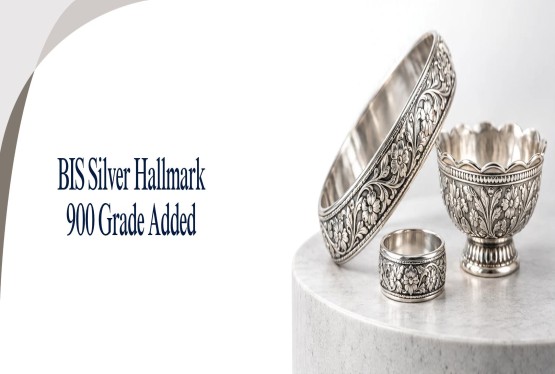
The amendment concerns the Hallmarking of Gold Jewellery and Gold Artefacts Order, 2020. It should not be described as a silver hallmarking district notification. BIS does operate hallmarking for gold and silver generally, but the mandatory district annexure in this amendment is for gold jewellery and gold artefacts.
The relevant standard for gold jewellery and artefacts is IS 1417:2016, as identified in the BIS hallmarking FAQs. BIS states that permitted gold hallmarking caratages include 14K, 18K, 20K, 22K, 23K and 24KS with the corresponding fineness values listed by BIS. Exact product treatment, exclusions and special categories should be checked against the main order, amendments and official exemption guidelines. Businesses should verify the requirement based on their exact product category, applicable Indian Standard and date of implementation.
Which Businesses Need Immediate Review?
Retail jewellers in a listed district should ensure that their BIS registration and hallmarking practices are current. Manufacturers and wholesalers supplying retailers must also align their dispatch and HUID documentation because downstream stores may reject unprepared inventory.
Franchise networks, multi-brand counters, exhibition sellers and online jewellery businesses should confirm the legal entity and outlet through which sales occur. Assaying and Hallmarking Centres should prepare for demand from newly covered areas and maintain recognition and operational requirements.
Consumers are not required to obtain a jeweller registration. BIS clarifies that consumers may sell old hallmarked or unhallmarked jewellery to jewellers. The commercial compliance burden primarily affects the regulated jewellery supply chain.
Key Dates and Their Actual Meaning
|
Compliance Event |
Relevant Date |
Business Impact |
|
Main mandatory hallmarking order |
15 January 2020 |
Established the underlying order later amended in phases. |
|
Sixth-phase amendment |
2 March 2026 |
The order had been amended before the consolidated replacement. |
|
Second Amendment Order |
28 April 2026 |
Replaced the annexure with the revised consolidated district list. |
|
Commencement |
Date of Gazette publication |
The order states that it comes into force on publication. |
What a Jeweller Should Do After Finding Its District in the List
-
Confirm the exact district of every showroom, sales outlet and operational location against the annexure.
-
Obtain or verify BIS jeweller registration through the official online portal. BIS states that registration is granted online without document upload or fee and remains valid for life, subject to compliance.
-
Work only through BIS-recognised Assaying and Hallmarking Centres for hallmarking activity.
-
Check the permitted caratage and fineness under IS 1417:2016 for the products being offered.
-
Ensure every hallmarked item carries the required components, including the purity/fineness marking and the six-digit alphanumeric HUID, as applicable.
-
Verify HUID and stock data before display, invoicing or transfer between branches.
-
Maintain authentic bills and include hallmarked-article details needed for customer and complaint records.
-
Display the BIS registration certificate and required customer information at the sales outlet.
-
Review older, repaired, remade, exchanged or branch-transferred stock separately instead of applying one assumption to all inventory.
Records and Operational Preparations to Keep Ready
Jewellers should maintain accurate registration information, outlet details, invoices, purchase records, stock and HUID data, hallmarking receipts, assaying-centre records and product descriptions. Internal teams should be able to match the physical article with its HUID and invoice entry.
Brand owners should define responsibilities among the manufacturer, job worker, wholesaler, franchisee and retail outlet. Where the business changes address, legal entity, branch structure or brand arrangement, registration and operational records should be reviewed promptly. The final checklist depends on the business model and the applicable BIS hallmarking requirements.
HUID Is a Product-Level Control, Not Just a Store Registration
BIS describes HUID as a unique six-digit alphanumeric number for each hallmarked item. Consumers can verify it through the BIS Care App. Since the introduction of HUID, the hallmark consists of the BIS logo, the purity of the article in caratage and fineness, and the HUID number.
A jeweller should therefore avoid treating registration as the final step. The compliance chain continues through assaying, item-level identification, display, invoicing and customer verification. An error in HUID mapping can create inventory and consumer-dispute issues even where the outlet itself is registered.
Risks of Selling Covered Gold Without Proper Hallmarking
A jeweller in a mandatory district may face inspection, sample drawal, complaint investigation or other enforcement action if covered products are sold outside the applicable requirements. Commercial consequences can include withdrawal of inventory from display, re-hallmarking or remaking costs, delayed sales, customer complaints, reputational damage and disruption to franchise or marketplace relationships.
BIS also carries out surveillance of Assaying and Hallmarking Centres and draws market samples from registered jewellers for testing. The amendment itself does not state a new penalty amount, so businesses should not rely on unverified figures circulated online.
Practical Example: A Jewellery Chain Opens a Store in a Newly Checked District
A jewellery company has a BIS-registered outlet in one city and plans to open another showroom in a district appearing in the revised annexure. It should not assume that the existing branch workflow automatically covers the new outlet. Before opening, the company should confirm registration particulars, identify a recognised A&H Centre, arrange HUID-compliant stock, train billing staff and ensure that the required certificate and customer information are displayed. Old stock transferred from another location should be checked article by article.
Gold Hallmarking Readiness Checklist
-
District confirmed in the 28 April 2026 annexure
-
Each showroom and selling location reviewed separately
-
BIS jeweller registration status verified
-
Recognised A&H Centre identified
-
IS 1417:2016 caratage and fineness reviewed
-
HUID generated and mapped to each item
-
Invoices include relevant hallmarked article details
-
Registration certificate and customer display arranged
-
Old and transferred stock assessed
-
Internal audit and staff training completed
How Compliance Calendar LLP Can Help Jewellers
Compliance Calendar LLP can assist with district-wise applicability checks, BIS jeweller registration support, review of hallmarking and HUID workflows, A&H Centre coordination, document and invoice review, branch compliance, clarification handling and ongoing advisory for jewellery businesses. CCL can also prepare state- and district-specific compliance content for jewellery brands. The exact advice will depend on the outlet location, product type and current official BIS requirements.
District Mapping Should Be the First Step, Not the Last
The 28 April 2026 amendment gives jewellery businesses a single revised annexure covering 385 districts. Every jeweller should compare the official list with its actual showroom and sales locations, rather than relying on an old phase-wise list. Once coverage is confirmed, registration, recognised A&H Centre access, permitted fineness, HUID control and invoice records must work together. Early branch-level preparation reduces the risk of unsellable stock, billing errors and customer complaints. Where product categories, exemptions or old stock are not clearly addressed by the amendment itself, the business should obtain a specific review based on the main order and applicable BIS guidelines.
Frequently Asked Questions
Q1. How many districts are covered by the April 2026 mandatory hallmarking amendment?
Ans. The official BIS-hosted Second Amendment Order carries a revised consolidated annexure covering 385 districts. Jewellers should check the actual annexure for their state and district.
Q2. When did the Second Amendment Order come into force?
Ans. S.O. 2117(E) states that the order comes into force on the date of its publication in the Official Gazette. The order is dated 28 April 2026.
Q3. Does this amendment make silver hallmarking mandatory in 385 districts?
Ans. No. This particular order concerns gold jewellery and gold artefacts. BIS operates hallmarking for both gold and silver generally, but the revised mandatory district annexure is issued under the gold order.
Q4. Which Indian Standard applies to gold jewellery hallmarking?
Ans. BIS identifies IS 1417:2016 as the standard for gold and gold alloys, jewellery and artefacts, fineness and marking. The exact product and permitted grade should be verified.
Q5. Is BIS registration for jewellers available online?
Ans. BIS states that a jeweller willing to sell hallmarked gold or silver jewellery may apply online through the BIS portal. The official overview says registration is granted instantly without document upload or fee and is valid for life, subject to compliance.
Q6. What is HUID?
Ans. HUID is a six-digit alphanumeric unique identification number for each hallmarked item. It can be verified through the BIS Care App and forms part of the current hallmark along with the purity/fineness marking and BIS logo.
Q7. Can a consumer sell old unhallmarked jewellery?
Ans. Yes. BIS states that consumers can sell old hallmarked or unhallmarked jewellery lying with them to jewellers. The jeweller should handle further processing according to applicable rules.
Q8. How can Compliance Calendar LLP assist a jeweller?
Ans. CCL can verify district coverage, assist with registration, review branch and HUID compliance, coordinate with recognised A&H Centres, examine invoices and stock processes, and help respond to compliance queries.


_crop10_thumb.jpg)





_for_FY_2025-26_crop10_thumb.jpg)





_learn_crop10_thumb.jpg)


_Filing_Due_Dates_for_FY_2024-25_learn_crop10_thumb.jpeg)






_of_GST_Act_learn_crop10_thumb.jpg)


_Under_GST_learn_crop10_thumb.jpg)


_crop10_thumb.jpg)


_crop10_thumb.jpg)


_learn_crop10_thumb.jpg)


_of_the_Income_Tax_Act_learn_crop10_thumb.jpg)


_learn_crop10_thumb.jpg)



_learn_crop10_thumb.jpg)


_crop10_thumb.jpg)





_in_The_Income_Tax_Act,_1961_learn_crop10_thumb.jpg)


_learn_crop10_thumb.jpg)


_of_the_Income_Tax_Act_learn_crop10_thumb.jpg)

_Of_Income_Tax_Act_learn_crop10_thumb.jpg)


_learn_crop10_thumb.jpg)


_learn_crop10_thumb.jpg)
_crop10_thumb.jpg)




_learn_crop10_thumb.jpg)
_for_Import_and_Export_learn_crop10_thumb.jpg)





























_crop10_thumb.jpg)