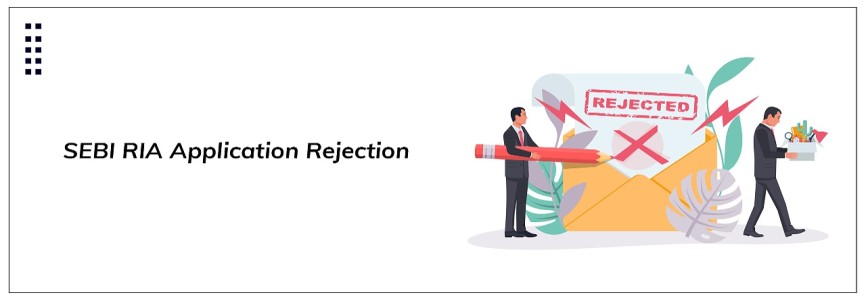



A SEBI Registered Investment Adviser (RIA) registration is required for individuals and entities providing investment advisory services related to securities and financial products in India. The registration process is regulated by the Securities and Exchange Board of India (SEBI) under the SEBI (Investment Advisers) Regulations, 2013. The main objective of these regulations is to ensure that only qualified, experienced, and financially capable professionals provide investment advice while maintaining investor protection.
The SEBI RIA application process involves detailed verification of eligibility standards, educational qualifications, certifications, professional experience, financial position, compliance practices, and operational arrangements. Many applications face rejection or delays due to incomplete documents, incorrect information, failure to meet regulatory conditions, weak compliance systems, or inadequate preparation. Applicants should carefully review SEBI requirements, maintain proper records, and ensure that all necessary conditions are fulfilled before submission to improve the chances of successful registration approval.
Incomplete or Incorrect Information in Application Form
One of the most common reasons for rejection of a SEBI RIA application is providing incomplete, incorrect, or inconsistent information in the application form. SEBI carefully verifies all information submitted by the applicant and compares it with supporting documents.
Applicants must provide accurate details regarding personal information, business structure, qualifications, experience, financial position, regulatory history, and advisory activities. Any mismatch between the application form and submitted documents can create doubts during the review process.
Common issues include:
Mismatch in Personal Details
Applicants must ensure that their personal details exactly match official records. Differences in name, address, date of birth, PAN details, or other identification information can create verification problems.
For example, if the applicant’s name is different in educational certificates and identity documents, SEBI may ask for clarification. Failure to provide satisfactory explanations can delay the process or result in rejection.
Incorrect Business Information
Entities applying for SEBI RIA registration must provide correct information about their legal structure, incorporation details, directors, partners, shareholders, and business activities. Incorrect details regarding ownership structure or business operations may create compliance concerns. SEBI expects complete transparency regarding the applicant’s organisation and advisory activities.
Missing Important Information
Applicants must provide complete details regarding their professional qualifications, experience, financial records, and regulatory history. Failure to disclose important information may result in rejection because SEBI requires complete information to evaluate whether the applicant is suitable for providing investment advisory services.
Failure to Meet SEBI Eligibility Requirements
SEBI has prescribed specific eligibility criteria that applicants must fulfil before applying for Investment Adviser registration. These requirements ensure that only qualified professionals with adequate knowledge and experience provide investment advice. If an applicant does not meet the prescribed eligibility conditions, SEBI may reject the application.
Major eligibility requirements include:
Educational Qualification Requirements
SEBI requires applicants to possess specific educational qualifications related to finance, securities markets, economics, business management, or other recognised fields. Applicants who do not fulfil the minimum educational requirements may not be considered eligible for registration. Before applying, applicants should verify whether their educational background meets SEBI’s prescribed criteria.
Professional Experience Requirements
Apart from educational qualifications, applicants must have relevant professional experience in financial products, investment advisory services, securities markets, or related areas. Lack of sufficient experience may indicate that the applicant does not have adequate practical knowledge to provide investment recommendations to clients.
Certification Requirements
SEBI requires Investment Advisers to obtain mandatory certifications to ensure they understand investment products, market practices, regulations, and investor protection measures. Failure to meet certification requirements or submit valid certification proof can become a reason for rejection of the application.
Lack of Valid NISM Certification
Certification is an important requirement for SEBI RIA registration because Investment Advisers must have proper knowledge of financial markets and investment products. SEBI requires applicants to obtain certification from recognised institutions such as the National Institute of Securities Markets (NISM). The certification demonstrates that the adviser understands regulatory responsibilities and professional standards.
Common certification-related issues include:
-
Expired Certification: Investment Advisers must maintain valid certifications throughout their advisory practice. If the certification has expired at the time of application, SEBI may consider the applicant non-compliant. Applicants should ensure that their certification remains valid before submitting the registration application.
-
Incorrect Certification Details: Providing incorrect certification numbers, examination details, or incomplete documents may create verification issues. Applicants should carefully check all certification details before submission to avoid unnecessary objections.
-
Failure to Renew Certification: SEBI requires advisers to regularly update their certifications as per applicable requirements. Failure to renew certifications on time may affect eligibility and create compliance issues during registration or continuation of advisory activities.
Failure to Maintain Required Net Worth
Financial stability is an important factor considered by SEBI while reviewing RIA applications. Investment Advisers must have sufficient financial capability to conduct advisory activities responsibly. SEBI has prescribed minimum net worth requirements for Investment Advisers. Applicants must submit proper financial documents and proof of net worth during the registration process.
Reasons related to net worth rejection include:
-
Insufficient Net Worth: If the applicant does not maintain the minimum net worth prescribed by SEBI, the application may be rejected. The purpose of this requirement is to ensure that advisers have adequate financial strength to maintain proper operations and investor protection measures.
-
Incorrect Net Worth Certificate: Applicants must submit a properly prepared net worth certificate issued by a practising Chartered Accountant. Errors in calculations, incomplete information, or incorrect certification may create doubts about financial eligibility.
-
Unclear Financial Records: Applicants should maintain proper financial records showing their assets and liabilities. Unclear financial statements or unsupported financial information may delay verification and negatively affect the registration process.
Incorrect or Incomplete Documentation
Documentation plays an important role in the SEBI RIA registration process. SEBI verifies all submitted documents to confirm the applicant’s eligibility and compliance readiness. Many applications are rejected because applicants submit incomplete documents or fail to provide proper supporting evidence.
Common documentation mistakes include:
-
Missing Educational Documents: Applicants must provide valid proof of their educational qualifications and certifications. Missing certificates or unclear copies may prevent SEBI from verifying eligibility requirements.
-
Incomplete Business Documents: Companies and LLPs must submit incorporation documents, constitutional documents, and details of directors or partners. Failure to provide complete business documents may create doubts regarding the applicant’s legal structure.
-
Incorrect Financial Documents: Financial statements, net worth certificates, and other financial documents must be accurate and properly prepared. Incorrect financial information may result in rejection due to failure to establish financial capability.
-
Unsigned or Improperly Submitted Forms: Applications must be submitted according to SEBI’s prescribed format. Missing signatures, incorrect forms, or improper document uploads may result in procedural rejection.
Weak Compliance Context
SEBI expects Investment Advisers to maintain proper compliance systems before starting advisory operations. A weak compliance framework indicates that the applicant may not be prepared to protect investor interests.
Important compliance requirements include:
-
Client Risk Profiling System: Investment Advisers must understand the financial goals, risk appetite, and investment objectives of clients before providing recommendations. A proper risk profiling system ensures that advice is suitable for each client’s financial situation.
-
Suitability Assessment Process: Advisers must ensure that investment recommendations are suitable for clients based on their risk profile and financial objectives. Failure to maintain a suitability assessment process may result in regulatory concerns.
-
Record Maintenance System: Investment Advisers must maintain records of client information, communications, recommendations, and advisory activities. A weak record management system may create difficulties during regulatory inspections.
-
Grievance Handling Mechanism: Applicants must establish proper procedures for receiving and resolving investor complaints. A lack of grievance handling systems may indicate poor investor protection practices.
Lack of Proper Infrastructure and Operational Setup
SEBI evaluates whether an applicant has adequate infrastructure and operational arrangements to provide investment advisory services in a professional and efficient manner. An Investment Adviser deals with sensitive client information, financial data, investment recommendations, and advisory records. Therefore, SEBI expects applicants to have proper systems in place before granting registration.
Applicants must demonstrate that they have suitable arrangements for managing clients, maintaining records, protecting confidential information, communicating investment advice, and handling day-to-day advisory operations. Lack of proper infrastructure may indicate that the applicant is not sufficiently prepared to perform regulated investment advisory activities.
Poor Record Management System
Investment Advisers are required to maintain proper records of client interactions, risk profiles, investment advice provided, agreements, disclosures, and compliance-related documents. These records help ensure transparency and allow SEBI to verify whether advisory activities are being conducted according to regulations. A weak record management system, missing documents, or improper maintenance of client records may create compliance concerns. Applicants should have organised systems for storing and managing records so that information can be accessed whenever required.
Data Security Issues
Investment Advisers handle confidential information such as client financial details, investment preferences, risk profiles, and personal information. Protecting this information is an important responsibility of every adviser. Failure to implement proper security measures, such as secure data storage, restricted access controls, and protection against unauthorised use, may negatively impact SEBI’s assessment of the application. Applicants must ensure that adequate measures are available to maintain client confidentiality and data security.
Inadequate Technology Setup
Technology plays an important role in modern investment advisory services. Applicants should have suitable systems for client communication, maintaining records, delivering advisory services, and managing compliance requirements. If an applicant does not have proper software, digital systems, or operational tools to manage advisory activities, SEBI may consider that the applicant lacks the necessary readiness to provide professional services. A proper technology setup helps ensure smooth operations and better client service.
Providing False or Misleading Information
Transparency and accuracy are essential requirements during the SEBI RIA registration process. SEBI carefully examines the information provided by applicants and verifies the details through submitted documents and available records. Providing false, incomplete, or misleading information can seriously affect the applicant’s credibility and may result in rejection of the application. Applicants must ensure that all information regarding their qualifications, experience, financial position, business activities, and regulatory history is accurate and properly supported by documents.
Non-Disclosure of Regulatory Issues
Applicants must disclose any previous regulatory actions, penalties, disciplinary proceedings, or legal matters related to financial activities. Hiding such information can create serious concerns because SEBI expects complete transparency from applicants. If SEBI discovers undisclosed regulatory issues during verification, it may negatively impact the approval decision and may raise questions regarding the applicant’s suitability to provide investment advisory services.
Incorrect Professional Details
Applicants must provide correct information regarding their educational qualifications, professional experience, certifications, and previous employment or business activities. Submitting incorrect details or exaggerating professional experience can lead to compliance issues. SEBI verifies the applicant’s background before granting approval, and any mismatch between submitted information and supporting documents may result in rejection.
Misrepresentation of Financial Information
Applicants must submit accurate financial details, including information related to assets, liabilities, and net worth requirements. Financial information should be supported by proper documents and certificates. Providing incorrect financial details or showing an inaccurate financial position can create doubts about the applicant’s eligibility and financial capability. Such misrepresentation may lead to rejection of the SEBI RIA application.
Previous Regulatory Violations or Disciplinary History
SEBI considers the past conduct and regulatory background of applicants before granting Investment Adviser registration. The objective is to ensure that only trustworthy and responsible professionals provide investment advisory services to investors.
A history of regulatory violations, financial misconduct, or disciplinary actions may affect SEBI’s decision because investment advisers are responsible for handling investor interests and providing suitable advice.
Past Regulatory Actions
Previous violations under securities laws, actions taken by SEBI, or penalties imposed by regulatory authorities may negatively affect the applicant’s eligibility. SEBI reviews whether the applicant has maintained proper compliance standards in the past. Serious regulatory violations may become a reason for rejection of the RIA application.
Financial Misconduct History
Cases involving fraud, financial irregularities, mismanagement of client funds, or serious investor complaints may create concerns regarding the applicant’s suitability. SEBI considers the reputation and ethical standards of applicants before granting registration. A history of financial misconduct can reduce the chances of approval.
Non-Disclosure of Past Actions
Applicants are required to honestly disclose previous regulatory matters, investigations, penalties, or disciplinary actions. Failure to disclose important information can create additional concerns because SEBI considers transparency an important factor while evaluating applications. Even if the matter is old, applicants should provide complete details and explanations wherever required.
Conflict of Interest Concerns
Investment Advisers are required to provide independent, unbiased, and client-focused advice. Any conflict of interest that affects the objectivity of investment recommendations may become a reason for rejection of the SEBI RIA application.
SEBI expects applicants to identify potential conflicts and establish proper methods to manage and disclose them. This ensures that investment advice is provided based on client needs rather than personal benefits.
Lack of Disclosure Policies
Applicants should have proper policies explaining how conflicts of interest will be identified, managed, and disclosed to clients. Without proper disclosure practices, clients may not have complete information about factors that could influence investment recommendations. SEBI expects transparency between advisers and investors.
Multiple Business Activities
Applicants involved in multiple financial activities must ensure that their other business interests do not affect their independence as an Investment Adviser. For example, involvement in activities that create incentives to recommend specific financial products may raise concerns. Applicants should maintain clear separation between advisory services and other activities.
Biased Recommendations
Investment recommendations must always be based on the client’s financial goals, risk profile, and investment requirements. Providing recommendations due to personal benefits, commissions, incentives, or relationships can compromise advisory independence. SEBI expects Investment Advisers to prioritise client interests and maintain professional integrity while providing advice.
Failure to Respond to SEBI Queries
During the SEBI RIA application review process, SEBI may examine the submitted documents and information in detail. If any clarification, additional document, or explanation is required, SEBI may raise queries or send observations to the applicant. These queries are generally raised to verify eligibility, resolve discrepancies, or ensure that the applicant meets all regulatory requirements.
Applicants must carefully review the queries raised by SEBI and provide appropriate responses within the given timeline. Failure to respond properly can delay the registration process or may result in rejection of the application.
Delayed Response
SEBI provides applicants with a specific timeline to submit replies or additional information. If the applicant fails to respond within the prescribed period, SEBI may consider that the applicant is not interested in continuing the registration process. This may lead to closure of the application or rejection due to non-compliance. Applicants should regularly monitor SEBI communications and ensure timely submission of required clarifications.
Incomplete Clarification
When SEBI raises queries, applicants must provide complete and satisfactory explanations along with relevant supporting documents. Simply providing a brief reply without proper evidence may not resolve SEBI’s concerns. For example, if SEBI asks for clarification regarding qualification details, financial documents, or compliance procedures, the applicant should submit proper documents and explanations to support their response.
Ignoring Compliance Concerns
Applicants must carefully address every regulatory observation raised by SEBI. Ignoring compliance-related concerns or failing to make necessary corrections may negatively affect the approval process. A proper response should explain how the applicant has resolved the issue and ensured compliance with SEBI requirements. Addressing all observations clearly helps demonstrate the applicant’s readiness to operate as a registered Investment Adviser.
How to Avoid Rejection of SEBI RIA Application?
Applicants can reduce the chances of rejection of a SEBI RIA application by ensuring that all regulatory requirements are properly understood and fulfilled before submission. It is important to verify eligibility criteria, maintain valid certifications, meet the prescribed net worth requirements, and prepare complete and accurate documentation. Any mismatch in information, missing documents, or incorrect disclosures can create issues during the SEBI review process.
Before filing the application, applicants should carefully review their compliance requirements, prepare necessary policies, and ensure that they have proper systems for managing client records, risk assessment, and advisory activities. Taking expert guidance can help identify potential gaps, correct mistakes, and improve the quality of the application. A properly prepared SEBI RIA application increases the chances of approval and helps applicants start their investment advisory practice with better regulatory readiness.
Conclusion
SEBI RIA registration is a detailed process that requires proper preparation, accurate documentation, and a clear understanding of regulatory requirements. Applicants must fulfil eligibility conditions, maintain valid certifications, meet prescribed net worth requirements, and establish suitable compliance practices before applying. Common mistakes such as incomplete information, missing documents, incorrect disclosures, or failure to meet SEBI guidelines can result in rejection or unnecessary delays.
A properly prepared application increases the chances of successful approval and helps professionals establish a legally compliant investment advisory practice in India. Applicants should carefully review SEBI regulations, maintain proper records, and ensure that all required conditions are fulfilled before submission. Following a systematic approach makes the registration process smoother and helps investment advisers provide transparent and professional advisory services to investors.
Frequently Asked Questions (FAQs)
Q1. Why does SEBI reject RIA applications?
Ans. SEBI may reject RIA applications due to reasons such as incomplete documentation, failure to meet eligibility requirements, invalid certifications, insufficient net worth, incorrect information, weak compliance systems, or lack of proper infrastructure. Applicants must ensure all regulatory requirements are fulfilled before submitting the application.
Q2. Can an incomplete SEBI RIA application be rejected?
Ans. Yes, an incomplete SEBI RIA application can be rejected or returned for clarification. Missing documents, incomplete forms, incorrect details, or lack of supporting evidence may create compliance issues. Applicants should carefully review the application and submit all required information accurately.
Q3. What eligibility requirements must be fulfilled for SEBI RIA registration?
Ans. Applicants must meet SEBI’s prescribed requirements related to educational qualifications, professional experience, certifications, and financial capacity. Failure to satisfy any mandatory eligibility condition may result in rejection of the SEBI RIA application.
Q4. Is NISM certification mandatory for SEBI RIA registration?
Ans. Yes, valid NISM certification is mandatory for SEBI RIA registration. Applicants must complete the required certification and maintain its validity. Expired certificates, incorrect certification details, or failure to provide certification proof may lead to application rejection.
Q5. Can SEBI reject an RIA application due to insufficient net worth?
Ans. Yes, SEBI may reject an RIA application if the applicant fails to maintain the required minimum net worth. Applicants must submit proper financial documents and a valid net worth certificate to demonstrate their financial capability.
Q6. What documents are required for SEBI RIA registration?
Ans. Documents generally include identity proof, educational certificates, NISM certification proof, experience details, financial documents, net worth certificate, business incorporation documents (for entities), compliance policies, and other supporting documents required by SEBI.
Q7. How does a weak compliance framework affect SEBI RIA approval?
Ans. A weak compliance framework may result in rejection because SEBI expects Investment Advisers to have proper systems for risk profiling, suitability assessment, record maintenance, grievance handling, and conflict management before providing advisory services.
Q8. Can incorrect information lead to SEBI RIA application rejection?
Ans. Yes, providing false, misleading, or incomplete information can lead to rejection of the application. SEBI verifies the details submitted by applicants, and any mismatch or non-disclosure of important information may negatively affect approval.
Q9. Does previous regulatory action affect SEBI RIA registration?
Ans. Yes, SEBI considers the applicant’s regulatory history before granting registration. Previous violations, financial misconduct, disciplinary actions, or undisclosed regulatory issues may impact the applicant’s eligibility and result in rejection.
Q10. Can SEBI reject an application due to lack of infrastructure?
Ans. Yes, SEBI may reject applications where applicants do not demonstrate adequate infrastructure to provide investment advisory services. Proper systems for client management, record maintenance, data security, and advisory operations are expected before registration.


_crop10_thumb.jpg)





_crop10_thumb.jpg)
_crop10_thumb.jpg)


_crop10_thumb.jpg)


_crop10_thumb.jpg)


_crop10_thumb.jpg)

_crop10_thumb.jpg)


-suratgujarat-section-158_crop10_thumb.jpg)
-suratgujarat_crop10_thumb.jpg)
-(33)_crop10_thumb.jpg)


-ahmedabad_crop10_thumb.jpg)
-learn_crop10_thumb.jpg)

-learnn_crop10_thumb.jpg)


_crop10_thumb.jpg)








_Guidelines_learn_crop10_thumb.jpg)


_learn_crop10_thumb.jpg)
_crop10_thumb.jpeg)


_crop10_thumb.jpg)


_Second_Amendment_Rules,_2025_learn_crop10_thumb.jpg)


_learn_crop10_thumb.jpg)
















_learn_crop10_thumb.jpeg)


















_learn_crop10_thumb.jpg)


_rd_roc_learn_crop10_thumb.jpg)











_learn_crop10_thumb.jpg)







_learn_crop10_thumb.jpg)
_Learn_crop10_thumb.jpg)



























_learn_crop10_thumb.jpg)



_learn_crop10_thumb.jpg)










_crop10_thumb.jpeg)













_crop10_thumb.jpg)














_crop10_thumb.jpg)