



SEBI RIA Registration is required for any person or entity that wants to provide investment advisory services in India. RIA stands for Registered Investment Adviser. An investment adviser gives advice to clients on securities, financial products, investment planning, portfolio allocation and related investment decisions. Since investment advice directly affects the money and financial future of investors, SEBI regulates this activity through the SEBI Investment Advisers Regulations, 2013.
The main purpose of SEBI RIA Registration is to protect investors and ensure that only qualified, fit and proper, and properly registered persons provide investment advice. A registered investment adviser must act in the best interest of the client, disclose fees clearly, avoid conflict of interest, maintain records and follow SEBI’s code of conduct. This registration also helps investors identify genuine advisers and avoid unregistered tips, false promises and misleading investment schemes.
Meaning of SEBI Registered Investment Adviser
A SEBI Registered Investment Adviser is a person, firm, LLP, company or body corporate that is registered with SEBI to provide investment advice to clients. Investment advice may include advice relating to stocks, mutual funds, bonds, ETFs, portfolio allocation, financial planning and other securities market products.
An RIA does not work like a distributor or broker. A distributor may earn commission from product providers, but an investment adviser generally charges fees directly from the client. This fee-based model helps reduce conflict of interest because the adviser is expected to recommend products based on the client’s needs and risk profile, not based on commission income.
Why SEBI RIA Registration is Important
SEBI RIA Registration is important because investment advisory is a sensitive financial activity. Investors often depend on advisers for decisions related to savings, retirement, wealth creation and risk management. If advisory services are provided by unregistered or unqualified persons, investors may suffer financial loss.
SEBI registration creates a formal regulatory structure. It ensures that the adviser meets eligibility conditions, qualification requirements, certification requirements, net worth requirements and compliance obligations. It also provides accountability because registered advisers are subject to SEBI supervision, inspection, audit and disciplinary action in case of violation. For advisory businesses, RIA registration also improves credibility. It gives legal recognition to the advisory activity and helps build trust among clients, investors and institutions.
Who Needs SEBI RIA Registration?
SEBI RIA Registration is required when a person or entity is engaged in the business of providing investment advice for consideration. Consideration means any fee, charge, subscription, advisory fee, planning fee or other compensation received from the client. Registration may be required by individual financial planners, wealth advisers, portfolio advisers, investment advisory firms, fintech advisory platforms, LLPs, companies and partnership firms that provide personalized investment advice.
However, every financial discussion may not require RIA registration. General financial education, investor awareness content, newspaper articles, general market commentary and non-personalized information may not amount to investment advice if it is not directed to a specific client’s investment needs. The difference between general information and personalized investment advice is important. If the advice is based on the client’s financial situation, risk appetite and investment goal, SEBI RIA registration may be required.
Legal Context for SEBI RIA Registration
SEBI RIA Registration is mainly governed by the SEBI Investment Advisers Regulations, 2013. These regulations cover registration requirements, eligibility criteria, qualification and certification norms, net worth requirements, client-level segregation, fee collection, risk profiling, suitability, disclosures, record keeping, audit and code of conduct.
The SEBI Act, 1992 gives SEBI the power to regulate securities market intermediaries and protect investor interests. Investment advisers are one of the regulated intermediaries under SEBI. Therefore, a person cannot provide regulated investment advisory services without obtaining proper registration where registration is applicable. SEBI also issues circulars, guidelines and master circulars from time to time. These clarify operational requirements such as client agreement, fees, audit, website disclosure, grievance redressal, certification, records and other compliance obligations.
Types of Applicants for SEBI RIA Registration
SEBI RIA Registration can be obtained by different types of applicants depending on the business structure and the scale of advisory services. Broadly, applicants are divided into two categories: individual investment advisers and non-individual investment advisers. Choosing the correct applicant category is important because eligibility, net worth, infrastructure and compliance requirements may differ based on the type of applicant.
Individual Investment Adviser
An individual investment adviser is a natural person who applies for SEBI RIA Registration in his or her own name. This category is suitable for finance professionals, investment consultants, financial planners or wealth advisers who want to provide advisory services independently.
An individual adviser usually works directly with clients and gives personalized investment advice based on the client’s financial goals, risk profile, income level and investment horizon. The adviser must meet SEBI’s qualification, certification, net tangible asset and fit and proper person requirements before applying for registration.
Suitable for Independent Professionals
This category is suitable for professionals who want to start advisory services on an individual basis without forming a company or LLP. It is commonly preferred by financial planners, investment consultants and experienced finance professionals who want to build a personal advisory practice.
Direct Responsibility of the Adviser
In this category, the individual adviser is directly responsible for the advice given to clients. The adviser must ensure that all recommendations are suitable, properly documented and based on the client’s risk profile.
Compliance Requirements
An individual investment adviser must follow SEBI regulations related to client agreement, risk profiling, suitability assessment, fee disclosure, record maintenance, audit, grievance redressal and code of conduct. Even if the business is small, compliance must be properly maintained.
Non-Individual Investment Adviser
A non-individual investment adviser includes a company, LLP, partnership firm, body corporate or other eligible entity that applies for SEBI RIA Registration. This category is suitable where the advisory business is planned at a larger scale and involves more than one person, team or business vertical.
Non-individual applicants usually have employees, representatives, research teams, technology platforms, compliance officers or multiple service lines. SEBI reviews such applicants more broadly because the advisory activity is carried out through an organisation rather than a single person.
Suitable for Larger Advisory Businesses
This category is suitable for businesses that want to provide investment advisory services through a structured entity. It is generally preferred by companies, LLPs, fintech platforms, wealth advisory firms and financial service businesses planning to serve a larger client base.
Requirement of Principal Officer
A non-individual applicant must have a principal officer who is responsible for investment advisory activities. The principal officer must meet the required qualification, certification and experience conditions prescribed under SEBI regulations.
Persons Associated with Investment Advice
Any employee or representative who is involved in giving investment advice must also meet the prescribed qualification and certification requirements. SEBI checks whether the advisory team has the required knowledge and professional competence.
Infrastructure and Systems
SEBI also checks whether the non-individual applicant has proper infrastructure to provide advisory services. This includes office setup, technology systems, client records, research tools, compliance framework, data security process and grievance handling mechanism.
Net Worth and Financial Strength
A non-individual applicant must meet the minimum net worth requirement prescribed by SEBI. The purpose of this requirement is to ensure that the entity has sufficient financial strength to operate as a registered investment adviser.
Ownership and Management Background
SEBI reviews the ownership structure, directors, partners, promoters and management background of the non-individual applicant. This helps SEBI check whether the applicant and its key persons are fit and proper to provide investment advisory services.
Compliance System
A non-individual applicant must have a strong compliance system because it may deal with a larger number of clients and employees. Proper internal controls, client onboarding process, advisory documentation, disclosure mechanism and audit process are important for approval and continued compliance.
Eligibility Standards for SEBI RIA Registration
Eligibility is one of the most important parts of SEBI RIA Registration. The applicant must satisfy SEBI that it is fit and proper to act as an investment adviser. SEBI reviews the qualification, certification, financial strength, experience, infrastructure, integrity and regulatory background of the applicant.
The applicant must not have a history of serious regulatory default, fraud, dishonesty or conduct that may make it unfit to provide advisory services. The applicant should have proper systems to provide advice, maintain records, handle client complaints and comply with SEBI regulations.
For non-individual applicants, the principal officer and persons associated with investment advice must also meet the required qualification and certification norms. The advisory business should have a clear structure and should not create conflict between advisory and distribution activities.
Qualification and Certification Requirements
Investment advisory is a professional activity. Therefore, SEBI requires proper qualification and certification for persons giving investment advice. The individual adviser, principal officer and persons associated with investment advice must meet the prescribed educational and certification requirements. The required certification generally includes NISM-Series-X-A Investment Adviser Level 1 and NISM-Series-X-B Investment Adviser Level 2 certification, or any other certification recognized under the applicable SEBI.
These certifications ensure that the adviser has knowledge of investment planning, securities products, taxation, risk profiling, asset allocation, regulations and advisory responsibilities. Certification should remain valid. Advisers must renew certification as required. If the certificate expires, the person may not be allowed to continue providing investment advice until the certification requirement is fulfilled.
Net Worth Requirement
Net worth requirement ensures that the investment adviser has basic financial strength to run the advisory business. SEBI prescribes different net worth or net tangible asset requirements for individual and non-individual applicants. For an individual investment adviser, minimum net tangible assets are required. For a non-individual investment adviser, minimum net worth is required. The applicant must submit documents such as net worth certificate, financial statements, bank details and supporting records.
The purpose of this requirement is to ensure that advisory business is not run by financially weak or unreliable entities. Net worth must also be maintained after registration. If the net worth falls below the required limit, the adviser may have to restore it within the prescribed time and inform the concerned authority where required.
Infrastructure Requirement
The applicant must have adequate infrastructure to provide investment advisory services. Infrastructure does not only mean office space. It also includes qualified manpower, proper systems, technology support, record keeping facility, client communication system, research tools, compliance system and grievance handling process.
For online advisory platforms, digital infrastructure becomes more important. The adviser should be able to maintain client records, risk profiling data, advisory communication, consent records, invoices, agreements and suitability assessment in a secure manner. SEBI may also check whether the applicant has proper internal processes to avoid mis-selling, wrong advice, unauthorized advice or false claims.
Fit and Proper Person Requirement
SEBI checks whether the applicant is a fit and proper person. This includes honesty, integrity, reputation, competence, financial soundness and absence of serious legal or regulatory issues. If the applicant, promoter, director, partner or principal officer has been involved in fraud, market manipulation, investor complaints, serious default or regulatory action, it may affect the registration application.
The fit and proper condition continues even after registration. A registered adviser must maintain clean conduct and must inform SEBI or the supervisory body about material changes wherever required.
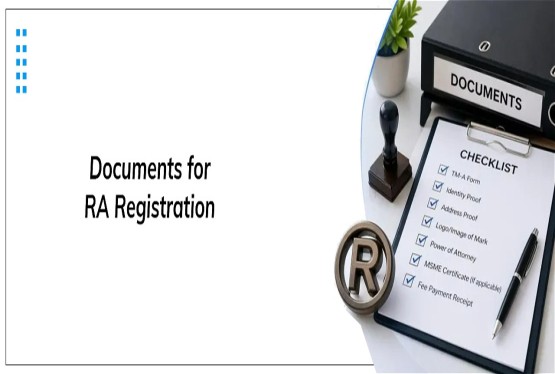
Documents Required for SEBI RIA Registration
Basic Documents
-
PAN card
-
Aadhaar card
-
Identity proof
-
Address proof
-
Passport size photograph
-
Contact details
-
Email ID and mobile number
Educational Documents
-
Graduation certificate
-
Post-graduation certificate, if applicable
-
Professional qualification certificate, if any
-
Experience certificate, if available
NISM Certification
-
NISM Investment Adviser Level 1 certificate
-
NISM Investment Adviser Level 2 certificate
-
Valid certification proof of principal officer
-
Valid certification proof of persons associated with investment advice
Financial Documents
-
Net worth certificate
-
Net tangible asset certificate, for individual applicant
-
Income tax returns
-
Financial statements
-
Bank statement
-
Bank account proof
Business Documents
-
Business plan
-
Advisory service model
-
Fee structure
-
Client onboarding process
-
Risk profiling format
-
Suitability assessment process
-
Record maintenance policy
Compliance Documents
-
Client agreement format
-
Compliance policies
-
Conflict of interest policy
-
Grievance redressal policy
-
Code of conduct declaration
-
Fit and proper person declaration
-
Disciplinary history declaration
Infrastructure Details
-
Office address proof
-
Details of office setup
-
Technology system details
-
Data storage system details
-
Research tools details
-
Client communication system details
Documents for Non-Individual Applicants
-
Certificate of incorporation
-
LLP agreement, if applicable
-
MOA and AOA, if applicable
-
Partnership deed, if applicable
-
Board resolution
-
Shareholding pattern
-
Ownership details
-
Details of directors or partners
-
GST certificate, if applicable
-
Audited financial statements
Principal Officer and Team Details
-
Principal officer details
-
Qualification proof of principal officer
-
NISM certificate of principal officer
-
Experience proof of principal officer
-
Details of persons associated with investment advice
-
Qualification and certification proof of advisory team
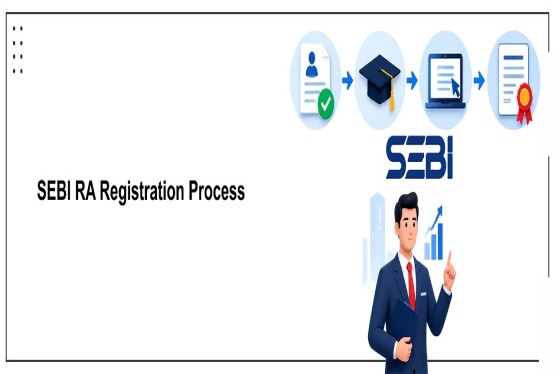
Process for SEBI RIA Registration
Step 1: Check Applicability
The first step is to check whether the proposed activity amounts to investment advisory under SEBI regulations. If the business is giving personalized investment advice for a fee, registration may be required. The applicant should also check whether it is acting as a distributor, broker, research analyst or investment adviser because each activity may have a different regulatory.
Step 2: Select Applicant Category
The applicant must decide whether to apply as an individual investment adviser or a non-individual investment adviser. This decision depends on the scale of business, number of clients, team structure, technology platform, capital requirement and future expansion plan.
Step 3: Complete Qualification and Certification
Before applying, the applicant should ensure that the required persons have valid NISM Investment Adviser Level 1 and Level 2 certification or other recognized qualification as applicable. Certification must be valid at the time of application and should be renewed on time.
Step 4: Arrange Net Worth Certificate
The applicant must arrange a net worth certificate from a qualified professional. The certificate should clearly show that the applicant meets the minimum net worth or net tangible asset requirement as applicable.
Step 5: Prepare Policies and Documents
The applicant must prepare internal policies and documents such as client onboarding process, risk profiling format, suitability assessment process, advisory agreement, fee structure, disclosure format, grievance redressal mechanism, record maintenance policy, conflict of interest policy and compliance checklist.
Step 6: File Application
The application is filed in the prescribed format along with required documents and application fee. The applicant must give correct and complete information. Any false statement, missing detail or misleading information can affect the application.
Step 7: Review and Clarification
After submission, the application is reviewed by the authority. The applicant may receive queries or clarification requests. These may relate to qualification, net worth, business model, advisory process, conflict of interest, documents, fee structure or compliance system. The applicant should reply to queries properly and within the given time. A weak or incomplete reply can delay the registration.
Step 8: Approval and Payment of Registration Fee
Once the application is found satisfactory, approval may be granted subject to payment of the prescribed registration fee. After payment, the registration certificate is issued.
Step 9: Start Advisory Services After Registration
The applicant should start investment advisory services only after receiving registration. The SEBI registration number should be displayed on official communication, website, client documents and other prescribed places.
Client Agreement Requirement
A registered investment adviser must enter into an agreement with the client before providing investment advice. The agreement should clearly mention the scope of services, fee structure, risk factors, responsibilities of adviser and client, conflict of interest disclosure, grievance redressal process, termination clause and other important terms.
The client agreement protects both the adviser and the client. It avoids confusion regarding services, fees and obligations. Advisers should not provide informal or undocumented advice because it may create compliance and legal risk.
Risk Profiling and Suitability Assessment
Risk profiling is a key compliance requirement for SEBI RIAs. Before giving advice, the adviser must understand the client’s financial situation, investment goals, risk appetite, income, liabilities, investment horizon and return expectations.
After risk profiling, the adviser must ensure that the recommended investment is suitable for the client. For example, a conservative investor should not be advised high-risk products without proper basis and disclosure. Suitability assessment protects investors from unsuitable investment recommendations. It also protects the adviser because every recommendation should be supported by documented analysis.
Conflict of Interest Management
Investment advisers must avoid or properly manage conflict of interest. A conflict may arise when the adviser has a financial interest in a product, receives commission, has group-level distribution activity or recommends products from related parties.
SEBI expects investment advisers to act in the best interest of the client. Therefore, conflict of interest must be disclosed clearly. Advisory and distribution activities should be separated as per applicable norms. Client-level segregation is important where advisory and distribution services exist within the same group or structure.
Code of Conduct for SEBI RIA
A SEBI Registered Investment Adviser must follow a code of conduct. The adviser must act honestly, fairly and professionally. The adviser must provide advice based on proper analysis and must not mislead clients.
The adviser should not guarantee returns, make false claims, hide risks or give advice without understanding the client’s profile. The adviser must maintain confidentiality of client information and must ensure that advertisements and communications are not misleading. The code of conduct is not only a formality. It is the foundation of investor trust and regulatory compliance.
Record Maintenance
A registered investment adviser must maintain proper records of client information, risk profiling, suitability assessment, investment advice, agreements, disclosures, invoices, complaints, communication and compliance documents.
Records should be maintained for the prescribed period. Where records are maintained electronically, they should be secure, retrievable and properly backed up. Proper record maintenance is very important during audit, inspection, investor complaint or regulatory review.
Annual Compliance Audit
SEBI RIAs are required to conduct annual compliance audit as per applicable regulations and circulars. The audit checks whether the adviser has followed SEBI regulations, maintained proper records, executed client agreements, followed fee limits, conducted risk profiling, handled complaints and complied with disclosure requirements.
The audit report should be prepared by an eligible professional as permitted under SEBI rules and circulars. If any non-compliance is found, corrective action should be taken on time.
Website and Disclosure Requirements
Investment advisers are required to maintain prescribed disclosures. Where website requirements are applicable, the adviser should display important details such as registration number, name, contact details, grievance officer details, SEBI office details, services offered, fee structure, complaint data and investor charter-related information.
The purpose of website disclosure is to give clients easy access to important information and improve transparency. Advisers should ensure that website content is accurate and updated.
Advertisement and Social Media Compliance
Investment advisers must be careful while advertising services or posting content on social media. They should not make unrealistic claims, promise assured returns, show misleading profit screenshots or create false urgency.
SEBI has also focused on disclosure of registered name and registration number by regulated entities and their agents on social media platforms. Therefore, RIAs should ensure that their digital presence is compliant and transparent. Social media content should be educational, balanced and factual. Any investment recommendation should be given only after following the proper advisory process.
Grievance Redressal
A registered investment adviser must have a proper grievance redressal system. Client complaints should be acknowledged, reviewed and resolved within the prescribed time. The adviser should maintain complaint records and escalation details.
Investors may also use SEBI’s complaint redressal platforms if their complaint is not resolved. A good grievance system improves client confidence and reduces regulatory risk.
Renewal and Continued Compliance
SEBI RIA Registration is not the end of compliance. After registration, the adviser must continue to satisfy eligibility conditions, maintain net worth, renew certifications, conduct audits, update disclosures, maintain records and follow all SEBI circulars. Any material change in business structure, address, control, principal officer, directors, partners or compliance status should be handled as per applicable requirements. Continuous compliance is essential to keep registration valid and avoid regulatory action.
Common Reasons for Rejection or Delay
RIA registration may be delayed or rejected due to incomplete documents, invalid certification, insufficient net worth, unclear business model, weak compliance system, conflict of interest, poor disclosure, adverse regulatory history or failure to reply to clarification properly.
Applicants should avoid submitting an application in a hurry. A well-prepared application with proper documents and clear explanation has better chances of smooth processing.
Penalties for Non-Compliance
Providing investment advice without registration, charging unfair fees, giving false promises, failing to maintain records, ignoring client suitability, not resolving complaints or violating SEBI rules can lead to regulatory action.
SEBI may issue warnings, directions, penalties, suspension or cancellation of registration depending on the seriousness of the violation. In serious cases, SEBI may also restrain the person from accessing the securities market or providing advisory services.
Benefits of SEBI RIA Registration
SEBI RIA Registration gives legal recognition to investment advisory services. It improves trust, credibility and professional standing. Clients are more comfortable dealing with a registered adviser because registration shows that the adviser is regulated.
For businesses, RIA registration helps build a structured advisory model. It supports proper client onboarding, transparent fee collection, compliance discipline and long-term brand value. It also separates genuine advisory businesses from unregistered market tip providers.
Conclusion
SEBI RIA Registration is very important for individuals and entities that want to provide investment advisory services in a legal and professional manner. It ensures that investment advice is given only by qualified, certified and accountable advisers who follow SEBI’s rules. These rules help protect investors through proper risk profiling, suitability assessment, fee disclosure, record maintenance, audit and grievance redressal. Registration also helps separate genuine investment advisers from unregistered persons giving misleading tips or unauthorized advice.
The registration process requires proper preparation, including valid certification, sufficient net worth, clean documents, suitable infrastructure and a strong compliance system. However, compliance does not end after registration. A registered investment adviser must continuously follow SEBI regulations, maintain transparency, update records and act in the best interest of clients. For anyone planning to enter the investment advisory business, SEBI RIA Registration is not only a legal requirement but also a mark of credibility, trust and professional responsibility.
Frequently Asked Questions (FAQs)
Q1. What is SEBI RIA Registration?
Ans. SEBI RIA Registration is a registration required for persons or entities that want to provide investment advisory services in India. It allows them to give investment advice legally under SEBI regulations.
Q2. Who is a Registered Investment Adviser?
Ans. A Registered Investment Adviser is a person, firm, LLP, company or body corporate registered with SEBI to provide investment advice to clients for a fee.
Q3. Who needs SEBI RIA Registration?
Ans. Any person or entity providing investment advice for consideration needs SEBI RIA Registration. This includes financial planners, investment advisory firms, wealth advisers and online advisory platforms.
Q4. Is SEBI RIA Registration mandatory?
Ans. Yes, SEBI RIA Registration is mandatory if a person or entity provides investment advisory services for a fee. Giving investment advice without required registration may lead to regulatory action.
Q5. Can an individual apply for SEBI RIA Registration?
Ans. Yes, an individual can apply for SEBI RIA Registration if they meet the qualification, certification, net tangible asset and fit and proper person requirements.
Q6. Can a company or LLP apply for SEBI RIA Registration?
Ans. Yes, a company, LLP, partnership firm or body corporate can apply as a non-individual investment adviser, subject to eligibility, net worth, infrastructure and compliance requirements.
Q7. What qualification is required for SEBI RIA Registration?
Ans. The applicant, principal officer and persons associated with investment advice must meet the educational qualification and certification requirements prescribed by SEBI. NISM Investment Adviser certification is generally required.
Q8. Is NISM certification required for SEBI RIA?
Ans. Yes, valid NISM Investment Adviser certification is generally required for individual advisers, principal officers and persons associated with investment advice.
Q9. What is the net worth requirement for SEBI RIA Registration?
Ans. SEBI prescribes minimum net tangible assets for individual investment advisers and minimum net worth for non-individual investment advisers. The applicant must submit a net worth certificate as part of the application.
Q10. What documents are required for SEBI RIA Registration?
Ans. Common documents include PAN, identity proof, address proof, qualification certificates, NISM certificates, net worth certificate, financial statements, business plan, compliance policies, client agreement format and applicant declarations.


_crop10_thumb.jpg)





_crop10_thumb.jpg)
_crop10_thumb.jpg)


_crop10_thumb.jpg)


_crop10_thumb.jpg)


_crop10_thumb.jpg)

_crop10_thumb.jpg)


-suratgujarat-section-158_crop10_thumb.jpg)
-suratgujarat_crop10_thumb.jpg)
-(33)_crop10_thumb.jpg)


-ahmedabad_crop10_thumb.jpg)
-learn_crop10_thumb.jpg)

-learnn_crop10_thumb.jpg)


_crop10_thumb.jpg)








_Guidelines_learn_crop10_thumb.jpg)


_learn_crop10_thumb.jpg)
_crop10_thumb.jpeg)


_crop10_thumb.jpg)


_Second_Amendment_Rules,_2025_learn_crop10_thumb.jpg)


_learn_crop10_thumb.jpg)

















_learn_crop10_thumb.jpeg)



















_learn_crop10_thumb.jpg)


_rd_roc_learn_crop10_thumb.jpg)














_learn_crop10_thumb.jpg)










_learn_crop10_thumb.jpg)
_Learn_crop10_thumb.jpg)

































_learn_crop10_thumb.jpg)




_learn_crop10_thumb.jpg)










_crop10_thumb.jpeg)
















_crop10_thumb.jpg)
















_crop10_thumb.jpg)