



Registered Investment Adviser Registration, commonly known as SEBI RIA Registration, is required for persons or entities that want to provide investment advisory services in India. Investment advice is directly connected with the financial decisions of investors. A wrong or unsuitable recommendation can affect a person’s savings, wealth planning, retirement goals and investment safety. Because of this, the Securities and Exchange Board of India regulates investment advisers through the SEBI Investment Advisers Regulations, 2013.
The purpose of SEBI RIA Registration is to ensure that only eligible, qualified and accountable persons provide investment advice. SEBI checks the applicant’s qualification, certification, financial strength, experience, infrastructure, integrity and compliance system before granting registration. Therefore, every person who wants to start an investment advisory business must first understand whether they are eligible to apply and under which category they should apply.
Meaning of Registered Investment Adviser
A Registered Investment Adviser is a person or entity registered with SEBI to provide investment advice to clients for a fee. Investment advice may relate to securities, mutual funds, bonds, ETFs, portfolio allocation, financial planning, investment strategy or other securities market products. The adviser gives recommendations based on the client’s financial goals, risk profile, income level, liabilities and investment horizon.
An RIA is different from a distributor or broker. A distributor may earn commission from product providers, while an investment adviser generally charges advisory fees from the client. This model helps reduce conflict of interest because the adviser is expected to act in the best interest of the client.
Who Can Apply for SEBI RIA Registration?
SEBI RIA Registration can be applied for by both individual and non-individual applicants. The correct category depends on the applicant’s legal structure, business model, advisory scale and future plans. A person who wants to provide advisory services independently may apply as an individual adviser. A company, LLP, partnership firm or body corporate planning to provide advisory services through an organised business structure may apply as a non-individual adviser. Broadly, the following applicants may apply for Registered Investment Adviser Registration:
Individual Investment Adviser
An individual investment adviser is a natural person who applies for RIA Registration in their own name. This category is suitable for independent finance professionals, investment consultants, financial planners, wealth advisers and experienced professionals who want to provide advisory services personally.
An individual applicant must meet SEBI’s qualification, certification, net tangible asset and fit and proper person requirements. The individual adviser is directly responsible for the investment advice given to clients. This means the adviser must ensure that every recommendation is suitable, properly documented and based on the client’s risk profile. This category is generally suitable for professionals who want to build a personal advisory practice without forming a company or LLP. However, even an individual adviser must follow all important compliance requirements, including client agreement, risk profiling, suitability assessment, fee disclosure, record maintenance, audit and grievance redressal.
Company as Registered Investment Adviser
A company can apply for SEBI RIA Registration as a non-individual applicant. This structure is suitable for advisory businesses that want to operate at a larger scale with multiple employees, departments, technology platforms or service lines. A company applicant must have proper incorporation documents, Memorandum of Association, Articles of Association, board resolution, shareholding details, directors’ details, financial statements and other supporting documents.
SEBI also checks whether the company has adequate infrastructure, qualified persons, a principal officer and a strong compliance system. A company structure is usually preferred by fintech advisory platforms, wealth advisory firms, financial planning businesses and institutions planning to serve a larger client base. Since the advisory activity is carried out through an organisation, SEBI reviews the company’s management, ownership, systems and internal controls more carefully.
LLP as Registered Investment Adviser
A Limited Liability Partnership can also apply for SEBI RIA Registration as a non-individual applicant. This option is suitable for professionals who want to run an advisory business in a structured manner while maintaining flexibility in ownership and management.
An LLP applicant must provide documents such as certificate of incorporation, LLP agreement, partners’ details, ownership structure, financial documents, net worth certificate and details of the principal officer. The LLP must also have adequate infrastructure and a proper compliance system to handle investment advisory services. For professionals working together in the field of investment planning, financial advisory or wealth management, an LLP can be a practical structure. However, the LLP must ensure that all persons associated with investment advice meet SEBI’s qualification and certification requirements.
Partnership Firm as Registered Investment Adviser
A partnership firm may also apply for RIA Registration, subject to SEBI’s eligibility and compliance requirements. This category is suitable where two or more persons want to provide investment advisory services through a partnership structure. The partnership firm must submit the partnership deed, PAN, address proof, partners’ details, financial documents, business plan, net worth certificate and details of persons responsible for advisory activities.
The firm must also identify the principal officer and ensure that persons involved in advisory services meet the required standards. A partnership structure may be used by small advisory firms or professional groups. However, the firm must maintain proper records, client agreements, compliance policies and grievance redressal systems like any other registered adviser.
Body Corporate or Other Eligible Entity
A body corporate or other eligible legal entity may also apply for SEBI RIA Registration if it meets the prescribed requirements. Such applicants are generally larger organisations or institutions that want to provide investment advisory services as part of their business model.
SEBI checks the legal status, management background, ownership pattern, financial strength, compliance framework, principal officer and advisory team before approving such applications. The entity must clearly show that it is capable of providing advisory services in a fair, transparent and compliant manner.
Principal Officer Requirement for Non-Individual Applicants
For non-individual applicants such as companies, LLPs, partnership firms and body corporates, a principal officer is required. The principal officer is the key person responsible for supervising and managing the investment advisory activities of the entity. The principal officer must meet the qualification, certification and experience requirements prescribed under SEBI regulations.
SEBI checks whether the principal officer has the knowledge and competence to manage advisory services and ensure compliance. The role of the principal officer is important because SEBI expects non-individual applicants to have proper supervision. The principal officer helps ensure that advisory recommendations, client onboarding, risk profiling, disclosures, records and compliance obligations are handled correctly.
Persons Associated with Investment Advice
Apart from the principal officer, any employee, representative or person involved in giving investment advice must also meet SEBI’s requirements. These persons are known as persons associated with investment advice.
They may include advisory team members, financial planners, relationship managers involved in advisory recommendations, research-support professionals giving client-specific advice and other employees who directly participate in investment advisory activity. Such persons must have the required qualification and certification. This ensures that investment advice is not given by unqualified or untrained individuals. SEBI expects every person involved in advisory work to understand investor protection, suitability, risk profiling, disclosure and regulatory duties.
Qualification Requirement for Applicants
Investment advisory is a professional service, so SEBI requires applicants and key persons to have proper educational qualifications. The qualification requirement helps ensure that the adviser has a basic understanding of finance, securities market, investment products and advisory responsibilities. For individual applicants, the adviser must personally meet the qualification requirement.
For non-individual applicants, the principal officer and persons associated with investment advice must meet the required qualification standard. Educational qualifications should be supported by valid documents such as degree certificates, professional qualification certificates or other relevant proofs. If the applicant fails to provide proper qualification documents, the application may face clarification or delay.
Certification Requirement
Certification is an important eligibility condition for SEBI RIA Registration. The applicant, principal officer and persons associated with investment advice are generally required to have valid NISM Investment Adviser certifications. The commonly required certifications are NISM-Series-X-A Investment Adviser Level 1 and NISM-Series-X-B Investment Adviser Level 2.
These certifications test the knowledge of investment planning, asset allocation, risk profiling, investment products, taxation, regulations and client advisory process. The certification must be valid at the time of application. It should also be renewed on time after registration. If the certification expires, the adviser or associated person may not be able to continue advisory activity until the requirement is fulfilled.
Net Worth Requirement
The applicant must meet the minimum financial strength requirement prescribed by SEBI. For individual applicants, SEBI checks net tangible assets. For non-individual applicants, SEBI checks net worth.
The purpose of this requirement is to ensure that the applicant has sufficient financial stability to run an advisory business. It also gives confidence that the adviser is not financially weak or unreliable. The applicant must submit a net worth certificate or net tangible asset certificate from a qualified professional. Financial statements, bank details and supporting records may also be required. The net worth requirement must not only be fulfilled at the time of application but also maintained after registration.
Fit and Proper Person Requirement
SEBI checks whether the applicant is a fit and proper person. This means the applicant should have honesty, integrity, good reputation, financial soundness and clean regulatory conduct. If the applicant, promoter, director, partner, principal officer or key person has a history of fraud, serious default, market manipulation, investor complaints or regulatory action, it may affect the registration application.
The fit and proper person requirement continues even after registration. A registered investment adviser must maintain ethical conduct, avoid misleading practices and act in the best interest of clients.
Infrastructure Requirement
An applicant must have adequate infrastructure to provide investment advisory services. Infrastructure does not only mean office space. It includes technology systems, record maintenance facility, client communication process, research tools, data security system, grievance redressal mechanism and compliance support.
For digital or online advisory platforms, technology infrastructure becomes even more important. The applicant must be able to maintain client records, risk profiling data, advisory communication, invoices, disclosures, consent records and suitability assessments in a secure and retrievable manner. Proper infrastructure shows that the applicant is ready to operate professionally and handle client advisory services responsibly.
Applicants Providing Online Investment Advisory Services
Fintech platforms, online advisory portals, app-based advisory businesses and digital financial planning platforms may also apply for SEBI RIA Registration if they provide investment advice for a fee.
Such applicants must carefully evaluate whether their service is general information or personalized investment advice. If the platform gives recommendations based on client-specific information, goals, risk profile or investment needs, RIA registration may be required. Online applicants must also ensure strong technology controls, data protection systems, client consent records, transparent fee collection, risk profiling process and proper disclosure mechanism.
Existing Financial Professionals Who Can Apply
Many existing financial professionals may apply for SEBI RIA Registration if they want to provide investment advisory services legally. This may include financial planners, wealth managers, investment consultants, mutual fund professionals, finance professionals, accountants, tax consultants and professionals with experience in investment-related services.
However, simply having finance experience is not enough. The applicant must meet SEBI’s qualification, certification, net worth and compliance requirements. If the person is already involved in distribution or commission-based services, they must also carefully manage conflict of interest and segregation requirements.
Research Analysts and Investment Advisers
Some professionals may already be registered or working as research analysts. Research analyst services and investment advisory services are different regulatory activities. A research analyst generally provides research reports or views on securities, while an investment adviser provides client-specific advice based on the client’s profile.
If a person wants to provide both services, they must check the applicable SEBI framework carefully. Proper registration, segregation, disclosures and compliance requirements must be followed.
Who Should Not Apply Without Proper Preparation?
A person or entity should not apply for SEBI RIA Registration without proper preparation. If the applicant does not have valid certification, required qualification, sufficient net worth, clear business model, compliance policies, infrastructure or proper documents, the application may face delay or rejection.
Applicants should also avoid applying if their business model is unclear or if they are unable to explain how advisory services will be provided. SEBI may ask questions about fee structure, client onboarding, risk profiling, suitability process, conflict of interest and grievance handling. Therefore, the applicant must be ready with a complete compliance framework before applying.
Persons Who May Be Exempt
Certain persons may not require SEBI RIA Registration if they are specifically exempt under the regulations or if they are not providing investment advice as a business. For example, general financial education, investor awareness content, general market commentary or newspaper articles may not require RIA registration if they are not personalized and not provided as client-specific investment advice.
However, exemption should not be assumed casually. If the activity involves personalized recommendations for a fee, it may fall under investment advisory. Applicants should carefully examine their business model before deciding whether registration is required.
Difference Between General Advice and Investment Advice
General advice is broad information that is not based on a specific client’s financial position. For example, an article explaining mutual funds, a general video about asset allocation or an educational post about investment risk may be treated as general information.
Investment advice, on the other hand, is client-specific. It is given after considering the client’s income, risk appetite, goals, liabilities and investment horizon. If a person recommends what a specific client should buy, sell, hold or invest in, it may be treated as investment advice. This difference is important because SEBI RIA Registration is mainly required when a person provides investment advice for consideration.
Documents Required from Applicants
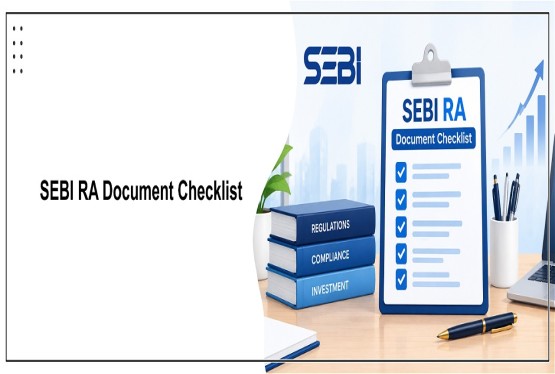
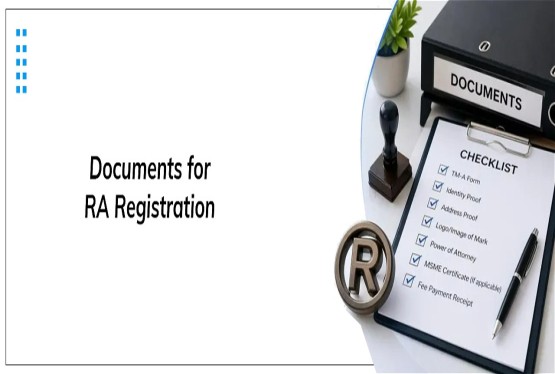
Applicants must submit proper documents to support their eligibility. Common documents include PAN, identity proof, address proof, educational qualification certificates, NISM certificates, net worth certificate, income tax returns, financial statements, business plan, infrastructure details, compliance policies, client agreement format, fit and proper declaration and disciplinary history declaration.
For companies and LLPs, additional documents such as certificate of incorporation, LLP agreement, MOA, AOA, board resolution, ownership details, shareholding pattern, directors’ or partners’ details, GST details if applicable, bank proof and audited financial statements may be required. Proper documentation is very important because incomplete or inconsistent documents may result in clarification, delay or rejection.
Compliance Readiness Before Applying
Before applying for RIA Registration, the applicant should prepare a proper compliance system. This should include client onboarding process, risk profiling format, suitability assessment process, advisory agreement, fee disclosure format, grievance redressal process, record maintenance system, conflict of interest policy and audit readiness.
SEBI does not only check whether the applicant is qualified. It also checks whether the applicant is capable of running an advisory business responsibly. A well-prepared compliance system improves the quality of the application and reduces the chances of regulatory objections.
Common Mistakes Made by Applicants
Many applicants make mistakes while applying for SEBI RIA Registration. Common mistakes include selecting the wrong applicant category, submitting expired NISM certificates, not meeting the net worth requirement, giving unclear business plans, failing to prepare compliance policies, not appointing a suitable principal officer and not explaining conflict of interest properly.
Another common mistake is treating RIA registration as a simple form-filing process. In reality, SEBI RIA Registration requires regulatory understanding, documentation, financial proof and proper advisory process design.
Why Correct Applicant Category Matters
Choosing the correct applicant category is very important. An individual applicant and a non-individual applicant have different requirements. If a person wants to provide advice personally on a small scale, individual registration may be suitable. If the business is planned through a company, LLP, team or digital platform, non-individual registration may be better.
Wrong category selection can create compliance issues later. For example, if an individual adviser later wants to expand through a company structure, they may need to review registration and compliance requirements again. Therefore, applicants should decide the category after considering present needs and future business plans.
Benefits of Applying as a Registered Investment Adviser
RIA Registration gives legal recognition to investment advisory services. It improves credibility and helps clients trust the adviser. It also allows the adviser to build a structured advisory business under SEBI’s regulatory framework.
For businesses, registration supports transparent fee collection, proper client documentation, better investor confidence and long-term brand value. It also separates genuine investment advisers from unregistered market tip providers.
Conclusion
SEBI RIA Registration can be applied for by individuals, companies, LLPs, partnership firms, body corporates and other eligible entities that want to provide investment advisory services in India. However, the applicant must meet SEBI’s qualification, certification, net worth, infrastructure, fit and proper person and compliance requirements. Before applying, the applicant should clearly understand the business model, select the correct applicant category, arrange documents, appoint qualified persons and prepare compliance policies.
RIA Registration is not just a legal formality. It is a professional responsibility that requires transparency, investor protection and continuous compliance. For anyone planning to enter the investment advisory business, proper preparation is the first step. A well-prepared applicant not only improves the chances of registration approval but also builds a stronger, more credible and compliant advisory practice.
Frequently Asked Questions (FAQs)
Q1. Who can apply for Registered Investment Adviser Registration?
Ans. Any eligible individual, company, LLP, partnership firm, body corporate or other permitted entity can apply for Registered Investment Adviser Registration if they want to provide investment advisory services in India. The applicant must meet SEBI’s qualification, certification, net worth, infrastructure and fit and proper person requirements.
Q2. Can an individual apply for RIA Registration?
Ans. Yes, an individual can apply for RIA Registration in their own name. This option is suitable for independent financial planners, investment consultants, wealth advisers and finance professionals who want to provide advisory services personally.
Q3. Can a company apply for SEBI RIA Registration?
Ans. Yes, a company can apply for SEBI RIA Registration as a non-individual applicant. The company must have proper incorporation documents, qualified persons, a principal officer, required net worth, infrastructure and a strong compliance system.
Q4. Can an LLP apply for Registered Investment Adviser Registration?
Ans. Yes, an LLP can apply for Registered Investment Adviser Registration. It must submit documents such as certificate of incorporation, LLP agreement, partners’ details, net worth certificate, principal officer details and compliance policies.
Q5. Is NISM certification required for RIA Registration?
Ans. Yes, valid NISM Investment Adviser certification is generally required for individual advisers, principal officers and persons associated with investment advice. The certification should remain valid during the registration and advisory period.
Q6. Who is a principal officer in RIA Registration?
Ans. A principal officer is the key person responsible for managing and supervising investment advisory activities in a non-individual applicant such as a company, LLP or partnership firm. The principal officer must meet SEBI’s qualification, certification and experience requirements.
Q7. What is the role of persons associated with investment advice?
Ans. Persons associated with investment advice are employees or representatives who are involved in giving investment advice to clients. They must also meet the required qualification and certification standards prescribed under SEBI regulations.
Q8. Can a fintech platform apply for SEBI RIA Registration?
Ans. Yes, a fintech platform or online advisory business can apply for SEBI RIA Registration if it provides investment advice for a fee. Such applicants must have proper technology systems, data security, client onboarding, risk profiling and compliance processes.
Q9. What is the net worth requirement for RIA applicants?
Ans. SEBI requires applicants to meet minimum financial strength requirements. Individual applicants must meet the net tangible asset requirement, while non-individual applicants must meet the prescribed net worth requirement.
Q10. Is experience required for RIA Registration?
Ans. Experience may be required for key persons such as the principal officer, depending on the applicant category and applicable SEBI requirements. The applicant should provide proper experience documents wherever required.


_crop10_thumb.jpg)





_crop10_thumb.jpg)
_crop10_thumb.jpg)


_crop10_thumb.jpg)


_crop10_thumb.jpg)


_crop10_thumb.jpg)

_crop10_thumb.jpg)


-suratgujarat-section-158_crop10_thumb.jpg)
-suratgujarat_crop10_thumb.jpg)
-(33)_crop10_thumb.jpg)


-ahmedabad_crop10_thumb.jpg)
-learn_crop10_thumb.jpg)

-learnn_crop10_thumb.jpg)


_crop10_thumb.jpg)








_Guidelines_learn_crop10_thumb.jpg)


_learn_crop10_thumb.jpg)
_crop10_thumb.jpeg)


_crop10_thumb.jpg)


_Second_Amendment_Rules,_2025_learn_crop10_thumb.jpg)


_learn_crop10_thumb.jpg)



















_learn_crop10_thumb.jpeg)




















_learn_crop10_thumb.jpg)



_rd_roc_learn_crop10_thumb.jpg)















_learn_crop10_thumb.jpg)












_learn_crop10_thumb.jpg)
_Learn_crop10_thumb.jpg)




































_learn_crop10_thumb.jpg)




_learn_crop10_thumb.jpg)











_crop10_thumb.jpeg)


















_crop10_thumb.jpg)















_crop10_thumb.jpg)