


Foreign investment plays an important role in the growth of Indian businesses. Many Indian companies receive funds from foreign investors, while some Indian entities invest in foreign companies, subsidiaries or joint ventures. Whenever such foreign investment or overseas investment exists, proper reporting to the Reserve Bank of India becomes important.
One such annual compliance is the FLA Return, which stands for Foreign Liabilities and Assets Return. Many businesses also call it FLA Registration because the entity first needs to register on the RBI’s FLAIR portal before filing the return. This return is mainly filed by Indian entities that have received foreign direct investment or have made overseas investment.
FLA Return is not a tax filing. It is a regulatory reporting requirement under FEMA . The purpose of this filing is to report the foreign assets and foreign liabilities of Indian entities to RBI. It helps the government and RBI understand the position of foreign investment in India and overseas investments made by Indian entities.
What is FLA Return?
FLA Return means Foreign Liabilities and Assets Return. It is an annual return filed with RBI by eligible Indian entities. This return contains details of foreign investment received by the entity and overseas investment made by the entity.
In simple words, if an Indian company has foreign shareholders or has invested outside India, FLA Return may become applicable. It gives RBI a clear picture of the entity’s foreign liabilities and foreign assets as on the end of the financial year.
Foreign liability generally means investment received from a person or entity outside India. Foreign asset generally means investment made by an Indian entity in any foreign company, subsidiary or joint venture.
Meaning of FLA Registration
Technically, FLA Registration is not a separate registration like GST registration or MSME registration. The term is commonly used for registering on RBI’s FLAIR portal and filing the FLA Return. The entity needs to create login credentials on the FLAIR portal.
Once the registration is completed, the authorised person can enter the required financial and investment details and submit the return online. So, FLA Registration generally means registering the entity on the RBI FLAIR portal for the purpose of annual FLA Return filing.
Who is Not Required to File FLA Return?
An entity is generally not required to file FLA Return if it has not received any foreign direct investment and has not made any overseas investment. A purely domestic company with only Indian shareholders and no foreign assets or foreign liabilities may not fall under this filing requirement.
However, before deciding that FLA filing is not applicable, the company should properly review its balance sheet, shareholding pattern and overseas investment details. If there is any foreign shareholder, foreign subsidiary, foreign joint venture or outstanding foreign investment, professional review is advisable.
Due Date for FLA Return Filing
The general due date for filing FLA Return is 15 July every year. The return is filed for the financial position as on 31 March of the relevant financial year. For example, for the financial year ending on 31 March 2026, the FLA Return is generally required to be filed by 15 July 2026.
Many companies face a practical issue because their accounts may not be audited before 15 July. In such cases, the return can be filed on the basis of provisional or unaudited financial statements. After the audit is completed, the return may be revised if there is any change in the figures.
Why FLA Return Filing is Important?
FLA filing is important because it is connected with FEMA compliance. Any entity receiving foreign investment or making overseas investment must ensure that all reporting requirements are properly followed. A clean FEMA compliance record is also useful during funding, investment rounds, due diligence, merger, acquisition, restructuring or foreign investor review. If the FLA Return is missed, it may create questions during future transactions. Timely FLA filing also helps the entity avoid penalties, regulatory issues and unnecessary compliance complications.
Documents and Details Required for FLA Return
For filing FLA Return, the entity needs financial details and foreign investment-related information. The exact requirement may depend on the nature of foreign investment or overseas investment.
Generally, the following details are required:
- Basic details of the entity such as name, PAN, CIN or LLPIN
- Financial details from audited or provisional accounts
- Details of foreign shareholders or foreign investors
- Details of overseas investment, if any
- Country-wise investment details
- Authorised person details
These details should be entered carefully because the return contains financial and foreign exchange-related information. Any wrong figure or mismatch may create issues later.
FLAIR Portal for FLA Filing
FLA Return is filed online through RBI’s FLAIR portal. FLAIR stands for Foreign Liabilities and Assets Information Reporting. The portal is used for registration, login, data entry and submission of the annual return.
If the entity is filing for the first time, it must first register on the portal. After registration, login details are created and the authorised person can access the return form. Once the form is filled and verified, it can be submitted online. After submission, the acknowledgement or confirmation should be saved for future records.
Step-by-Step Process for FLA Registration and Filing
- The first step is to check whether FLA filing is applicable to the entity. This is done by reviewing the company’s foreign shareholding, foreign investment received, overseas investment made and balance sheet position.
- The second step is to register on the RBI FLAIR portal. The entity needs to provide basic information such as entity name, identification details, authorised person details and contact information.
- The third step is to create login credentials. After successful registration, the authorised user can log in to the portal and access the FLA Return form.
- The fourth step is to enter the financial details. These details should be taken from the audited financial statements. If audited accounts are not ready, provisional financials may be used.
- The fifth step is to enter the details of foreign liabilities and foreign assets. This includes information related to foreign shareholders, country of investment, amount of investment, overseas subsidiaries, joint ventures or other relevant data.
- The sixth step is to review the return carefully. The entity should check whether all figures are correct and whether the foreign investment details match the records.
The final step is to submit the return online and save the acknowledgement for future reference.
Filing FLA Return with Unaudited Financials
In many cases, the audit of financial statements is not completed before the FLA due date. This does not mean the entity should wait and miss the deadline. The return may be filed using provisional or unaudited figures.
Once the audit is completed, the entity should compare the audited financial statements with the figures filed in the FLA Return. If there is any difference, the return may be revised as per the process available on the portal. This option helps entities meet the deadline and maintain timely compliance.
Is FLA Return Required Every Year?
FLA Return is an annual filing. If the entity continues to have foreign liabilities or foreign assets in its balance sheet, applicability should be checked every year. For example, if a company received foreign investment in 2022 and the foreign investor still holds shares in the company, the company may need to file FLA Return every year. It is not necessary that fresh investment should be received every year. Similarly, if an Indian company made overseas investment in an earlier year and that investment continues to exist, FLA reporting may still be required.
Common Mistakes in FLA Return Filing
One common mistake is assuming that FLA filing is not required because no fresh foreign investment was received during the year. This is not correct in all cases. If foreign investment received in earlier years is still outstanding, FLA Return may still be applicable.
Another mistake is using incorrect financial figures or foreign shareholder details. Since the return is based on financial data, the figures should be carefully taken from books of accounts. Some entities also miss the due date because they wait for audited financial statements. If the audit is pending, provisional figures can be used, and the return may be revised later if required.
Penalty for Non-Filing or Late Filing
Non-filing or delay in filing FLA Return may lead to FEMA compliance issues. Since FLA Return is connected with foreign exchange reporting, entities should not ignore this compliance. If the due date has already passed, the entity should take professional advice and complete the filing or regularisation process as soon as possible. Timely action can help reduce future complications.
FLA Filing for Startups
Many Indian startups receive funds from foreign investors. In such cases, FLA Return becomes an important annual compliance. Startups usually focus on business growth, product development and fundraising, but FEMA compliance should also be handled properly.
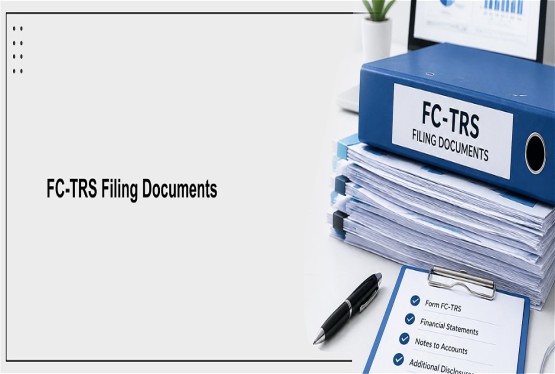
If a startup has foreign shareholders, it should maintain proper records of share allotment, valuation, FC-GPR filing and annual FLA filing. This becomes very important during future funding rounds because investors usually check past compliance records.
FLA Filing for Companies Having Overseas Subsidiaries
Indian companies that invest in foreign subsidiaries or joint ventures may also be required to file FLA Return. The overseas investment made by the Indian company is treated as a foreign asset and must be reported if applicable. Even if the foreign subsidiary is not earning revenue, the investment may still appear in the books of the Indian company. Therefore, FLA applicability should be reviewed every year.
Practical Example of FLA Applicability
Suppose an Indian private limited company received investment from a Singapore-based investor in 2023. The foreign investor continues to hold shares in the company as on 31 March 2026. Even if the company did not receive fresh foreign investment during FY 2025-26, FLA Return may still be applicable because foreign liability exists in its balance sheet. Similarly, if an Indian company invested in a Dubai-based subsidiary in an earlier year and that investment is still shown in the books, FLA filing may be applicable due to the foreign asset.
Benefits of Timely FLA Filing
Timely FLA filing helps the entity maintain a clean FEMA compliance record. It also supports smooth investor due diligence, future funding, overseas transactions and regulatory review. For companies dealing with foreign investors, compliance history matters a lot. A missed FLA Return may create questions during investment, acquisition or restructuring. Filing the return on time helps avoid such issues.
Conclusion
FLA Registration or FLA Return filing is an important annual compliance for Indian entities having foreign investment or overseas investment. It is filed with RBI through the FLAIR portal and is generally due by 15 July every year.
The return helps RBI collect information about foreign liabilities and foreign assets of Indian entities. Companies, LLPs and other eligible entities should review FLA applicability every year and file the return on time wherever required.
Businesses should not treat FLA filing as a one-time compliance. If foreign investment or overseas investment continues to exist in the balance sheet, annual reporting may still be required. Proper and timely FLA filing helps avoid FEMA-related issues and keeps the business ready for future investment or expansion.
FAQs
Q1. What is FLA Return?
Ans. FLA Return is an annual return filed with RBI by Indian entities having foreign liabilities or foreign assets.
Q2. What does FLA stand for?
Ans. FLA stands for Foreign Liabilities and Assets.
Q3. Is FLA Registration mandatory?
Ans. FLA portal registration and return filing are required for eligible entities having foreign investment or overseas investment.
Q4. What is the due date for FLA Return?
Ans. The general due date for FLA Return filing is 15 July every year.
Q5. Can FLA Return be filed with unaudited accounts?
Ans. Yes, if audited accounts are not ready, the return may be filed using provisional figures.
Q6. Is FLA Return required if no fresh FDI was received?
Ans. Yes, if earlier foreign investment is still outstanding in the balance sheet, FLA filing may still be required.
Q7. Where is FLA Return filed?
Ans. FLA Return is filed online through the RBI FLAIR portal.
Q8. Is FLA Return the same as FC-GPR?
Ans. No. FC-GPR is filed for issue of shares to foreign investors, while FLA Return is annual reporting.
Q9. What happens if FLA Return is not filed?
Ans. Non-filing or late filing may lead to FEMA compliance issues and possible regulatory consequences.
Q10. Do startups need to file FLA Return?
Ans. Yes, startups having foreign shareholders or overseas investment should check FLA applicability every year.


_crop10_thumb.jpg)





_crop10_thumb.jpg)
_crop10_thumb.jpg)


_crop10_thumb.jpg)


_crop10_thumb.jpg)


_crop10_thumb.jpg)

_crop10_thumb.jpg)


-suratgujarat-section-158_crop10_thumb.jpg)
-suratgujarat_crop10_thumb.jpg)
-(33)_crop10_thumb.jpg)


-ahmedabad_crop10_thumb.jpg)
-learn_crop10_thumb.jpg)

-learnn_crop10_thumb.jpg)


_crop10_thumb.jpg)








_Guidelines_learn_crop10_thumb.jpg)


_learn_crop10_thumb.jpg)
_crop10_thumb.jpeg)


_crop10_thumb.jpg)


_Second_Amendment_Rules,_2025_learn_crop10_thumb.jpg)


_learn_crop10_thumb.jpg)




















_learn_crop10_thumb.jpeg)





















_learn_crop10_thumb.jpg)


_rd_roc_learn_crop10_thumb.jpg)
















_learn_crop10_thumb.jpg)













_learn_crop10_thumb.jpg)
_Learn_crop10_thumb.jpg)










































_learn_crop10_thumb.jpg)




_learn_crop10_thumb.jpg)













_crop10_thumb.jpeg)






















_crop10_thumb.jpg)





















_crop10_thumb.jpg)