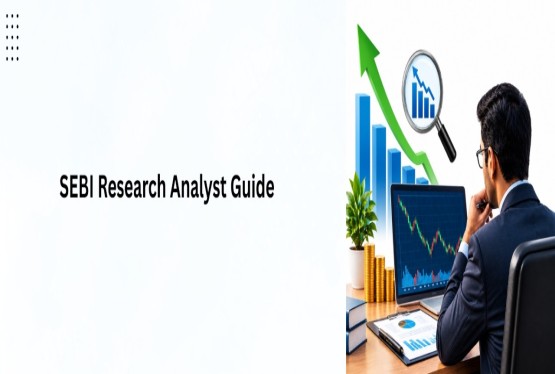
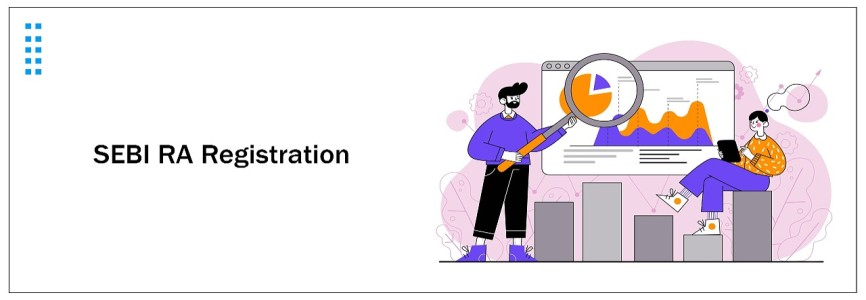



SEBI Research Analyst Registration is mandatory for any person or entity that wants to provide research reports, stock recommendations, securities analysis, model portfolio recommendations, or buy, sell and hold views relating to securities in India. The purpose of this registration is to protect investors from misleading, biased and unregulated market recommendations.
The securities market is sensitive because investors often take financial decisions based on research reports, videos, newsletters, social media posts, market calls and paid recommendations. If such information is given without proper qualification, disclosure and accountability, investors may suffer financial loss. Therefore, SEBI regulates Research Analysts under the SEBI Act, 1992 and the SEBI (Research Analysts) Regulations, 2014.
Meaning of Research Analyst
A Research Analyst is a person or entity engaged in preparing, publishing or communicating research reports or recommendations relating to securities. The work of a Research Analyst may include analysing listed companies, sectors, industries, financial statements, market trends, valuation, earnings, risks and investment outlook.
A Research Analyst may share research through reports, websites, mobile applications, newsletters, webinars, public appearances, social media platforms, paid groups or subscription-based services. The mode of communication does not change the compliance requirement. If the activity involves research-based securities recommendations, SEBI registration may be required.
Difference Between Research Analyst and Investment Adviser
A Research Analyst gives research-based views, reports and recommendations on securities. An Investment Adviser gives personalised investment advice based on the financial situation, risk profile and investment objective of a particular client.
This difference is important because both activities are separately regulated. A Research Analyst should not provide personalised investment planning unless separately registered as an Investment Adviser. Similarly, an RA should not offer portfolio management, assured returns or execution-based advisory services unless legally permitted.
Legal Context for SEBI RA Registration
SEBI Act, 1992
The SEBI Act, 1992 gives SEBI the power to protect investors and regulate the securities market. Section 11 empowers SEBI to take measures for investor protection and market development. Section 11 also allows SEBI to regulate intermediaries and prevent fraudulent and unfair trade practices.
Section 12 is important because it requires regulated intermediaries to obtain registration from SEBI before carrying out specified activities. Research Analysts fall within the regulated framework and therefore must obtain SEBI registration before offering research services.
SEBI (Research Analysts) Regulations, 2014
The SEBI (Research Analysts) Regulations, 2014 are the main regulations governing RA registration and compliance. These regulations cover eligibility, qualification, certification, registration process, conditions of registration, disclosures, conflict management, record keeping, audit, code of conduct and restrictions on trading.
These regulations are amended from time to time. Therefore, every applicant and registered RA must check the latest applicable provisions before filing an application or offering research services.
SEBI Circulars and Guidelines
Apart from the principal regulations, SEBI also issues circulars and guidelines to clarify practical compliance requirements. These may cover client onboarding, deposit requirements, model portfolio recommendations, audit, reporting, complaints, advertisement rules and supervisory body requirements.
A Research Analyst should not rely only on the original regulations. The RA must also comply with circulars, operational guidelines, administration body requirements and exchange-based supervisory directions wherever applicable.
Who Needs SEBI RA Registration?
Individual Research Analysts
An individual who independently provides securities research, stock recommendations, model portfolios or market analysis to investors must obtain SEBI RA Registration. This applies even if the individual provides services through YouTube, Telegram, WhatsApp, email newsletters, website subscriptions, webinars or social media platforms.
Even if the content is called “education” or “market awareness,” SEBI may examine the actual nature of the activity. If the communication influences investment decisions through securities-specific recommendations, RA registration may be required.
Partnership Firms, LLPs and Companies
A partnership firm, LLP or company offering research services must register as a Research Analyst entity. Such entities must ensure that persons associated with research activities satisfy qualification and certification requirements.
The entity must also maintain internal systems for disclosures, conflict management, research independence, employee trading, grievance redressal, audit and record keeping.
Employees and Associated Persons
Employees and associated persons involved in research preparation, review or communication must meet applicable qualification and certification conditions. This ensures that research is prepared by competent persons and not by unqualified staff. Entities must also supervise their employees and ensure that no person issues unauthorised recommendations on behalf of the entity.
Online Educators and Finfluencers
Online educators and finfluencers may need RA Registration if they provide stock-specific recommendations, target prices, buy/sell/hold calls, entry-exit levels or model portfolios. General financial education may not always require registration, but securities-specific recommendations can fall within the RA. Therefore, content creators in the finance space should carefully separate education from regulated research activity.
Eligibility for SEBI RA Registration
Educational Qualification
The applicant must satisfy the qualification requirements prescribed under SEBI RA Regulations. The qualification requirement is meant to ensure that the applicant has adequate knowledge to understand securities markets, financial statements, valuation, risks and investor protection principles. The exact eligibility should always be checked from the latest amended regulations because SEBI may revise qualification norms from time to time.
NISM Certification
A valid NISM Research Analyst Certification is one of the key requirements for RA Registration. The applicant and associated persons involved in research services must hold the prescribed certification. The certification must remain valid during the period of registration. If the certificate expires, it should be renewed within the prescribed timeline to avoid non-compliance.
Professional Competence
A Research Analyst should have the ability to analyse companies, financial statements, industries, market trends, securities valuation and risk factors. Professional competence is important because investors may rely on research recommendations while making investment decisions. Even where minimum qualification is satisfied, the applicant should maintain proper research methodology, data sources and analytical systems.
Fit and Proper Person Requirement
The applicant must be a fit and proper person. This means the applicant should have integrity, honesty, good reputation, financial soundness and no serious history of fraud, market manipulation, regulatory default or criminal misconduct. SEBI may examine past conduct before granting registration. Any adverse regulatory history may affect the application.
Infrastructure Requirement
The applicant must have adequate infrastructure to provide research services. This may include office setup, technology systems, research database, compliance process, record storage, client communication system and grievance redressal mechanism. For companies and LLPs, infrastructure also includes internal policies and proper supervision of employees.
Deposit and Financial Requirement
Purpose of Deposit Requirement
SEBI has introduced deposit-based requirements to strengthen accountability among Research Analysts. The deposit works as a financial safeguard and may be linked to the number of clients served by the RA. This requirement ensures that RAs maintain financial discipline and have some regulatory commitment toward investor protection and dispute resolution.
Client-Based Deposit Structure
The deposit requirement may vary according to the client base of the Research Analyst. A Research Analyst serving more clients may be required to maintain a higher deposit compared to a smaller RA. Applicants must check the latest applicable deposit slab before applying because the amount and structure may be revised through SEBI circulars or supervisory body guidelines.
Replacement of Earlier Net Worth Focus
The regulatory context has moved toward a more practical deposit-based structure for Research Analysts. This helps align compliance burden with the size of the RA’s business. The objective is to make the context more suitable for individual professionals as well as larger research entities.
RAASB and Supervisory Context
Meaning of RAASB
RAASB means Research Analyst Administration and Supervisory Body. It is a recognised body responsible for administrative and supervisory functions relating to Research Analysts. The RAASB helps improve monitoring, application processing, compliance checks, grievance handling and supervision of Research Analysts.
Enlistment with RAASB
Research Analysts may be required to enlist with RAASB after or during registration. Enlistment helps bring RAs under a structured supervisory system. Applicants should check the prescribed process, forms, fees and documentation required for RAASB enlistment.
Importance of Supervisory
The supervisory ensures that RA Registration is not treated as a one-time approval. RAs must continue to comply with ongoing requirements, submit reports, respond to queries, maintain records and cooperate during inspection or audit. This improves accountability and investor protection.
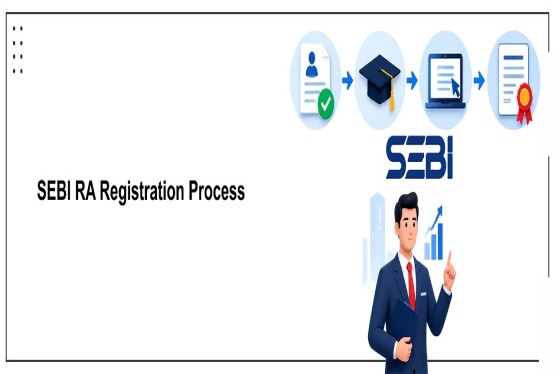
Application Process for SEBI RA Registration
Step 1: Identify Applicant Category
The first step is to decide whether the application will be filed as an individual, partnership firm, LLP, company or body corporate. The documentation and compliance requirements may differ depending on the applicant type. Individual applicants usually have simpler structural requirements, while entities need to submit incorporation documents, ownership details, management details and employee information.
Step 2: Check Eligibility
Before filing the application, the applicant must check qualification, certification, experience, fit and proper status, financial requirement and infrastructure readiness. This step reduces the chances of objections, queries and application delay.
Step 3: Prepare Documents
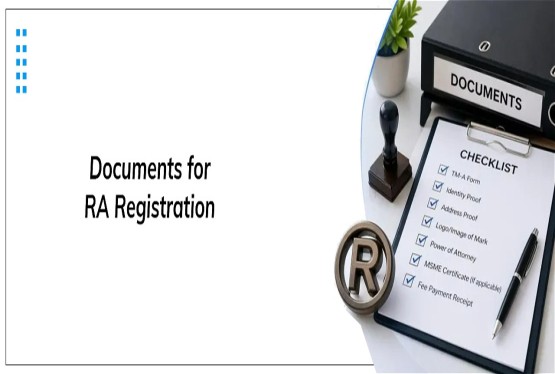
The applicant must prepare all required documents before filing. These may include PAN, identity proof, address proof, educational certificates, NISM certificate, experience proof, financial documents, deposit proof, business plan, compliance policies and declarations. For entities, additional documents such as incorporation certificate, partnership deed, LLP agreement, memorandum, articles, board resolution, shareholding pattern and details of directors or partners may be required.
Step 4: File Application
The application must be filed through the prescribed platform or intermediary portal as applicable. The form should be filled carefully, and all documents should be uploaded in the required format. The applicant must ensure that the details mentioned in the form match the supporting documents.
Step 5: Reply to Queries
After submission, SEBI or the supervisory body may raise queries. These queries may relate to eligibility, business model, client communication, social media activity, past conduct, research process, compliance policies or financial requirements. The applicant must provide clear and complete replies within the prescribed time. Delayed or incomplete replies may affect approval.
Step 6: Payment of Fees and Grant of Registration
Once the application is approved, the applicant must pay the prescribed registration fees and complete other formalities. After approval, the applicant receives the SEBI RA registration number. The registration number must be displayed on research reports, website, advertisements, client communication and other official material.
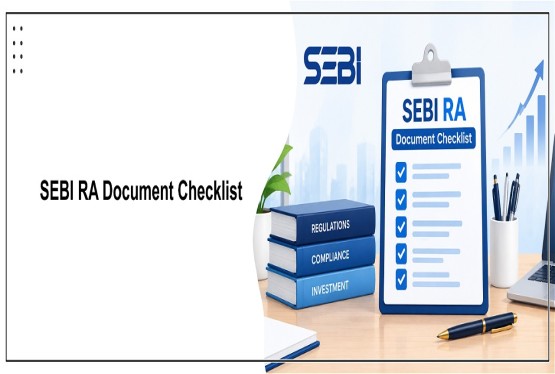
Documents Required for SEBI RA Registration
Identity and Address Documents
Individual applicants must provide PAN, Aadhaar or other identity proof, address proof, photograph, email ID and contact details. All details should be consistent across documents. Any mismatch in name, date of birth, address or PAN details may result in application queries.
Qualification and Certification Documents
The applicant must provide educational qualification certificates and valid NISM Research Analyst Certification. If the applicant relies on experience, supporting experience documents may also be required. Associated persons involved in research activity must also provide relevant qualification and certification documents.
Financial and Deposit Documents
The applicant may be required to provide financial statements, income tax returns, net worth details or deposit-related proof as applicable. These documents help demonstrate financial soundness and compliance with SEBI’s financial requirements.
Business Plan and Research Process
The applicant should prepare a clear business plan describing the nature of research services, target clients, fee structure, research methodology, communication channels and compliance systems. A proper research process note should explain how research will be prepared, reviewed and published.
Compliance Policies
The applicant should maintain policies on conflict of interest, employee trading, research disclosure, grievance redressal, record keeping, KYC, client onboarding, advertisement and code of conduct. These policies show that the applicant is ready to operate as a regulated market intermediary.
Post-Registration Compliance
Display of SEBI Registration Details
After registration, the RA must display its SEBI registration number, registered name, address, contact details and grievance redressal details on website, research reports, advertisements and client communication. This helps investors verify the authenticity of the Research Analyst.
Client Onboarding and Terms
The RA must provide clear terms and conditions to clients before offering services. The terms should cover scope of service, fees, refund policy, risk disclosure, grievance process, limitations of research and investor responsibilities. Clients should not be misled through unclear promises or hidden conditions.
KYC and Client Records
The RA must maintain proper client records and KYC-related details as required under applicable rules. Client data should be handled carefully and confidentially. Proper records help in compliance review, complaint handling and regulatory inspection.
Research Report Disclosures
Every research report should contain proper disclosures. These disclosures may include financial interest in the subject company, beneficial ownership, compensation received, business relationship, conflict of interest and trading restrictions. Disclosures are necessary to ensure that investors know whether the research is independent or affected by any interest.
Record Maintenance
The RA must maintain records of research reports, recommendations, rationale, client communications, complaints, disclosures, audit reports and compliance documents. Proper record keeping is important because SEBI or the supervisory body may inspect records during supervision or investigation.
Annual Compliance Audit
A registered Research Analyst must undergo compliance audit as prescribed. The audit checks whether the RA has followed SEBI regulations, circulars, disclosures, client onboarding rules, record keeping requirements and code of conduct. If the audit finds deficiencies, the RA should take corrective action promptly.
Code of Conduct for Research Analysts
Honesty and Fairness
A Research Analyst must act honestly, fairly and professionally. The RA should not mislead investors, manipulate facts or issue recommendations without proper research basis. The RA’s duty is to provide independent and balanced research.
Due Skill and Care
Research should be prepared with due skill, care and diligence. The RA should rely on credible data, proper analysis and reasonable assumptions. Careless or unsupported recommendations may result in investor harm and regulatory action.
Conflict of Interest Management
The RA must identify and disclose conflicts of interest. If the RA or its associates have financial interest in the securities being recommended, such interest should be disclosed. Conflict management helps maintain trust and transparency.
Confidentiality
A Research Analyst must maintain confidentiality of client information and sensitive data. Client information should not be misused or shared without proper authority. Confidentiality is an important part of professional conduct.
Restrictions on Research Analysts
No Assured Return Claims
A Research Analyst cannot promise guaranteed profit, assured return or risk-free income from securities market recommendations. Such claims are misleading because market investments are subject to risk. All research communication should carry appropriate risk disclosures.
No Front Running
A Research Analyst should not trade before issuing a recommendation to benefit from the expected market movement. This is a serious violation and may attract regulatory action. Internal trading policies must be maintained to prevent misuse of research information.
No Insider Trading
A Research Analyst must not use unpublished price-sensitive information for research recommendations or personal trading. If the RA has access to confidential information, proper restrictions and disclosures must be followed.
No Misleading Advertisement
Advertisements should not contain false claims, exaggerated performance, fake testimonials or unrealistic return promises. Marketing material should be fair, clear and compliant with SEBI requirements.
Model Portfolio Recommendations
Meaning of Model Portfolio
A model portfolio is a structured basket of securities recommended by a Research Analyst. It may include allocation, rebalancing, investment theme, risk category and holding period. Model portfolio recommendations must be handled carefully because they may influence investor decisions strongly.
Compliance for Model Portfolios
The RA must clearly disclose that a model portfolio is research-based and not personalised investment advice. The RA should also disclose assumptions, methodology, risk level, review frequency and limitations. Proper documentation should be maintained for all model portfolio recommendations.
Risk Disclosure
Investors must be informed that model portfolios are subject to market risk and may not be suitable for every investor. Past performance should not be presented as a guarantee of future returns. Clear risk disclosure reduces mis-selling and investor misunderstanding.
Advertisement and Social Media Compliance
Website Compliance
The RA’s website should display registration details, investor charter, grievance contact, disclosures, terms and conditions, fee structure and risk warnings. The website should not contain false claims, unverified performance or assured profit statements.
Social Media Compliance
Social media posts are also subject to compliance if they contain securities recommendations. A Research Analyst cannot avoid SEBI rules by using informal platforms. Telegram, WhatsApp, YouTube, Instagram, LinkedIn and other platforms must be used responsibly.
Promotional Content
Promotional content should be factual and not misleading. The RA should avoid language such as “100% profit,” “sure shot call,” “guaranteed target,” or “loss recovery plan.” Every promotional message should reflect the risk involved in securities market activity.
Investor Grievance Redressal
Complaint Handling Mechanism
A Research Analyst must have a proper complaint handling system. Investors should be able to raise complaints through email, website or prescribed grievance platforms. Complaints should be resolved within the prescribed timeline.
Record of Complaints
The RA must maintain records of investor complaints, replies, resolution status and supporting documents. Complaint records help demonstrate compliance during audit and inspection.
Regulatory Escalation
If complaints are not resolved properly, investors may escalate the matter to SEBI or the supervisory body. Therefore, timely and fair resolution is essential for protecting the RA’s reputation and registration status.
Recent Updates in RA Regulatory
Stronger Supervisory System
The regulatory for Research Analysts has become more structured with the introduction of administration and supervisory bodies. This has improved application processing, compliance monitoring and ongoing supervision. Research Analysts must now maintain better documentation and reporting discipline.
Deposit-Based Compliance
Deposit-based compliance has become an important part of the RA. It links regulatory responsibility with the scale of clients handled by the RA. This change is intended to strengthen investor protection and ensure accountability.
Focus on Finfluencer Regulation
SEBI has increased scrutiny of unregistered online financial influencers. Persons giving stock-specific recommendations without registration may face regulatory action. This is important for social media educators, YouTubers, Telegram channel operators and paid market groups.
Model Portfolio Regulation
Model portfolio recommendations have received regulatory attention because they may resemble investment advice if not properly disclosed. RAs offering model portfolios must maintain methodology, disclosures, records and risk warnings.
Common Reasons for Delay or Rejection
Incomplete Documents
Applications may be delayed if identity proof, qualification certificates, NISM certificate, financial documents or declarations are missing or incorrect. Applicants should check the complete document list before filing.
Invalid Certification
If the NISM certificate is expired or not applicable, the application may face objection. Applicants and associated persons must maintain valid certification.
Unclear Business Model
If the business model appears to include investment advisory, portfolio management, execution services or assured return schemes, SEBI may raise concerns. The applicant must clearly define the scope of research services.
Misleading Online Presence
If the applicant’s website or social media contains profit guarantees, paid tips, fake performance claims or unregistered advisory activity, the application may be delayed or rejected. Public content should be reviewed before applying.
Weak Compliance Policies
Generic or incomplete compliance policies may create regulatory concerns. Policies should match the applicant’s actual business model and operations. A strong compliance framework improves approval chances.
Penalties for Non-Compliance
Warning and Direction
SEBI may issue warnings or directions if a Research Analyst violates regulations or fails to comply with registration conditions. Such directions may include corrective action, refund, disclosure correction or operational restriction.
Monetary Penalty
SEBI may impose monetary penalties for violations such as unregistered activity, misleading recommendations, failure to disclose conflicts, non-maintenance of records or non-compliance with audit requirements. Penalties can also damage market reputation.
Suspension or Cancellation
Serious violations may lead to suspension or cancellation of RA registration. Once registration is cancelled, the person or entity cannot continue research services. Cancellation may also affect future applications and credibility.
Market Access Restriction
In serious cases, SEBI may restrict the person from accessing or dealing in the securities market. This is a serious consequence and can affect professional and business operations.
Conclusion
SEBI RA Registration is a compulsory approval for individuals and entities that want to provide regulated securities research in India. It helps ensure that research reports, stock recommendations, market views, and model portfolio suggestions are given only by qualified and certified professionals. This framework protects investors from misleading advice, hidden conflicts of interest, false profit claims, and unregistered market activities.
The legal framework is mainly based on the SEBI Act, 1992, SEBI Research Analysts Regulations, 2014, SEBI circulars, supervisory body rules, and code of conduct requirements. Before applying, the applicant must meet eligibility, qualification, certification, fit and proper, deposit, and documentation requirements. After registration, the Research Analyst must follow continuous compliance such as proper disclosures, client onboarding, record maintenance, compliance audit, grievance redressal, advertisement rules, and social media discipline. Therefore, every RA should build a strong compliance system and work with transparency, professionalism, and investor-first responsibility.
Frequently Asked Questions (FAQs)
Q1. What is SEBI RA Registration?
Ans. SEBI RA Registration is a mandatory registration required for any person or entity that wants to provide securities research, stock recommendations, research reports, or buy, sell and hold views in India. It is regulated by SEBI under the SEBI Research Analysts Regulations.
Q2. Who is required to obtain SEBI RA Registration?
Ans. Any individual, company, LLP, partnership firm or body corporate that provides research reports or securities recommendations to investors is required to obtain SEBI RA Registration. This may include independent analysts, research firms, online platforms, paid stock recommendation services and model portfolio providers.
Q3. Can an individual apply for SEBI RA Registration?
Ans. Yes, an individual can apply for SEBI RA Registration if they satisfy the eligibility criteria, qualification requirement, certification requirement, fit and proper person condition, and other compliance requirements prescribed by SEBI.
Q4. Is NISM certification mandatory for RA Registration?
Ans. Yes, NISM Research Analyst Certification is mandatory for applicants and associated persons involved in research services. The certification must remain valid during the period of registration.
Q5. What is the main law governing Research Analysts in India?
Ans. Research Analysts in India are mainly governed by the SEBI Act, 1992 and the SEBI Research Analysts Regulations, 2014. SEBI also issues circulars and guidelines from time to time for operational compliance.
Q6. What is the difference between a Research Analyst and an Investment Adviser?
Ans. A Research Analyst gives research-based views and recommendations on securities. An Investment Adviser gives personalised advice based on the client’s financial goals, income, risk profile and investment needs. Both require separate regulatory registration.
Q7. Can a Research Analyst give personalised investment advice?
Ans. No, a Research Analyst should not give personalised investment advice unless separately registered as an Investment Adviser. RA services should remain research-based and not become client-specific financial planning.
Q8. Can a YouTuber or finfluencer require RA Registration?
Ans. Yes, if a YouTuber, finfluencer or social media creator gives stock-specific recommendations, buy/sell calls, target prices, entry-exit levels or model portfolios, SEBI RA Registration may be required.
Q9. Is general stock market education allowed without RA Registration?
Ans. General education on finance, investing concepts, market awareness or basic securities knowledge may not require RA Registration. However, once the content becomes securities-specific recommendation or research service, registration may be required.
Q10. What documents are required for SEBI RA Registration?
Ans. Common documents include PAN, identity proof, address proof, educational certificates, NISM certificate, experience proof, financial documents, deposit proof, business plan, compliance policies, declarations, and entity documents where the applicant is a company, LLP or firm.


_crop10_thumb.jpg)





_crop10_thumb.jpg)
_crop10_thumb.jpg)


_crop10_thumb.jpg)


_crop10_thumb.jpg)


_crop10_thumb.jpg)

_crop10_thumb.jpg)


-suratgujarat-section-158_crop10_thumb.jpg)
-suratgujarat_crop10_thumb.jpg)
-(33)_crop10_thumb.jpg)


-ahmedabad_crop10_thumb.jpg)
-learn_crop10_thumb.jpg)

-learnn_crop10_thumb.jpg)


_crop10_thumb.jpg)






_Guidelines_learn_crop10_thumb.jpg)


_learn_crop10_thumb.jpg)
_crop10_thumb.jpeg)


_crop10_thumb.jpg)


_Second_Amendment_Rules,_2025_learn_crop10_thumb.jpg)


_learn_crop10_thumb.jpg)














_learn_crop10_thumb.jpeg)















_learn_crop10_thumb.jpg)


_rd_roc_learn_crop10_thumb.jpg)











_learn_crop10_thumb.jpg)








_learn_crop10_thumb.jpg)
_Learn_crop10_thumb.jpg)


























_learn_crop10_thumb.jpg)



_learn_crop10_thumb.jpg)








_crop10_thumb.jpeg)









_crop10_thumb.jpg)









_crop10_thumb.jpg)