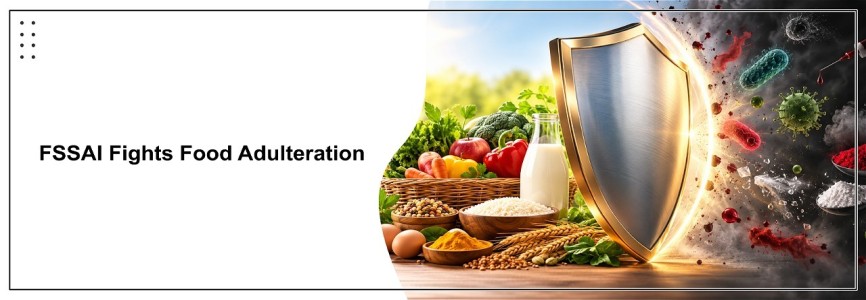



The Food Safety and Standards Authority of India (FSSAI) has issued an important direction to all States and Union Territories regarding food safety during the festive season. The communication, dated 29 September 2026, asks food safety authorities to increase inspections, sampling and enforcement activities during Navratri and Diwali.
The main purpose of this special festive drive is to control the sale of adulterated, counterfeit and unsafe food products. During festivals, the demand for sweets, milk products, edible oil, beverages and savoury items increases sharply. FSSAI has therefore asked enforcement teams to keep a close watch on such products and take necessary action wherever required.
Why Has FSSAI Announced This Special Drive?
Navratri and Diwali are among the biggest festive periods in India. During this time, people purchase large quantities of sweets, snacks, milk products and other food items. Because of the increase in demand, there is also a higher risk of adulteration and sale of poor-quality food. Some manufacturers or sellers may use cheaper ingredients, artificial colours, low-quality oil or other substances to increase production and reduce costs.
FSSAI has highlighted the need for stronger surveillance so that consumers receive safe and good-quality food products during the festive season. The authority has asked state food safety departments to take strict action against businesses involved in the sale of unsafe, adulterated or counterfeit food.
Food Products Under Special Focus
The FSSAI direction covers several food products that are commonly consumed during festivals.
The main products include:
-
Milk and milk products
-
Ghee
-
Khoa
-
Paneer
-
Sweets
-
Snacks and savouries
-
Namkeen
-
Papad
-
Fryums
-
Edible oils
-
Beverages
These products are often sold in large quantities during Navratri and Diwali. Therefore, food safety officers may collect samples from manufacturers, wholesalers, retailers, sweet shops, dairy units and other food businesses. The focus may be higher in locations where complaints, past violations or intelligence inputs indicate a greater risk of adulteration.
Special Attention to Regional Food Products
FSSAI License has also mentioned that food consumption patterns can differ from one region to another. For example, during fasting periods, products made from kuttu atta and singhada atta may see higher demand in northern and western parts of the country.
Food safety departments have therefore been advised to consider local eating habits while planning inspections and sampling. This means that enforcement activity may not be the same in every State or UT. Authorities may focus more on products that are widely used in a particular area during the festive period.
Inspections and Food Sampling to Increase
One of the main instructions given by FSSAI is to increase field inspections and sampling during the festive season. Designated Officers, Food Safety Officers and Central Food Safety Officers may be asked to visit food manufacturing units, shops, markets and other locations.
Samples may be collected and tested to check whether the food meets prescribed safety and quality standards. Special inspections may also be carried out at locations identified as sensitive areas or adulteration hotspots. Food businesses should therefore ensure that their manufacturing, storage, packaging and sale practices are in line with the Food Safety and Standards Act and applicable regulations.
Food Safety on Wheels May Be Used
FSSAI has also asked authorities to make better use of Food Safety on Wheels, wherever available. Food Safety on Wheels are mobile food testing units that can be taken to markets and other busy locations. These mobile units can help authorities conduct quick testing of food samples and create awareness among consumers and food businesses.
According to the FSSAI direction, these mobile laboratories may be placed at major marketplaces or locations identified through specific intelligence inputs. On-the-spot testing can help authorities identify doubtful food products at an early stage.
Focus on Consumer Awareness
The festive drive is not limited to enforcement action. FSSAI has also asked authorities to use Food Safety on Wheels to create awareness among consumers. Consumers should remain careful while purchasing sweets, dairy products, edible oil and other festive food items.
People should avoid buying food from unhygienic or doubtful sources. They should also check packaging details, expiry or best-before dates and FSSAI licence or registration information wherever applicable. Consumer awareness can play an important role in reducing the sale of unsafe food.
Inspection Data Must Be Updated on FoSCoS or FoSCoRIS
Another important point in the FSSAI communication relates to reporting and record keeping. The concerned authorities have been directed to update or record inspection, sampling and test outcome data on FoSCoS or FoSCoRIS on a real-time basis.
This requirement will help FSSAI maintain proper records of enforcement activities carried out across the country.It will also make it easier to track inspections, samples and action taken during the festive season. The communication has clearly stated that this requirement is mandatory.
What Should Food Businesses Do?
Food businesses dealing in sweets, dairy products, snacks, beverages, edible oil and similar products should take extra precautions during the festive season. They should ensure that only permitted and good-quality ingredients are used in food preparation. Businesses should also maintain proper hygiene in manufacturing and storage areas. Raw materials should be purchased from reliable suppliers and proper invoices should be kept.
Expired, contaminated or poor-quality ingredients should not be used. Food businesses must also ensure proper labelling, packaging and storage conditions. Where an FSSAI licence or FSSAI registration is required, the same should remain valid and business activities should be carried out according to the approved licence. Businesses should also keep records ready so that they can be produced during inspection.
Possible Action Against Non-Compliant Businesses
If a food sample is found unsafe, substandard, misbranded or adulterated, authorities may take action under applicable food safety laws. Depending on the nature of violation, action may include notices, penalties, seizure of food products or other legal proceedings.
Serious cases involving unsafe or adulterated food may attract stricter action. Therefore, businesses should not wait for an inspection to correct their practices. Regular internal checks should be carried out before and during the festive season.
Why This FSSAI Direction Is Important
The festive season is one of the busiest periods for the food industry. Large demand can put pressure on manufacturers and sellers to increase production quickly. This may result in poor handling, improper storage or use of low-quality ingredients if proper care is not taken.
The FSSAI special drive is aimed at reducing these risks and ensuring that consumers get safe and quality food. The notification has been marked as “Most Important”, showing the seriousness of the matter. Food businesses should therefore take the direction seriously and maintain proper compliance throughout the festive period.
Conclusion
FSSAI's special festive drive for Navratri and Diwali 2026 puts a strong focus on food safety, inspection and prevention of adulteration. Milk products, sweets, edible oil, snacks, beverages and other commonly consumed festive products will remain under closer watch.
Food businesses should maintain hygiene, use quality ingredients, keep records updated and follow FSSAI requirements carefully. At the same time, consumers should purchase food from reliable sources and remain alert while buying highly perishable or commonly adulterated products. The drive is expected to help reduce unsafe food practices and improve consumer confidence during the festive season.
Frequently Asked Questions (FAQs)
Q1. What is the FSSAI special festive drive 2026?
Ans. It is a food safety check plan started by FSSAI for the time of Navratri and Diwali to stop food and the selling of unsafe food.
Q2. When was the FSSAI message sent?
Ans. The message was sent on 29 September 2026.
Q3. Which foods will be checked during the plan?
Ans. The focus includes sweets, milk products, ghee, khoa, paneer, namkeen, snacks, papad, fryums, oil, drinks and other festival foods.
Q4. Will sweet shops be checked?
Ans. Yes. Sweet shops and other food businesses that sell a lot of food may be checked by food safety officers.
Q5. Can food samples be taken during checks?
Ans. Yes. Food safety officials may take samples to check if the food is safe and of quality.
Q6. What is Food Safety on Wheels?
Ans. Food Safety on Wheels is a mobile testing unit used for checking food teaching people and doing food safety work.
Q7. Where can Food Safety on Wheels be placed?
Ans. These mobile units can be placed in markets, food areas or places that're risky or known for problems.
Q8. What should food businesses do before an FSSAI check?
Ans. Food businesses should keep clean use ingredients keep records check labels and storage and make sure their FSSAI license or registration is valid.
Q9. Where will testing data be recorded?
Ans. FSSAI has told that the check, sample and test results should be added to FoSCoS or FoSCoRIS when they happen.
Q10. Can action be taken if bad food is found?
Ans. Yes. Depending on the problem officials may give warnings charge money take the food or start steps, under the food safety laws.











_learn_crop10_thumb.jpg)