


Research Analyst Registration is an important requirement for individuals, firms, LLPs, companies and fintech platforms that want to provide paid research services in the Indian securities market. A Research Analyst may prepare research reports, provide stock-specific analysis, issue buy, sell or hold recommendations, give price targets, publish market views or offer model portfolio-based research services. Since such research can influence investor decisions, this activity is regulated to protect investors and maintain transparency in the securities market.
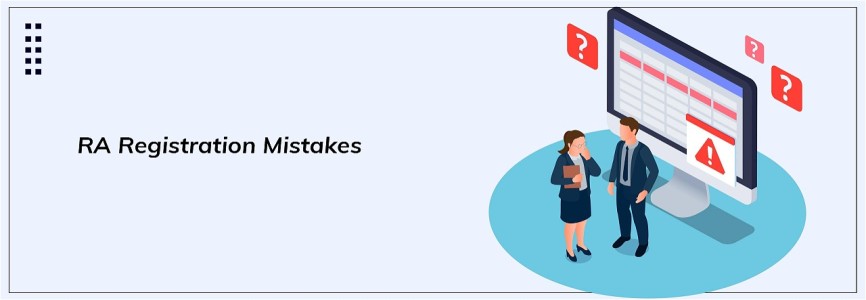
Many applicants believe that Research Analyst Registration is only about filing an application. In reality, the process involves eligibility review, qualification checks, certification, financial requirements, documentation, infrastructure declaration, compliance systems, website disclosures, advertisement controls, client communication rules and post-registration obligations. Even a small mistake in the application or compliance setup can lead to queries, delay, rejection or future regulatory risk. This article explains the top mistakes to avoid in Research Analyst Registration and how applicants can prepare a stronger, cleaner and more compliant application.
Meaning of Research Analyst Registration
Research Analyst Registration means obtaining approval to legally act as a Research Analyst in India. A registered Research Analyst can provide securities research, publish research reports, share recommendations and offer research-based services subject to applicable regulations and compliance requirements.
The registration is required when a person or entity provides research analysis or recommendations relating to securities for consideration. This may include equity research, stock recommendations, sector reports, market reports, technical research, fundamental analysis, derivatives research or model portfolio-based research services.
Mistake 1: Starting Research Services Without Registration
One of the biggest mistakes is starting paid research services before obtaining registration. Some individuals start Telegram channels, WhatsApp groups, websites, YouTube-based paid communities or subscription models where they provide stock calls or research recommendations without approval.
Providing paid securities research without registration can create serious regulatory risk. If a person charges fees for research reports, recommendations or model portfolios, registration applicability should be checked before launching the service. Applicants should avoid collecting subscription fees, issuing stock-specific recommendations or promoting paid research services until registration and compliance systems are properly in place.
Mistake 2: Not Understanding Whether Registration Applies
Many applicants are confused about whether they need Research Analyst Registration or Investment Adviser Registration. This confusion can result in wrong application filing. A Research Analyst generally provides research reports, analysis and recommendations. An Investment Adviser gives personalized investment advice based on the client’s financial situation, risk profile and goals.
If a business model includes personal financial planning, portfolio allocation or client-specific advice, Investment Adviser applicability may arise instead of or in addition to Research Analyst requirements. Applicants should clearly define their services before applying. If the business model is not properly classified, the applicant may face compliance issues later.
Mistake 3: Applying Without Required Qualification
Research Analyst Registration requires the applicant or principal officer and relevant persons to meet prescribed qualification requirements. Many applicants file without checking whether their educational qualification is acceptable. Qualification-related gaps can delay or weaken the application. If the applicant does not meet the required educational standards, the authority may raise queries or reject the application.
Before filing, applicants should verify their degree, professional qualification, finance-related background and experience. If applying through a company or LLP, the qualification of the principal officer and persons associated with research services should be checked carefully.
Mistake 4: Ignoring Certification Requirement
Certification is another important requirement. Applicants often assume that educational qualification alone is sufficient. However, relevant certification may also be required for Research Analyst Registration.
Certification helps ensure that the applicant has the required understanding of securities markets, research standards, investor protection and regulatory expectations. Applicants should complete the required certification before filing or within the permissible, as applicable. Certification validity should also be tracked after registration.
Mistake 5: Choosing the Wrong Business Structure
Applicants may apply as an individual, partnership firm, LLP, company or other eligible entity depending on their business plan. Choosing the wrong structure can create issues in taxation, compliance, funding, team hiring, brand building and future scalability.
For example, an individual structure may be suitable for a solo research professional, but a fintech platform or growing research business may need a company or LLP structure. A company structure may be more suitable where multiple employees, technology platform, investor funding and brand expansion are planned. Applicants should decide the business structure after considering long-term goals, liability, compliance cost, capital, taxation and operational needs.
Mistake 6: Incomplete Business Object Clause
For companies and LLPs, the business object clause should allow research analysis and related securities research activities. Many applicants file with an object clause that does not clearly cover the proposed activity.
If the object clause does not support the business, the authority may raise queries. The applicant may then need to amend the object clause, causing delay. Before filing, companies should check the Memorandum of Association and LLPs should check the LLP Agreement to confirm that the proposed research analyst activity is covered.
Mistake 7: Incomplete or Incorrect Documents
Documentation mistakes are among the most common reasons for delay. Applicants may submit unclear scans, incomplete forms, outdated documents, unsigned declarations or mismatched details.
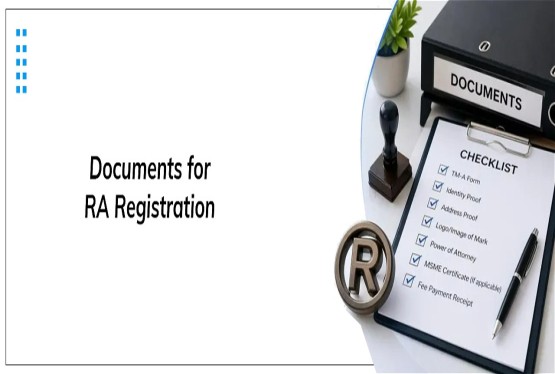
Common document errors include wrong address, incorrect PAN details, missing board resolution, incomplete net worth certificate, unclear qualification proof, missing experience certificate, outdated certificate, unsigned declaration and mismatch between application and supporting documents. A proper checklist should be prepared before filing. Every document should be clear, updated, signed where required and consistent with the application.
Mistake 8: Not Preparing Net Worth or Deposit Requirements
Research Analyst Registration may involve financial requirements such as net worth, deposit or other regulatory financial conditions. Some applicants ignore this and file without arranging proper financial proof.
If the applicant is unable to show financial eligibility, the application may be delayed. For entities, financial statements, net worth certificate and other financial documents should be prepared carefully. Applicants should review financial requirements in advance and ensure that funds, certificates and declarations are ready before filing.
Mistake 9: Weak Compliance Infrastructure
Many applicants focus only on obtaining registration and ignore compliance infrastructure. A Research Analyst must have proper systems for research preparation, record maintenance, disclosure, client communication, grievance handling, advertisement review and audit support.
Weak compliance infrastructure may not only affect registration but also create future risk after approval. Applicants should prepare internal policies, standard operating procedures, research report templates, disclaimer formats, disclosure systems and client communication rules before starting operations.
Mistake 10: No Proper Website Disclosures
Research Analysts are expected to maintain proper public disclosures. A website may be required to display registration details, contact details, grievance redressal information, terms of service, disclosures, investor charter and other required information.
Some applicants create a website only for marketing and do not include regulatory information. This can create compliance issues. Before or after registration, as applicable, the website should be reviewed carefully. It should not contain exaggerated claims, guaranteed return promises or misleading testimonials.
Mistake 11: Misleading Marketing Claims
Many applicants make aggressive marketing claims such as “sure shot calls,” “guaranteed profit,” “no loss strategy,” “double your money,” “100% accuracy” or “fixed monthly income from stock market.” These claims are risky and may be considered misleading.
Research services should be marketed responsibly. A Research Analyst cannot promise guaranteed returns because securities markets involve risk. Advertisements, social media posts, landing pages, videos and promotional messages should be reviewed before publication. Marketing should be factual, balanced and compliant.
Mistake 12: Not Disclosing Conflict of Interest
Conflict of interest disclosure is very important in research services. A Research Analyst or associated persons may have holdings, financial interest, business relationships or other interests in securities being covered.
Failure to disclose conflicts can affect investor trust and compliance standing. Every research report should carry proper disclosures. The applicant should create a system to identify, record and disclose conflicts before issuing recommendations.
Mistake 13: Mixing Research with Investment Advice
Research Analyst Registration allows research-based services, but it does not automatically permit personalized investment advice. Some Research Analysts start advising clients based on their personal financial goals, risk profile or portfolio position.
This can create a regulatory mismatch. If the service becomes client-specific investment advice, Investment Adviser registration requirements may apply. Applicants should clearly separate general research from personalized advice. Client communication scripts, service agreements and website wording should be drafted carefully.
Mistake 14: Mixing Research with Distribution or Execution
Another common mistake is mixing research services with product distribution, brokerage, referral income or execution-based business without proper disclosure and compliance checks.
If a Research Analyst earns income from another source connected with securities or investment products, it may create conflict of interest. The applicant should review all revenue streams before applying. Referral income, affiliate commission, brokerage sharing, distribution fees or platform partnerships should be disclosed and structured carefully.
Mistake 15: Poor Research Report Format
Research reports should be properly structured and supported by analysis. Some applicants issue one-line stock calls or informal messages without proper basis, risk disclosure or supporting reasoning.
A research report should clearly mention the recommendation, rationale, assumptions, risk factors, disclosures and other required details. It should not be casual, misleading or unsupported. Applicants should prepare a standard research report format before starting operations.
Mistake 16: No Record Maintenance System
Research Analysts must maintain records of research reports, client communication, disclosures, complaints, advertisements, fee records and other compliance documents. Many applicants do not set up a record maintenance system.
Poor record keeping can create problems during audit, inspection, complaint handling or regulatory review. Applicants should maintain digital and physical records in an organized manner. Records should be preserved for the required period as per applicable rules.
Mistake 17: Weak Grievance Redressal Mechanism
Investor complaints must be handled properly. Some applicants do not create a grievance redressal process, complaint register or dedicated contact system.
A Research Analyst should have a clear process for receiving, tracking and resolving complaints. The website, agreements and client communication should mention grievance contact details. Ignoring complaints can lead to escalation and regulatory issues.
Mistake 18: Ignoring Audit Requirement
Research Analysts may be required to comply with audit or compliance review requirements. Many applicants do not plan audit readiness and fail to maintain proper records throughout the year.
Audit should not be treated as a last-minute activity. If records are not maintained properly, audit observations may arise. Applicants should maintain research reports, disclosures, client records, fee records, advertisements and complaint records from the beginning.
Mistake 19: Not Responding Properly to Queries
During the registration process, the authority may raise queries or ask for clarifications. Some applicants respond late or submit incomplete replies.
Poor query response can delay the application. In some cases, repeated incomplete responses may weaken the applicant’s case. Applicants should respond to queries clearly, point-wise and with supporting documents. Every clarification should be accurate and consistent with earlier submissions.
Mistake 20: Ignoring Client Agreement and Consent
Research Analysts should have proper client onboarding documents, terms of service, consent mechanism and fee arrangement. Some applicants collect payments without proper agreement or clear terms.
This can create disputes regarding service scope, refund, risk disclosure, subscription period and client expectations. Applicants should prepare client agreements, fee terms, refund policy, risk disclosure and consent process before onboarding clients.
Mistake 21: Not Planning Fee Collection Properly
Fee collection should be transparent and properly recorded. Applicants may collect fees through personal accounts, informal payment links or unclear billing methods.
This creates accounting, taxation and compliance issues. Research Analyst businesses should use proper bank accounts, invoices, payment records and accounting systems. Fee collection should match the registered entity and service terms.
Mistake 22: Ignoring Tax and Accounting Setup
Many applicants focus only on SEBI registration and ignore taxation and accounting. However, after registration, the business must maintain books, issue invoices, file tax returns and comply with GST and income tax rules where applicable.
Poor accounting can create problems during audit, financial reporting and regulatory review. Applicants should set up accounting systems, bank accounts, invoicing formats and tax compliance processes before launching paid services.
Mistake 23: Not Maintaining Employee and Associated Person Records
If the applicant is a company, LLP or firm, it may have employees or associated persons involved in research activities. Their qualifications, certifications, roles and declarations should be maintained.
Failure to track associated persons may create compliance gaps. The entity should maintain employee records, role descriptions, access controls, research approval systems and conflict declarations.
Mistake 24: Using Social Media Without Compliance Review
Many Research Analysts promote services through YouTube, Telegram, WhatsApp, Instagram, X, LinkedIn or other platforms. Social media content can create compliance risk if it contains recommendations, performance claims or misleading statements.
All investor-facing content should be reviewed before posting. The Research Analyst should avoid guaranteed returns, exaggerated profit screenshots, selective performance marketing and unclear disclaimers. Social media should be treated as a regulated communication channel, not only a marketing tool.
Mistake 25: Not Understanding Post-Registration Obligations
Registration is not the end of compliance. After approval, the Research Analyst must follow ongoing obligations related to disclosures, records, audit, complaints, client communication, advertisements, website updates, compliance reporting and regulatory changes.
Many applicants fail because they treat registration as a one-time activity. This approach is risky. A compliance calendar should be maintained to track all recurring obligations.
Mistake 26: Not Updating Regulatory Changes
SEBI rules and circulars may change from time to time. Research Analysts must stay updated with new guidelines, circulars, reporting requirements and supervisory body instructions.
Ignoring regulatory updates can lead to non-compliance even if the initial registration was properly obtained. Research Analysts should regularly review regulatory updates and update their policies, website, disclosures and internal systems.
Mistake 27: Submitting False or Overstated Information
Some applicants may exaggerate experience, revenue, infrastructure, team strength or service capability. This is a serious mistake.
All information submitted during registration should be truthful and supported by documents. False information can lead to rejection, cancellation or regulatory action. Transparency is always better than overstating facts.
Mistake 28: Poor Internal Approval Process for Research
Research recommendations should not be issued randomly. A proper internal review process should be followed, especially for entities with a research team.
The process should define who prepares the report, who reviews it, how conflicts are checked, how disclosures are added and when the report is published. This improves quality and reduces compliance risk.
Mistake 29: Not Separating Personal Trading From Research Activity
If a Research Analyst or associated persons trade in securities covered by research reports, conflict concerns may arise. There should be clear policies on personal trading and disclosure.
The applicant should maintain personal trading declarations and ensure that research activity is not misused for personal benefit. A personal trading policy helps protect credibility and investor trust.
Mistake 30: Not Taking Professional Guidance
Research Analyst Registration involves legal, financial, documentation and compliance requirements. Many applicants try to file without understanding the full process and later face queries or rejection.
Professional guidance can help in choosing the right structure, checking eligibility, preparing documents, drafting policies, reviewing website content, preparing disclosures and responding to queries. Taking guidance at the beginning is often better than correcting mistakes later.
How to Avoid Mistakes in Research Analyst Registration
- Check Applicability First: Before filing, understand whether the proposed service requires Research Analyst Registration, Investment Adviser Registration or another approval. This step helps avoid wrong filing.
- Prepare a Proper Document Checklist: Create a checklist based on applicant type: individual, firm, LLP or company. Collect qualification proof, certification, KYC, business documents, financial documents, infrastructure details and declarations.
- Build Compliance Before Launch: Prepare research report formats, disclosures, website content, client agreement, grievance policy, advertisement policy and record maintenance system before starting services.
- Review Marketing Material: Check all website pages, advertisements, social media posts, brochures and videos. Remove guaranteed return claims, unrealistic profit promises and misleading content.
- Maintain a Compliance Calendar: Track certification validity, audit requirements, website updates, complaint resolution, fee records, filings and regulatory changes.
Conclusion
Research Analyst Registration is important for any person or entity that wants to provide paid research services, stock recommendations, securities analysis, research reports or model portfolio-based research in India. The process is not limited to filing an application. Applicants must carefully check eligibility, qualification, certification, financial requirements, business structure, documents, website disclosures, compliance policies and post-registration obligations before starting research services.
Most mistakes happen when applicants rush into the process without understanding regulatory expectations. Common errors include starting services without registration, choosing the wrong structure, submitting incomplete documents, making misleading profit claims, ignoring conflict disclosures, failing to maintain records and mixing research with personalized advice. A properly prepared application and strong compliance system can reduce delays, improve approval chances and help build a credible research business. For Research Analysts, compliance is not just a legal requirement; it builds investor trust, professional credibility and long-term growth.
Frequently Asked Questions (FAQs)
Q1. What is Research Analyst Registration?
Ans. Research Analyst Registration is an approval required to provide paid securities research, research reports, recommendations or analysis in India.
Q2. Is Research Analyst Registration mandatory?
Ans. Yes, it is generally required if a person or entity provides paid research services or securities recommendations.
Q3. What is the biggest mistake in Research Analyst Registration?
Ans. The biggest mistake is starting paid research services before obtaining registration and proper compliance setup.
Q4. Can a Research Analyst give personalized investment advice?
Ans. A Research Analyst should avoid personalized investment advice unless proper registration and compliance for that activity are in place.
Q5. What documents are commonly required?
Ans. Common documents include KYC, qualification proof, certification, business documents, financial documents, declarations, infrastructure details and compliance policies.
Q6. Can misleading advertisements create problems?
Ans. Yes, claims such as guaranteed profit, sure-shot calls or fixed returns may create regulatory risk.
Q7. Is website disclosure important?
Ans. Yes, proper website disclosures, registration details, grievance information and disclaimers are important for compliance.
Q8. Why is conflict of interest disclosure important?
Ans. It helps investors understand whether the Research Analyst has any financial or personal interest in the securities being recommended.
Q9. What happens if records are not maintained?
Ans. Poor record maintenance may create issues during audit, inspection, complaint handling or regulatory review.
Q10. How can applicants avoid registration mistakes?
Ans. Applicants should check eligibility, prepare complete documents, build compliance systems, review marketing claims and take professional guidance before filing.


_crop10_thumb.jpg)





_crop10_thumb.jpg)
_crop10_thumb.jpg)


_crop10_thumb.jpg)


_crop10_thumb.jpg)


_crop10_thumb.jpg)

_crop10_thumb.jpg)


-suratgujarat-section-158_crop10_thumb.jpg)
-suratgujarat_crop10_thumb.jpg)
-(33)_crop10_thumb.jpg)


-ahmedabad_crop10_thumb.jpg)
-learn_crop10_thumb.jpg)

-learnn_crop10_thumb.jpg)


_crop10_thumb.jpg)






_Guidelines_learn_crop10_thumb.jpg)


_learn_crop10_thumb.jpg)
_crop10_thumb.jpeg)


_crop10_thumb.jpg)


_Second_Amendment_Rules,_2025_learn_crop10_thumb.jpg)


_learn_crop10_thumb.jpg)










_learn_crop10_thumb.jpeg)











_learn_crop10_thumb.jpg)

_rd_roc_learn_crop10_thumb.jpg)









_learn_crop10_thumb.jpg)






_learn_crop10_thumb.jpg)
_Learn_crop10_thumb.jpg)





















_learn_crop10_thumb.jpg)



_learn_crop10_thumb.jpg)








_crop10_thumb.jpeg)







_crop10_thumb.jpg)










_crop10_thumb.jpg)