



A SEBI Research Analyst is a person or organisation registered to prepare, publish or provide research reports and recommendations relating to securities. These professionals analyse companies, industries and market conditions to help investors make informed decisions. Since research recommendations can significantly influence investment behaviour, the Securities and Exchange Board of India regulates such activities under the SEBI (Research Analysts) Regulations, 2014.
A person who provides paid stock recommendations, research reports, buy or sell calls, price targets or subscription-based securities research may be required to obtain SEBI registration. Merely describing the service as education, training or market information does not remove this requirement if the actual service involves securities-specific recommendations.
Meaning of a Research Analyst
A research analyst studies the financial condition, business performance and future prospects of companies or securities. Based on this research, the analyst may publish reports, assign price targets or provide buy, sell or hold recommendations.
Nature of Research Activities
Research activities may involve fundamental analysis, technical analysis, sector analysis, economic research and evaluation of publicly available information. Analysts may examine financial statements, management disclosures, stock-exchange filings, industry developments and market data before reaching a conclusion.
A recommendation can be communicated through a written report, website, mobile application, email, WhatsApp, Telegram, YouTube or another digital platform. The communication method does not determine whether registration is required. SEBI considers the actual nature and commercial purpose of the activity.
Research Reports and Recommendations
A research report generally contains an analysis or opinion concerning a security, company, industry or public offer. It may include a target price, expected return, valuation, trading range or recommendation to buy, sell or hold a security.
General market news or purely factual information may not always amount to a research report. However, when the content includes a security-specific opinion intended to influence investment decisions, the Research Analysts Regulations may apply.
Why SEBI Registration Is Required
SEBI registration protects investors by ensuring that people providing securities research possess the necessary qualifications, certification and professional capability. It also creates accountability by requiring analysts to maintain records, disclose conflicts and follow ethical standards.
Protection of Investors
Investors often rely on research reports while making important financial decisions. Misleading, biased or unverified recommendations can expose them to substantial losses. The registration framework requires analysts to base recommendations on reliable information and a reasonable research process.
Registered analysts are also prohibited from promising assured profits or guaranteed returns. Securities-market investments carry inherent risks, and no analyst can lawfully guarantee the performance of a recommendation.
Transparency and Accountability
A registered Research Analyst must disclose financial interests, business relationships and other conflicts that could affect the objectivity of a report. These disclosures help investors understand whether the analyst has any interest in the recommended security.
Registration also makes the analyst accountable to SEBI and the recognised Research Analyst Administration and Supervisory Body. The analyst must follow the applicable complaint-resolution, audit, reporting and supervisory requirements.
Who Needs SEBI Research Analyst Registration?
Any person or entity carrying on regulated research activity for consideration may need to obtain registration. The requirement applies according to the substance of the service rather than the designation used by the service provider.
Individuals Providing Paid Recommendations
An individual who provides stock recommendations, trading calls, price targets or research reports to subscribers may require registration. This applies even where recommendations are circulated only through a private WhatsApp or Telegram group. Charging subscription fees, collecting membership payments or receiving indirect commercial benefits can indicate that the activity is being carried on as a business.
Companies, LLPs and Partnership Firms
A company, Limited Liability Partnership or partnership firm can apply for registration as a Research Analyst. A non-individual applicant must appoint a qualified principal officer and employ appropriately qualified and certified research personnel.
The entity’s incorporation documents should authorise it to undertake financial or securities research activities. Where the object clause does not cover the proposed activity, an amendment may be required before filing the application.
Social-Media Research Providers
People publishing security-specific recommendations on YouTube, Instagram, Telegram, X or other platforms may also come within the regulatory framework. The size of the audience or platform does not determine the requirement.
Adding a statement such as “for educational purposes only” is not sufficient where the content regularly includes actionable buy or sell recommendations, entry prices, stop-loss levels or target prices.
Legal Structures Eligible to Apply
Research Analyst registration may be obtained by an individual or through an eligible business entity. The appropriate structure depends on the size, ownership and future plans of the research business.
Individual Applicant
An individual registration may be appropriate where the applicant intends to provide research services independently. The individual must personally satisfy the educational qualification, experience, certification and fit-and-proper requirements. The applicant must also maintain the required deposit, research records, grievance mechanism and other compliance arrangements.
Partnership Firm or LLP
A partnership firm or LLP may apply where two or more persons intend to conduct the research business together. The firm must have a properly executed partnership deed or LLP agreement authorising the proposed activity. The relevant partners and the designated principal officer must satisfy the applicable qualification, certification and fit-and-proper conditions.
Company or Body Corporate
A company may be suitable for a larger research business involving multiple analysts, employees, technology platforms or a substantial number of clients. The company must have suitable objects in its Memorandum of Association and appoint a qualified principal officer. Its promoters, directors, principal officer and research personnel may be examined during the registration process.
Educational Qualification Requirements
An applicant must possess an appropriate qualification recognised under the SEBI. Eligibility can generally be established through a relevant postgraduate or professional qualification or through graduation combined with relevant experience.
Postgraduate or Professional Qualification
A person may qualify by holding a professional qualification, postgraduate degree or postgraduate diploma in a relevant discipline. Recognised fields generally include finance, commerce, economics, business management, accountancy, capital markets, financial services and financial markets.
The qualification should be awarded by a university or institution recognised under the applicable law. Applicants should verify whether the awarding institution and programme are recognised before relying on the qualification.
Graduate Degree with Relevant Experience
A person holding a graduate degree in any discipline may qualify if they also possess at least five years of relevant experience. The experience should relate to financial products, securities, funds, assets, portfolio management or another recognised financial-market activity.
The nature of the work is more important than the designation mentioned in the appointment letter. Experience in general sales, administration or customer support may not qualify unless the applicant can demonstrate a genuine connection with research or financial products.
Evidence of Professional Experience
Applicants relying on the experience route should maintain strong documentary evidence. Experience certificates should clearly mention the period of employment, designation and nature of responsibilities.
Appointment letters, relieving letters, salary slips, income-tax returns and employer confirmations may also support the claim. Where the experience certificate contains only a general designation, the applicant may need an additional letter explaining the research, analytical or securities-market functions performed.
NISM Certification Requirement
Educational qualification alone is not sufficient. The applicable persons must also obtain the prescribed certification from the National Institute of Securities Markets.
Research Analyst Certification Examination
The relevant certification is generally the NISM-Series-XV: Research Analyst Certification Examination or another recognised certification prescribed under the prevailing. The examination evaluates knowledge of equity and industry analysis, economics, financial statements, valuation principles, research-report preparation and regulatory requirements.
Persons Required to Hold Certification
An individual applicant must possess the applicable NISM certification. In the case of a company, LLP or partnership firm, the principal officer and employees engaged in preparing research reports must also satisfy the applicable certification conditions. The registered entity should not permit an unqualified or uncertified person to independently prepare or issue research recommendations.
Renewal of Certification
NISM certificates remain valid for the prescribed period. Before expiry, the holder must renew the certification by passing the applicable examination or completing an approved continuing professional education programme, wherever available. Allowing a certification to expire may affect the analyst’s ability to continue research activities and may result in regulatory non-compliance.
Principal Officer Requirements
A non-individual Research Analyst must appoint a principal officer responsible for the research business and regulatory compliance.
Role of the Principal Officer
The principal officer supervises research activities, personnel and internal compliance systems. The officer ensures that research reports are properly reviewed, conflicts are disclosed and client communications follow SEBI requirements. The principal officer also coordinates with SEBI and the supervisory body, monitors grievance redressal and ensures timely submission of compliance reports.
Qualification of the Principal Officer
The principal officer must satisfy the educational, experience and certification conditions prescribed under the regulations. The appointment should be genuine, and the person should have sufficient authority to supervise the entity’s research operations. An entity should not appoint a principal officer merely to satisfy a documentary requirement while allowing another unqualified person to control research activities.
Fit-and-Proper Requirements
The applicant and its relevant personnel must be fit and proper persons. This requirement helps SEBI determine whether the applicant possesses the integrity, financial soundness and professional reputation necessary for operating in the securities market.
Integrity and Reputation
SEBI may consider whether the applicant, promoters, directors, partners or principal officer have been involved in fraud, dishonesty, market manipulation or another serious misconduct. Past regulatory warnings, penalties, criminal proceedings and disciplinary actions should be disclosed accurately. Hiding material information can adversely affect the application.
Financial Solvency
The applicant should be financially capable of operating the research business and meeting regulatory obligations. Insolvency, wilful default or serious financial irregularities may affect the fit-and-proper assessment. SEBI may also examine the source of funds and the applicant’s financial statements where relevant.
Client-Based Deposit Requirement
Registered Research Analysts must maintain a deposit based on the number of clients. This graded system links the financial requirement to the scale of the research business.
Deposit Slabs
An analyst having up to 150 clients is generally required to maintain a deposit of Rs.1 lakh. Where the number of clients ranges from 151 to 300, the deposit increases to Rs.2 lakh. An analyst having between 301 and 1,000 clients must generally maintain Rs.5 lakh. Where the number of clients exceeds 1,000, the applicable deposit is Rs.10 lakh.
Purpose of the Deposit
The deposit provides financial security in relation to claims that may arise through arbitration or dispute-resolution proceedings. It cannot be treated as ordinary working capital for running the business. The analyst must monitor the number of active clients and enhance the deposit when the business moves into a higher client slab.
Infrastructure Requirements
An applicant must have infrastructure suitable for conducting research activities professionally and securely. The required infrastructure depends on the nature and scale of the proposed business.
Office and Research Facilities
The applicant should maintain a verifiable office or business establishment equipped with computers, communication facilities, research tools and proper record-storage arrangements. An individual analyst may operate with relatively limited infrastructure, but the facilities must still be adequate for the expected number of clients and nature of research services.
Technology and Cybersecurity
Where research is provided through a website, mobile application or digital platform, adequate cybersecurity measures should be maintained. Client information, payment records and research data must be protected against unauthorised access. The analyst should also have suitable data-backup, access-control and business-continuity systems.
Documents Required for Registration
The documents required depend on whether the applicant is an individual, partnership firm, LLP or company.
Personal and Educational Documents
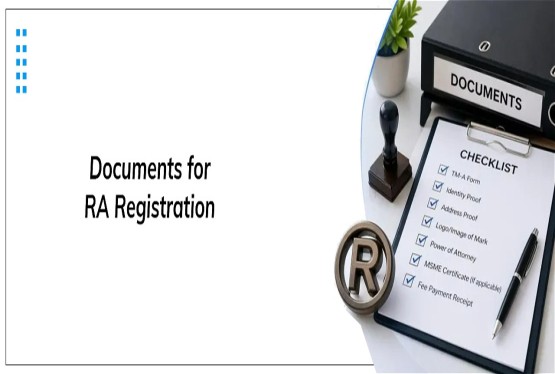
The applicant generally needs to submit PAN, identity proof, address proof, photographs, educational certificates, NISM certificates, curriculum vitae and experience documents. Details must remain consistent across all records. Differences in names, dates or addresses should be explained with supporting documents.
Entity Documents
A company or LLP may need to submit its Certificate of Incorporation, constitutional documents, PAN, registered-office proof, ownership details and financial statements. Documents relating to promoters, directors, partners and the principal officer are also required. The incorporation documents should clearly permit the proposed research activity.
Compliance Documents
The applicant may need to prepare a research methodology, conflict-of-interest policy, personal trading policy, grievance-redressal policy, record-retention policy and internal code of conduct. The supervisory authority may also require declarations concerning fit-and-proper status, infrastructure, litigation, disciplinary actions and related business activities.
SEBI Research Analyst Registration Process
The application process requires careful preparation because incomplete or inconsistent submissions can lead to repeated queries.
Preliminary Eligibility Review
Before applying, the applicant should verify the educational qualification, experience, certification and proposed legal structure. The website and social-media accounts should also be examined for any unregistered advisory activity or misleading return claims.
Submission of Application
The application must be filed through the prescribed SEBI and Research Analyst Administration and Supervisory Body process. The applicant must upload the required documents and pay the applicable application fee. Applications are examined to determine whether the proposed business model, personnel and compliance framework satisfy the regulations.
Reply to Regulatory Queries
The authority may issue queries regarding experience, qualification, infrastructure, financial position, business activities or online content. Each query should be answered clearly and supported by relevant documents. Incomplete or contradictory responses can significantly delay registration.
Payment and Deposit Compliance
After receiving the necessary approval or instructions, the applicant must pay the prescribed registration fee and create the required client-based deposit. The applicant should begin providing regulated research services only after registration is granted and all conditions are fulfilled.
Compliance Requirements After Registration
A Research Analyst must continuously comply with SEBI regulations. Registration does not permit the analyst to operate without supervision or periodic compliance.
Client Onboarding
The analyst must collect the prescribed client information and complete the applicable KYC process. The terms of service, fee structure, risks, grievance procedure and scope of research should be communicated before services begin. A proper record of client consent and acceptance of the terms should be maintained.
Fee Compliance
Research Analyst fees must remain within the limits and conditions prescribed by SEBI. Under the prevailing framework, the fee ceiling commonly applicable to an individual or family of a client is Rs.1,51,000 per annum across all research services, subject to the latest circulars. Advance-fee collection, refunds and termination charges must also comply with current regulatory instructions.
Conflict-of-Interest Disclosures
A research report must disclose whether the analyst has any financial interest or beneficial ownership in the subject company. Relevant business relationships, compensation arrangements and material conflicts must also be disclosed. These disclosures allow readers to evaluate the independence and objectivity of the recommendation.
Restriction on Guaranteed Returns
A Research Analyst cannot promise assured profits, guaranteed returns or risk-free recommendations. Claims such as “100% accurate calls,” “fixed monthly profit” or “double your money” are misleading and inconsistent with securities-market regulations. Advertisements and social-media content must present research services fairly and should not create unrealistic expectations.
Maintenance of Research Records
The analyst must preserve research reports, supporting data, client records, fee invoices, communications, disclosures and complaint records for the prescribed period. The supporting documents should demonstrate the reasoning and information used when making each recommendation.
Annual Compliance Audit
A registered Research Analyst must undergo the required compliance audit by an eligible professional. The audit checks whether the analyst has followed SEBI regulations, circulars and supervisory directions. Any non-compliance identified during the audit should be corrected promptly and reported wherever required.
Investor Grievance Redressal
The analyst must appoint a grievance contact and maintain a proper system for recording and resolving client complaints. Where a complaint is not resolved directly, the investor may approach SEBI through SCORES and use the applicable Online Dispute Resolution mechanism.
Research Analyst and Investment Adviser: Key Difference
A Research Analyst generally provides research reports or recommendations that may be distributed to several subscribers. An Investment Adviser provides personalised advice after considering the financial condition, investment objectives and risk profile of an individual client.
A Research Analyst should not automatically provide personalised portfolio advice. If the service evaluates a client’s income, age, existing investments and financial goals before recommending securities, it may fall under the Investment Adviser framework.
Common Reasons for Application Delay
Applications are frequently delayed because of incomplete documents, unsuitable qualifications, expired NISM certificates or inadequate proof of experience. Other common problems include an incorrect company object clause, failure to disclose regulatory proceedings, an unclear research methodology, inconsistent personal details and a non-compliant website. Conducting a detailed eligibility and document review before filing can substantially reduce these difficulties.
Conclusion
SEBI Research Analyst registration provides a lawful and regulated route for individuals and entities that wish to publish securities research or offer investment recommendations. To qualify, an applicant must meet the prescribed educational, professional experience and NISM certification requirements. The applicant must also satisfy the fit-and-proper criteria, establish adequate research and technology infrastructure, appoint qualified personnel where required, and maintain the applicable client-based security deposit before commencing regulated services for investors in India.
Registration is not a one-time formality because compliance continues throughout the analyst’s operations. A registered analyst must conduct independent and evidence-based research, disclose financial interests and conflicts, comply with fee limits, safeguard client data and preserve supporting records. The analyst must also maintain grievance-redressal arrangements, undergo required audits and avoid promises of assured returns. Since SEBI regularly updates its requirements, applicants and registered analysts should review the latest Master Circular and subsequent amendments before making compliance decisions.
Frequently Asked Questions
Q1. Who is considered a Research Analyst under SEBI regulations?
Ans. A Research Analyst is a person or entity that prepares, publishes or distributes research reports or recommendations relating to securities. This includes providing buy, sell or hold calls, price targets, technical analysis or other opinions intended to influence investors’ decisions.
Q2. Is SEBI registration mandatory for providing stock recommendations?
Ans. SEBI registration is generally required when a person commercially provides security-specific recommendations, research reports or trading calls. The requirement depends on the actual service provided, even if it is described as education, training, mentorship or general stock-market information.
Q3. Can a graduate apply for SEBI Research Analyst registration?
Ans. A graduate in any discipline may apply if they possess at least five years of relevant experience in financial products, securities, funds, assets or portfolio management. The applicant must also obtain the prescribed NISM certification and fulfil other regulatory conditions.
Q4. Is a postgraduate degree compulsory for registration?
Ans. A postgraduate degree is not compulsory in every case. Applicants may qualify through a recognised professional qualification, postgraduate degree or diploma in a relevant field. Graduates may also become eligible by demonstrating at least five years of relevant financial-market experience.
Q5. Which NISM certification is required?
Ans. Applicants generally need the valid NISM-Series-XV: Research Analyst Certification. This requirement also applies to principal officers and relevant research employees. The certification must remain valid and should be renewed through the prescribed examination or continuing professional education programme.
Q6. Can a company or LLP apply for Research Analyst registration?
Ans. Yes, a company, LLP or partnership firm may apply for registration. The entity must appoint a suitably qualified and certified principal officer and ensure that employees preparing or publishing research reports satisfy the prescribed qualification, experience and certification requirements.
Q7. What is the minimum deposit requirement?
Ans. The required deposit depends on client numbers: Rs.1 lakh for up to 150 clients, Rs.2 lakh for 151–300 clients, Rs.5 lakh for 301–1,000 clients and Rs.10 lakh when the total number of clients exceeds 1,000.
Q8. Is an educational disclaimer sufficient to avoid registration?
Ans. No. Writing “for educational purposes only” does not automatically remove the registration requirement. If the actual activity involves paid recommendations, entry prices, stop-loss levels, trading calls or target prices, it may still qualify as regulated Research Analyst activity.
Q9. Can a Research Analyst promise guaranteed profits?
Ans. No. A registered Research Analyst cannot promise assured profits, guaranteed returns, fixed income or risk-free recommendations. Statements such as “100% accurate calls” or “guaranteed monthly returns” are misleading because every securities-market investment carries financial and market-related risks.
Q10. Can a Research Analyst provide personalised investment advice?
Ans. A Research Analyst generally provides research reports to multiple subscribers. Personalised advice based on a client’s income, investment objectives, portfolio and risk profile may fall under the SEBI Investment Adviser Regulations and could require a separate Investment Adviser registration.


_crop10_thumb.jpg)





_crop10_thumb.jpg)
_crop10_thumb.jpg)


_crop10_thumb.jpg)


_crop10_thumb.jpg)


_crop10_thumb.jpg)

_crop10_thumb.jpg)


-suratgujarat-section-158_crop10_thumb.jpg)
-suratgujarat_crop10_thumb.jpg)
-(33)_crop10_thumb.jpg)


-ahmedabad_crop10_thumb.jpg)
-learn_crop10_thumb.jpg)

-learnn_crop10_thumb.jpg)


_crop10_thumb.jpg)








_Guidelines_learn_crop10_thumb.jpg)


_learn_crop10_thumb.jpg)
_crop10_thumb.jpeg)


_crop10_thumb.jpg)


_Second_Amendment_Rules,_2025_learn_crop10_thumb.jpg)


_learn_crop10_thumb.jpg)

















_learn_crop10_thumb.jpeg)



















_learn_crop10_thumb.jpg)


_rd_roc_learn_crop10_thumb.jpg)













_learn_crop10_thumb.jpg)












_learn_crop10_thumb.jpg)
_Learn_crop10_thumb.jpg)





































_learn_crop10_thumb.jpg)




_learn_crop10_thumb.jpg)











_crop10_thumb.jpeg)
















_crop10_thumb.jpg)



















_crop10_thumb.jpg)