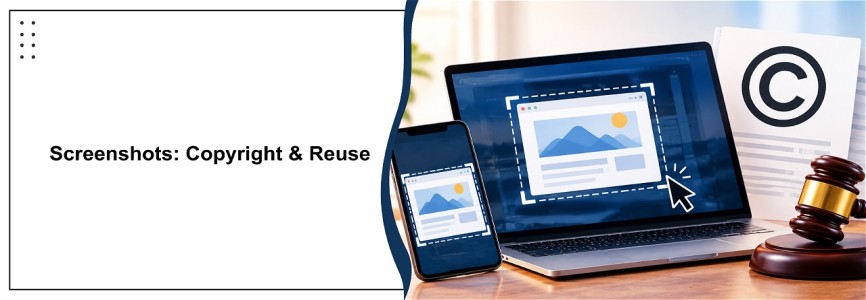



Screenshots are routine in digital communication. They capture websites, social-media posts, articles, videos, advertisements, software interfaces and messages. But a screenshot is not a separate statutory category under the Copyright Act, 1957. Its legal status depends on what it captures, whether that material is protected, whether the screenshot contains independently original expression, and whether the later use is authorised or covered by an exception.
Is a screenshot itself copyrighted?
Section 13 protects recognised categories of works, including original literary, dramatic, musical and artistic works, cinematograph films and sound recordings. There is no special statutory category called a “screenshot”. A purely mechanical screen capture therefore does not automatically become an independently protected work merely because someone pressed a button. It may, however, reproduce protected works already present on the screen.
Copyright in the screenshot versus copyright in its contents
Suppose someone screenshots an original photograph posted online. The screenshot is a new digital image, but the underlying photograph may belong to the photographer. Creating the screenshot does not automatically transfer copyright in that photograph. The same principle applies to articles, artwork, videos and graphics.
Originality: Eastern Book Company v. D.B. Modak
In Eastern Book Company & Ors. v. D.B. Modak & Anr., (2008) 1 SCC 1, the Supreme Court considered originality in editorial work. The decision requires more than mere labour or investment and recognises the importance of skill, judgment and the requisite degree of originality. The case is not a ruling about screenshots specifically. Its relevance is that a person claiming independent copyright in a screenshot must still establish protectable original expression where required.
A screenshot does not give ownership of everything displayed
A screenshot can contain an original photograph, article, illustration, logo and interface elements at the same time. The person taking the screenshot does not automatically become owner of all those underlying rights. Copyright registration, trademark registration, privacy, confidentiality and personality rights may have different owners or legal bases.
Does screenshot reuse amount to reproduction?
Potentially. Section 14 gives copyright owners specified exclusive rights, including reproduction, subject to the Act; Section 51 identifies infringement. If a screenshot reproduces a protected photograph, article, artwork or other work, copying and republishing it can engage the owner's rights. The technology used to make the copy does not by itself decide legality.
Public availability is not permission
A public Instagram post, website article or online photograph may still be protected. Being able to view something online does not automatically grant a licence to reproduce or commercially exploit it elsewhere.
Screenshots of photographs
Photographs can be protected as artistic works. Screenshotting and republishing a photographer's original photograph can therefore reproduce protected expression. Permission, licensing and applicable exceptions must be considered.
Screenshots of social-media posts
A post can contain photographs, graphics, captions, video and music. A screenshot may reproduce several works at once. The correct approach is to identify what is actually being copied.
Screenshots of articles and idea versus expression
R.G. Anand v. Delux Films, (1978) 4 SCC 118 : AIR 1978 SC 1613, is a leading Supreme Court authority on the distinction between ideas and expression. A fact or general subject is different from the author's protected expression. Thus, the fact that an article reports a public event does not automatically permit reproduction of the article's wording and presentation through screenshots.
Criticism or review
Section 52(1)(a) recognises specified fair-dealing purposes, including criticism or review. A limited screenshot genuinely used to criticise or review the material may therefore require a different analysis from a screenshot reproduced simply for entertainment or substitution. Calling something “review” does not itself create a defence.
Reporting current events
Section 52 also recognises fair dealing for reporting current events and current affairs, subject to the statutory requirements. A journalist may have a legitimate reason to show a screenshot of a statement or advertisement being reported. But a “news” label does not create unlimited permission to reproduce an entire copyrighted article.
Entire articles versus limited extracts
There is an important difference between using a limited screenshot to discuss an article and reproducing the whole article so readers can obtain the original without visiting the source. The latter may create a substantially stronger copyright concern.
No fixed percentage or screenshot rule
There is no universal Indian rule that one screenshot, one paragraph, 5%, 10% or any other fixed amount is automatically lawful. Amount can matter to fair dealing, but there is no mathematical safe harbour.
Substantiality is not merely a pixel count
A small portion can still contain an important or distinctive part of a work. Conversely, a larger amount may sometimes be justified by the purpose. The nature of the material and the circumstances matter.
Screenshots of videos and films
A still screenshot from a film, television programme or online video may reproduce a frame from a cinematograph film and may also contain artwork, graphics or photographs. Being a still image does not automatically remove copyright concerns.
Websites and mobile applications
Websites and apps may contain text, photographs, graphics, illustrations, icons, charts and video. A screenshot may therefore contain several rights. It would be too broad to say every interface feature is automatically copyright-protected, but it is equally unsafe to assume that interface screenshots are automatically free to reuse.
Software screenshots
Computer programmes are protected as literary works, but a screenshot of software is not identical to the programme itself. The screen may contain text, graphics and other works. The relevant element must be analysed separately.
Screenshots as evidence versus public republication
A screenshot may be captured to preserve evidence of an allegedly infringing post, advertisement or website. That purpose should not automatically be equated with public republication. Preserving evidence for legal proceedings and commercially exploiting the same material are different activities.
Screenshots in legal proceedings
Screenshots may be relevant electronic evidence subject to applicable evidentiary and authentication requirements. Their evidentiary use does not automatically create an unrestricted right to commercially exploit the underlying work.
Commercial use
Commercial use requires particular caution. A business using a competitor's website, newspaper article, celebrity post or customer's photograph in an advertisement may face copyright issues and, depending on the facts, trademark, passing-off, privacy, confidentiality or personality-right issues.
Credit is not permission
“Source: XYZ”, “Photo: @ABC” or “Credits to the owner” does not automatically authorise reproduction. Attribution is not a substitute for permission, licensing or a valid statutory exception.
Non-commercial use is not automatically exempt
Non-commercial character may be relevant in some analyses, but Indian copyright law does not provide a blanket exemption for all non-commercial copying.
Short text and social-media posts
Not every short phrase or ordinary sentence receives the same protection as a substantial original literary work. The nature of the material and the applicable originality requirements matter. A long original article and a routine short phrase should not automatically be treated alike.
Screenshots and facts
Facts should be distinguished from original expression. “Company X launched a product” is a factual proposition; an original article, photograph, infographic or creative video about that event may contain protected expression. A screenshot may reproduce that expression.
Public figures and personality rights
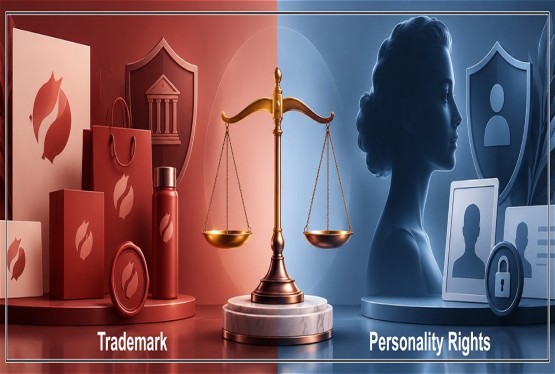
A screenshot involving a celebrity can raise rights beyond copyright. In Karan Johar v. Ashok Kumar/John Doe & Ors., CS(COMM) 974/2025, order dated 17 September 2025, the Delhi High Court considered claims concerning unauthorised use of Karan Johar's name, likeness, image, voice and persona, including digital material and GIFs. The Court granted interim relief against specified commercial uses, while noting that particular URLs were, on a prima facie view, covered by parody, caricature and lampooning and were not directed to be taken down at that stage. This was an interim personality-rights order, not a general ruling that screenshots or GIFs are lawful or unlawful.
Parody and screenshots
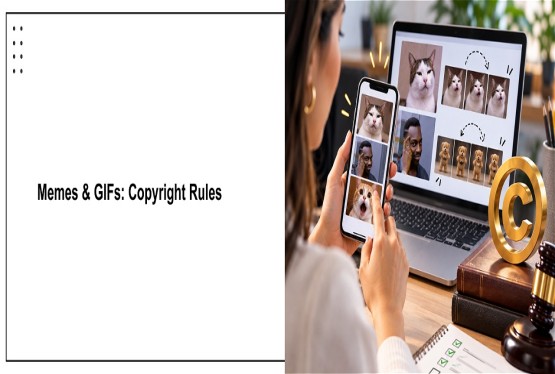
A screenshot may be used in parody, criticism or commentary, but parody is not a universal copyright exemption. Civic Chandran & Ors. v. C. Ammini Amma & Ors., 1996 SCC OnLine Ker 63 : (1996) 16 PTC 670 (Ker), concerns a counter-drama and fair-dealing/criticism analysis. It should not be expanded into a blanket rule protecting all humorous screenshots.
Trademarks
A screenshot can contain a brand name or logo. Even where copyright is not decisive, commercial use can raise trademark or passing-off questions. Copyright analysis alone may therefore be incomplete.
Privacy and confidentiality
A screenshot of a private message, private account, confidential business information or personal information may create privacy, confidentiality, contractual or other legal issues. “No copyright infringement” does not necessarily mean “legally safe”.
Practical test before reuse
Ask: What exactly does the screenshot contain? Who owns it? Am I reproducing protected expression? Do I have permission? Does a statutory exception actually apply? What is my purpose? How much am I reproducing? Is the use commercial? Could other rights be involved? Can I use an original or licensed alternative?
Common myths
-
“Every screenshot is copyrighted.” Not necessarily; there is no separate statutory screenshot category.
-
“No screenshot can be copyrighted.” Also too broad; a screenshot can contain independently original expression or reproduce protected works.
-
“Anything public online is free to reuse.” Incorrect. “Credit makes it legal.” Incorrect.
-
“One screenshot can never infringe.” Incorrect. “News use is always protected.” Incorrect.
-
“Non-commercial use is automatically legal.” Incorrect.
Conclusion
The legally accurate answer is nuanced. A screenshot is not a separate statutory category of copyright work, but it may reproduce one or more protected works and, in an appropriate case, may contain independently original expression.
Taking a screenshot does not automatically transfer ownership of the underlying photograph, article, artwork or video. Public accessibility does not create an automatic licence. At the same time, not every screenshot is automatically an infringement; fair dealing and other statutory exceptions may apply where their requirements are actually satisfied.
The safest questions before reuse are:
-
What have i captured?
-
Whose rights am i reproducing?
-
What legal basis do i have for reusing it?
A screenshot may take one second to create, but the legal rights contained within it may belong to several different parties. Research note: Case-law propositions have been conservatively stated and the cited authorities checked for citation and scope. This article is for legal information, not case-specific legal advice.


_(b)_of_the_Trademark_Act,_1999_(1)_crop10_thumb.jpg)


_crop10_thumb.jpg)


_crop10_thumb.jpg)
_crop10_thumb.jpg)


_crop10_thumb.jpg)


_crop10_thumb.jpg)


_crop10_thumb.jpg)


_crop10_thumb.jpg)


_crop10_thumb.jpg)


_crop10_thumb.jpg)


_crop10_thumb.jpg)


_crop10_thumb.jpg)


_crop10_thumb.jpg)








_crop10_thumb.jpg)
















































_crop10_thumb.jpeg)