
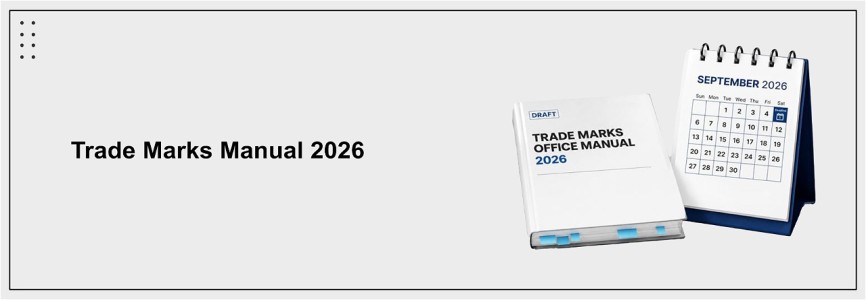



Trade marks play an important role in protecting brand identity, consumer recognition and commercial goodwill. In India, the Trade Marks Registry deals with applications, examination, oppositions, hearings, renewals and other proceedings. As commercial activity becomes increasingly digital and businesses develop more sophisticated branding strategies, clear and updated procedural guidance is important for applicants and trade mark professionals.
Against this background, the Trade Marks Office has undertaken an important revision of its Manual of Trade Marks Practice and Procedure in 2026. The document currently available from the official IP India website is a draft, and the Trade Marks Office has invited comments and suggestions from stakeholders. A public notice dated 21 August 2026 refers to the Revised Draft Manual of the Trade Marks Office (Practice & Procedure). Accordingly, it should not be described as though it has already replaced the existing legal framework.
What Is a Trade Marks Manual?
A Trade Marks Manual is essentially a practical and administrative guide concerning the procedures and practices followed by the Trade Marks Office. It is important to distinguish such a manual from legislation. The Trade Marks Act, 1999 establishes the statutory framework, while the Trade Marks Rules, 2017 prescribe detailed procedural requirements. A practice manual assists stakeholders and officers in understanding Registry practice, but should not independently create substantive statutory rights. Where there is an inconsistency, the statutory framework must prevail.
Why an Updated Manual Matters
Indian trade mark practice has become increasingly complex. Businesses operate across physical and digital markets, while applications are routinely filed and managed electronically. Procedural clarity is important at stages including filing, classification, examination, responses, hearings, publication, opposition, registration and renewal. An updated manual can therefore provide a useful and consolidated practical reference.
Filing of a Trade Mark Application
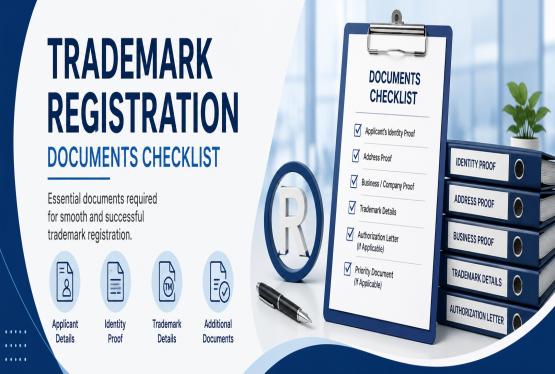
Registration begins with filing an application identifying the mark, proprietor and relevant goods or services. Classification is therefore important. IP India's current guidance identifies Form TM-A for a new trade mark application and requires relevant information concerning the mark, goods or services and supporting documents where applicable. Before filing, applicants should carefully consider the representation of the mark, proprietor, classes, specification, use status and supporting evidence.
Examination of Trade Mark Applications
Filing an application does not automatically result in registration. The Registry examines applications under the statutory framework. Objections may arise under, among other provisions, Sections 9 and 11 of the Trade Marks Act, 1999. The applicant may respond to an examination report and may be required to attend a hearing. An updated practice manual can assist practitioners in navigating these stages.
Absolute and Relative Grounds
Section 9 deals with absolute grounds for refusal, including certain marks lacking distinctive character or being descriptive or customary. Section 11 primarily concerns conflicts with earlier trade marks and certain other earlier rights. A proper pre-filing search is therefore an important part of responsible trade mark practice.
The Importance of Classification
Protection is connected to the goods and services specified in the application. Applicants should formulate specifications that accurately reflect genuine commercial activities and reasonably foreseeable expansion, without claiming an unnecessarily broad or unsuitable scope.
Evidence of Prior Use
Where prior use is claimed, reliable evidence can become important. Depending on the circumstances, this may include invoices, advertisements, packaging, sales records, website material, promotional material and business records. Businesses should preserve such evidence from the beginning rather than attempting to reconstruct it after a dispute arises.
Publication and Opposition
Acceptance does not necessarily end prosecution. After publication in the Trade Marks Journal, third parties may oppose registration. Under Rule 42 of the Trade Marks Rules, 2017, opposition must be filed within four months from publication or re-publication. Applicants should therefore monitor their applications even after examination has been completed.
Hearings and Digital Administration
Modern trade mark administration increasingly involves electronic communication and online processes. Electronic filing and tracking improve accessibility, but they also require applicants and representatives to monitor communications, application status and deadlines carefully. Digitalisation therefore makes procedural discipline particularly important.
Well-Known Trade Marks
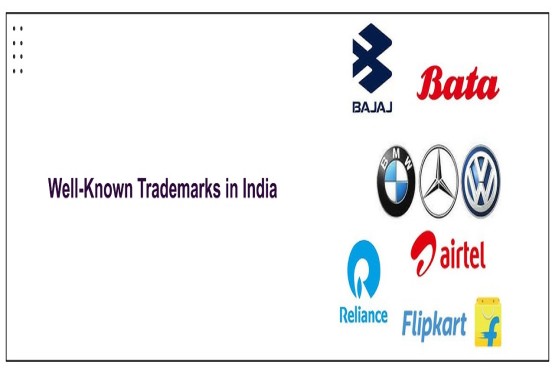
Well-known trade marks are an important area of Indian trade mark law. A mark recognised as well known may receive protection extending beyond its immediate goods or services, subject to the statutory framework. Specialised procedural guidance concerning well-known trade mark applications further demonstrates the need for clear administrative processes in matters involving substantial reputation and goodwill.
Digitalisation and the Future of Trade Mark Administration
Electronic filing, application tracking and online communication have changed the way applicants and practitioners interact with the Registry. These developments can improve accessibility and efficiency, but they also require careful monitoring of electronic notices and procedural deadlines.
What the 2026 Draft Manual Does Not Do
The Revised Draft Manual should not be treated as a replacement for the Trade Marks Act, 1999 or the Trade Marks Rules, 2017. Nor should every statement in a draft manual be treated as having the same legal force as a statutory provision. The appropriate distinction is between legislation, rules, applicable notifications or directions, and administrative or procedural guidance. A manual may guide Registry practice, but it cannot override the governing legislation.
Why the Draft Matters to Trade Mark Practitioners
The importance of the 2026 draft lies primarily in its potential to improve procedural clarity and consistency. Practitioners must understand filing requirements, examination, objections, responses, hearings, publication, opposition, evidence, registration and post-registration procedures. A consolidated and updated manual can be a useful practical reference, particularly for young lawyers, trade mark agents and businesses managing their portfolios.
Implications for Businesses and Start-Ups
For businesses, a trade mark may represent substantial value through consumer recognition, goodwill, reputation, licensing, franchising and long-term brand identity. Protection should therefore form part of a broader commercial strategy. Businesses should conduct clearance searches, identify the correct proprietor, select appropriate classes and preserve evidence of use and promotion.
A Strategic Approach to Trade Mark Protection
-
Search before adopting a mark: investigate existing marks before investing substantially in a new brand.
-
Identify the correct proprietor: accurately identify the person or entity owning the mark.
-
Select appropriate classes: ensure the specification reflects genuine commercial activities.
-
Preserve evidence: maintain reliable records of use, sales and promotion.
-
Monitor the Register: watch for potentially conflicting applications.
-
Maintain renewal records: a registered trade mark is generally valid for ten years and may be renewed for further ten-year periods.
The Broader Significance of the 2026 Development
The Revised Draft Manual should be viewed as part of the continuing development of India's trade mark administration. Indian businesses increasingly operate in digital and international markets, making efficient and predictable trade mark administration important. The value of a modern practice manual will ultimately depend on whether it improves transparency, consistency and practical clarity for Registry officers and stakeholders.
Conclusion
The Revised Draft Trade Marks Manual 2026 represents an important development in Indian trade mark administration. Its significance must, however, be understood carefully. It is not presently a substitute for the Trade Marks Act, 1999 or the Trade Marks Rules, 2017. The official IP India material identifies the relevant document as a draft, and the Trade Marks Office has invited stakeholder comments on the revised draft.
The existing statutory framework therefore continues to govern trade mark rights and procedures, while the draft manual may provide useful administrative and procedural guidance. For applicants and practitioners, effective trade mark protection requires careful clearance, accurate classification, proper documentation, timely responses, monitoring of opposition periods and continued attention throughout the life of the mark.
If ultimately finalised in a clear and practical form, the 2026 Revised Manual could become an important reference point for modern Indian trade mark practice. For now, however, it should accurately be described as a Revised Draft Manual, not as a new statutory trade mark law or a final replacement for the existing framework.


_(b)_of_the_Trademark_Act,_1999_(1)_crop10_thumb.jpg)


_crop10_thumb.jpg)


_crop10_thumb.jpg)
_crop10_thumb.jpg)


_crop10_thumb.jpg)


_crop10_thumb.jpg)


_crop10_thumb.jpg)


_crop10_thumb.jpg)


_crop10_thumb.jpg)


_crop10_thumb.jpg)


_crop10_thumb.jpg)


_crop10_thumb.jpg)


_crop10_thumb.jpg)









_crop10_thumb.jpg)

























































































_crop10_thumb.jpeg)
























































_crop10_thumb.jpg)