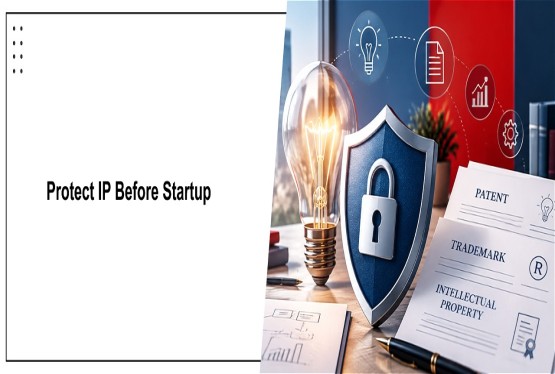




For many founders, incorporation is mainly about choosing a company name, preparing constitutional documents, opening a bank account and starting commercial operations. Intellectual property ownership is often treated as something that can be “sorted out later”. That assumption can create serious problems.
A startup may have a valuable brand, software code, product design, technical invention, database, content, confidential information or business know-how. But the fact that these assets are being used by the company does not necessarily mean that the company legally owns all of them. One common problem is that the founder created or acquired the IP before incorporation, but no proper transfer of rights was made to the newly incorporated company.
Incorporation Does Not Automatically Transfer the Founder's IP
A company is a separate legal entity from its shareholders and founders. If a founder owns a trademark, copyright, patent application, software or other intellectual property personally before incorporation, incorporation does not by itself make the company the owner. If the founder intends the company to own those assets, that position should be properly documented.
Shareholding Does Not Equal IP Ownership
Share ownership and intellectual-property ownership are separate legal concepts. A founder may own 80% or 100% of a company while personally owning a trademark, copyright or patent-related right outside it. Conversely, a company may own valuable IP even though no individual founder personally owns it.
Copyright: Founder-Created Work Can Create Ownership Questions
Section 17 of the Copyright Act, 1957 generally makes the author the first owner, subject to statutory exceptions. Section 17(c) contains an important employment-related exception, subject to its conditions and agreements to the contrary. But work created by a founder before becoming an employee of the company should not automatically be treated as company-owned.
Why Pine Labs Matters
Pine Labs Pvt. Ltd. v. Gemalto Terminals India Pvt. Ltd. & Ors., a Delhi High Court decision concerning software developed under contractual arrangements, illustrates why the contractual relationship and statutory assignment requirements matter. It should not be treated as a universal rule that every contractor-created work belongs to the hiring company.
Freelancers Are Not Automatically Employees
Payment alone should not be treated as a substitute for an IP agreement. The position can depend on the relationship, contract, type of IP and applicable statute. This is particularly relevant for freelance developers, software agencies, designers, consultants, research partners and marketing agencies. For copyright, Sections 18 and 19 regulate assignment and contain important requirements.
Pre-Incorporation IP Is a Major Blind Spot
Founders often create the brand name, logo, website, application, source code, product drawings, technical documentation, marketing materials, databases or inventions months before incorporation. If those assets remain connected to the founder, an investor may ask what the company actually owns. Depending on the asset, an assignment, licence or other appropriate instrument may be needed.
Trademark Ownership Is Frequently Mishandled
A founder may file a trademark personally and later operate through a company. The Trade Marks Act, 1999 provides a framework for assignment and transmission. Sections 37–39 address relevant assignment/transmission provisions, while Section 45 deals with registration of title following assignment or transmission. The intended ownership structure should be deliberately documented.
Assignment and Licence Are Different
An assignment generally transfers ownership of relevant rights, subject to its terms. A licence generally permits use without transferring ownership. A startup investor may accept a licence in some circumstances, but duration, exclusivity, termination and business continuity can become important diligence questions.
Patent Ownership Requires Particular Attention
For technology, biotechnology, pharmaceutical and research-intensive startups, patent ownership deserves early attention. The inventor and owner/applicant are not necessarily the same legal concept. Section 68 of the Patents Act, 1970 addresses formal requirements for certain assignments and interests; Section 69 addresses registration of assignments, transmissions and other interests.
Founder and Employee Are Different Legal Capacities
A founder may also be a shareholder, director, employee, inventor, author or IP proprietor. These capacities should not automatically be treated as interchangeable. An invention created before incorporation is factually different from one created later under employment or a company contract.
Jointly Created IP Can Become Complicated
Where two founders jointly develop software, technology or branding, unclear arrangements can create disputes over ownership, licensing, enforcement, commercialisation and rights after a founder leaves. A founders' agreement should be considered alongside IP documentation.
Founder Exit Can Expose the Problem
If a founder personally owns the trademark or software used by the company and later exits, the company's continuing rights may become contentious. A clean chain of title is therefore valuable before any founder dispute or exit occurs.
Investors Care About Chain of Title
Due diligence may examine who created the IP, who owns it, whether it was created before incorporation, whether it was assigned, whether employee and contractor arrangements are documented, and whether licences or disputes exist. A mismatch between the pitch deck and legal ownership documents can create avoidable concerns.
Registration and Ownership Are Not the Same Question
A registered trademark can still be recorded in a founder's personal name rather than the company. Patent and copyright ownership can likewise require examination of the underlying legal and contractual documents. The practical question is: who owns or controls the IP, and what document proves it?
Copyright Assignment Should Be Properly Structured
Section 19 of the Copyright Act contains important requirements concerning assignments, including identification of the work and specification of rights, duration and territorial extent. A generic statement that “all intellectual property belongs to the company” may not address every asset or legal situation adequately.
Open-Source and Third-Party IP
Startups may use open-source software, stock photographs, APIs, datasets, fonts, commercial software and other third-party material. A startup may have rights to use something without owning it. Due diligence should therefore examine whether the rights are sufficient for the intended business and transaction.
Confidential Information Also Needs Protection
Source code, formulas, research results, customer information, pricing strategies and technical know-how may be commercially valuable without being registered IP. Confidentiality agreements, access controls, employment contracts and internal policies can therefore be important.
Fundraising and Acquisition Increase the Stakes
An ownership problem may become serious when a startup seeks funding or is acquired. If core software was created before incorporation, the trademark remains in a founder's name, a patent application has not been clearly assigned, or a freelancer created a logo without a clear agreement, the transaction may require additional diligence, restructuring, warranties or indemnities.
Fix the Problem Early
It is generally easier to establish a clean chain of title early than to reconstruct it years later after employees, consultants, founders, investors, subsidiaries and multiple filings have accumulated.
Practical IP Ownership Checklist
-
Founder-created IP: identify pre-incorporation assets and decide whether assignment or licensing is appropriate.
-
Trademarks: check proprietor/applicant details and whether assignment or recordal is needed.
-
Copyright: identify software, content, graphics, videos and databases and document ownership.
-
Patents: identify inventors, applicants, proprietors and assignment records.
-
Employees: address relevant IP in employment documentation.
-
Freelancers: use written agreements covering ownership and permitted use.
-
Third-party material: maintain licence and open-source records.
-
Confidential information: use appropriate contractual and organisational safeguards.
Hypothetical Example
Suppose BioNova Technologies Pvt. Ltd. is incorporated after its founder has created a technical invention, software platform, brand name and logo. Five years later, an investor discovers that the trademark remains in the founder's name, the software was created before incorporation, the patent application lists the founder as applicant, and the logo was designed by a freelancer without a clear IP agreement. The company may have used the assets for years, but use is not the same thing as a clean, documented chain of title.
The Legal Lesson
Incorporation creates the company; it does not automatically rewrite the history of IP ownership. Copyright, trademark and patent rights have different statutory frameworks, and the contractual documents connecting founders, employees, consultants and the company can be as important as the registration itself.
Conclusion
IP ownership should be addressed before success makes the problem expensive. A startup may have an excellent product, strong brand and valuable technology, but unclear ownership can create difficulties during investment, licensing, litigation or an eventual sale.
The key questions are: Who created the IP? Who owns it today? What document proves that ownership? Does the company have the rights it actually needs to operate, commercialise and defend the business?
A clean IP ownership structure is part of building a startup that can withstand due diligence and grow without avoidable ownership disputes.


_(b)_of_the_Trademark_Act,_1999_(1)_crop10_thumb.jpg)


_crop10_thumb.jpg)


_crop10_thumb.jpg)
_crop10_thumb.jpg)


_crop10_thumb.jpg)


_crop10_thumb.jpg)


_crop10_thumb.jpg)


_crop10_thumb.jpg)


_crop10_thumb.jpg)


_crop10_thumb.jpg)


_crop10_thumb.jpg)


_crop10_thumb.jpg)


_crop10_thumb.jpg)








_crop10_thumb.jpg)






















































_crop10_thumb.jpeg)