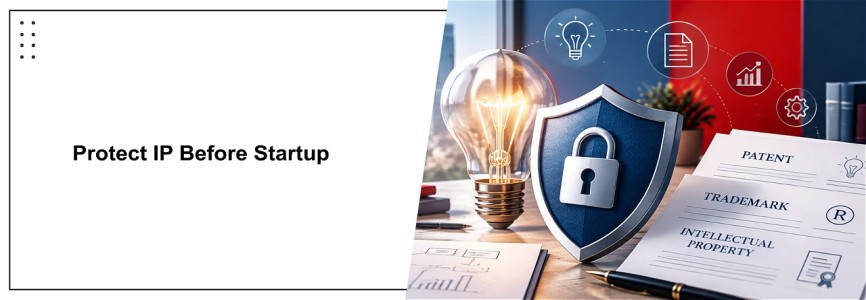



A startup may possess valuable intellectual assets before it makes its first sale: a brand, software, an invention, product designs, original content and confidential know-how. These assets do not all receive the same protection. Patent registration, trademark registration, copyright registration, design and confidentiality rules address different interests. Some rights arise when statutory conditions are met; others generally require filing and registration. A pre-launch IP review helps founders identify assets, establish ownership, assess protection and avoid preventable conflicts.
Start with an IP audit
List inventions, software and source code, technical documentation, names and logos, product appearance, website content, photographs, videos, databases, formulas, processes, customer information and confidential business plans. For each asset, record who created it, who owns it, whether third-party material is included and what protection or agreement may be needed.
Match the asset to the right
A patent may protect an invention meeting statutory requirements. A trademark distinguishes goods or services. Copyright protects qualifying original expression, such as code, text, photographs and artwork. Registered designs protect qualifying visual features of an article. Confidential information may be protected through appropriate confidentiality measures and applicable legal principles. No single registration protects an entire business.
An idea is not automatically patentable
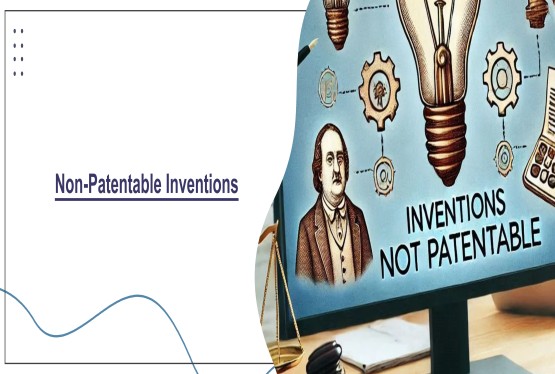
A business idea or app concept is not, by itself, a patentable invention. Indian patent law requires, among other things, novelty, inventive step and industrial applicability, and excludes certain subject matter. Computer-related inventions may raise specific issues under the statutory exclusions. Assess the actual technical contribution before spending on an application.
Consider patent filing before disclosure
Publicly presenting enabling technical details, publishing them online, demonstrating a product or circulating an unrestricted technical deck may affect novelty and patentability. It is too broad to say every disclosure automatically destroys every possible claim, because the facts and statutory provisions matter. Nevertheless, relying on an exception after disclosure can be risky. Assess filing strategy before public disclosure wherever possible.
Provisional applications need follow-through
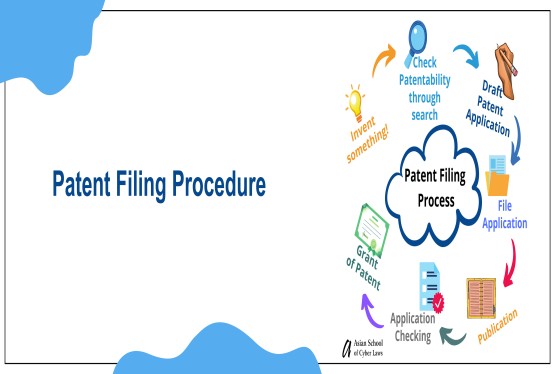
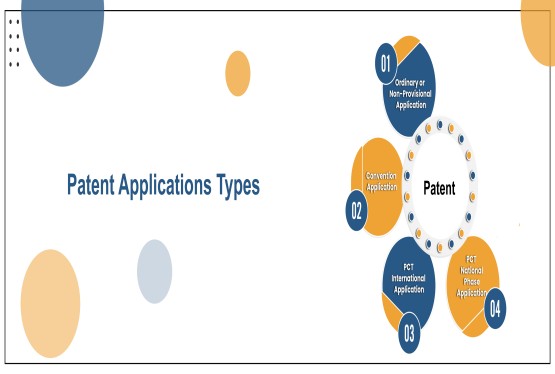
A provisional specification may be useful while an invention is being developed, but it is not a substitute for a complete specification. A complete specification generally must be filed within twelve months of the provisional filing; otherwise, the application is treated as abandoned under the statutory framework. Any priority benefit is tied to what the earlier specification adequately discloses. A provisional filing does not secure priority for later-added subject matter that it did not disclose.
Search patents and distinguish patentability from freedom to operate
A patent search can identify earlier publications and similar technology, help refine development and inform a patentability assessment. It does not guarantee grant. Nor does owning a patent automatically mean a product can be commercialised without infringing someone else’s rights. Patentability and freedom to operate are different questions.
Clear the brand before investing in it
Search identical and similar marks before spending heavily on packaging, advertising, domains or app promotion. Consider the relevant goods and services. A search reduces risk but cannot guarantee registration or eliminate every conflict. A company name, domain name, social-media handle and trademark are different things; securing one does not automatically secure the others.
Understand trademark scope
Registration can provide important statutory rights in relation to the registered mark and the goods or services covered. It does not create an unlimited monopoly over a word in every context or industry. Scope depends on the mark, registration, relevant goods or services and applicable law.
Copyright and ownership
Copyright may subsist in qualifying original works such as software code, website text, photographs, videos, illustrations and marketing material. In India, copyright generally arises without registration when statutory requirements are met; registration is not a universal prerequisite. The key question is often who owns the work. The author is generally first owner, subject to statutory exceptions and valid arrangements.
Put employee and contractor arrangements in writing
Payment for work does not automatically resolve every ownership question. Employment, commissioning and other circumstances can engage specific statutory rules. Agreements with employees, freelancers, agencies and consultants should clearly address assignment or licensing, permitted uses, confidentiality, third-party material, source files, documentation and delivery. Any intended assignment should satisfy the statutory requirements.
Check third-party and open-source material
Stock images, fonts, music, software libraries, templates and datasets may carry licence conditions. Public availability does not mean free commercial use. Maintain an inventory, review licence terms and comply with applicable attribution, notice, distribution or other obligations. This review can also matter during investment or acquisition due diligence.
Protect confidential information
Potential trade secrets include source code, formulas, processes, unpublished research, customer information, pricing and product roadmaps. Protection is fact-sensitive. Use access controls, need-to-know permissions, secure storage and suitable confidentiality terms. Merely labelling a document confidential is not a complete system. An NDA cannot make already-public or independently developed information secret.
Use NDAs thoughtfully
An NDA can define permitted purpose, restrictions on use and disclosure, duration, exclusions, return or destruction and permitted disclosures. It may not be necessary or commercially realistic for every investor conversation; staged disclosure can help. An NDA does not replace patent filing where patent protection is the objective.
Consider design protection before launch
The appearance of a physical product may have commercial value. Qualifying visual features may be eligible for registered design protection. Because public disclosure can affect novelty, consider filing strategy before displaying, selling or promoting the design. Design protection is not a substitute for patent protection of technical function.
Software needs a layered strategy
A software product may involve copyright in code and other original expression, trademark rights in its name, confidential know-how, contractual rights and where statutory requirements are met potential patent issues. Source code, an algorithm, a graphical interface and a business concept are not legally identical. Assess each element separately.
Keep evidence and records
Maintain invention notes, dated design files, source-code versions, contributor agreements, assignments, licences, third-party software records, filing documents, confidentiality agreements, invoices and delivery records. These records can assist with disputes, fundraising, licensing and acquisitions, though records alone do not automatically establish ownership.
Decide which entity owns the IP
If the business operates through a company, decide whether core IP is owned by the company, a founder or another entity, and document any transfer or licence. Incorporation does not automatically transfer pre-existing founder-owned IP. Unclear ownership can complicate investment, restructuring, licensing or sale. Consider appropriate legal and tax advice.
Plan for international markets
IP rights are generally territorial. An Indian patent or trademark does not automatically provide equivalent protection worldwide. If foreign markets matter, consider relevant jurisdictions, costs, deadlines and international filing routes. Do not assume an Indian filing protects the business everywhere.
Treat IP as a business asset
Depending on the business, IP may be licensed, assigned or used in collaborations and commercial negotiations. Investors and acquirers may ask who owns the technology and brand, whether contributors assigned their rights, and whether third-party licences are valid. A portfolio of registrations alone does not guarantee investment or commercial success.
Verify current government support
India has operated schemes intended to facilitate IP protection for eligible startups, including support through facilitators. Eligibility, benefits, fee treatment and scheme duration depend on the applicable notification. Do not rely on old blog posts or assume a scheme is currently open. Check the latest official notices from DPIIT and IP India before budgeting or applying.
Pre-launch checklist
-
Brand: search the name and logo; consider goods/services and filing.
-
Inventions and Designs: assess protectability, search prior material, consider filing before disclosure and track deadlines.
-
Copyright: identify creators and confirm ownership or licence.
-
Confidentiality: identify sensitive information, limit access and use appropriate agreements.
-
Third-party Material: check software, image, music, font and data licences.
-
Corporate: confirm which entity owns the IP and document transfers.
-
International: consider foreign markets and deadlines.
Common mistakes
Choosing a brand without searching can lead to rebranding. Disclosing a potentially patentable invention too early can complicate protection. Paying a contractor without documenting rights can leave ownership uncertain. Using online content without checking its licence can create infringement risk. Ignoring open-source obligations can cause problems during distribution or due diligence. Waiting until fundraising to investigate ownership may reveal issues at a difficult stage.
Conclusion
IP planning should be part of startup preparation, not an afterthought. Before launch, identify assets, determine ownership, search for conflicting rights, assess patent and design timing, protect the brand, document employee and contractor contributions, review third-party licences and maintain confidentiality.
Identify the Asset. Confirm Ownership. Choose the Right Protection. Document it before Launch.
A thoughtful IP strategy cannot eliminate every risk, but it can help founders build on a clearer and more defensible foundation.


_(b)_of_the_Trademark_Act,_1999_(1)_crop10_thumb.jpg)


_crop10_thumb.jpg)


_crop10_thumb.jpg)
_crop10_thumb.jpg)


_crop10_thumb.jpg)


_crop10_thumb.jpg)


_crop10_thumb.jpg)


_crop10_thumb.jpg)


_crop10_thumb.jpg)


_crop10_thumb.jpg)


_crop10_thumb.jpg)


_crop10_thumb.jpg)


_crop10_thumb.jpg)








_crop10_thumb.jpg)





































































_crop10_thumb.jpeg)